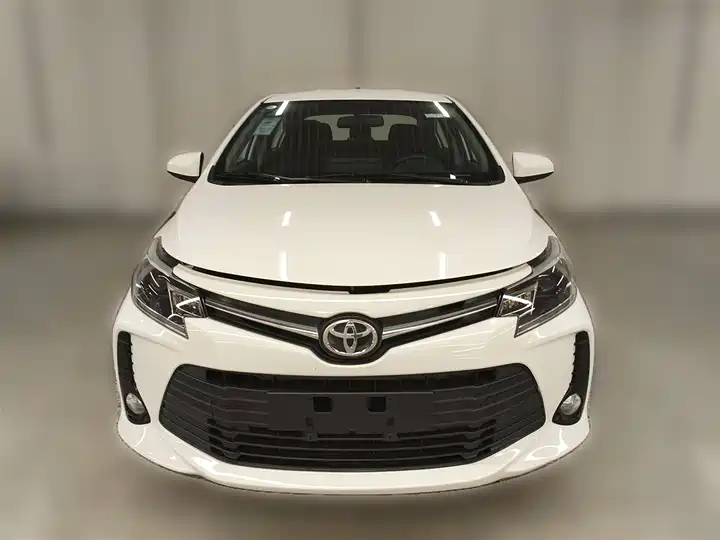
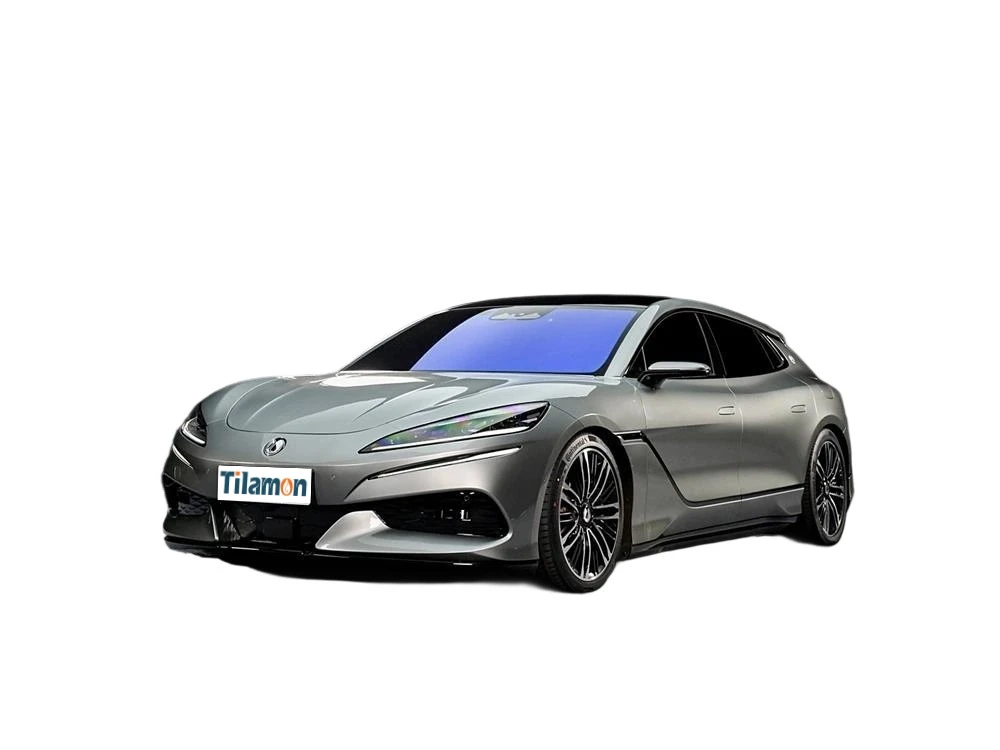
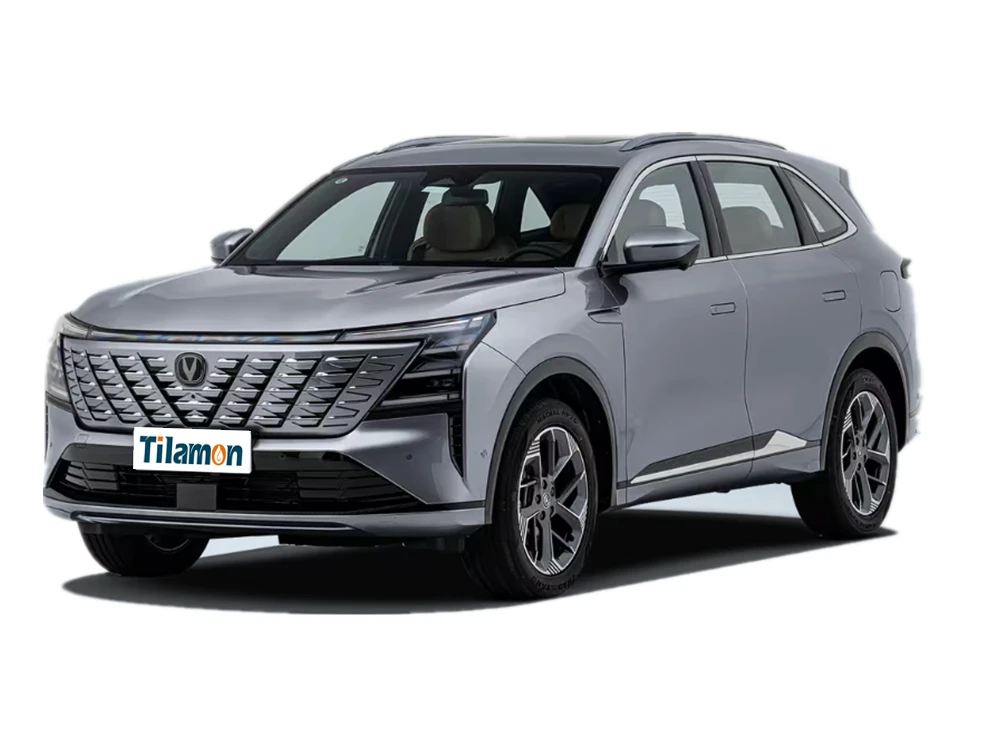
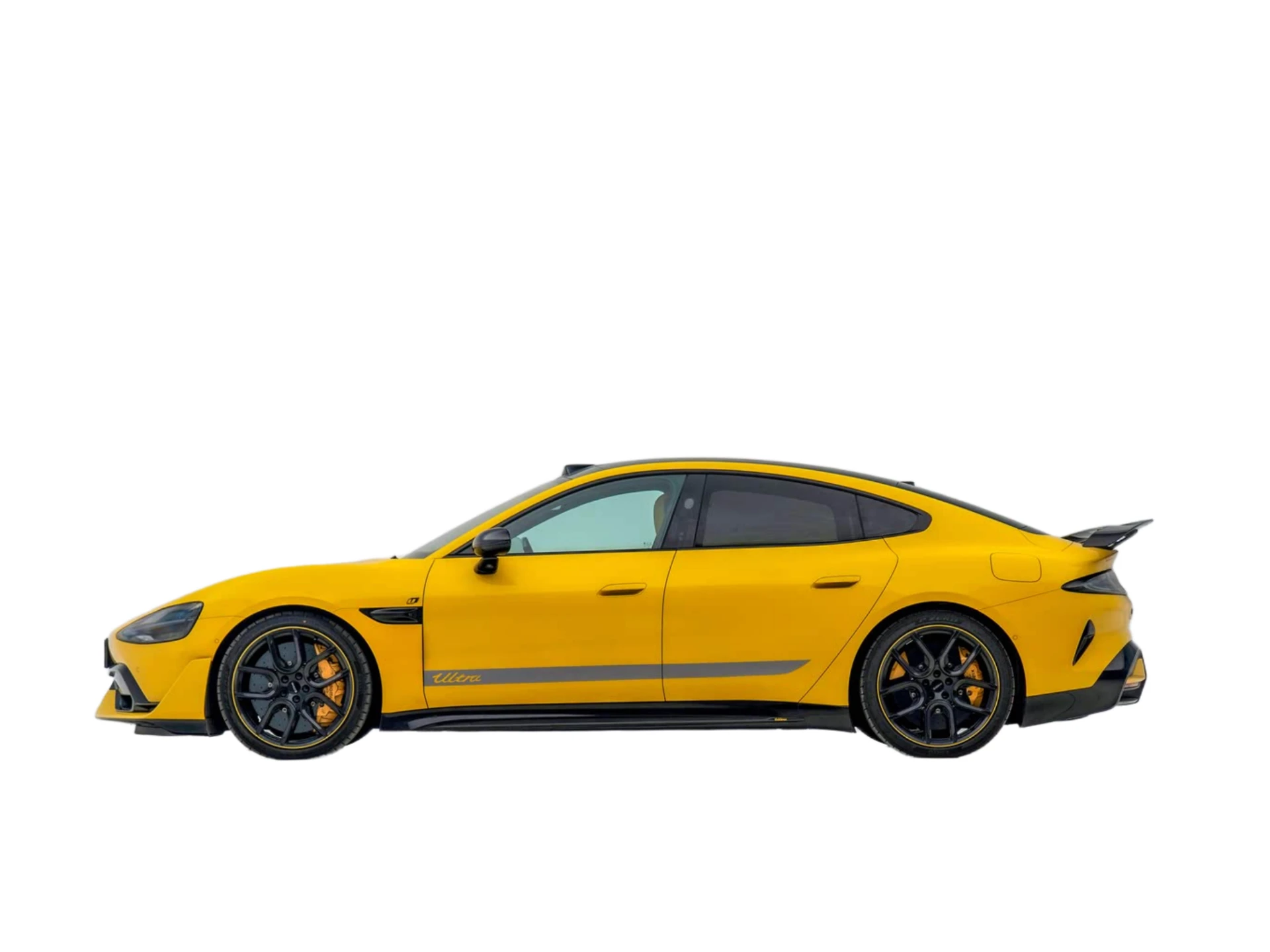
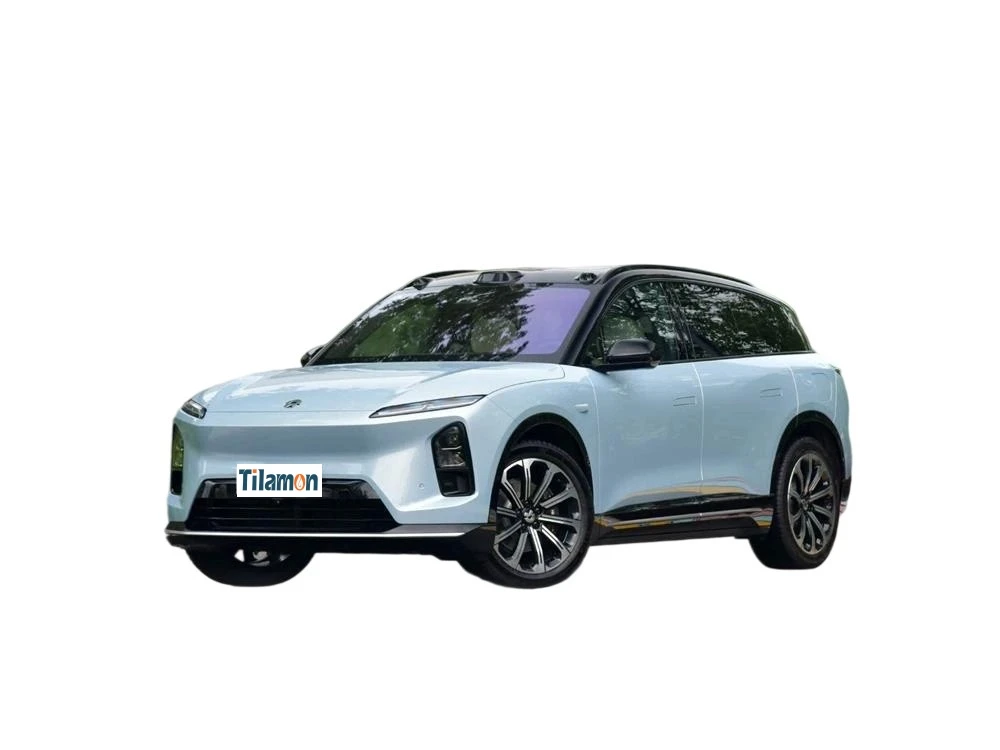
Advanced Mobility Solutions for new energy vehicle in Bolivia

Driving the future of Bolivian transport with sustainable energy and high-performance automotive engineering.

Advanced Mobility Solutions for new energy vehicle in Bolivia

Providing cutting-edge automotive manufacturing solutions tailored for the unique Andean terrain and urban centers of Bolivia, focusing on efficiency and sustainability.

Bolivian Automotive Market Landscape

Analyzing the transition from internal combustion to sustainable energy in the heart of South America.

Bolivia faces a unique automotive challenge due to its diverse geography, ranging from the high altitudes of La Paz to the tropical lowlands of Santa Cruz. Currently, the market relies heavily on secondhand vehicle imports, which often lack the efficiency needed for modern urban density and environmental standards.

The economic shift toward lithium extraction within the "Lithium Triangle" has created a strategic impetus for the adoption of a new energy ev. Local consumers are increasingly seeking vehicles that can handle steep gradients while reducing the dependency on imported fossil fuels.

Despite the growth in new tech, there remains a significant volume of 2 nd hand cars circulating in the market. This creates a hybrid demand where reliability is paramount, and the infrastructure for charging is rapidly evolving to support the transition to electric mobility.
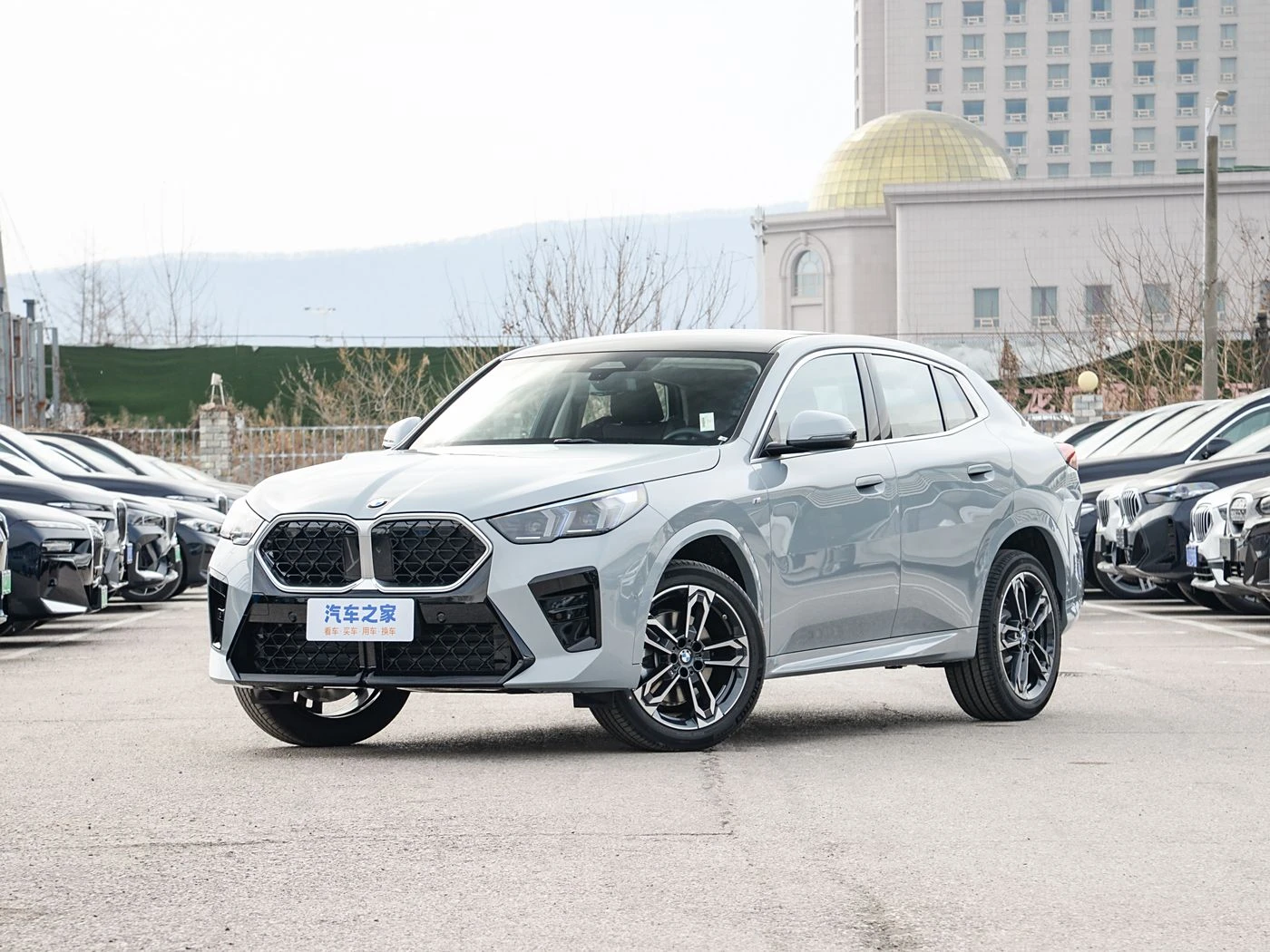
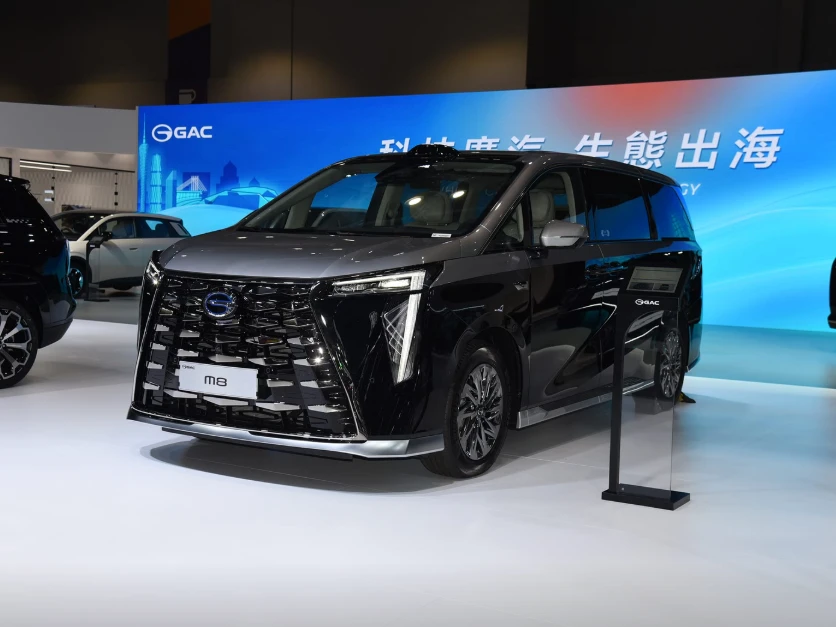
Evolution of Bolivian Automotive Technology

From traditional combustion engines to the era of intelligent electrification.

Market Development History

In the early 2000s, the Bolivian market was dominated by rugged internal combustion vehicles designed for mining and agricultural use. The focus was purely on torque and durability, with little regard for emission standards or energy efficiency.

By 2015, a shift occurred as urban centers began experiencing severe congestion and air quality issues. This period saw the introduction of early hybrid technologies and a growing preference for more efficient compact cars imported from Asian markets.

From 2020 onwards, the arrival of the new chinese ev revolutionized the landscape, offering high-tech features and long-range batteries at competitive price points, making sustainable transport accessible to the middle class.

Future Development Trends

Lithium-Integrated Ecosystems

Bolivia is expected to leverage its vast lithium reserves to lower the cost of battery production locally, accelerating the adoption of electric fleets.

Infrastructure Expansion

The deployment of high-speed DC charging networks along the main axis (La Paz - Cochabamba - Santa Cruz) will reduce range anxiety for long-distance travel.

Smart Fleet Management

Integration of AI and IoT in vehicle manufacturing will allow for real-time performance monitoring in high-altitude environments.

Industry Outlook and Strategic Vision

Predicting the trajectory of New Energy Vehicles in the Andean region.

Battery Tech Optimization
Developing batteries that maintain efficiency in extreme altitude and temperature fluctuations.
Urban Electrification
Rapid transition of public transport and taxi fleets to new energy ev systems.
Circular Economy
Establishing advanced refurbishment centers for secondhand vehicle battery life extension.
Policy-Driven Growth
Anticipating government tax incentives for zero-emission vehicles to drive mass adoption.

Industry Outlook

Based on Google Search trends in South America, queries for electric vehicle infrastructure and affordable EV brands are rising. Bolivia is poised to move from being a raw material exporter to a consumer hub for integrated EV solutions.

The convergence of local lithium resources and Chinese manufacturing expertise will likely lead to a localized assembly model, reducing import costs and enhancing the reliability of the new energy vehicle sector.

Localized Application Scenarios in Bolivia

Practical implementations of electric mobility across diverse Bolivian environments.

01. High-Altitude Urban Transit

Deploying specialized EV motors optimized for the low-oxygen environment of La Paz to ensure consistent torque and battery performance.

02. Tropical Logistics Hubs

Implementing electric delivery vans in Santa Cruz, utilizing high-capacity cooling systems to protect battery health in humid, hot climates.

03. Sustainable Mining Shuttles

Replacing diesel-powered transport in lithium mining zones with zero-emission vehicles to minimize environmental impact in sensitive areas.

04. Inter-City Green Corridors

Creating a network of fast-charging stations for long-range EVs traveling between the main economic hubs of the country.

05. Affordable Rural Mobility

Providing certified 2 nd hand cars with converted electric powertrains to enhance accessibility in remote villages.

Brand Story

Global Development Journey of Shijiazhuang Zhenming Chemical Co., Ltd.

Foundational Excellence

Starting as a precision materials provider, we focused on the chemical purity required for high-end industrial applications.

Strategic Diversification

Expanding into the automotive supply chain, developing advanced coatings and battery materials to solve durability pain points.

Global Integration

Establishing partnerships across South America to bring sustainable manufacturing standards to emerging markets.

Innovation Leadership

Investing in R&D to create materials that enhance the energy density and safety of electric vehicle batteries.

Sustainable Future

Our current mission is to eliminate automotive waste by promoting a circular economy in vehicle manufacturing.

Complete Product Portfolio for Bolivia

Comprehensive range of new and certified pre-owned energy solutions.

Bolivia EV Frequently Asked Questions

Clear answers to the most common queries about electric mobility in Bolivia.

How does a new chinese ev perform in high-altitude cities like La Paz?

Our vehicles use optimized battery thermal management systems and high-torque electric motors specifically calibrated for low-oxygen, high-altitude environments.

Are there incentives for buying a new energy vehicle in Bolivia?

Bolivia is increasingly implementing tax exemptions and import duty reductions for zero-emission vehicles to promote sustainable transport.

What is the average lifespan of a battery in a secondhand vehicle?

Depending on the usage and maintenance, certified pre-owned batteries typically retain 80-90% of their capacity, with refurbishment options available to extend life.

Where can I find charging stations for a new energy ev?

Charging infrastructure is rapidly expanding in major cities, with most new commercial centers and residential complexes installing fast-charging points.

Is it safer to buy 2 nd hand cars or new electric models?

New models offer the latest safety tech and warranties, while certified pre-owned vehicles provide a cost-effective entry point into EV ownership.

How do I maintain a new energy vehicle in rural Bolivia?

EVs require significantly less maintenance than combustion engines; we provide remote diagnostic support and a network of certified technicians.

Ready to Transform Your Mobility?

Connect with our experts to find the perfect sustainable transport solution for your needs in Bolivia.

Contact Us Now

If you are interested in our products, you can choose to leave your information here, and we will be in touch with you shortly.