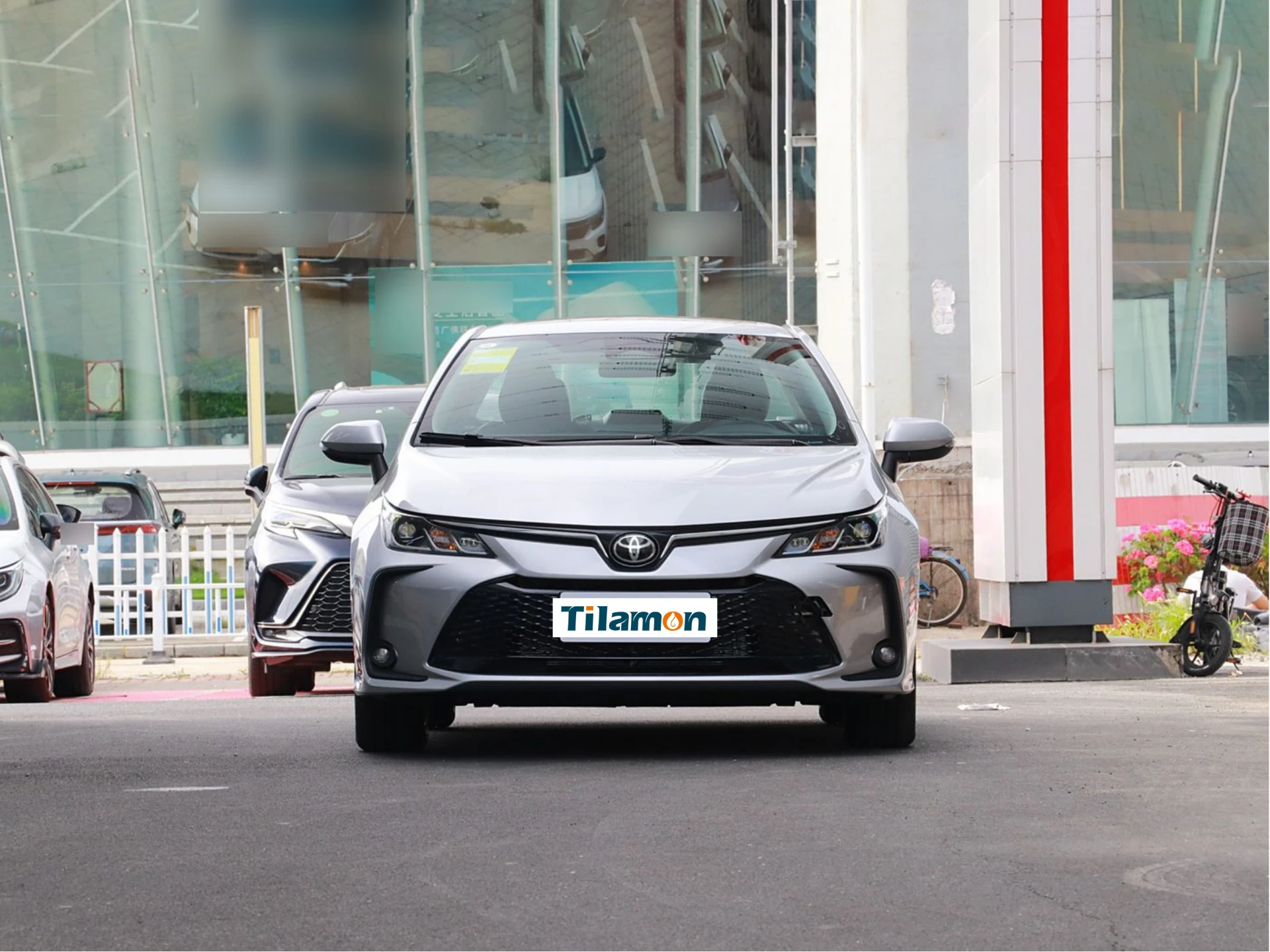
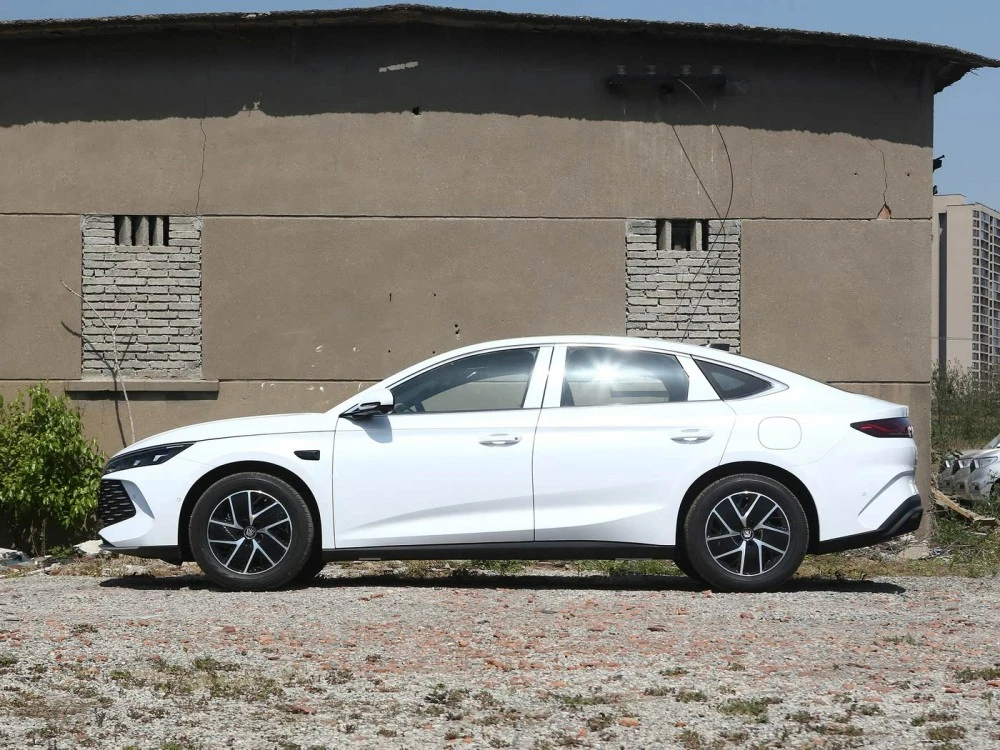
Understanding Cheap Second Hand Cars for Sale: What’s the Big Deal?
In a world where affordability, sustainability, and mobility intertwine, cheap second hand cars for sale offer more than just a way to get from A to B. They matter globally—not just for individuals but for entire communities, industries, even international organizations. Owning or accessing a reliable vehicle can mean the difference between opportunity and stagnation. But why exactly is this market so crucial, and what benefits come from truly understanding how these vehicles fit into today’s landscape?
Simply put, cheap second hand cars offer an entry point to independence, economic activity, and social inclusion. They’re often the first vehicle a family buys, the workhorse for small businesses, or the key to emergency relief logistics. In following sections, you’ll see how this market is more than just “used cars for sale” — it’s a dynamic ecosystem deeply connected with broader global trends.
The Global Context: Why Cheap Second Hand Cars Matter Worldwide
Globally, about 1.4 billion people don’t own cars, yet mobility is widely recognized by the United Nations as foundational to sustainable development goals (UN SDG 11 addresses sustainable cities and communities). According to the World Bank, emerging economies represent the fastest-growing markets for second hand vehicles, simply because new cars remain out of reach for most.
But there’s a tricky problem here. Often, the demand for affordable mobility clashes with concerns over urban pollution, vehicle safety standards, and durability. Countries importing cheap second hand cars grapple with balancing access and quality. Rarely is the solution as simple as “buying another car” — it’s about reliable, safe, and affordable mobility solutions.
Mini takeaway: The market for cheap second hand cars is not just about affordability; it’s a lifeline connecting millions worldwide to jobs, education, and essential services. Addressing its challenges means addressing deeper social and economic gaps.
What Do We Mean by Cheap Second Hand Cars for Sale?
In plain terms, cheap second hand cars for sale are pre-owned vehicles offered at prices significantly lower than new models — often due to age, mileage, condition, or market dynamics. These cars typically range from 5 to 15 years old and vary widely in quality, depending on sources like local used-car dealerships, auctions, or international imports.
But more than just a transaction, these cars represent:
- Mobility access for lower-income demographics
- Sustainability through vehicle reuse and extended lifecycle
- Economic opportunity for small-scale enterprises relying on transport
Industries from agriculture to logistics, public sectors like education and healthcare, and non-profits frequently turn to second hand vehicles to meet their operational needs without breaking budget.
Key Factors That Define the Value of Cheap Second Hand Cars
1. Durability and Reliability
While the price tag is attractive, the true value lies in how long and well the car runs. Many buyers look for vehicles with proven track records; for example, Japanese-made cars often top reliability charts even years later. Durability reduces ongoing maintenance, which can quickly eat into savings.
2. Safety Standards
The rise in imports from various countries means buyers must navigate vehicles built to different safety requirements. Some nations rigorously test used cars before resale; others rely on buyer discretion. This factor directly affects road safety in developing regions.
3. Fuel Efficiency
Fuel costs can rapidly outweigh purchase savings if the vehicle guzzles petrol or diesel. Economic second hand cars generally emphasize modest engines and straightforward mechanics, balancing performance with cost-efficiency.
4. Environmental Impact
It might surprise some, but extending a car's life lessens the carbon footprint compared to manufacturing a new one. That said, older models may lack modern emission controls — a challenge that’s prompting shifts toward hybrid and electric second hand alternatives.
5. Availability and Scalability
The market for cheap second hand cars is often more liquid than new car markets, especially in countries with strong used-car auctions or importing systems. Scalability refers to how many vehicles can be procured quickly if fleets need expansion.
6. Cost Efficiency
Beyond sticker price, factoring in insurance, taxes, repair, and resale value is essential. Sometimes a slightly more expensive used car with reliable parts availability is the smarter investment.
Mini takeaway: Not all cheap second hand cars are created equal — understanding these six factors helps buyers make smarter, longer-lasting choices.
Global Applications & Real-World Use Cases
It's fascinating how these vehicles fit into so many niches worldwide, from bustling urban centers to far-flung rural communities. Here are a few examples:
- Post-disaster relief: After natural disasters, NGOs often turn to cheap second hand vehicles to mobilize quickly, navigating rough terrain without the prolonged wait or cost of new trucks. A World Food Programme case study highlighted how used pickups reached remote villages much faster than expected.
- Africa’s growing gig economy: With limited public transport, motorcycles and cheap cars become the backbone for ride-hailing drivers and small traders across Nairobi, Lagos, and Accra.
- Rural agriculture: Farmers in Southeast Asia often use affordable pickups or vans to transport products to marketplaces, boosting incomes while minimizing upfront costs.
- Developed countries’ youth and students: In Europe and North America, cheap second hand cars serve students and young workers as practical first cars before upgrading.
Oddly enough, for many these vehicles are about far more than transport — they’re a stepping stone to independence.
Advantages & Long-Term Value of Choosing Second-Hand Cars
There’s a lot to appreciate here. Let’s break it down:
- Cost Efficiency: Buying used slashes depreciation costs and buffer expenses which new cars inevitably carry.
- Sustainability: Reusing cars delays demand for new manufacturing resources, keeping vehicles out of landfills longer.
- Social Impact: Affordable cars improve access to jobs, healthcare, and education — creating ripple effects through entire communities.
- Reliability: Proven models tend to keep running, and many mechanics specialize in common second hand car brands.
Plus, there’s an emotional angle: the pride of owning a car that’s “yours”, the dignity of mobility. Lots of people say how these vehicles become family heirlooms or the starting point of entrepreneurial ventures.
Spec Sheet: Typical Specifications for Popular Second Hand Cars
| Model |
Year Range |
Engine |
Fuel Type |
Mileage (km) |
Average Price ($) |
| Toyota Corolla |
2010-2016 |
1.8L I4 |
Petrol |
100,000-150,000 |
6,000 - 9,000 |
| Ford Fiesta |
2012-2017 |
1.0L EcoBoost |
Petrol |
80,000-120,000 |
5,000 - 7,500 |
| Hyundai Elantra |
2014-2018 |
2.0L I4 |
Petrol |
70,000-110,000 |
7,000 - 10,000 |
| Volkswagen Golf |
2011-2016 |
1.4L Turbo |
Petrol/Diesel |
90,000-140,000 |
6,500 - 9,500 |
Looking at the Market: Vendor Comparison
| Vendor |
Inventory Size |
Price Range |
Quality Guarantees |
Buying Options |
| Tilamon Cars |
200+ vehicles |
$3,000 - $15,000 |
3-month warranty, vehicle history reports |
Online purchase, home delivery |
| City Auto Mart |
150+ vehicles |
$2,500 - $12,000 |
Limited warranty, no-haggle pricing |
In-person purchase only |
| Global Motors |
300+ vehicles |
$4,000 - $20,000 |
Extended warranty options, certified pre-owned |
Online and showroom purchase |
Future Trends Transforming the Second Hand Car Market
Even cheap second hand vehicles are not immune to global innovations. From digital platforms like AI-driven vehicle assessments to blockchain-based ownership tracking, the buying and selling process is becoming more transparent.
Then there’s the green push. Hybrid and electric models are increasingly available second hand, offering environmental benefits that traditionally wouldn’t cross the “cheap” category. Battery refurbishing programs and local incentives will also transform cost and adoption curves over the next decade.
Automation might seem far off, but driver-assist features are appearing in used vehicles more often — so “second hand” isn’t so much old as “previously loved and increasingly smart”.
What Challenges Should Buyers and Sellers Know?
For all the promise, the market isn’t perfect:
- Quality inconsistency: Not all vendors rigorously inspect vehicles, leading to “hidden defects.”
- Regulatory hurdles: Import taxes, emissions standards, and paperwork often intimidate buyers.
- Financing limitations: Many financial institutions hesitate to loan for used cars or do so at higher interest rates.
Solutions? Growing online marketplaces have been key, offering transparent reviews and third-party inspections. Some countries are working on certification programs aligning with ISO standards for vehicle quality. Meanwhile, microfinance options tailored for buying second hand vehicles are expanding access.
FAQ: Your Top Questions About Cheap Second Hand Cars for Sale
- How can I tell if a cheap second hand car is reliable?
- Start with a detailed vehicle history report, an independent mechanical inspection, and reviewing common issues for the model. Trusted vendors often offer limited warranties or return policies. Looking for well-known models with a reputation for durability also helps.
- Is it worth buying imported used cars compared to local options?
- Imported vehicles can sometimes offer better quality or lower price points but may face tougher registration and maintenance challenges. Always consider local regulations, availability of spare parts, and specialist mechanics before deciding.
- What are the environmental implications of buying a cheap second hand car?
- Reusing vehicles reduces resource consumption compared to new production, which is good for the environment. However, older cars might have poorer emissions. Opting for newer used models or hybrids can balance cost and eco-friendliness.
- How can NGOs source cheap reliable vehicles for field operations?
- NGOs often partner with reputable dealerships offering fleet discounts and warranties. They also look at auction markets or lease-to-own programs. Checking for vehicles with off-road capabilities and easy maintenance is crucial for tough conditions.
Wrapping Up: The Real Value of Cheap Second Hand Cars for Sale
It’s easy to see these cars as just bargain machines, but they’re quietly changing lives—opening doors to education, jobs, and safer communities. Whether you’re a first-time buyer, a small business owner, or part of a humanitarian team, embracing the right cheap second hand car can be transformational.
Curious to explore your local options? Don’t miss out on the extensive inventory and trusted service at https://www.tilamoncars.com. Your next ride, life-shift, or livelihood booster might just be a click away.
References:
- United Nations Sustainable Development Goals: Cities
- World Bank: Motor Vehicle Ownership Data
- Wikipedia: Used Car Market