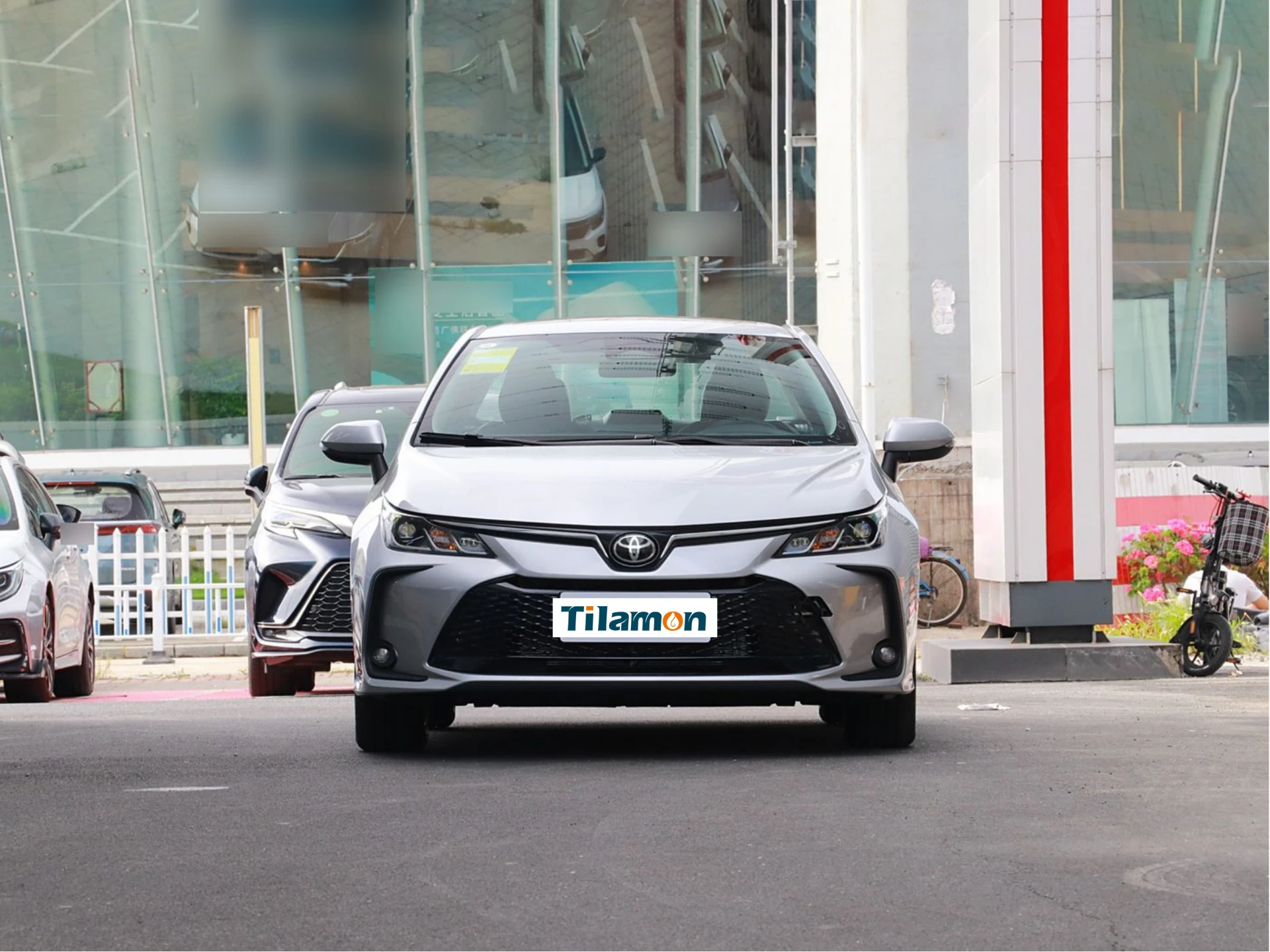
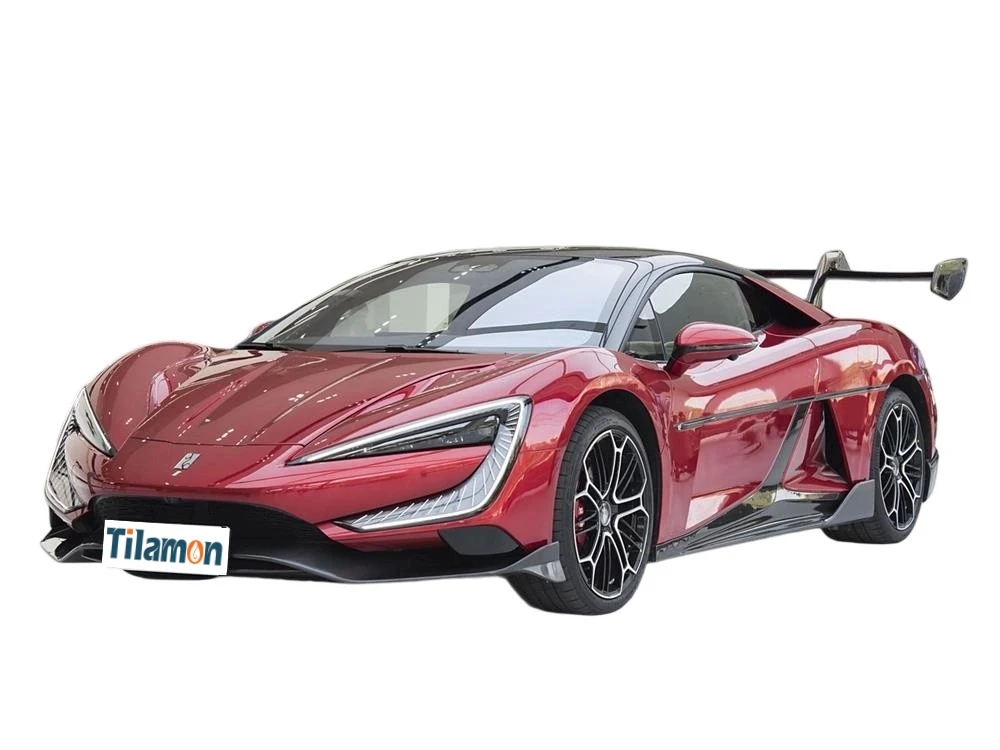
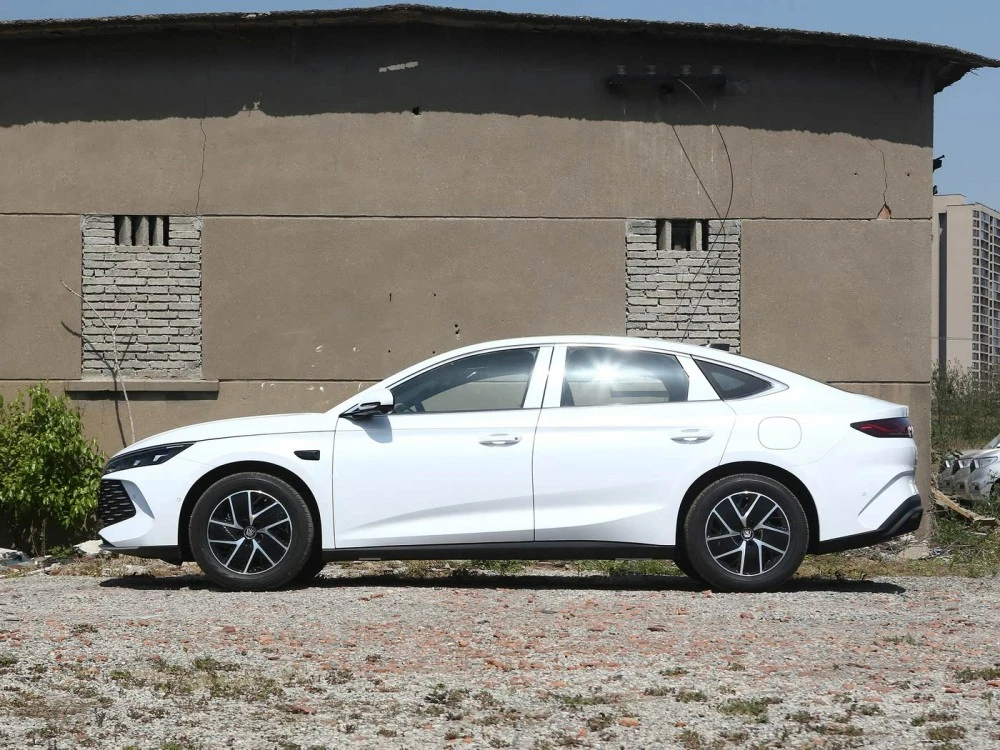
Understanding the Impact of a Car New Model in Today's Global Auto Industry
The automotive world never stays still. A car new model isn’t just about shiny new paint or an updated grille — it’s a complex symbol of evolving technology, consumer demand, and sustainability effort that echoes worldwide. Nowadays, launching a new vehicle isn’t merely about aesthetics or power but balancing eco-friendliness, connected features, and cost efficiency. Why should we care? Because cars influence economies, environments, and even how we interact daily on a global scale. From reducing carbon footprints to boosting safety standards, understanding a car new model offers critical insight for buyers, manufacturers, and policy makers alike.
The Global Ride: Why New Car Models Matter More Than Ever
According to the International Organization of Motor Vehicle Manufacturers (OICA), global car production surpassed 80 million units in recent years, reflecting a relentless pace of innovation. And with the United Nations pushing for climate-friendly mobility, new vehicle models aren’t simply about features but how they fit into a cleaner, digitized future. Yet the challenge remains: how to deliver vehicles that meet stricter emissions rules while still captivating users with design, performance, and price? That puzzle lies at the heart of every car new model launch.
For instance, in Europe and China, regulatory pressure and consumer demand accelerate electric and hybrid technology adoption, making new models more than just options — they’re essential for survival in a tough market.
What Exactly Is a "Car New Model"?
Simply put, a car new model is an automobile recently introduced or updated with design changes, technological improvements, or regulatory adaptations. This might include new engine types (think electric or hybrid), revamped interiors with smarter infotainment, safety advancements, or even structural improvements. It’s the industry's way to keep pace with evolving legal requirements, customer preferences, and tech trends.
Moreover, a car new model embodies a manufacturer’s response to humanitarian and environmental concerns. For example, electric vehicles reduce reliance on fossil fuels, helping combat air pollution in urban areas — which aligns with various international sustainability standards like ISO 14001.
Core Components of a Car New Model
1. Powertrain Innovations
The heart of a new car model often lies under the hood — or beneath the floor, if it’s electric. Manufacturers invest heavily in cleaner, more efficient engines and batteries. Things like turbocharged engines, hybrid systems, or fully electric setups redefine traditional drivetrains. Here, the goal is straightforward: improve fuel economy, reduce emissions, and maintain or enhance performance.
2. Safety Technology
Advanced driver-assistance systems (ADAS) like lane-keeping assist, adaptive cruise control, and collision warning have migrated from luxury vehicles to mainstream models. They exemplify innovation focused on reducing accidents and improving road safety.
3. Connectivity and Infotainment
Consumers increasingly demand seamless integration of smartphones, GPS, and voice-activated controls. Many new car models now come with touchscreens, apps support, and advanced telematics, blurring the line between car and mobile tech.
4. Sustainable Materials
From bio-based plastics to recycled fabrics, the materials used inside and outside contribute to a vehicle’s overall sustainability footprint. This is especially important for meeting stricter environmental standards and appealing to eco-conscious buyers.
5. Design Flexibility and Customization
New models are designed not only to look good but to offer modular components that can be customized — a reflection of modern consumer trends demanding personalization.
Mini Takeaway:
A car new model combines powertrain advances, safety, tech, sustainable materials, and customization — all working together to meet modern needs.
Global Applications and Real-World Use Cases
The drive for new car models benefits regions and sectors differently. For example, in North America, there’s a rising trend toward electric SUVs catering to families wanting space and sustainability. In contrast, Southeast Asia sees a surge in compact, fuel-efficient vehicles suited for congested cityscapes.
Consider the deployment of electric vehicles (EVs) in European cities aiming to reduce urban pollution. Municipal fleets adopting new models help set an example for individuals. Similarly, industries that rely on rugged terrain vehicles find new models with enhanced durability and off-road stability crucial — like mining operations in Australia or oil exploration in the Middle East.
Post-disaster relief also benefits. Imagine rapidly deployable emergency vehicles equipped with advanced communications, solar charging tech, and rugged performance — many new car models incorporate such features to assist humanitarian missions globally.
Car New Model Specifications Comparison
| Specification |
Model X (Gasoline) |
Model Y (Hybrid) |
Model Z (Electric) |
| Engine Power (HP) |
250 |
190 + Electric |
300 (Electric Motor) |
| Fuel Efficiency (MPG equivalent) |
28 |
52 |
110 MPGe |
| 0–60 mph (seconds) |
7.2 |
8.5 |
5.8 |
| CO₂ Emissions (g/km) |
180 |
95 |
0 |
| Safety Features |
Basic ADAS |
Advanced ADAS |
Comprehensive ADAS + Autopilot |
Vendor Comparison: Leading Manufacturers of Car New Models
| Brand |
Innovation Focus |
Pricing Segment |
Global Reach |
Sustainability Initiatives |
| Alpha Motors |
Electric and Autonomous Tech |
Premium |
North America, Europe, Asia |
Carbon Neutral by 2035 |
| Beta Auto |
Hybrid Efficiency & Safety |
Mid-range |
Global |
Recycled Materials Use |
| Gamma Vehicles |
Affordable EVs for Emerging Markets |
Entry-Level |
Asia, Africa, South America |
Battery Recycling Programs |
What Makes a Car New Model Truly Advantageous?
- Cost Efficiency: Newer models often include more fuel-efficient engines or electric powertrains, reducing long-term expenses.
- Improved Safety: Advanced safety features dramatically cut accident severity and fatalities.
- Environmental Benefits: Lower emissions and use of sustainable materials contribute to the global fight against climate change.
- Technological Edge: Integration of connectivity and driver assistance enhances convenience and user experience.
- Emotional Trust: Consumers often trust new models as indicators of cutting-edge quality and reliability.
Keeping an Eye Ahead: Future Trends in Car New Models
Frankly, the future looks electrified, digitized, and autonomous. Emerging battery chemistries promise faster charging and longer ranges, while AI integration suggests cars will understand and predict driver needs. Plus, circular economy principles push manufacturers to design vehicles for easier recycling and refurbishment, aligning with ISO standards on sustainability.
Governments worldwide are drafting policies to support zero-emission vehicles, boosting innovation further. That means next-generation models will likely blur traditional boundaries: you're not just buying a car but an integrated “mobility device” connected to smart city infrastructure. If you thought previous years were fast-paced in the auto world—well, buckle up.
Challenges Faced by New Car Models & Smart Solutions
Despite excitement, hurdles remain. High initial costs of electric models often deter average buyers. Battery disposal and raw material sourcing raise ethical concerns. Plus, uneven infrastructure for charging stations limits adoption in less developed regions. Manufacturers must balance innovation with affordability and ethics.
Solutions? Collaborative policies that subsidize green vehicles, investment in renewable materials, and modular design for long-term upgrades help address many issues. Also, flexible manufacturing allows adjustments based on regional needs—a crucial factor in global markets.
FAQ: Curious About Car New Models?
- Q: How does a new car model improve fuel efficiency compared to older ones?
- A: Advances in engine design, hybrid systems, and lighter materials all contribute. New models optimize combustion, reduce weight, and integrate electric assistance to boost miles per gallon significantly.
- Q: Are electric car new models really cost-effective in the long run?
- A: While upfront costs can be higher, savings on fuel, maintenance, and government incentives often make electric models cheaper over their lifetime.
- Q: What safety features should I expect in the latest car models?
- A: Expect lane assist, automatic emergency braking, adaptive cruise control, and increasingly, semi-autonomous driving capabilities.
- Q: How do environmental standards impact new car designs?
- A: Stricter emissions limits and sustainability guidelines push manufacturers to use cleaner powertrains and eco-friendly materials, influencing overall vehicle architecture.
- Q: Can I customize features in a car new model?
- A: Many brands now offer modular options — from interior trims to software packages — allowing buyers to personalize their vehicles extensively.
Final Thoughts and Next Steps
The launch and constant refinement of a car new model is pivotal, not just for the manufacturer, but for global sustainability, safety, and everyday mobility. Recognizing these vehicles as more than just machines but dynamic solutions to emerging societal needs provides us with a more nuanced perspective on what they represent.
Curious to explore the latest breakthroughs in automotive design and technology? Visit our car new model page for detailed insights and real-time updates on the future of driving.
References & Further Reading
- International Organization of Motor Vehicle Manufacturers (OICA)
- ISO 14001 Environmental Management Standards
- United Nations Framework Convention on Climate Change (UNFCCC)