Understanding China New Car: Why It Matters Globally
If you’ve been keeping an eye on the automotive world recently, you might have noticed a buzz around the term china new car. It’s more than just a geographic label; it’s a phenomenon reshaping how we think about global auto manufacturing and mobility access. China, as the world’s largest car producer and consumer, has steadily pushed the boundaries in electric vehicle (EV) tech, affordability, and market reach.
Why does this matter? Well, with rapidly evolving climates, urban sprawl, and shifting consumer demands, understanding the trajectory of China’s new car models offers insights into everything from sustainable transport to supply chain innovations. Plus, the ripple effect touches industries worldwide—making it a topic well worth unpacking.
Mini takeaway: China’s new car industry isn’t just about volume; it’s a bellwether for global automotive innovation, policy, and consumer trends.
The Global Context: China’s Automobile Market in Perspective
Globally, China dominates new car production and sales. As of 2023, it accounted for over 30% of annual global car output, embodying a mix of traditional combustion engines and an increasingly aggressive electric vehicle push (source: International Energy Agency). One challenge that’s emerged, though, is balancing rapid growth with sustainability. Heavy pollution, resource scarcity, and congested megacities have become pressing motivators for innovation and regulation.
But instead of dwelling purely on hurdles, many manufacturers see this as a chance to leapfrog older technologies. According to the China Association of Automobile Manufacturers (CAAM), electric and hybrid cars now represent nearly half of China’s new car sales in major urban centers. This shift aligns with worldwide goals set by the United Nations for carbon neutrality by mid-century.
Mini takeaway: China’s new car market mirrors both the challenge and promise faced globally—mass consumerism reimagined through clean tech and smarter integration.
What Is a China New Car, Exactly?
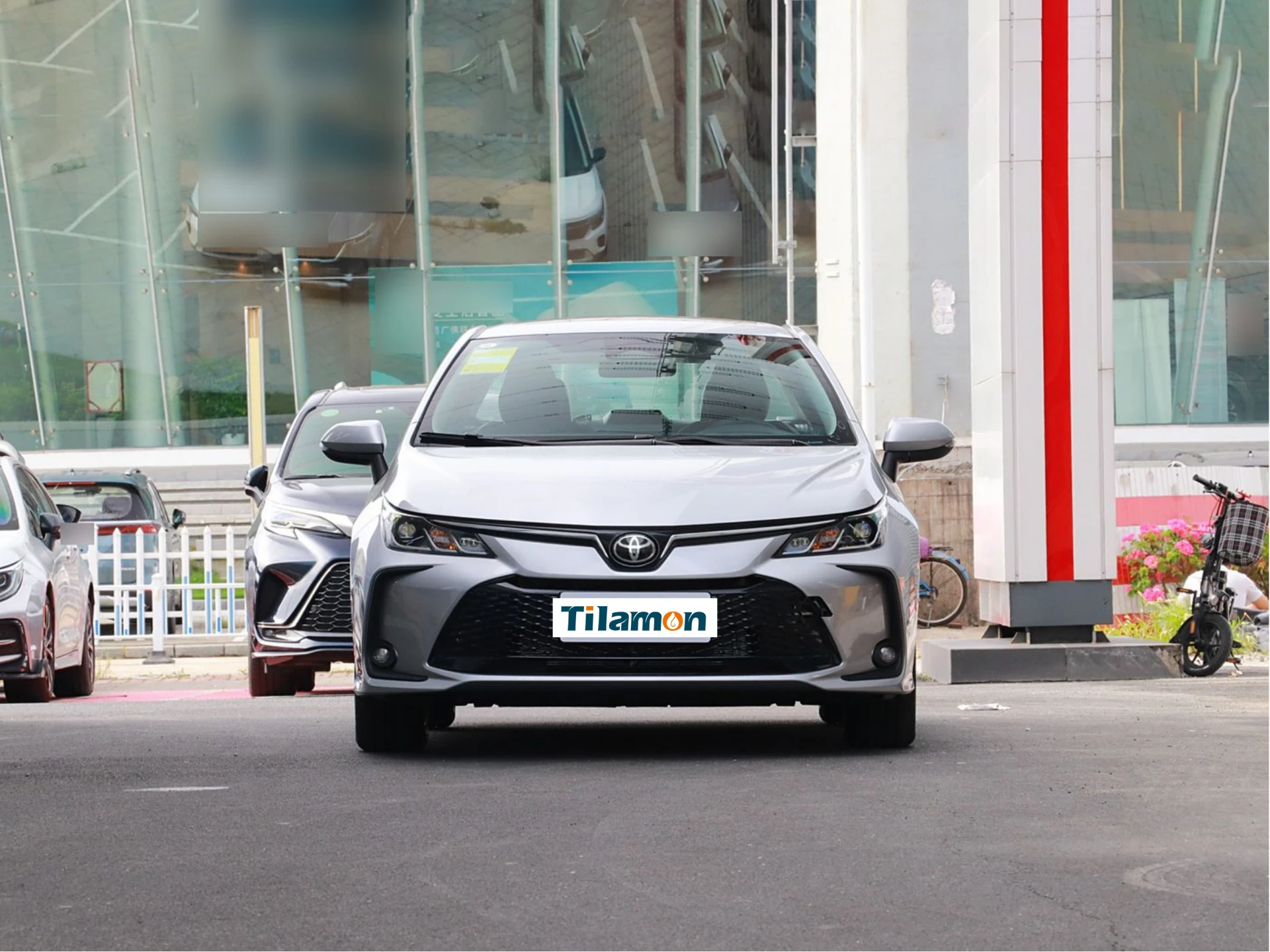
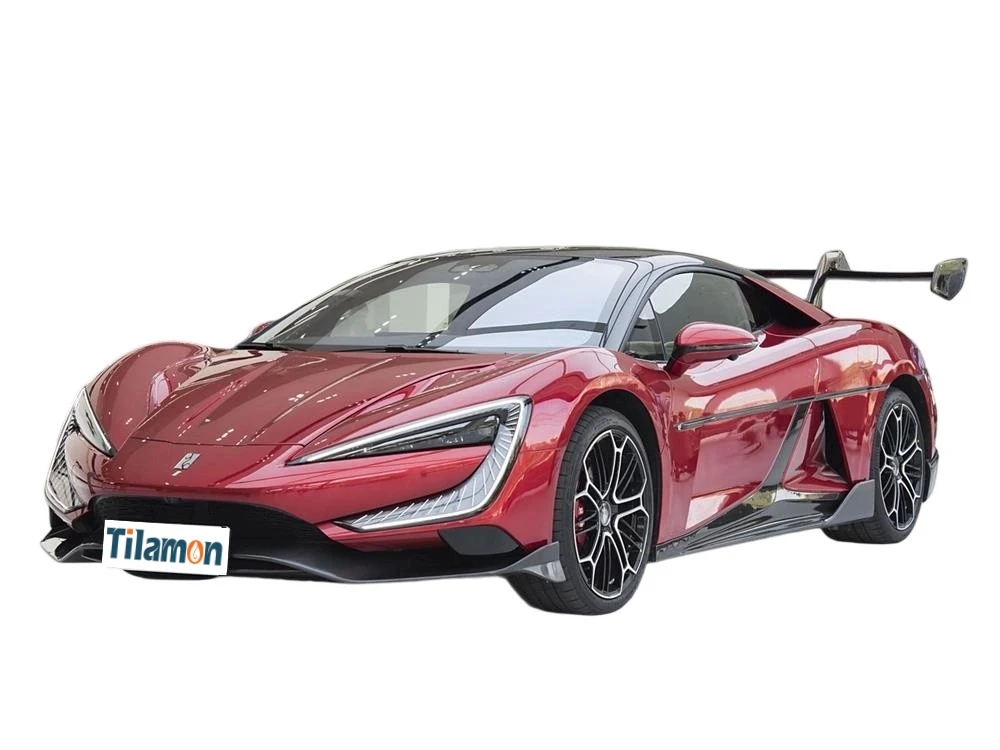
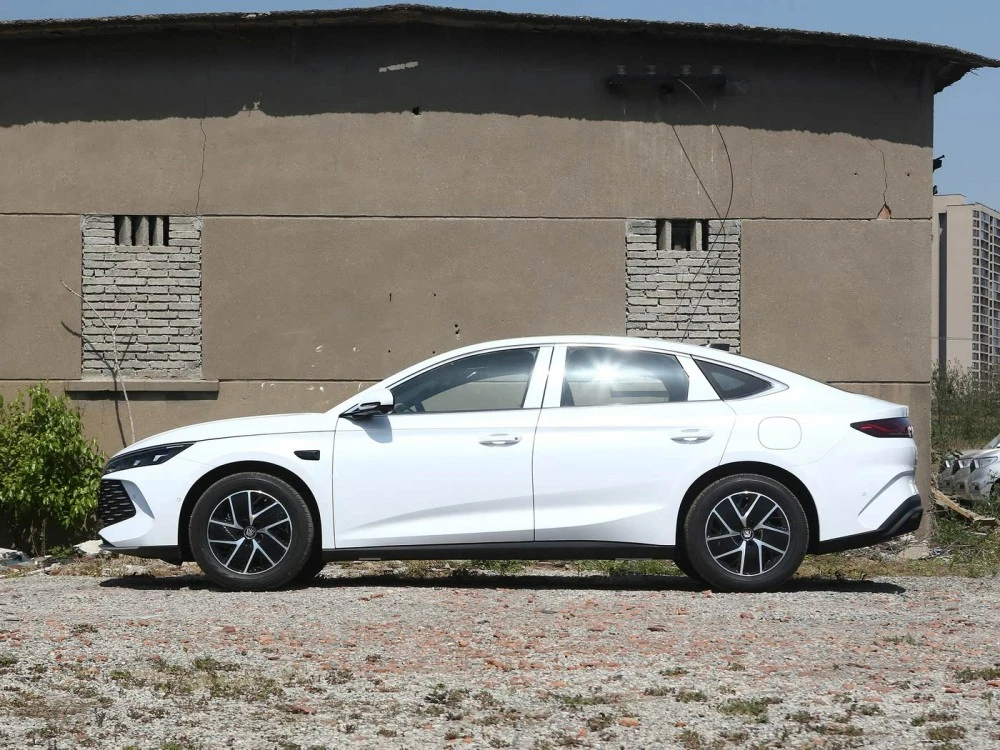
Put simply, “china new car” refers to any newly manufactured car model produced within China’s vast automotive sector—ranging from budget sedans to high-tech electric vehicles. More than just a badge, many of these vehicles symbolize a shift in how mobility is envisioned: affordable, efficient, and increasingly green.
These cars are connected intimately to modern industry goals. They’re not just transport means but nodes in smart city ecosystems, interfaces of digital dashboards, and even platforms for cutting-edge battery tech. Plus, with humanitarian needs growing worldwide—whether urban accessibility or disaster-response logistics—the china new car category expands its relevance beyond private ownership into fleet and service uses.
Core Components Defining China New Car Success
Durability and Reliability
Chinese automakers have upped their game on build quality and testing protocols recently. Many vehicles undergo stringent ISO-certified durability tests to withstand local road conditions. This bolsters user trust, especially in emerging markets.
Innovative Powertrains
Electric and hybrid systems are where the most significant leaps occur. Battery chemistries, fast charging, and energy management systems have improved drastically, putting many cars on par with or ahead of international counterparts.
Cost Efficiency
One big reason why China new cars are gaining traction globally? Competitive pricing without massively sacrificing quality. Thanks to economies of scale, modular designs, and integrated supply chains, these cars often offer features that used to be premium at accessible prices.
Smart Connectivity
Embedded IoT systems, infotainment, AI-driven safety assist, and vehicle-to-everything (V2X) communications bring Chinese cars into the smart mobility narrative — key if you’re thinking of cities gearing up for autonomous vehicle integration.
Environmental Performance
With government policies pushing EVs and stricter emission standards, many new cars emerging from China showcase reduced emissions and innovative recyclable materials.
Mini takeaway: Understanding these traits helps unpack why the china new car sector is more than a manufacturing hub — it’s a crucible of mobility’s future.
Global Applications & Real-World Use Cases
Interestingly, china new cars serve diverse roles worldwide:
- Urban commuting: In sprawling Chinese cities and crowded hubs like Delhi or Lagos, affordable EV models help tackle pollution and congestion.
- Ride-sharing fleets: Ride-hailing firms increasingly rely on china new cars, thanks to their cost efficiency and latest tech.
- Disaster relief and humanitarian aid: In rugged terrains, electric off-road variants and multi-purpose vehicles carry supplies where traditional fuels may be unavailable.
- Industrial zones & logistics: Chinese-made commercial EVs power intra-factory transport and port logistics reducing carbon footprints.
Example: In 2022, a pilot project in the Xinjiang region deployed electric vans from a China new car manufacturer to support remote health clinics, reducing local diesel use by 60%. It’s little stories like these that illustrate broader impact.
Advantages & Long-Term Value of China New Cars
From a business perspective, the advantages are straightforward — cost savings, greater access to modern safety features, and government incentives often accompany these purchases. But what’s often overlooked is the emotional reassurance these vehicles provide: safety features build trust, greener designs add a layer of social responsibility, and sleek designs inspire brand loyalty.
Plus, the long-term value lies not only in ownership costs but also in the resale market and compatibility with future smart infrastructure upgrades.
Product Specification Table: Example China New Car Model
| Specification |
Value |
| Model |
Xinrui EV-X |
| Drive Type |
Electric (Rear-Wheel Drive) |
| Battery Range |
450 km (WLTP) |
| Charging Time (Fast Charge) |
45 minutes (to 80%) |
| Safety Features |
ADAS, Lane Assist, Automatic Emergency Braking |
| Starting Price |
$19,500 USD |
Vendor Comparison: Popular China New Car Manufacturers
| Manufacturer |
Market Focus |
Flagship Model |
Strength |
Price Range |
| BYD Auto |
EV & Hybrid |
Han EV |
Battery tech, range |
$25,000 - $45,000 |
| NIO |
Premium EVs |
ES6 SUV |
Smart systems, battery swap |
$45,000 - $60,000 |
| Geely |
Traditional + EV |
Geometry A |
Hybrid options, affordability |
$15,000 - $30,000 |
Looking Ahead: Future Trends in China New Car Industry
The road ahead for China new cars is buzzing with tech optimism. Expect increased adoption of solid-state batteries, faster wireless charging systems, and AI-powered autonomous driving features. Another big theme is green policy alignment — more vehicles will use recycled materials, and manufacturers will optimize the entire supply chain for circular economy principles.
Digital transformation is accelerating, too, with vehicle software updates over-the-air (OTA) becoming standard practice rather than novelty. Plus, the convergence with 5G means richer V2X communication, improving road safety and reducing traffic jams.
Challenges & Solutions in China New Car Adoption
No story is complete without its hurdles. For china new cars, the main challenges include battery disposal concerns, regional infrastructure gaps (especially in rural areas), and public trust in new brands. However, many companies now focus on battery recycling programs and better service networks. Partnerships with city planners help integrate charging across wider geographies.
Innovative incentives, like swap-and-go battery stations and multi-modal urban transport integration, show promise too. It’s a sector learning fast—kind of exciting to watch.
Frequently Asked Questions About China New Car
- Q: Are China new cars reliable compared to established brands?
- A: Reliability has vastly improved over the last decade. Chinese manufacturers now follow strict international quality standards (ISO 9001) and often provide warranties comparable to global giants. Consumer reviews and third-party testing increasingly reflect solid performance, making them trustworthy choices.
- Q: How eco-friendly are electric vehicles from China?
- A: Most Chinese EVs prioritize sustainability with lower emissions during operation, use lithium iron phosphate (LFP) batteries with fewer scarce metals, and many makers support battery recycling programs—making them quite eco-friendly overall.
- Q: Can I buy a China new car outside of China?
- A: Yes, many Chinese brands have expanded internationally. Importing usually involves checking compliance with local regulations and customs. Some companies work with local dealerships or set up assembly plants to ease availability.
- Q: What features differentiate China new cars?
- A: They often combine competitive pricing with advanced features like smart connectivity, extensive safety tech, and efficient battery systems—sometimes leading the market in value-for-money ratio.
Wrapping Up: Why China New Car Could Be Your Next Smart Move
When you zoom out, the china new car story is about more than just vehicles: it’s about reshaping mobility sustainably and accessibly in a rapidly changing world. Whether you’re a fleet manager eyeing cost-efficient electric vans, an urban commuter seeking smart tech, or simply curious about the future of cars, these innovations are too significant to ignore.
If you want to explore the latest models and more about china new car trends, visit our website where we cover emerging releases and offer expert guidance.
References
- International Energy Agency (IEA) Global EV Outlook 2023
- Wikipedia: Automotive industry in China
- International Organization for Standardization (ISO)