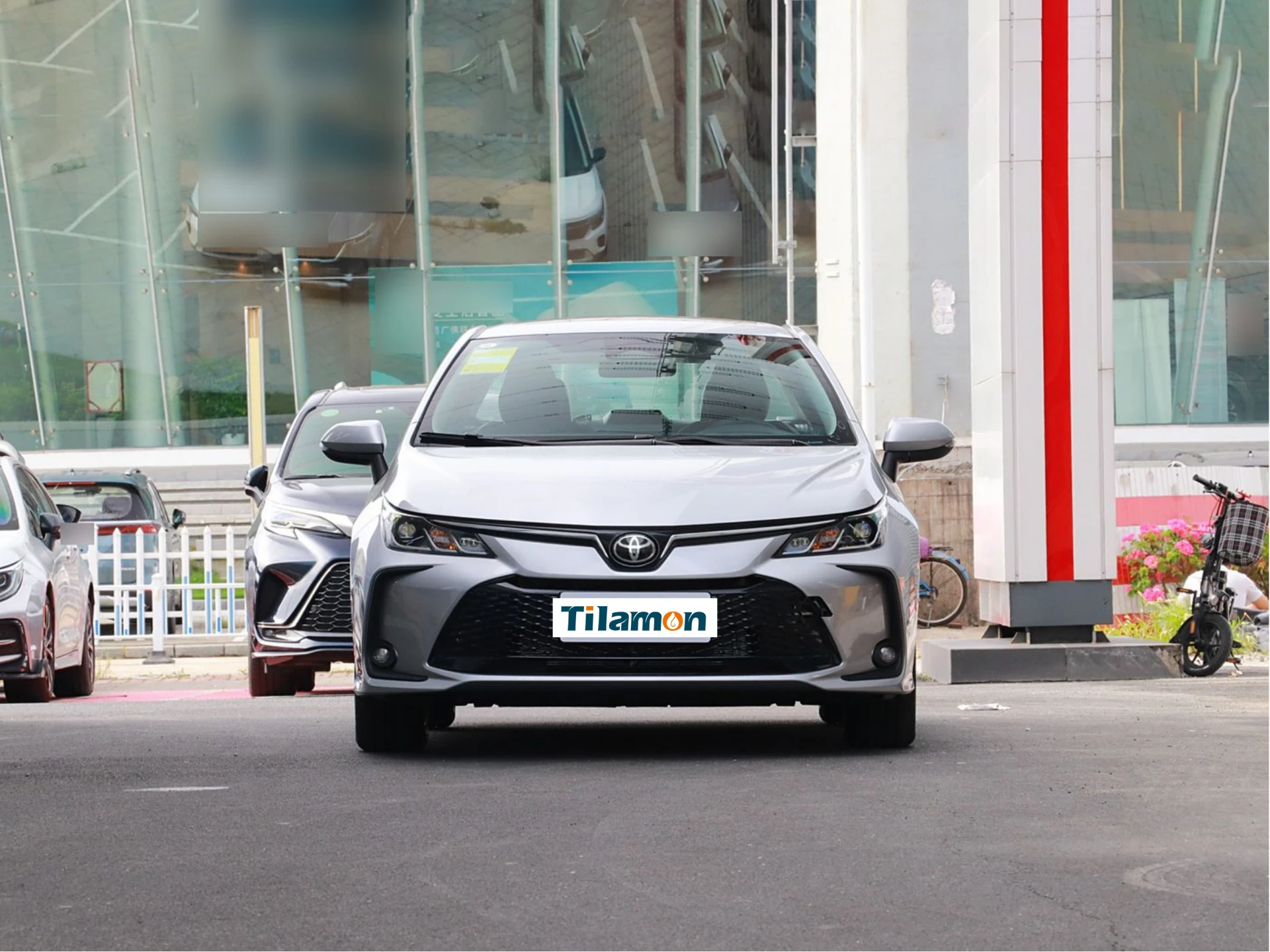
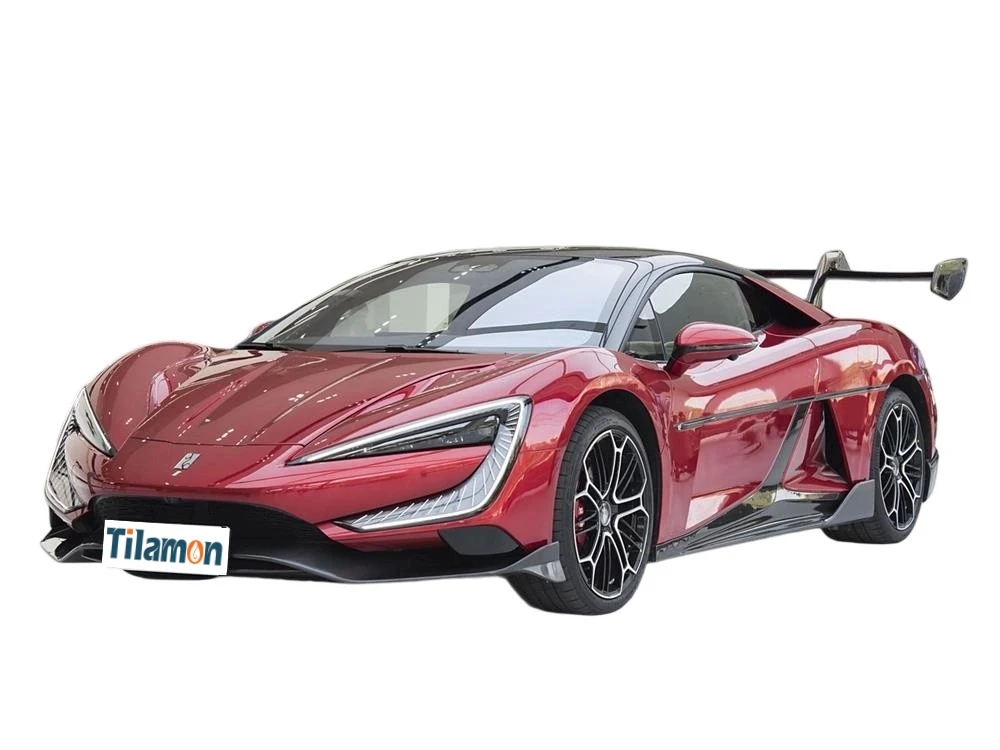
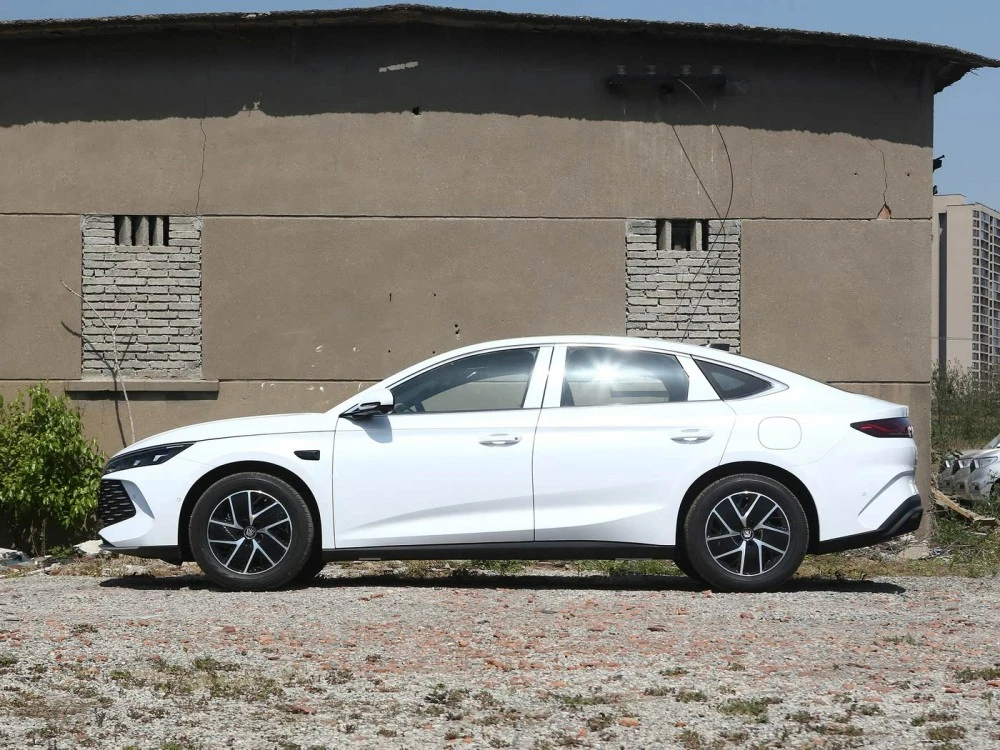
Why "OEM New Electric Cars" Matter in Today’s Auto Industry
If you've been paying attention to the automotive world lately, the phrase oem new electric cars probably rings a bell. But what exactly does it mean, and why is there such a buzz about it? Simply put, OEM (Original Equipment Manufacturer) new electric cars are factory-fresh electric vehicles built to precise manufacturer specs, not retrofitted or aftermarket conversions. This distinction matters more than you might think because it assures quality, reliability, and compatibility with current infrastructure.
Globally, the automotive market is undergoing a seismic shift toward electric mobility, driven by climate concerns, tightening emissions standards, and rising consumer demand for greener options. The UN Environment Programme reports that electric vehicle sales surged by over 40% in 2023, indicating this is not just a niche anymore but becoming mainstream. Understanding OEM new electric cars gives you insight into a critical piece of this transition, highlighting benefits like reduced emissions, lower operating costs, and enhanced driving experiences.
A Snapshot of the Global Landscape for Electric Cars
Now, let’s zoom out a little. Around the world, governments and industries are under pressure to meet net-zero emission targets, while consumers want vehicles that don’t compromise on style, performance, or tech. According to the International Energy Agency (IEA), nearly 10 million electric cars were sold worldwide in 2023 — and a big chunk of those are OEM new electric cars straight from factory lines.
But there are challenges. Charging infrastructure, battery supply chains, and affordability remain hurdles, especially in developing markets. OEMs are racing not just to build better electric cars but to ensure these vehicles fit real-world needs across diverse regions and climates. For many, this means creating solutions that balance innovation with cost-effectiveness — a subtle dance that's far from straightforward.
What Exactly Are OEM New Electric Cars?
So, to clear it up: an OEM new electric car is a brand new electric vehicle manufactured by the original company responsible for the design and assembly. That’s different from a third-party conversion or used EVs that might have altered parts. OEMs have the expertise and manufacturing scale to deliver vehicles that meet strict international standards for safety, durability, and performance.
In practical terms, this means buyers get the latest battery technology, software updates, and warranties, plus a service network designed specifically for that model. It's the automotive industry’s way of ensuring trust and consistency, while also driving innovation in electric mobility.
Core Aspects That Define OEM New Electric Cars
1. Battery Technology and Range
The battery is the heart of any electric vehicle. OEMs invest heavily in improving energy density and charging speed. It’s no surprise that newer models often boast significantly longer ranges than their predecessors — something that directly impacts day-to-day convenience.
2. Manufacturing Precision and Material Quality
OEM new electric cars benefit from precise assembly lines and rigorous quality checks. Manufacturers use advanced materials — lighter alloys, reinforced composites — which improve efficiency and safety without hiking costs too much.
3. Integrated Software and Infotainment
Electric vehicles today come packed with software for everything from battery management to driver assistance. OEMs develop systems that seamlessly update and interact with vehicle diagnostics, offering peace of mind and a sense of connectedness.
4. Charging Compatibility and Infrastructure Support
One big pain point with EVs is charging. OEM new electric cars usually support multiple fast-charging standards (like CCS or CHAdeMO), making them versatile for global markets. Manufacturers often collaborate on expanding compatible infrastructure, which helps overcome urban and rural charging gaps.
5. Environmental and Regulatory Compliance
OEM vehicles must comply with strict emission and safety regulations. That often means engineering cars with recyclable components and minimizing the environmental footprint across the supply chain — an increasingly critical factor for consumers and regulators.
6. Cost Efficiency and Incentives
While EVs can have higher upfront costs, many OEMs optimize production to bring prices down. Government incentives also tip the scale for buyers, creating a growing market motivation toward OEM new electric cars.
Mini takeaway: These core factors aren't just specs on paper — they translate into real-world benefits like longer drives, safer rides, and better tech experiences.
Real-World Applications of OEM New Electric Cars
OEM new electric cars are surfacing everywhere, from bustling cities where commutes demand zero-emission vehicles to industrial zones adopting EV fleets for logistics. In Europe, cities like Oslo and Amsterdam have embraced electric cars as standard daily transport, drastically cutting pollution. Meanwhile, firms in China are investing heavily in electric delivery vans and taxis that are OEM-built for durability and long service life.
Additionally, NGOs working in remote or post-disaster zones find OEM electric vehicles handy for their low operating costs and silent operation — a surprising but meaningful application beyond private ownership. Public transit agencies in North America are also pivoting to OEM electric buses and shuttles as part of cleaner transport strategies.
Advantages and Long-Term Value
- Economic Savings: Reduced fuel and maintenance costs add up over the years.
- Sustainability: Less greenhouse gas emissions support climate goals.
- User Experience: Smooth, quiet drives with advanced infotainment.
- Reliability: OEM vehicles come with warranties and trusted service networks.
- Social Impact: Driving cleaner cars fosters community health improvements.
Frankly, buying an OEM new electric car today feels like an investment that extends beyond your garage. It’s buying into a future where mobility is cleaner, smarter, and more accessible — all while saving money and boosting your driving pleasure.
Product Specification Table for a Popular OEM New Electric Car Model
| Specification |
Model Z EV 2024 |
| Battery Capacity |
75 kWh |
| Range (WLTP) |
420 km (260 miles) |
| Charging Time (80%) |
30 minutes (fast charger) |
| Power Output |
150 kW (201 hp) |
| 0-100 km/h |
7.5 seconds |
| Infotainment |
12” Touchscreen, OTA updates |
| Warranty |
8 years / 160,000 km |
Comparing Major OEM Vendors of New Electric Cars
| Vendor |
Range |
Price Range (USD) |
Charging Network |
Technology Focus |
| AutoVolt |
300–450 km |
$40,000–$60,000 |
Global fast chargers |
Battery efficiency & safety |
| GreenRide Motors |
350–500 km |
$45,000–$70,000 |
Regional fast chargers |
Autonomous driving tech |
| NovaElectro |
280–420 km |
$35,000–$55,000 |
Expanding public chargers |
Sustainable materials & design |
Emerging Trends Shaping the Future of OEM New Electric Cars
It’s an exciting moment because the rapid pace of innovation means OEM new electric cars are evolving faster than most realize. Some promising trends include:
- Solid-state batteries: These could significantly boost range and charging speed while reducing costs.
- Vehicle-to-Grid (V2G) integration: Cars that can supply power back to the grid during peak demand.
- Lightweight construction: Using advanced composites to improve efficiency.
- Digital twin technology: Manufacturers simulate and optimize vehicles digitally to reduce physical prototypes and accelerate development.
- Eco-friendly certifications: Increasing demands for lifecycle sustainability assessments across the supply chain.
Oddly enough, this tech progression sometimes makes me think of phones: how every year the new model comes out, promising more — but here, with OEM electric cars, the stakes feel bigger since it’s tied to climate and mobility justice.
Obstacles and How the Industry is Tackling Them
Despite glimmers of hope, hurdles remain. Battery raw material scarcity creates bottlenecks, and the cost of EVs still isn’t affordable for everyone. Additionally, charging infrastructure outside urban pockets is sparse. However, the industry is responding with:
- Recycling programs: To reduce dependence on virgin materials, several OEMs now recover used batteries.
- Modular battery packs: Allowing easier upgrades and second-life uses.
- Partnerships for infrastructure: OEM collaborations with governments and private firms to expand charging networks.
Consumers also have more choices now, with used OEM electric cars entering markets, backed by verified certifications. That said, skepticism about range or reliability is often overcome after a test drive or peer recommendation, so education still plays a role.
Frequently Asked Questions About OEM New Electric Cars
- 1. Are OEM new electric cars more reliable than converted EVs?
- Generally yes. OEM new electric cars are designed and tested as electric from the ground up, ensuring better integration of components and warranty coverage. Conversions may suit some purposes but lack that formal quality assurance.
- 2. How long does the battery last and what happens after?
- Batteries typically have 8–10 years or 150,000–200,000 km warranties. Afterward, many are refurbished for second-life applications like home energy storage, helping reduce environmental impact.
- 3. Can I charge an OEM new electric car at home safely?
- Yes, most come with onboard chargers compatible with regular home outlets. For faster charging, installing a Level 2 charger is ideal and widely recommended by manufacturers.
- 4. Are OEM new electric cars eligible for government incentives?
- Most countries support OEM electric vehicles via tax credits, rebates, or reduced registration fees. Always check local policies as incentives can vary widely.
- 5. How can I ensure I’m buying a genuine OEM new electric car?
- Purchase from authorized dealerships or directly from manufacturer websites. Beware of unofficial imports or second-hand sales without proper history and certification.
Final Thoughts & Next Steps
The evolution of oem new electric cars isn’t just a tech upgrade; it’s a pivotal shift toward a cleaner, smarter automotive future. Long after the buzz dies down, these vehicles will continue to deliver environmental, economic, and social value. So if you’re considering a new ride, stepping into an OEM electric car can feel like joining a movement that’s about more than just getting from point A to B.
For those curious to explore selections, specs, and latest models, a good place to start is always through trusted sources — like reading up on offerings from top OEMs or checking innovations online at oem new electric cars.
References
- International Energy Agency (IEA), Global EV Outlook 2023
- Wikipedia: Electric Vehicle
- UN Environment Programme - Emissions Gap Report 2023