GET IN TOUCH

27 February 2026
Navigating the used car market can be daunting, especially when trying to determine a fair second hand passenger auto price. Numerous factors influence the value of a vehicle, from its age and mileage to its condition and market demand. This guide provides comprehensive information to help you understand these factors, research prices effectively, and ultimately, secure the best deal. At Tilamon Cars, we specialize in providing quality used vehicles and transparent pricing. We aim to empower you with the knowledge to make informed decisions.

Several key factors determine the price of a used passenger auto. The most significant include the make and model of the car – some brands and models hold their value better than others. Mileage is a crucial indicator of wear and tear; lower mileage generally translates to a higher price. The condition of the vehicle, assessed through a thorough inspection, plays a vital role, with well-maintained cars commanding premium prices. Age is also a major factor, with newer vehicles typically being more expensive. Market demand, fuel efficiency, and accident history significantly impact price. Finally, the location where the car is being sold can influence the price based on local market conditions.
Accurate price research is essential. Begin by utilizing online valuation tools like Kelley Blue Book (KBB), Edmunds, and NADAguides. These sites provide estimated values based on vehicle details. Explore online marketplaces like Tilamon Cars, AutoTrader, and Craigslist to compare listings for similar vehicles in your area. Pay attention to the details provided in the listings, including mileage, condition, and features. Consider checking auction sites, but be aware of potential risks. Cross-reference information from multiple sources to get a comprehensive understanding of the market value.
Key Research Tip: Don't rely on just one source. Combine data from valuation tools, online marketplaces, and local dealer websites for the most accurate assessment.
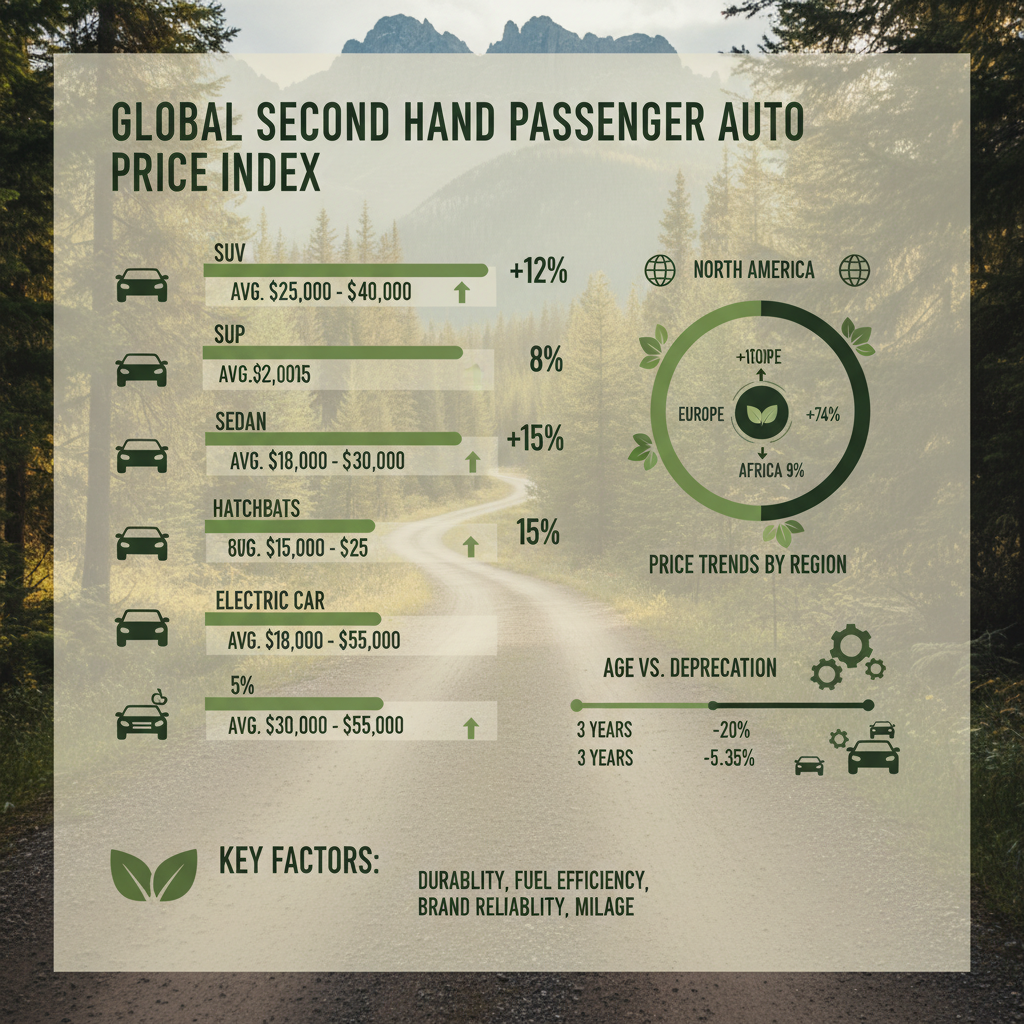
The second hand passenger auto price varies significantly depending on the model. Here's a comparison of average prices (as of late 2023/early 2024) for some popular options:
Once you've identified a vehicle you're interested in, negotiation is key. Be polite but firm, and always be prepared to walk away. Point out any flaws or necessary repairs identified during your inspection. Research the seller – a private seller might be more flexible than a dealership. Don't be afraid to make a lower offer, but ensure it's reasonable based on your research. Utilize any available leverage, such as financing options or trade-in vehicles. Remember, knowledge is power – the more you know about the vehicle and the market, the better equipped you are to negotiate a fair price. Tilamon Cars offers transparent pricing and a hassle-free negotiation experience.
Before completing your purchase, conduct a pre-purchase inspection by a trusted mechanic. This can reveal hidden issues that may not be apparent during a visual inspection. Verify the vehicle's history report (Carfax or AutoCheck) to check for accidents, title issues, and odometer discrepancies. Ensure all paperwork, including the title and bill of sale, is accurate and complete. Finally, arrange for appropriate insurance coverage before driving the vehicle off the lot.
Finding the right second hand passenger auto price requires diligent research, careful inspection, and confident negotiation. By following the steps outlined in this guide, you can increase your chances of securing a reliable vehicle at a fair price. At Tilamon Cars, we are committed to providing a seamless and transparent used car buying experience.
A 'fair' price is one that reflects the vehicle's condition, mileage, age, make and model, and current market demand. It's crucial to compare prices from multiple sources – online valuation tools, dealerships, and private sellers – to establish a reasonable range. Be prepared to negotiate based on the vehicle's strengths and weaknesses. A fair price isn't necessarily the lowest price, but one that represents good value for both the buyer and seller. Don't be afraid to walk away if the seller isn't willing to meet a reasonable offer.
Whether or not to finance a used car depends on your financial situation. If you have the cash available, paying outright is often the best option, as you avoid interest charges. However, financing can make a more expensive vehicle accessible. Shop around for the best interest rates and loan terms. Be mindful of the total cost of the loan, including interest and fees. Consider your budget and ensure you can comfortably afford the monthly payments.
A vehicle history report, such as Carfax or AutoCheck, provides valuable information about a car's past. It can reveal accident history, title issues (like salvage or flood damage), odometer readings, and service records. This information helps you assess the vehicle's overall condition and potential risks. Always review a vehicle history report before making a purchase.
A pre-purchase inspection should cover the engine, transmission, brakes, suspension, steering, tires, and overall mechanical condition. The mechanic should also check for any signs of body damage or corrosion. It's important to address any identified issues before finalizing the purchase. A pre-purchase inspection can save you from costly repairs down the road.