Why Selling Your Second Hand Car Matters Globally
In an age where sustainability and cost-effectiveness are increasingly central, the concept of selling a second hand car is no longer just a personal transaction—it’s become a global movement toward resource efficiency. Nearly 40 million used cars are sold annually in the US alone, and across global markets, this figure grows exponentially.
Understanding how to sell second hand cars efficiently benefits individual sellers, the environment, and even entire economies. It reduces waste, addresses affordability challenges for low-income buyers, and plays a vibrant role in global trade. Sure, it might sound straightforward: you want to sell your old ride, right? But once you dig into the data and the broader impact, it’s clear this is a pretty big deal.
Mini Takeaway: Selling second hand cars helps reduce waste and supports millions worldwide in accessing affordable transportation.
Sell Second Hand Car: A Global Perspective
The used vehicle market is one of the largest sectors worldwide. In countries like India and Nigeria, the market growth rates for second hand cars are outpacing new car sales. According to the International Organization of Motor Vehicle Manufacturers (OICA), used vehicles constitute more than 60% of registered vehicles in many emerging economies.
However, challenges remain. Fraudulent listings, unclear ownership histories, and fluctuating market demands make buying and selling used cars daunting for many. This is precisely why knowing how to sell second hand car effectively can make or break your experience as a seller or buyer. As cities grow congested, and countries aim to reduce emissions, many governments have also introduced stricter regulations influencing the sale of used vehicles.
Mini Takeaway: The second hand car market is booming worldwide but requires transparency and knowledge to navigate successfully.
What Does It Mean to Sell a Second Hand Car?
Simply put, selling a second hand car involves transferring ownership of a previously owned vehicle from one individual or organization to another. It relies on legal processes—transfer of title, inspection, and often certification. It’s a cornerstone of modern transportation economies and even humanitarian logistics.
For instance, NGOs sometimes rely on second hand vehicles to reduce costs while ensuring reliable transport in disaster or development zones. “Selling second hand cars” isn’t just about used rides; it’s about sustainable reuse, economic pragmatism, and often, trust between strangers.
Mini Takeaway: Selling a used car transfers ownership, sustainability, and often, opportunity.
Key Factors When Selling Your Second Hand Car
1. Condition & Durability
Condition is king. Sellers who ensure proper maintenance, clean records, and timely repairs get better value. Buyers want durable cars that won’t turn into a roadside headache after a week.
2. Price Transparency & Market Research
Knowing the right market price — considering brand, model year, mileage, and local demand — strikes the perfect balance. Overpricing turns away buyers; underpricing costs you money.
3. Documentation & Legal Compliance
Clear ownership papers, accident history, and emissions certifications build trust. In many countries, incomplete paperwork can void sales.
4. Presentation & Marketing
High-quality photos, honest descriptions, and promotional platforms (online classifieds or auctions) increase visibility and reach.
5. Negotiation Skills
It’s almost part art, part science. Being prepared to answer questions and show proof of recent inspections can dramatically improve your selling experience.
Mini Takeaway: Selling a second hand car well depends on condition, paperwork, fair pricing, and savvy marketing.
How Selling Second Hand Cars Works Around the World
The approach to selling used cars varies immensely. In Japan, for example, rigorous vehicle inspections coupled with strict emissions rules create one of the world's most trustworthy used car markets. In contrast, parts of Africa rely heavily on informal markets where personal trust networks rule.
In post-disaster zones—say after a cyclone or earthquake—selling second hand cars fast to NGOs or relief agencies can provide crucial logistics solutions. And in remote industrial zones, reliable second hand trucks often enable transportation where new vehicles are costly or unavailable.
Mini Takeaway: Regional differences influence the second hand car market, but the core value lies in accessibility and reliability.
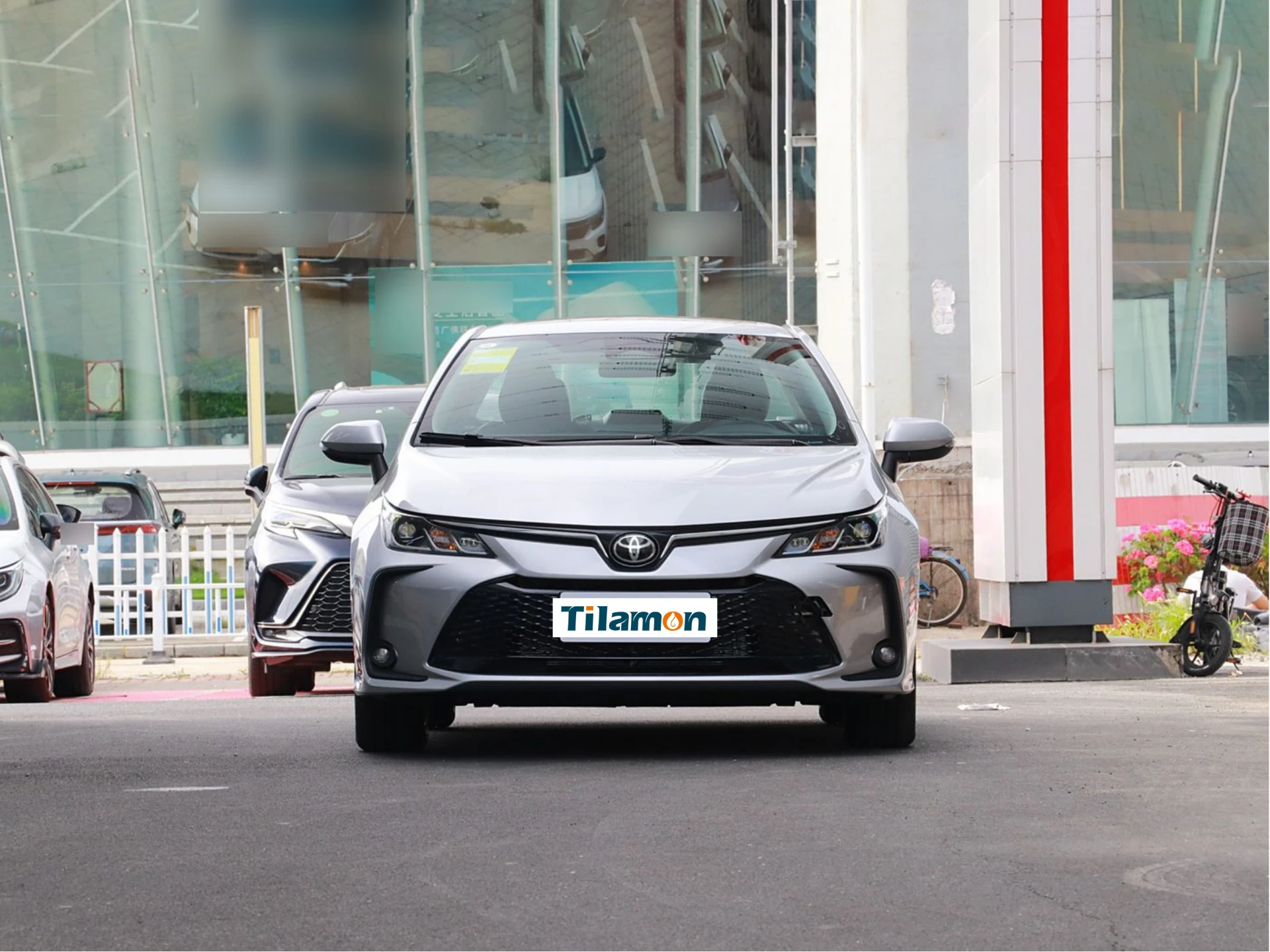
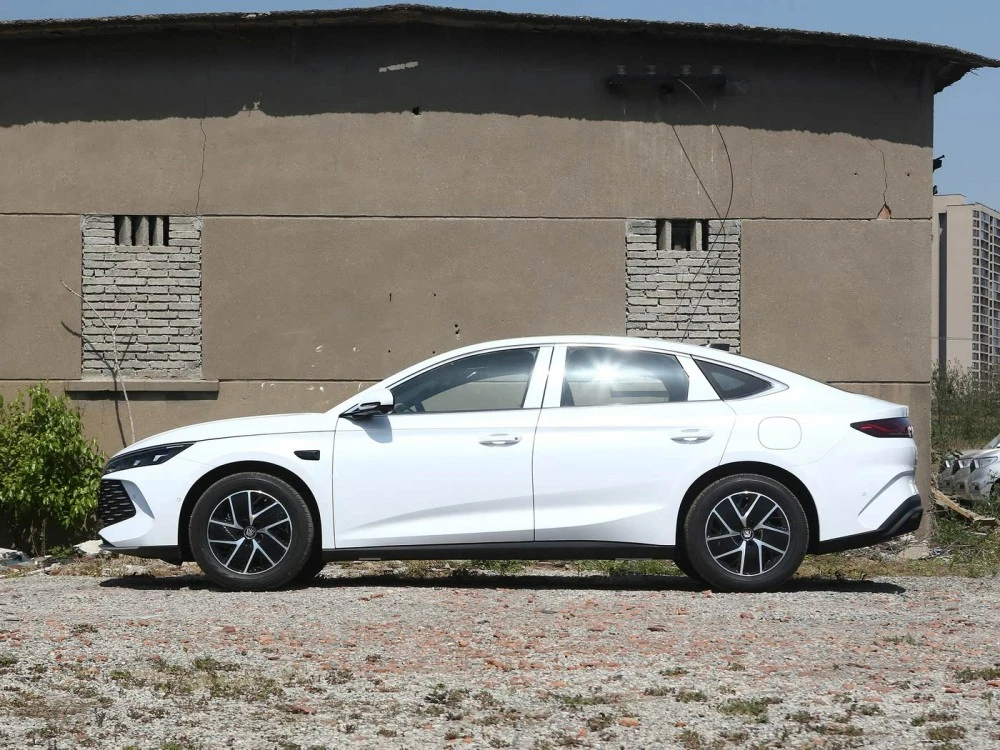
Typical Specification of a Second Hand Sedan (Mid-range)
| Specification |
Details |
| Age |
3-7 Years |
| Mileage |
40,000-80,000 miles |
| Fuel Type |
Petrol / Diesel |
| Transmission |
Automatic / Manual |
| Typical Price Range |
$7,000 - $15,000 |
| Common Brands |
Toyota, Honda, Ford, Volkswagen |
The Advantages of Selling a Second Hand Car
From an economic standpoint, selling your used vehicle quickly frees capital — money you can put toward something new or more urgent. Environmentally, extending vehicle life reduces manufacturing emissions overall.
Socially, it enables wider car access. For many younger or lower-income buyers, the used car market is the gateway to mobility independence. Emotionally, there’s satisfaction in knowing your vehicle can serve another person or family, rather than just gathering dust in a driveway.
Mini Takeaway: The benefits are threefold: financial, ecological, and social.
Future Trends: Where Selling Second Hand Cars is Headed
Interestingly enough, digitization is revolutionizing how we sell second hand cars. AI-powered valuation tools, blockchain-based ownership records, and online auctions streamline transactions.
Green policies also push for more electric used cars entering the market, and vehicle-to-grid tech could mean these cars one day will be mobile energy storage hubs. The future is adaptive, with sustainability and trust at its core.
Mini Takeaway: Technology and sustainability will shape the next decade of used car sales.
Common Challenges and Smart Solutions
Of course, selling a used car isn’t perfect. Common headaches include low buyer trust, tricky paperwork, and fluctuating prices. Oddly enough, the solution often lies in transparency: provide full service records, maybe get a third-party inspection, and use reputable platforms.
Also, sellers must keep up with ever-changing local laws on emissions and ownership transfers—failure here leads to delays or even penalties. It’s worth consulting a professional or exploring online guides to smooth the process.
Mini Takeaway: Overcoming trust and legal hurdles requires preparation and clear communication.
Vendor Comparison: Leading Platforms for Selling Used Cars
| Platform |
Listing Fees |
Buyer Reach |
Verification Services |
User Ratings (out of 5) |
| AutoTrader |
$25 per listing |
High (US, UK) |
Yes |
4.5 |
| CarGurus |
Free basic
$50 for premium |
Very High (US) |
Yes |
4.2 |
| Facebook Marketplace |
Free |
Moderate (localized) |
No (relies on user honesty) |
3.8 |
| eBay Motors |
$20 + 5% sale fee |
International |
Yes, but variable |
4.0 |
FAQ: What People Commonly Ask About Selling Second Hand Cars
Q1: How do I determine the best price to sell my second hand car?
Start by checking similar listings online and consulting pricing guides like Kelley Blue Book or Edmunds. Factor in your car’s condition, mileage, and market demand. Pricing fairly attracts serious buyers quickly.
Q2: Should I sell directly or use a dealership?
Direct sales often fetch a higher price, but dealerships offer convenience and faster transactions. If you value speed over maximum gain, the dealer route might suit you better.
Q3: What documents do I need to sell my used car?
Generally, you’ll need the vehicle’s registration certificate, title or ownership document, recent maintenance records, and a bill of sale. Requirements differ by country — always check local laws.
Q4: Can I sell my second hand car if it has outstanding finance?
You usually cannot legally sell a vehicle with unresolved loans without paying them off first. Clearing finance ensures a smooth transfer of ownership.
Q5: How can I protect myself from scams when selling my car online?
Use verified platforms, meet buyers in safe public places, and avoid accepting unusual payment methods. Request secure funds clearance before handing over keys.
Wrapping Up: Why It’s Worth to Sell Second Hand Cars Thoughtfully
All told, selling a second hand car is more than a transaction: it’s a small act of sustainable stewardship, an economic necessity, and often an emotional milestone. Whether you’re a first-time seller or a seasoned one, embracing transparency and modern tools can transform your experience.
For anyone ready to sell second hand car with ease and confidence, plenty of resources await you. Remember: your car’s journey doesn’t end when you sell it—it just changes roads.
References
- Wikipedia: Used Vehicle
- OICA: International Organisation of Motor Vehicle Manufacturers
- ISO Vehicle standards overview