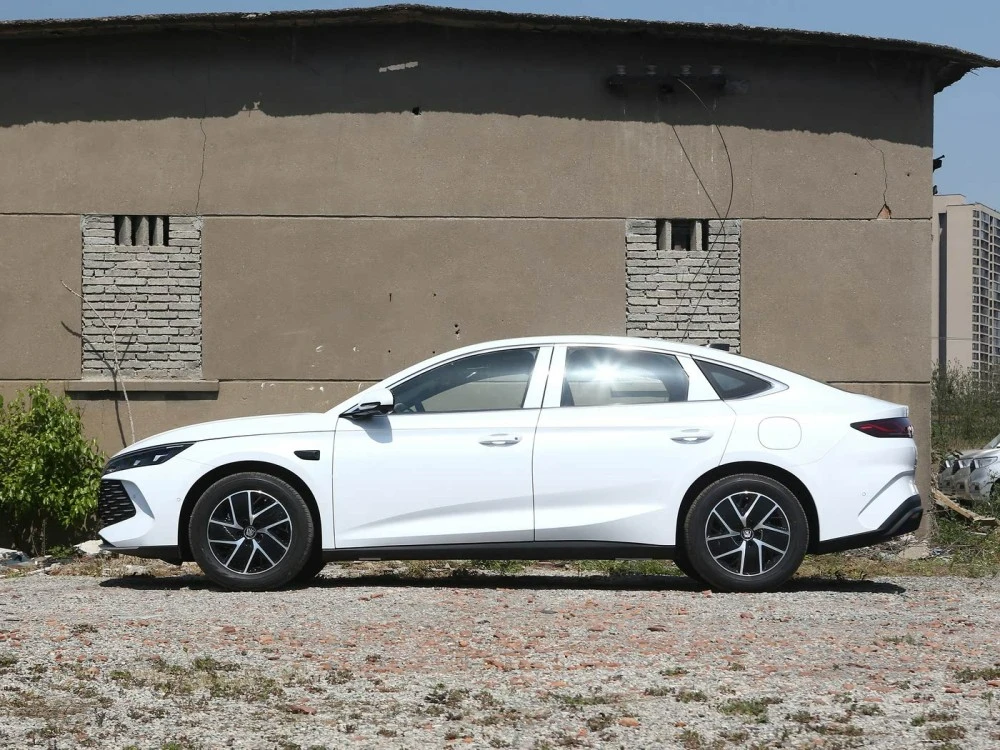
Understanding Hybrid Electric SUVs: Why They Matter Globally
If you’ve recently trended down the automotive aisle, chances are you’ve heard the buzz around hybrid electric SUVs. But why all the excitement? Globally, these vehicles represent a smart fusion of efficiency and power—offering not just greener rides but solutions addressing pressing environmental and economic challenges. With growing concerns about energy consumption and urban pollution, hybrid electric SUVs stand at the intersection of innovation and sustainability.
In fact, understanding these vehicles is key for anyone interested in how the automotive sector is evolving and responding to climate change demands. They offer potential cost savings, adaptability to diverse driving conditions, and reduced carbon footprints. Simply put, hybrid electric SUVs aren’t just a trend—they’re a practical step toward a cleaner and more responsible future.
Global Context: The Rising Demand and Environmental Imperatives
Globally, the transportation sector accounts for nearly 25% of CO₂ emissions, with SUVs contributing a significant slice due to their size and power demands. As urban areas swell and regulations tighten, the demand for fuel-efficient yet versatile vehicles like hybrid electric SUVs has skyrocketed.
According to the International Energy Agency (IEA), hybrid vehicles worldwide saw sales surge by over 40% in 2023 alone, demonstrating an industry-wide pivot toward combining electric and combustion technologies. However, many challenges linger: raw material sourcing, battery lifespan, and infrastructure development, to name a few. So, understanding hybrid electric SUVs isn’t just about knowing new car specs—it’s about grasping a pivotal part of a global energy puzzle.
What Exactly Are Hybrid Electric SUVs?
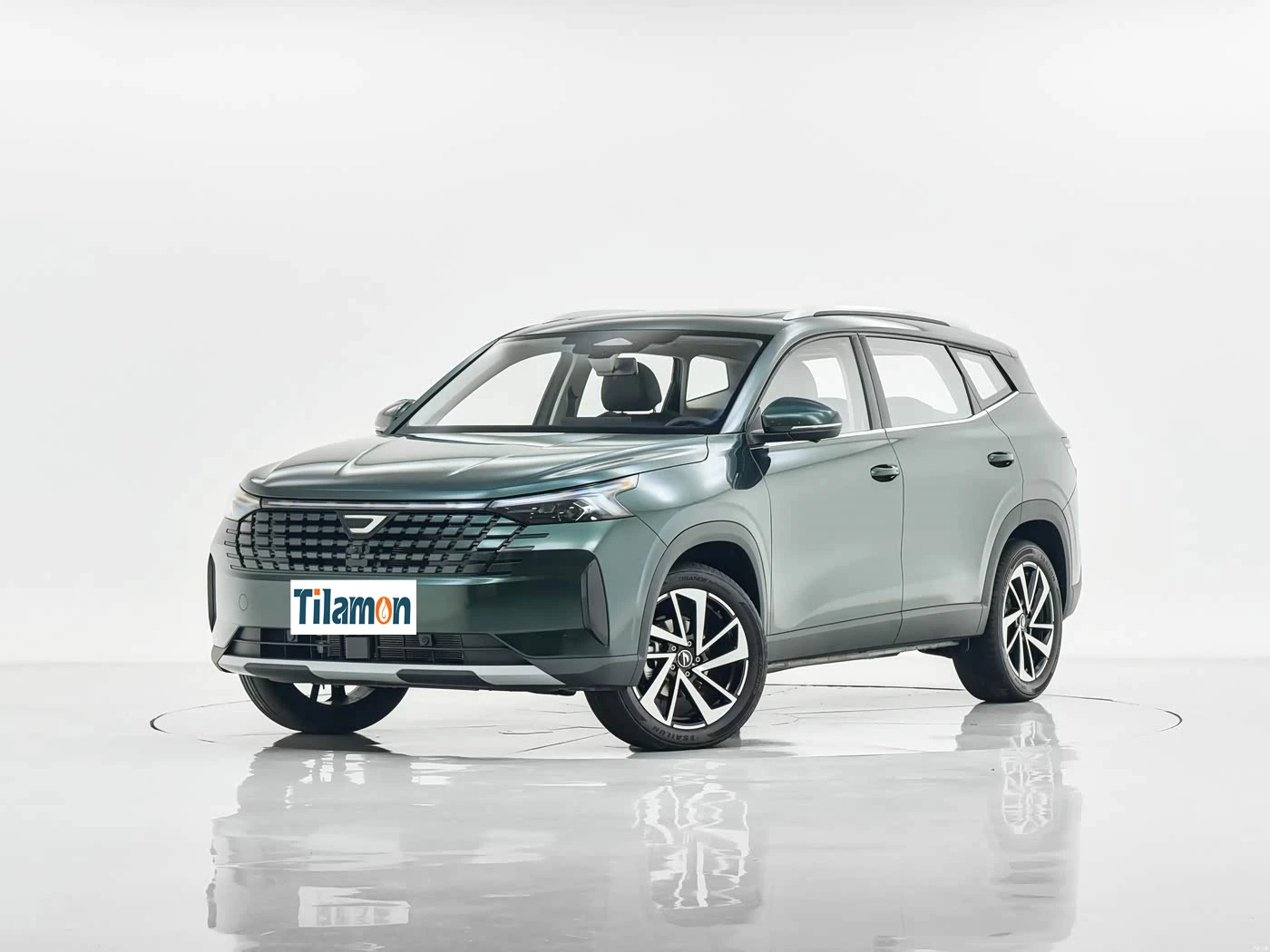
Simply put, a hybrid electric SUV combines a traditional internal combustion engine with an electric motor and battery system. This marriage of technologies allows the vehicle to switch seamlessly or simultaneously between power sources, optimizing fuel efficiency and reducing emissions.
This tech serves both ecological goals and practical transportation needs, from urban commuting to light off-road excursions. Unlike fully electric vehicles, hybrid electric SUVs don’t rely exclusively on charging stations, making them notably adaptable in regions where electric infrastructure might still be patchy or developing.
Mini Takeaway:
- Hybrid electric SUVs offer a flexible, efficient driving experience powered by both electricity and fuel.
- They bridge gaps where fully electric options may not yet fit the bill, especially in diverse or remote settings.
Key Components That Make Hybrid Electric SUVs Tick
1. Powertrain
The heart of any hybrid SUV is its powertrain—typically a mix of a gasoline or diesel engine with an electric motor. This dual setup manages energy flow to maximize efficiency while maintaining power performance. Many modern hybrids use regenerative braking to recharge batteries, which means energy is recycled rather than wasted.
2. Battery System
Batteries in these vehicles are often lithium-ion types, balancing energy capacity, weight, and lifespan. Battery efficiency is critical, as it dictates the electric-only range and overall vehicle performance.
3. Intelligent Control Systems
Embedded software governs when and how to switch between power sources, manages charging, and optimizes energy consumption. This smart “brain” helps the SUV adapt to different driving styles and environments.
4. Vehicle Weight and Aerodynamics
Design choices influence how well the vehicle performs in terms of fuel consumption. Lightweight materials and aerodynamic shapes reduce drag and help stretch battery and fuel economy limits.
5. Charging Options
While hybrid SUVs don’t require constant plug-in charging, many plug-in hybrid variants expand electric range significantly and need access to charging stations—highlighting infrastructure needs.
Mini Takeaway:
- The synergistic design of hybrid electric SUVs revolves around powertrain efficiency, battery tech, control software, and vehicle design.
- Each component plays an important role toward achieving real-world performance and environmental goals.
Hybrid Electric SUVs in Action: Global Use Cases
You might wonder where these vehicles truly shine on a global scale. Well, the answer is quite diverse:
- Urban Commuting: Cities with air quality struggles, like Los Angeles or Beijing, increasingly promote hybrid electric SUVs as part of cleaner mobility initiatives.
- Remote and Rural Areas: In parts of Africa and South America, where grid access is limited, hybrids offer extended range without sole reliance on electric infrastructure.
- Disaster Relief & Government Fleets: Agencies in Japan and Europe use hybrid SUVs for reliable, fuel-efficient transport during emergencies and daily operations.
- Commercial Use: Corporations seeking green credentials often turn to hybrids for delivery or service vehicles, combining eco-friendliness and functionality.
One notable example is the increasing presence of hybrid SUVs in relief efforts after natural disasters, where fuel supplies may be interrupted but electric regeneration allows sustained mobility.
Typical Specification Table for a Hybrid Electric SUV
| Specification |
Typical Value |
| Engine Type |
2.5L 4-cylinder hybrid |
| Electric Motor Power |
120 kW |
| Battery Capacity |
14 kWh (lithium-ion) |
| Electric-Only Range |
40 km (25 miles) |
| Fuel Economy (combined) |
5.6 L/100km (42 mpg) |
| Charging Time (plug-in) |
4 hours (Level 2 charger) |
Advantages and Long-Term Value of Hybrid Electric SUVs
The advantages are layered—some obvious, some a bit more subtle:
- Cost Savings: Lower fuel consumption translates into real dollars saved over years.
- Environmental Impact: Reduced emissions mean cleaner air and smaller carbon footprints.
- Flexibility: The hybrid setup offers confidence in areas lacking charging stations.
- Safety and Reliability: Many owners mention the reassuring performance of dual power sources in tricky conditions.
- Social Impact: Driving a hybrid sends a statement—a commitment to sustainability, innovation, and forward thinking.
Looking Forward: Trends and Innovations in Hybrid Electric SUVs
Manufacturers and tech developers are hard at work pushing boundaries:
- Solid-state Batteries: Higher capacity, faster charging, and safer than current lithium-ion tech.
- Green Energy Integration: Some hybrids now come paired with solar roof panels or can sync with home renewable systems.
- Advanced Driver Assistance Systems (ADAS): Automation and connectivity help hybrids maximize efficiency in real-time traffic.
- Lightweight Materials: Carbon fiber and aluminum alloys are increasingly used to trim vehicle mass.
Challenges Faced and How Experts Address Them
Despite promise, hybrid electric SUVs aren’t perfect. Battery disposal, raw material sourcing (especially lithium and cobalt), and upfront purchase price can be deterrents. Plus, driver education is still catching up — many don’t optimize hybrid driving techniques yet.
However, innovations like better battery recycling programs, subsidy policies, and improved consumer info campaigns are mitigating these concerns. And the gradual rollout of universal charging standards promises smoother use in the years ahead.
Vendor Comparison Table: Popular Hybrid Electric SUVs (2024 Models)
| Model |
Battery Capacity (kWh) |
Electric Range (km) |
Fuel Economy (L/100km) |
Starting Price (USD) |
| Toyota RAV4 Prime |
18.1 |
68 |
5.7 |
$41,000 |
| Ford Escape Hybrid |
14.4 |
37 |
5.5 |
$34,000 |
| Kia Sorento Hybrid |
13.8 |
42 |
6.0 |
$38,500 |
FAQs About Hybrid Electric SUVs
Q1: How do hybrid electric SUVs save fuel compared to traditional SUVs?
Hybrid electric SUVs combine a conventional engine with an electric motor that assists during acceleration and drives the car at low speeds. This means the engine works less hard overall, leading to less fuel consumption and lower emissions. Regenerative braking also recovers energy, which improves efficiency further—especially in stop-and-go traffic.
Q2: Are hybrid electric SUVs more expensive to maintain than regular SUVs?
Typically, no. Hybrid SUVs have fewer mechanical strain points thanks to the electric motor assistance. Though battery replacement can be costly, most hybrids have warranties extending 8 to 10 years. Routine maintenance mainly mirrors that of conventional vehicles but often benefits from reduced wear on brakes and the engine.
Q3: Can hybrid SUVs run solely on electric power?
Many hybrids can run on electric power alone but usually only for short distances at low speeds—often between 25 and 50 kilometers. Plug-in hybrids extend this electric-only range substantially if regularly charged. This feature is perfect for short daily commutes with clean, quiet driving.
Q4: How do hybrid SUVs perform in colder climates?
Cold weather can affect battery performance and reduce electric range temporarily. However, hybrid SUVs automatically switch to the combustion engine when needed, maintaining performance. Advanced thermal management systems in newer models minimize these effects, keeping driving smooth and reliable.
Q5: Where can I find more information and purchase options for hybrid electric SUVs?
Many dealerships and manufacturers provide detailed specs and demo vehicles. For a curated selection and expert reviews, visit hybrid electric suvs, where you’ll find trusted guidance for buyers worldwide.
Wrapping Up: Why Hybrid Electric SUVs Are Here to Stay
It’s clear: hybrid electric SUVs are not just a halfway step toward cleaner transportation—they’re a versatile and pragmatic choice today, bridging performance, sustainability, and convenience. Their growing adoption reflects a shift in how we think about mobility, climate responsibility, and long-term value in vehicles.
If you’re considering an SUV that balances eco-awareness with everyday life, hybrid electric SUVs deserve a close look.
Find out more on our website: https://www.tilamoncars.com
References:
- International Energy Agency - Global EV Outlook 2023
- UN Climate Change – Transport & Emissions Data
- ISO Standards on Electric Vehicle Battery Safety