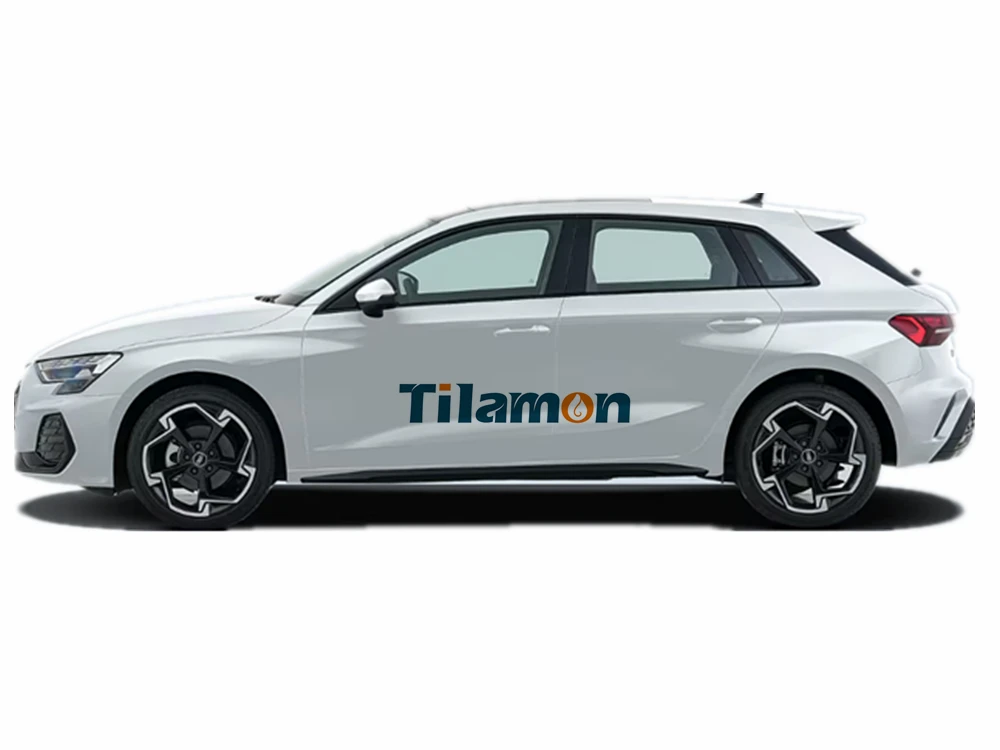
Sustainable Mobility in Libya with new energy vehicle Solutions

Driving the transition from traditional combustion to advanced electric mobility across the Libyan landscape, combining efficiency with durability.

Sustainable Mobility in Libya with new energy vehicle Solutions

Integrating cutting-edge Chinese automotive technology to redefine transportation in Libya, offering a diverse range of options from high-tech EVs to reliable pre-owned assets.

The Current State of Libyan Automotive Transition

Analyzing the shift toward electrified transport in Northern Africa's unique economic environment.

Libya's automotive market is currently characterized by a strong reliance on internal combustion engines, but the appetite for a new chinese ev is growing rapidly due to the competitive pricing and advanced battery management systems that can withstand high desert temperatures.

Economic fluctuations in the region have historically made the secondhand vehicle market the dominant force. However, the volatility of fuel subsidies is now pushing urban centers like Tripoli and Benghazi toward sustainable alternatives.

The infrastructure for a new energy ev is in its nascent stages, yet the government's focus on diversifying the energy sector provides a fertile ground for the deployment of charging networks and smart grid integration.
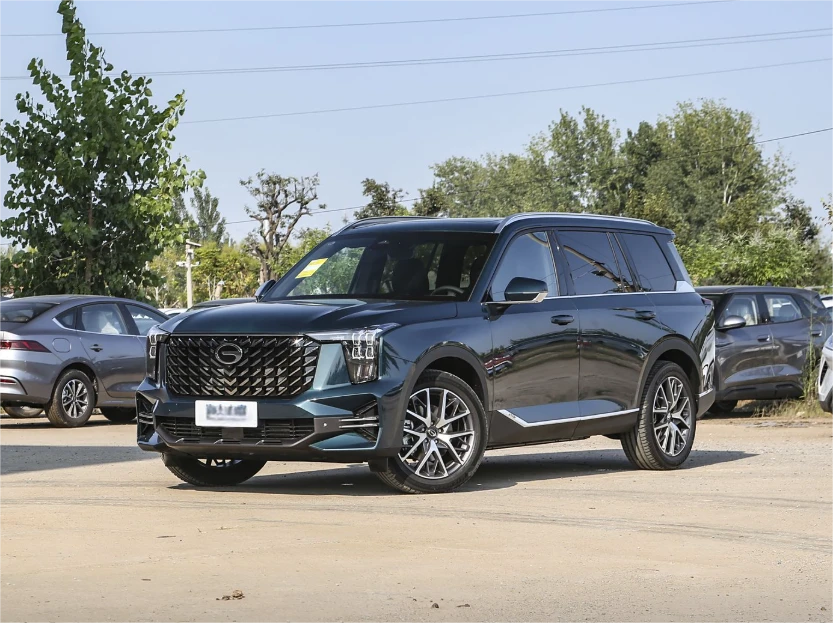
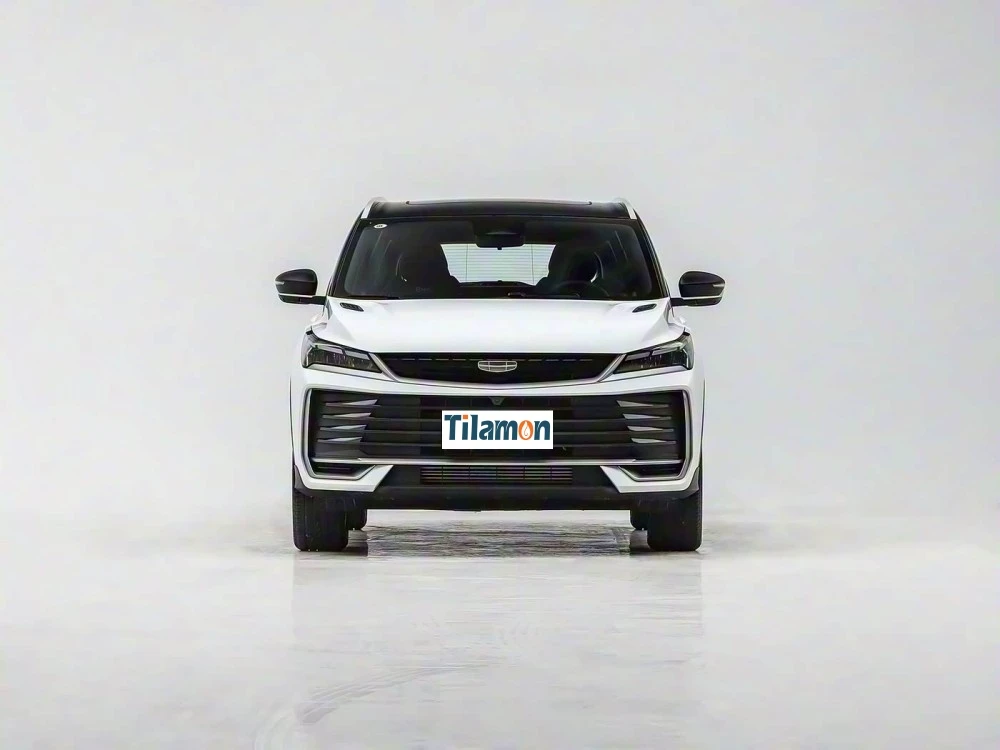
Evolution of the Libyan Automotive Landscape

From traditional imports to the era of intelligent electrification.

Market Development History

Until the early 2010s, the market was dominated by European and Japanese ICE vehicles, with a massive influx of 2 nd hand cars serving as the primary mode of transport for the middle class.

Between 2015 and 2020, a shift occurred as Chinese manufacturers began introducing robust logistics vehicles and budget-friendly sedans, laying the groundwork for the acceptance of non-traditional brands.

Since 2021, the introduction of the new energy vehicle has accelerated, driven by the global decline in battery costs and the increasing prestige associated with smart, connected Chinese electric platforms.

Future Development Trends

Solar-Integrated Charging

Leveraging Libya's immense solar potential to create off-grid charging stations, reducing dependence on the centralized power grid for EV owners.

Battery Swapping Infrastructure

Implementing battery swapping stations to mitigate long charging times, specifically for commercial fleets operating across long distances in the Sahara.

Circular Economy for EVs

Developing specialized centers for the refurbishment of electric batteries, ensuring that the lifecycle of a new energy ev is maximized.

Industry Trends and Future Outlook

Strategic projections for the next 3-5 years in the Libyan mobility sector.

Intelligent Thermal Management
Developing batteries that maintain efficiency under extreme Libyan heat, ensuring longevity for new electric fleets.
Digitalized Supply Chains
Implementing blockchain for transparent tracking of battery origins and vehicle history in the pre-owned market.
Urban Micro-Mobility
Rise of electric scooters and small city cars to navigate densely populated coastal cities more efficiently.
Autonomous Logistics
Deployment of AI-driven electric trucks for port-to-warehouse transportation in Libya's trade hubs.

Industry Outlook

The trajectory for the Libyan market suggests a "leapfrog" effect, where consumers skip traditional hybrid stages and move directly from old ICE cars to high-range electric models, provided the charging infrastructure keeps pace with vehicle imports.

Based on Google Search Trends for "Electric Vehicle Charging Libya", there is a significant spike in interest among youth and business owners, indicating a shift toward sustainable investment and a reduction in long-term operational costs.

Localized Application Scenarios in Libya

Practical implementations of new energy mobility tailored to Libyan geography.

01. Urban Commuting in Tripoli

Utilizing a compact new chinese ev for daily commutes to avoid traffic congestion and eliminate petrol queue wait times.

02. Government Fleet Modernization

Replacing aging official vehicles with a standardized fleet of new energy vehicle models to reduce the public sector's carbon footprint.

03. Budget-Friendly Student Transport

Offering certified 2 nd hand cars with electric conversions to provide affordable, low-maintenance mobility for university students.

04. Last-Mile Delivery in Benghazi

Deploying electric vans for urban courier services, significantly lowering the cost per delivery compared to diesel alternatives.

05. Luxury Coastal Tourism

High-end resorts implementing a fleet of new energy ev options for guest transfers, aligning with global eco-tourism standards.

Brand Story

Global Development Journey of Shijiazhuang Zhenming Chemical Co., Ltd.

Foundational Excellence

Started with a commitment to chemical purity, providing the essential materials that later enabled advanced polymer research for automotive parts.

Industrial Expansion

Expanded production capabilities to serve the global manufacturing sector, ensuring supply chain stability for automotive components.

Sustainable Pivot

Integrated eco-friendly chemistry into our processes, focusing on materials that increase the efficiency of EV batteries and lightweight chassis.

Global Network Integration

Established strategic partnerships across Africa and Asia, bridging the gap between raw material science and finished vehicle excellence.

Vision 2030

Aiming to lead the transition to carbon-neutral transportation by providing the high-performance materials required for the next generation of EVs.

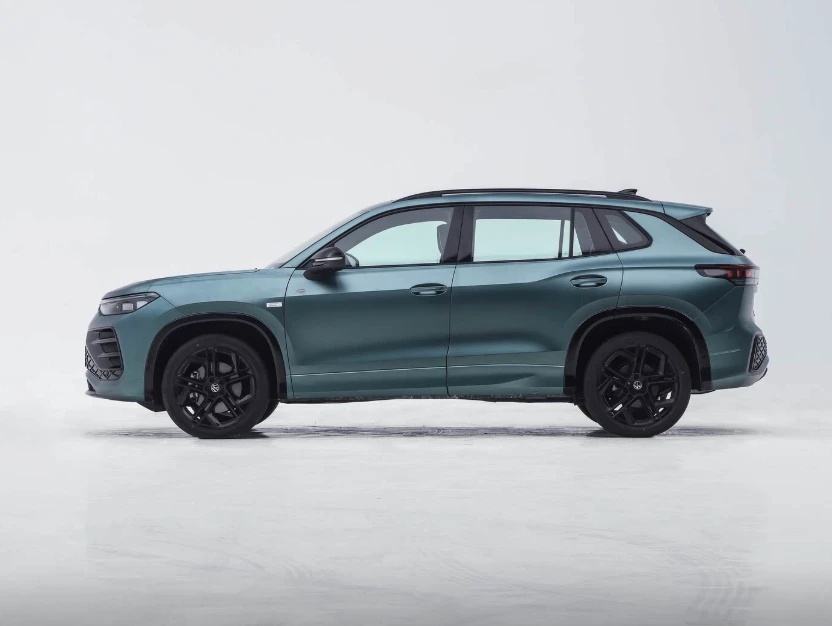
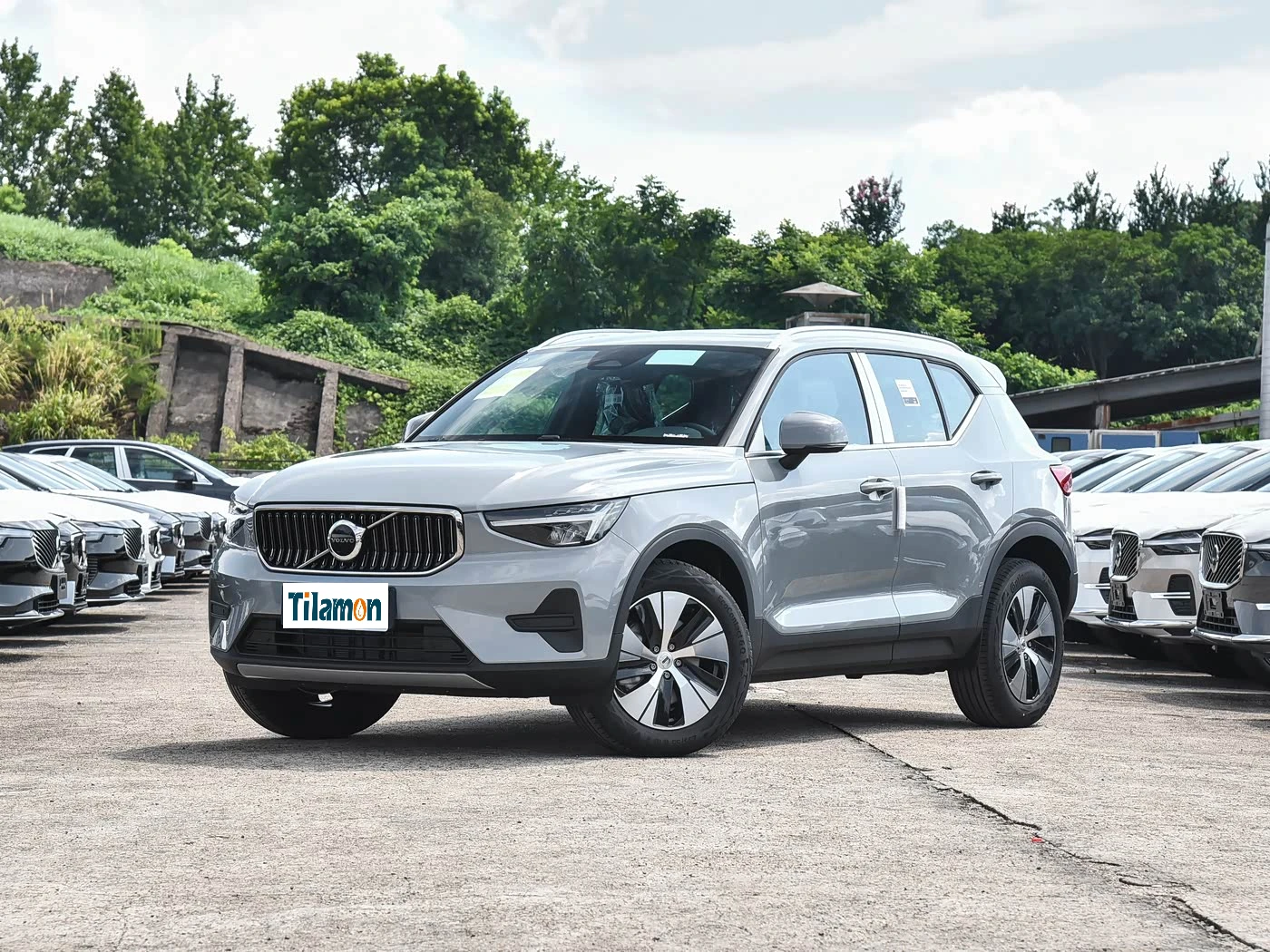
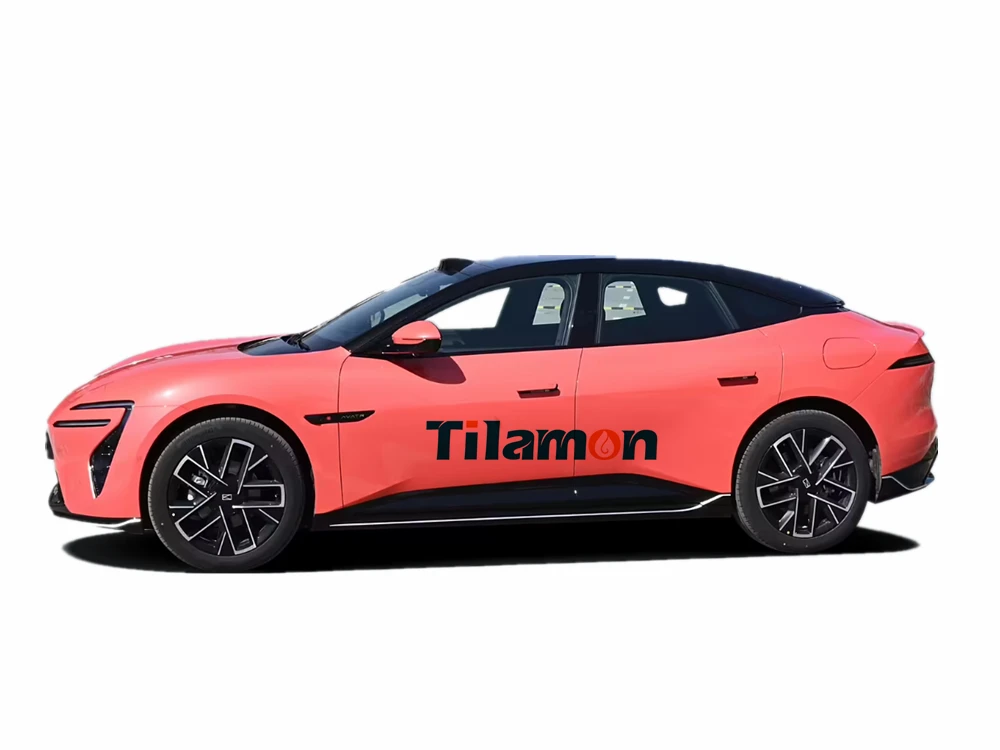
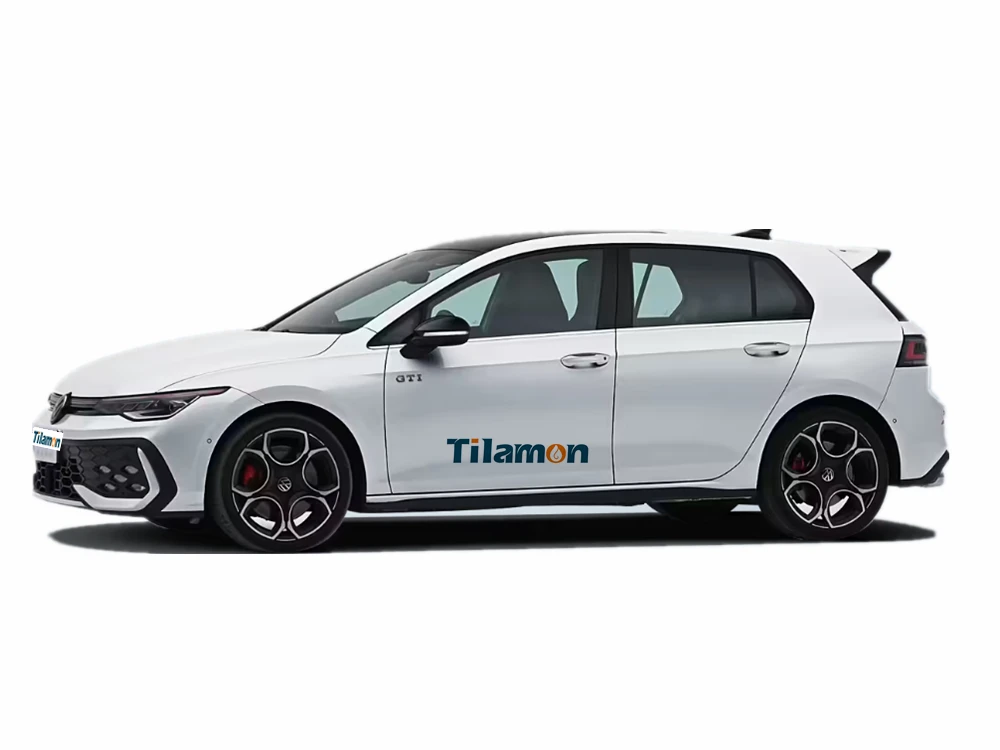
Comprehensive Vehicle Portfolio for the Libyan Market

From cutting-edge new energy platforms to reliable pre-owned solutions.

Common Questions Regarding Libya's EV Market

Expert answers to the most pressing concerns of Libyan car buyers.

How does a new chinese ev perform in Libya's high temperatures?

Modern Chinese EVs use advanced liquid-cooling systems specifically designed to maintain battery stability and performance even in temperatures exceeding 45°C.

What is the best way to find a reliable secondhand vehicle in Tripoli?

We recommend choosing certified pre-owned vehicles that come with a detailed battery health report and a verified service history from authorized dealers.

Are there charging stations for a new energy ev in Benghazi?

Charging networks are expanding rapidly in major cities. Most owners currently utilize home-charging solutions while public fast-chargers are being installed at key commercial hubs.

Is it cheaper to maintain a new energy vehicle than a diesel car?

Yes, significantly. The reduction in moving parts means fewer oil changes and lower mechanical wear, resulting in a roughly 40-60% reduction in maintenance costs.


Where can I find certified 2 nd hand cars with warranty?

Our platform connects you with verified suppliers who provide quality-assured pre-owned vehicles with limited warranties on the drivetrain and battery.


How long is the typical lifespan of a battery in a new energy vehicle?

Most current LFP batteries are rated for 2,000 to 3,000 charge cycles, which typically translates to 8-12 years of regular use before capacity drops below 80%.


Ready to Electrify Your Drive?

Consult with our experts today to find the perfect automotive solution for the unique needs of Libya.

Contact Us Now

If you are interested in our products, you can choose to leave your information here, and we will be in touch with you shortly.