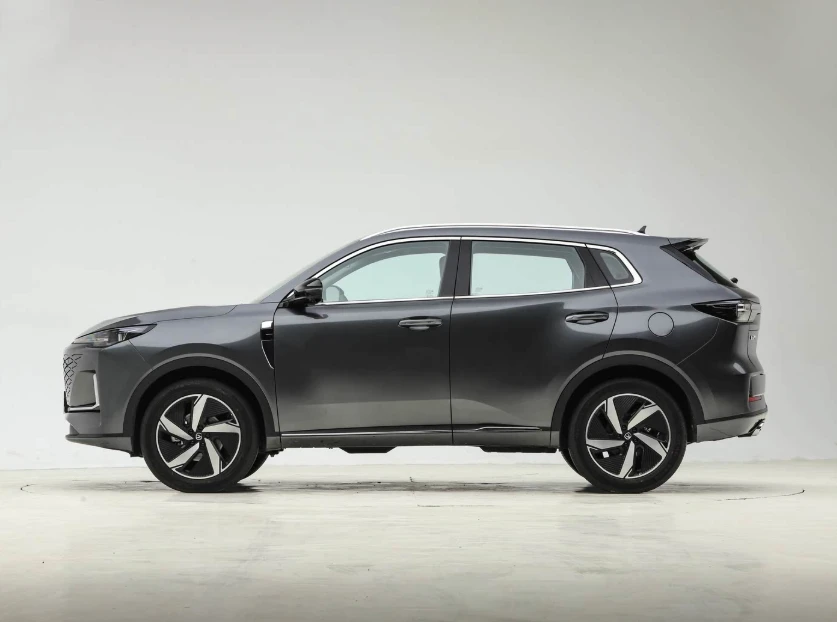
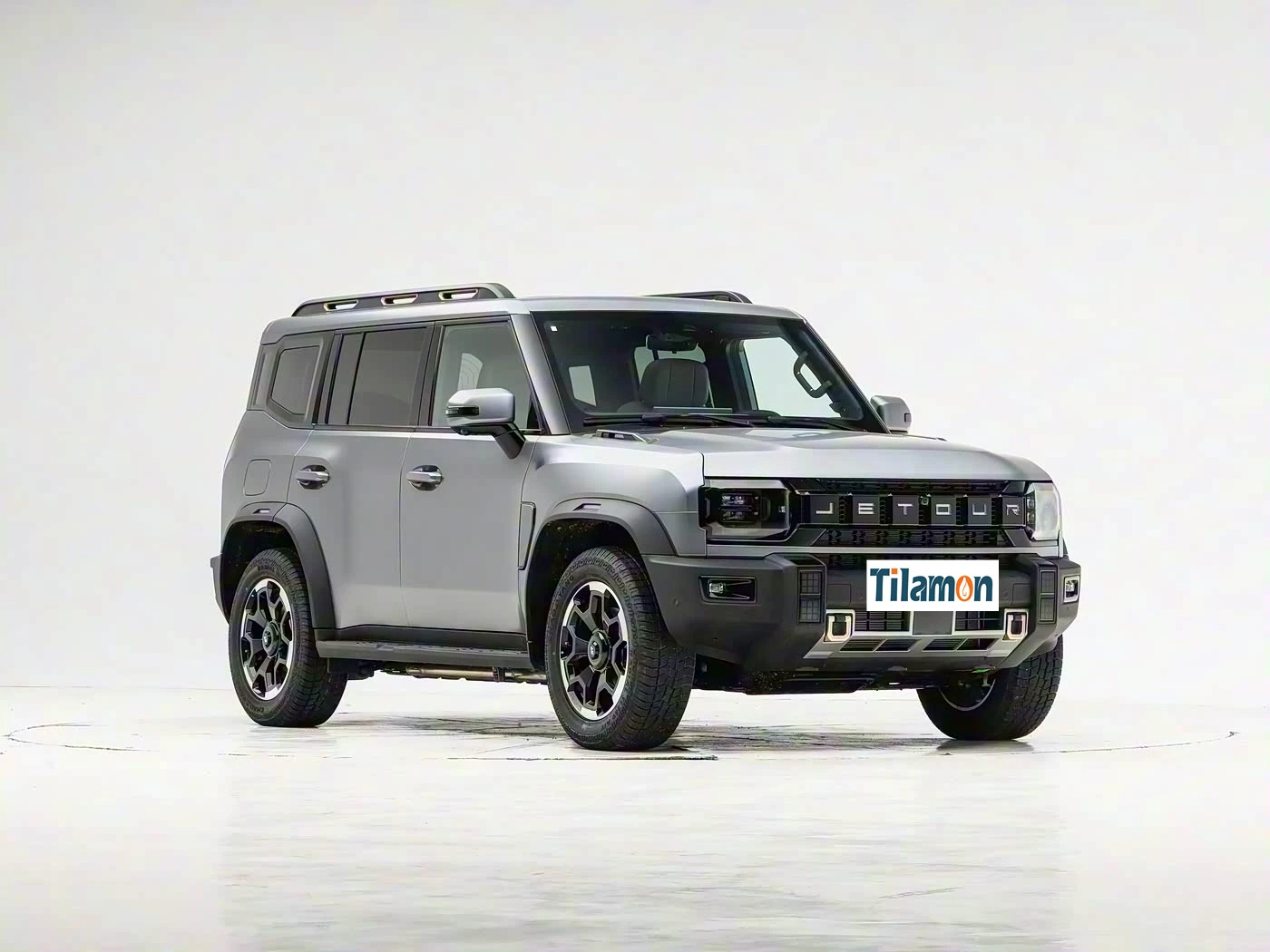
Sustainable Mobility in Rwanda: The new energy vehicle Revolution

Empowering Rwanda's green transition with cutting-edge automotive manufacturing and affordable electric mobility solutions.

Sustainable Mobility in Rwanda: The new energy vehicle Revolution

Integrating high-efficiency manufacturing with Rwanda's unique terrain to deliver the next generation of urban and rural transport.

Current State of Rwanda's Automotive Landscape

Analyzing the transition from combustion engines to electric propulsion in the Land of a Thousand Hills.

Rwanda currently faces a dual challenge: a high reliance on imported secondhand vehicle stocks and a geographical profile characterized by steep hills that demand high-torque performance. The automotive market is shifting as the government pushes for carbon neutrality, creating a gap for high-performance EVs.

The economic environment is rapidly evolving, with Kigali becoming a hub for tech innovation. However, the lack of localized assembly plants has historically made 2 nd hand cars the primary choice for the middle class due to affordability, despite their higher maintenance costs and emissions.

With the rise of renewable energy projects across Rwanda, the infrastructure for a new energy ev ecosystem is now viable. The synergy between hydroelectric power and electric transport is providing a sustainable blueprint for the rest of the East African Community.
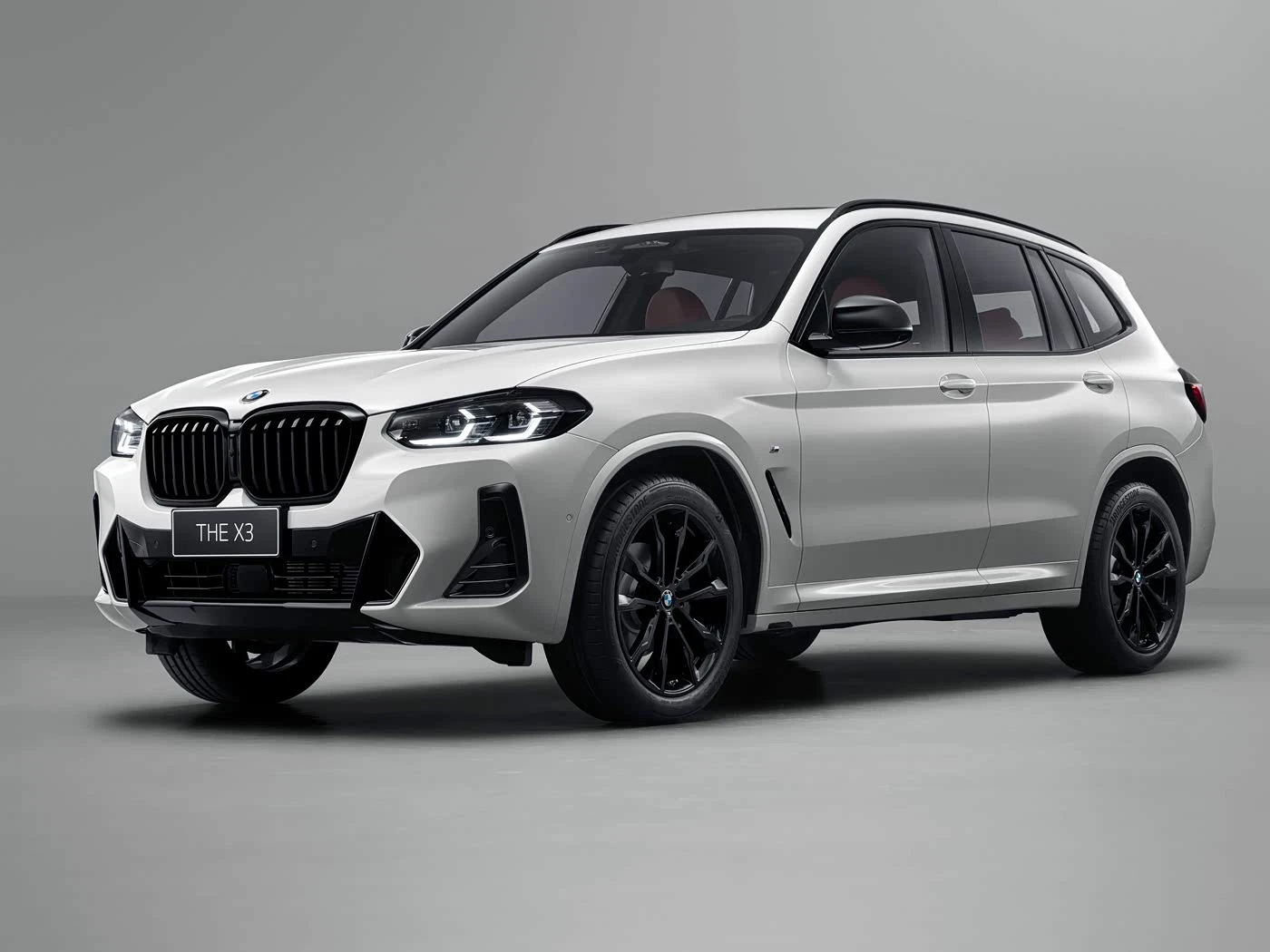
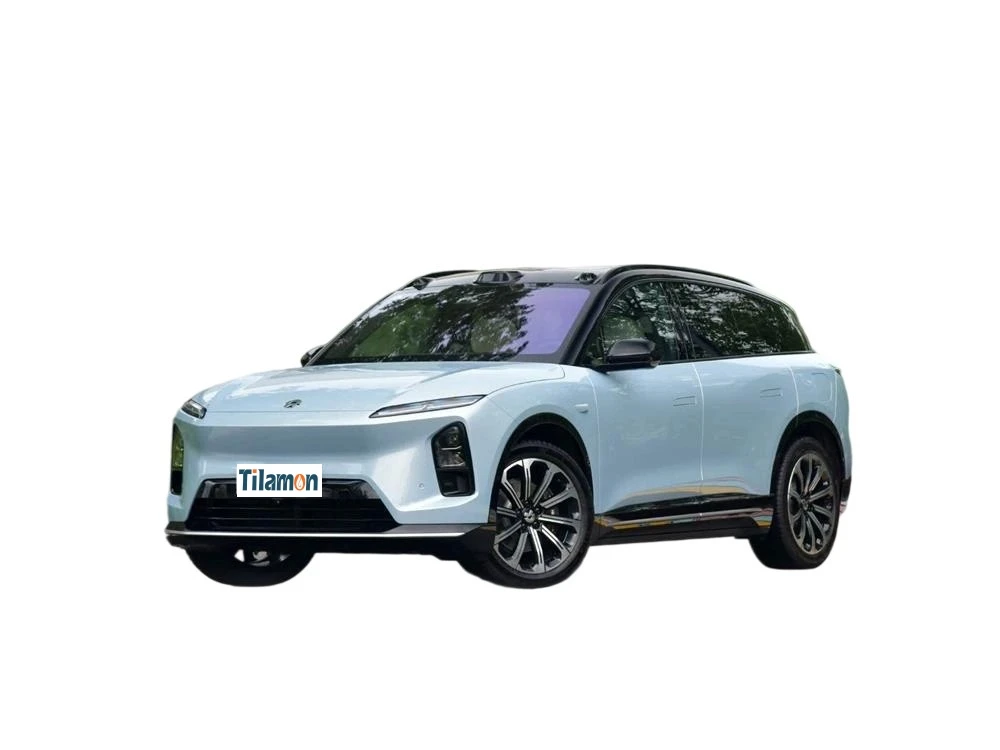
Evolution of Automotive Technology in Rwanda

From traditional imports to the era of intelligent electric manufacturing.

Market Development History

Prior to 2015, the Rwandan market was dominated by internal combustion engine (ICE) vehicles, primarily imported as used units from Europe and Japan, focusing on durability over efficiency.

Between 2016 and 2021, the focus shifted toward "Green Growth." The introduction of tax incentives for electric mobility led to the first waves of new chinese ev models entering the capital, introducing Rwanda to LFP battery technology.

From 2022 to the present, the industry has transitioned from simple importing to exploring local assembly and "Smart Manufacturing," integrating IoT for fleet management and optimized battery thermal systems for tropical climates.

Future Development Trends

Battery Swapping Infrastructure

To combat charging downtime, Rwanda will likely adopt battery swapping stations, particularly for two and three-wheelers, reducing the initial cost of the new energy vehicle.

Localized EV Assembly

The trend is moving toward CKD (Completely Knocked Down) kits, allowing Rwanda to manufacture parts locally, lowering the price of new EVs to compete with used imports.

AI-Driven Fleet Optimization

Integration of AI to manage energy consumption based on Rwanda's elevation changes, ensuring maximum range for electric vehicles in mountainous regions.

Industry Trends & Future Outlook

Strategic forecasts for the Rwandan automotive manufacturing sector (2024-2029).

Carbon-Neutral Logistics
Shift toward electric freight to reduce urban pollution in Kigali.
Circular Economy Hub
Development of battery recycling plants to manage EV life-cycles locally.
Smart Grid Integration
V2G (Vehicle-to-Grid) technology to stabilize Rwanda's power distribution.
Digitalized Ownership
Blockchain-based tracking for battery health in used EV markets.

Industry Outlook

Based on Google search trends in East Africa, there is a surging interest in "affordable EVs" and "electric charging infrastructure." This indicates a consumer shift from viewing EVs as luxury items to practical transport tools.

In the next 3-5 years, we expect the Rwandan automotive sector to move from a retail-heavy model to a service-heavy model, where "Mobility-as-a-Service" (MaaS) becomes the dominant trend, driven by electric fleets.

Localized Application Scenarios in Rwanda

Tailoring automotive manufacturing to solve real-world Rwandan challenges.

1. Kigali Urban Commuting

Implementing compact new energy ev models to navigate the dense traffic of the capital while eliminating tailpipe emissions in the city center.

2. Mountainous Rural Logistics

Deploying high-torque electric trucks specifically engineered for the steep gradients of Rwanda's western provinces, replacing aging diesel fleets.

3. E-Moto Taxi Integration

Converting the traditional moto-taxi culture to electric power, utilizing modular battery swapping to ensure 24/7 uptime for drivers.

4. Government Fleet Modernization

Replacing official ministry vehicles with high-end electric sedans to lead by example in the national commitment to a green economy.

5. Affordable Transit for SMEs

Providing refurbished, certified 2 nd hand cars upgraded with electric powertrains to help small businesses lower operational costs.

Brand Story

Global Development Process of Shijiazhuang Zhenming Chemical Co., Ltd.

Foundation and Vision

Started with a commitment to industrial excellence, focusing on the high-purity materials necessary for modern automotive manufacturing components.

Technical Expansion

Diversified into specialized polymers and coatings that protect vehicle chassis from the harsh tropical climates and humidity found in regions like Africa.

Global Partnership Era

Established strategic alliances with EV manufacturers to provide the chemical precursors required for next-generation battery casings.

Sustainability Pivot

Transitioned production lines to eco-friendly, low-VOC processes to align with global carbon reduction goals and E-E-A-T principles.

Empowering Rwanda

Now focusing on delivering the raw material and technical expertise to support the growth of electric vehicle assembly plants in Rwanda.

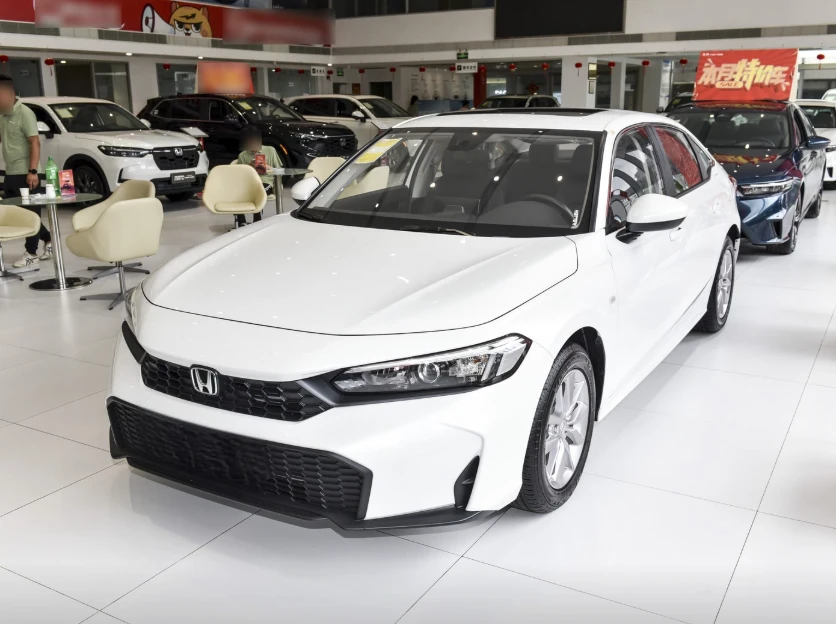
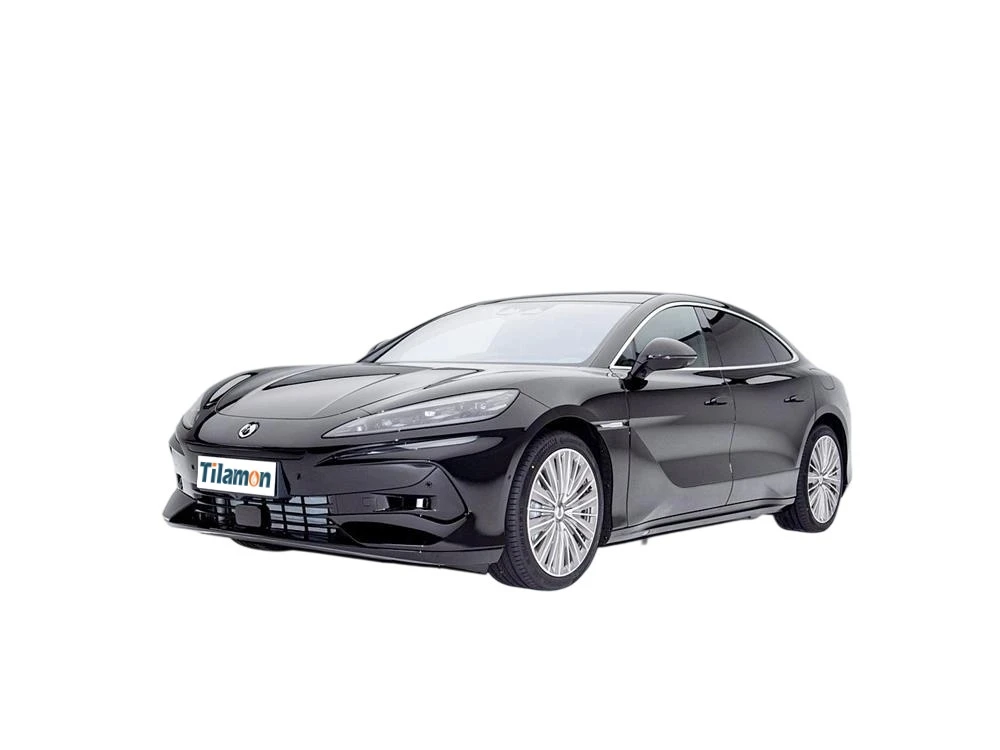
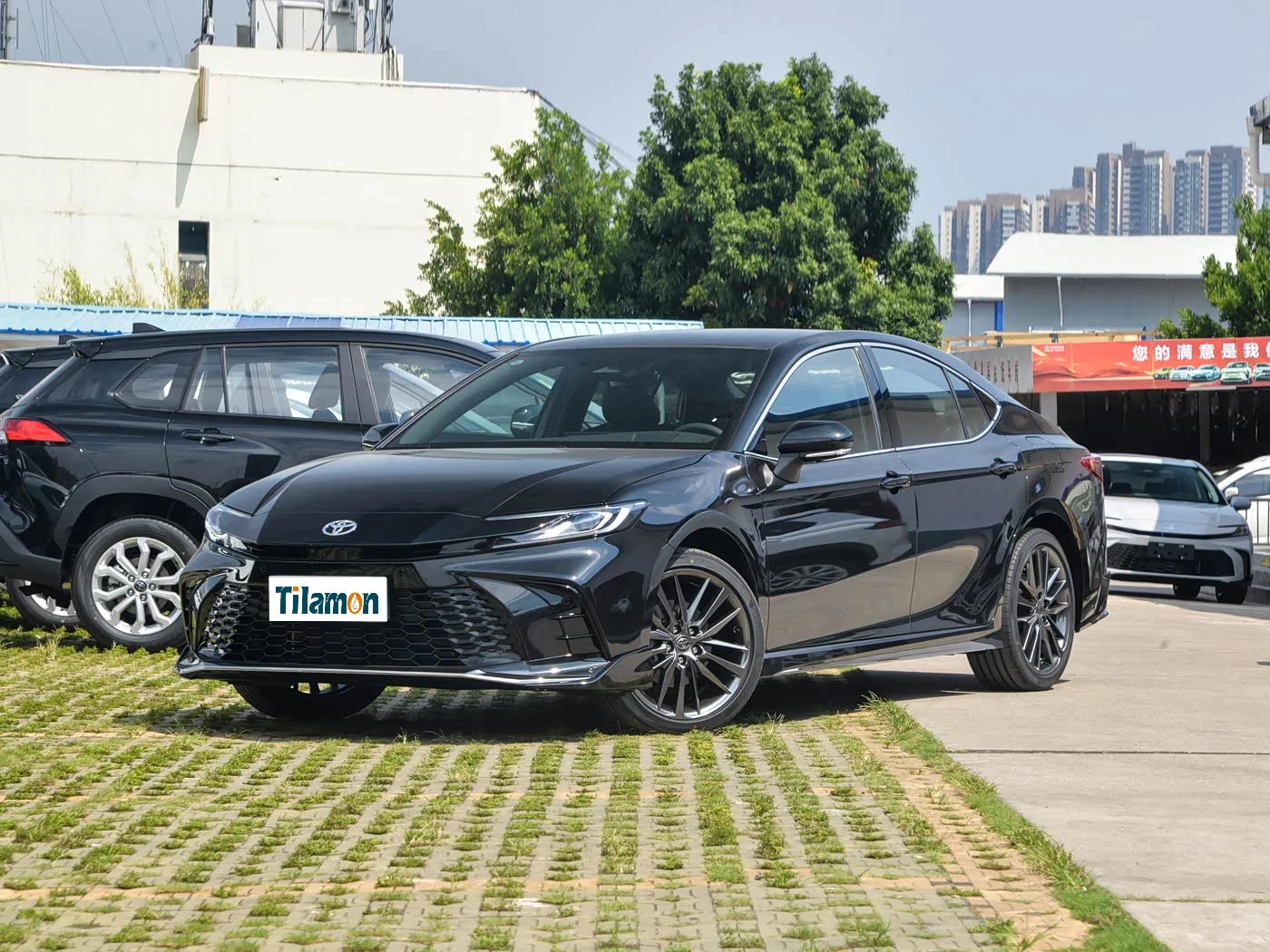
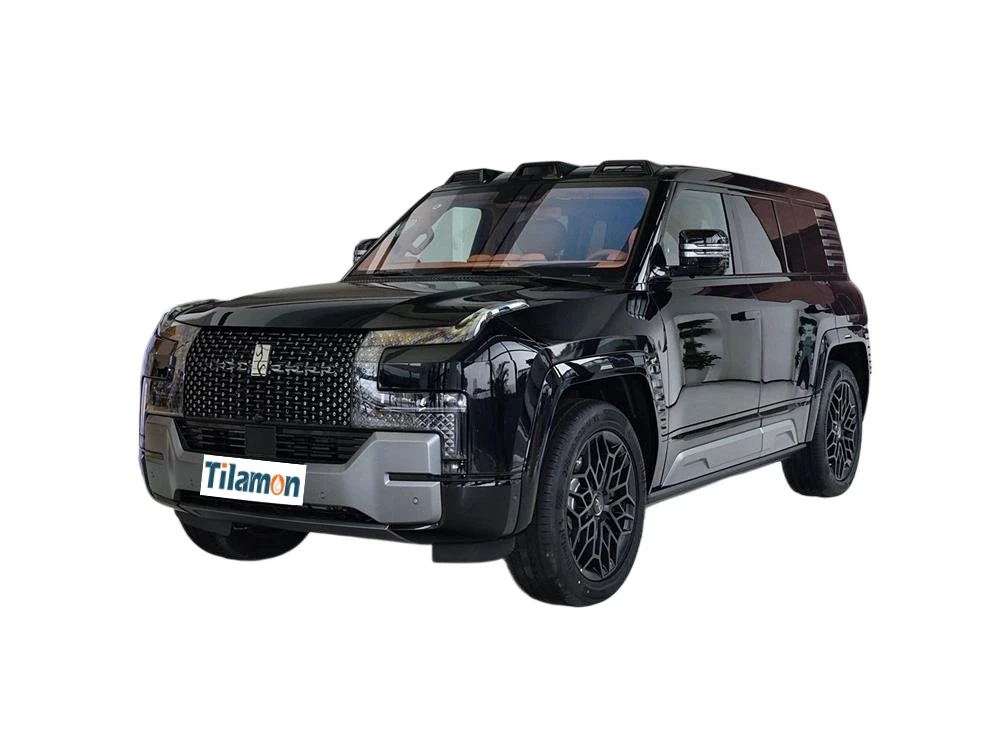
Complete Automotive Portfolio for Rwanda

From premium new energy solutions to budget-friendly pre-owned alternatives.

Frequently Asked Questions in Rwanda

Expert answers to common queries regarding electric and pre-owned vehicles.

What are the benefits of a new chinese ev for Rwandan roads?

Chinese EVs often feature LFP batteries which are more stable in heat and offer superior cost-to-performance ratios, making them ideal for Rwanda's geography.

How do I ensure the quality of a secondhand vehicle in Kigali?

Look for certified inspection reports and battery health certificates, especially when transitioning from ICE to electric used models.

Is the infrastructure ready for a new energy ev in rural Rwanda?

While Kigali is well-equipped, rural areas are seeing a growth in solar-powered charging hubs and battery swapping stations to support EV adoption.

What is the lifespan of a new energy vehicle battery in a tropical climate?

Modern thermal management systems in new energy vehicles ensure battery longevity, typically lasting 8-10 years before significant degradation.

Are 2 nd hand cars still a viable option compared to new EVs?

Yes, for those with tight budgets, they remain viable, but the total cost of ownership (fuel + maintenance) is often higher than a new electric alternative.

Which new energy vehicle is best for the hills of Rwanda?

Vehicles with high torque output and regenerative braking are recommended to maximize efficiency and safety on steep Rwandan slopes.

Get in Touch with Our Experts

Ready to transition to sustainable mobility? Contact our automotive consulting team in Rwanda for personalized solutions.

Contact Us Now

If you are interested in our products, you can choose to leave your information here, and we will be in touch with you shortly.