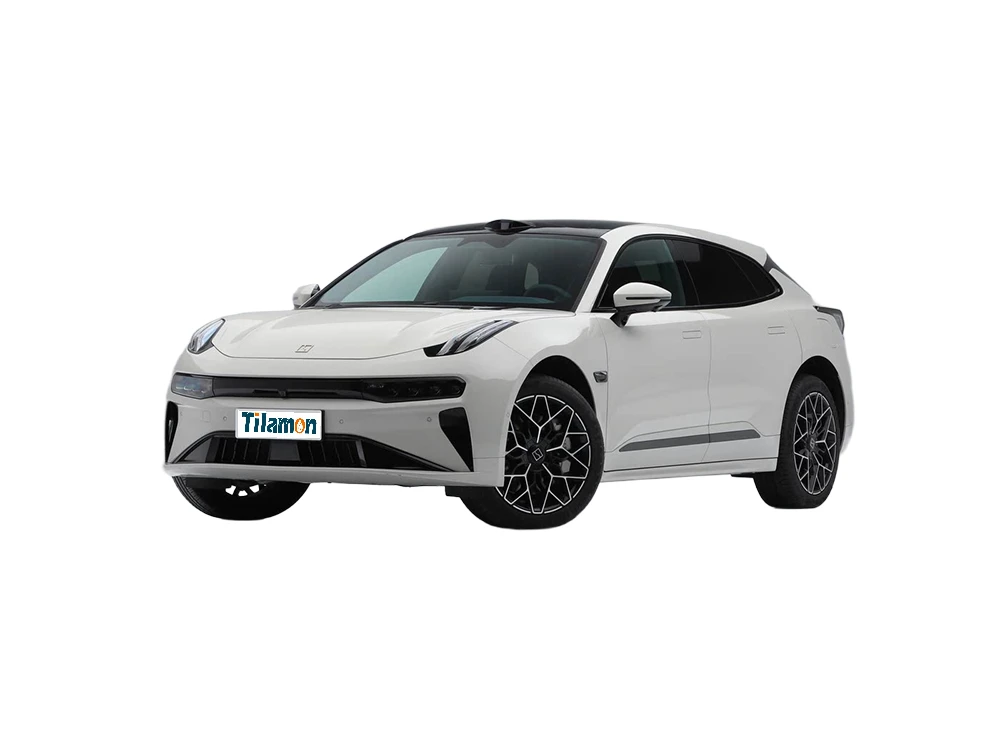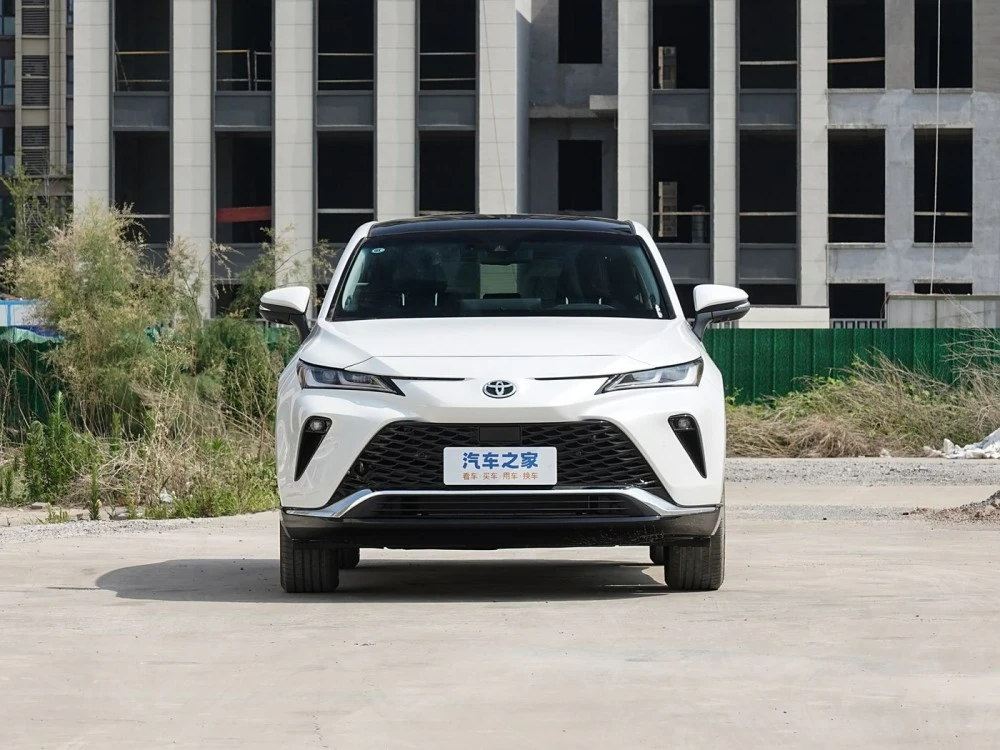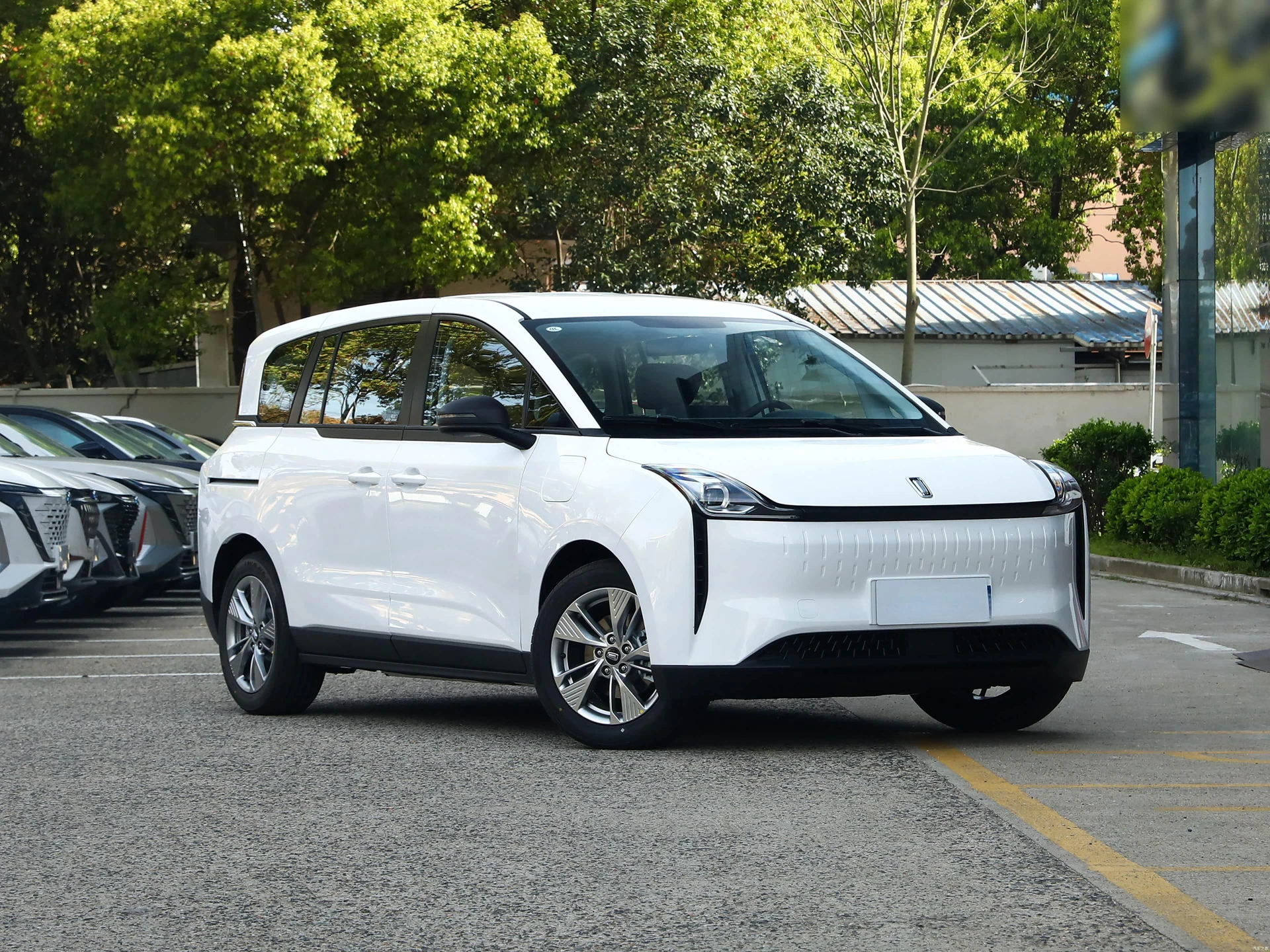
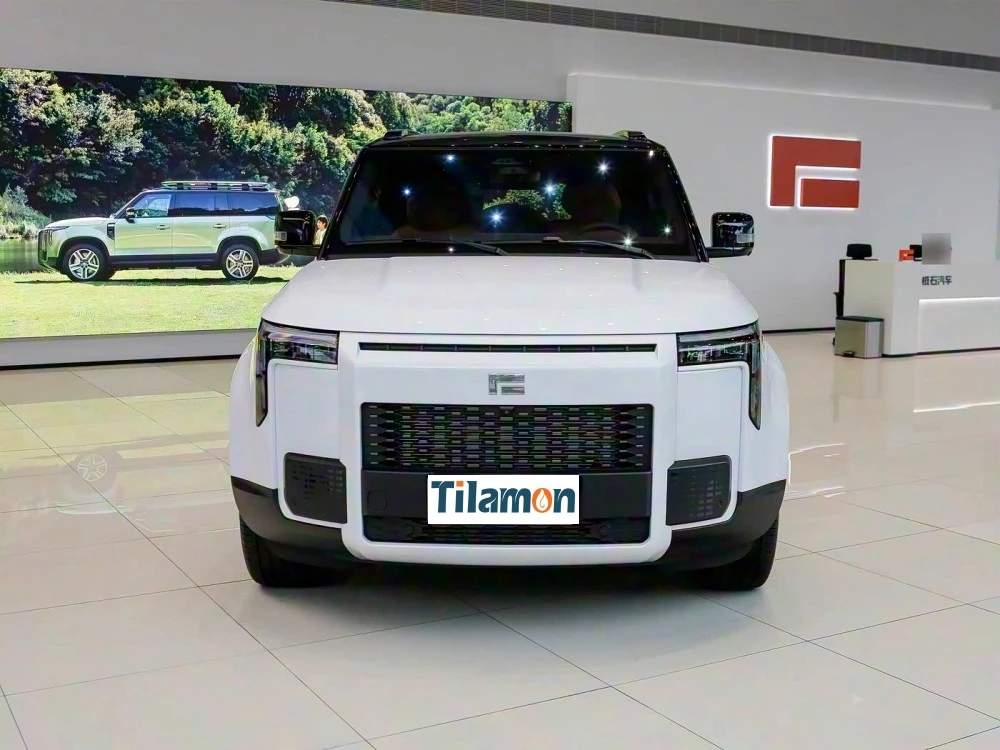
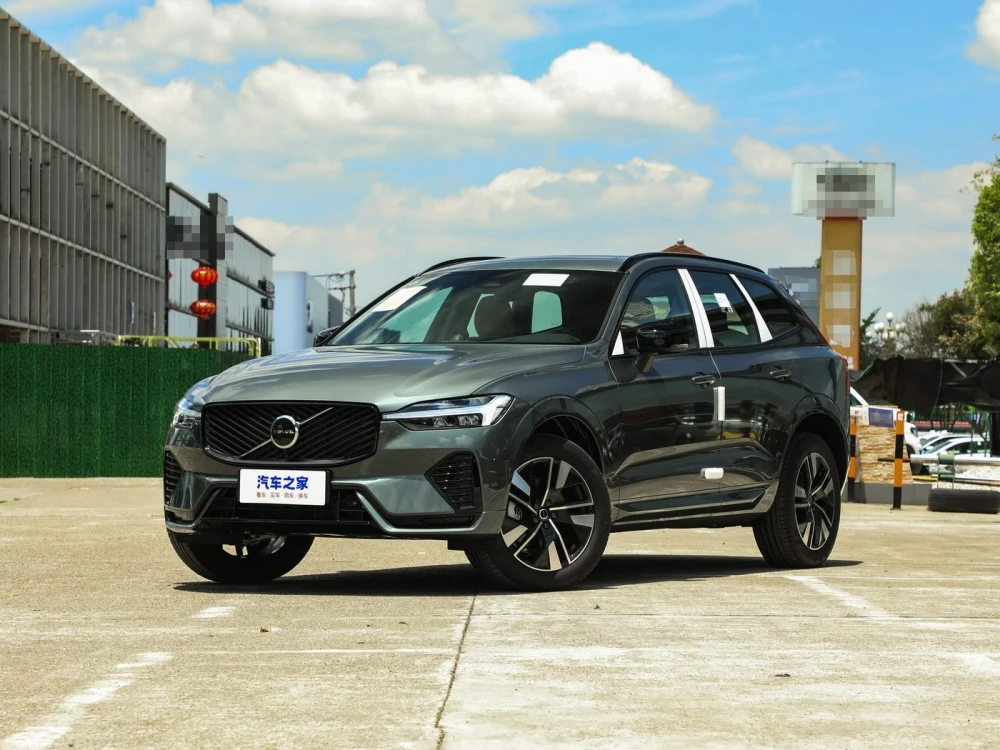
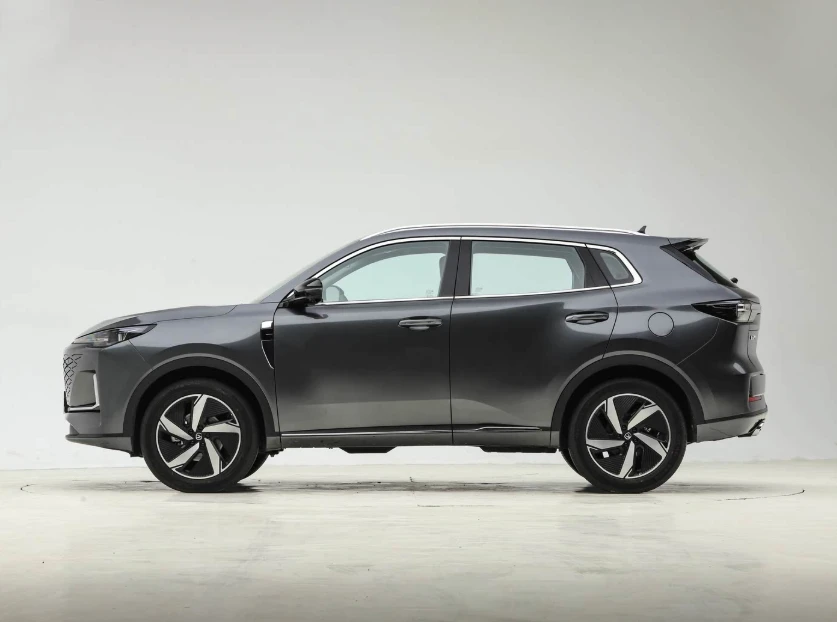
Bangladesh is currently facing a critical turning point in urban mobility. With extreme traffic congestion in Dhaka and a tropical climate that demands high-performance cooling systems, the demand for a reliable new energy ev has surged to combat air pollution and rising fuel costs.
The market has traditionally relied heavily on the import of secondhand vehicle units. However, these aging fleets often struggle with the humid environment and lack the efficiency required for modern economic growth, creating a gap for technologically superior alternatives.
Currently, the integration of 2 nd hand cars remains a primary entry point for the middle class, but government incentives are now shifting consumer preference toward sustainable electric options to align with national green energy goals.