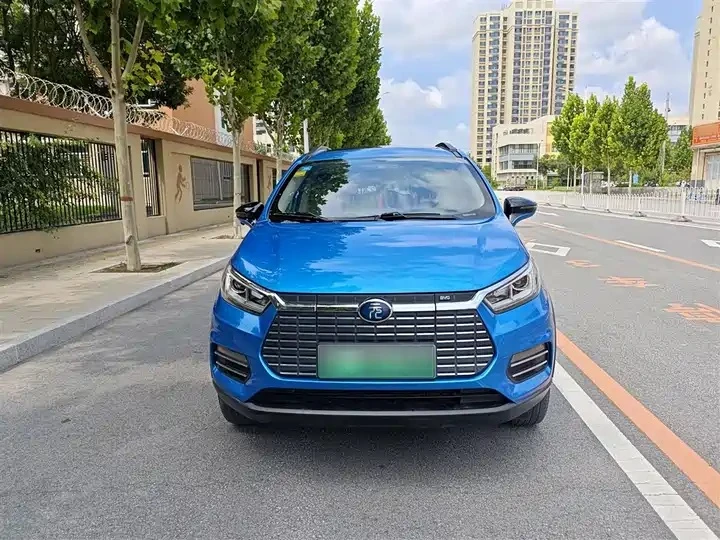
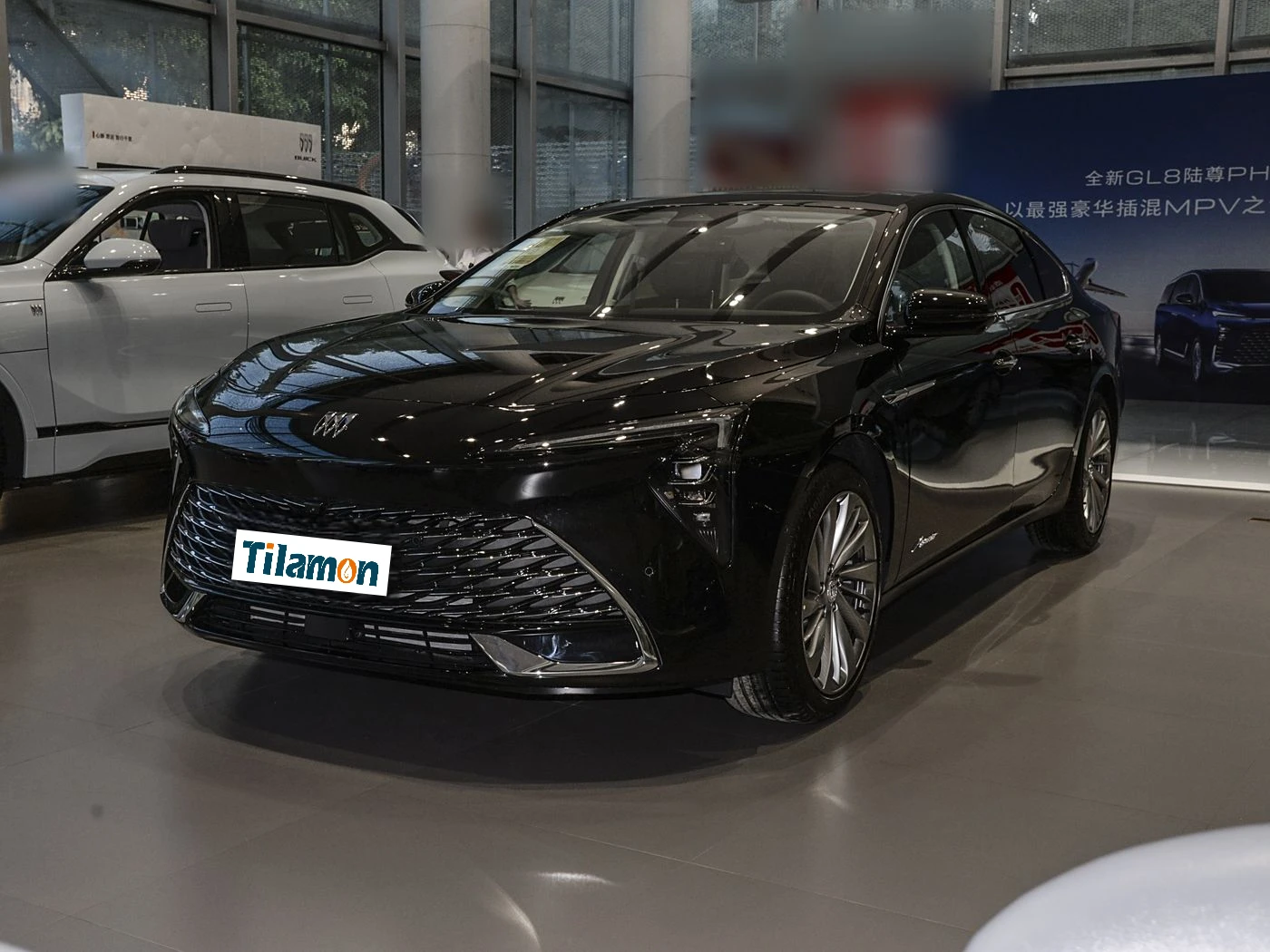
Sustainable Mobility Solutions for Chile: The new energy vehicle Era

Driving the future of Chilean transportation through advanced Chinese electric vehicle technology and sustainable automotive manufacturing.

Sustainable Mobility Solutions for Chile: The new energy vehicle Era

Implementing a comprehensive ecosystem for electric mobility in Chile, blending high-efficiency manufacturing with localized infrastructure to accelerate the transition from combustion to electrification.

Current State of Automotive Transition in Chile

Analyzing the shift towards electrification in the heart of South America.

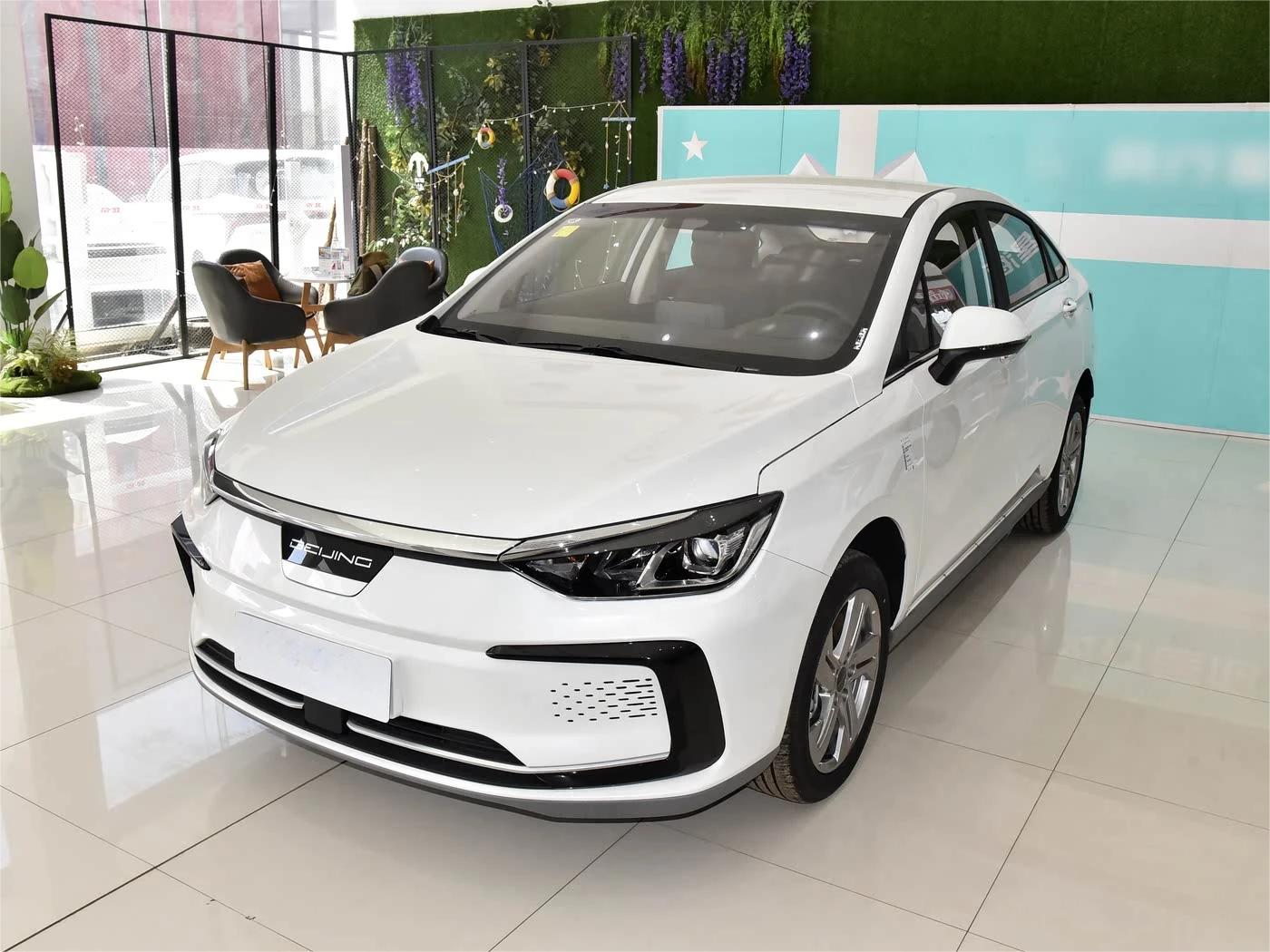
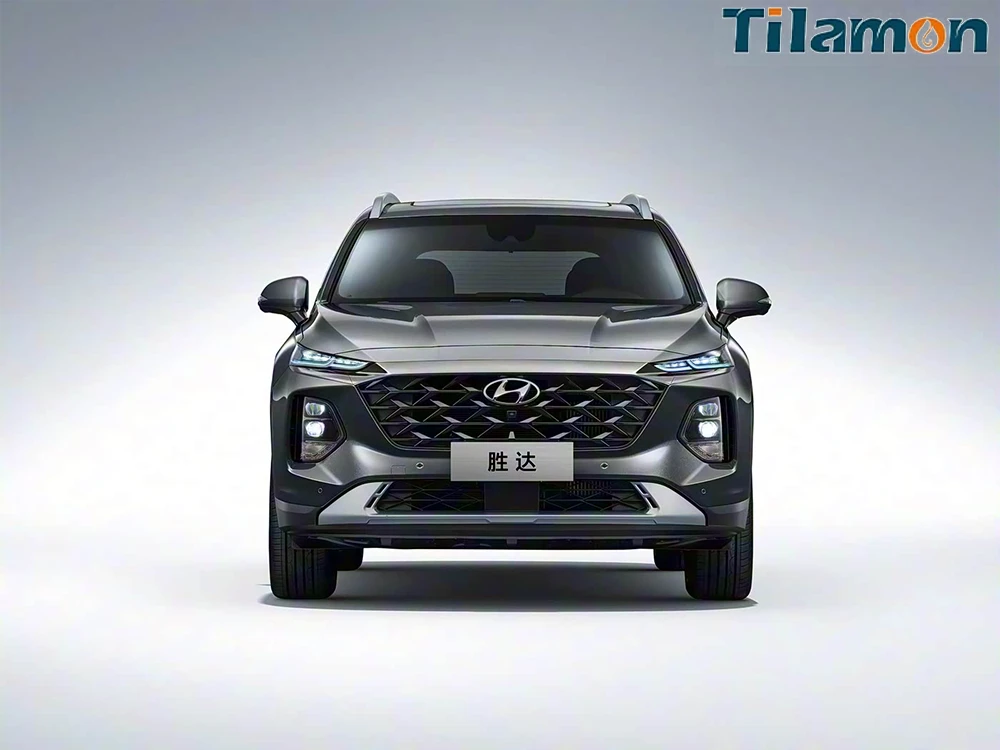
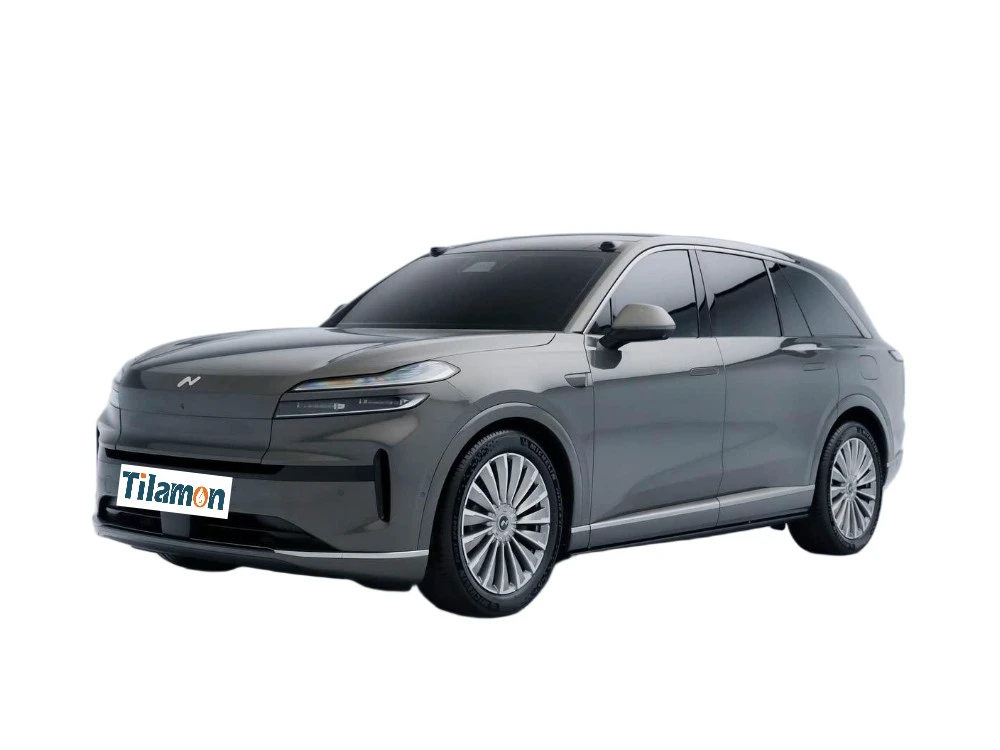
Chile is currently witnessing a pivotal shift in its automotive landscape. Due to its commitment to carbon neutrality by 2050 and the availability of lithium reserves, the demand for new energy ev models is surging, particularly in urban centers like Santiago and Valparaíso.

The geographical diversity of Chile, ranging from the Atacama Desert to the Patagonian glaciers, presents unique challenges for battery thermal management. This has led to a specific market preference for robust new chinese ev models that offer high efficiency and durability across extreme temperature gradients.

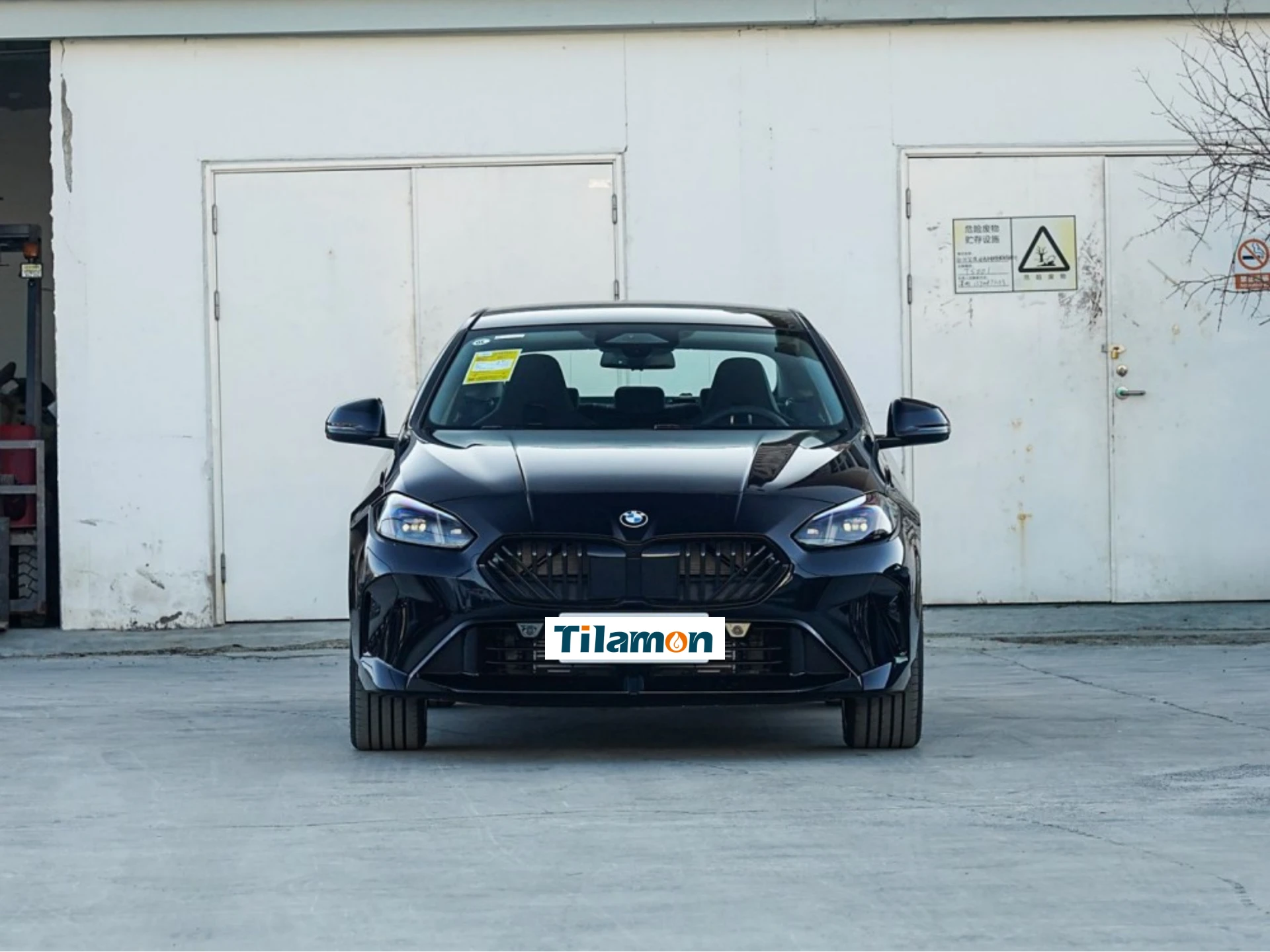
Simultaneously, the economic landscape is driving a dual-track market. While the upper tier adopts the latest tech, there is a significant and growing circulation of secondhand vehicle options as early adopters transition to newer iterations of electric platforms.
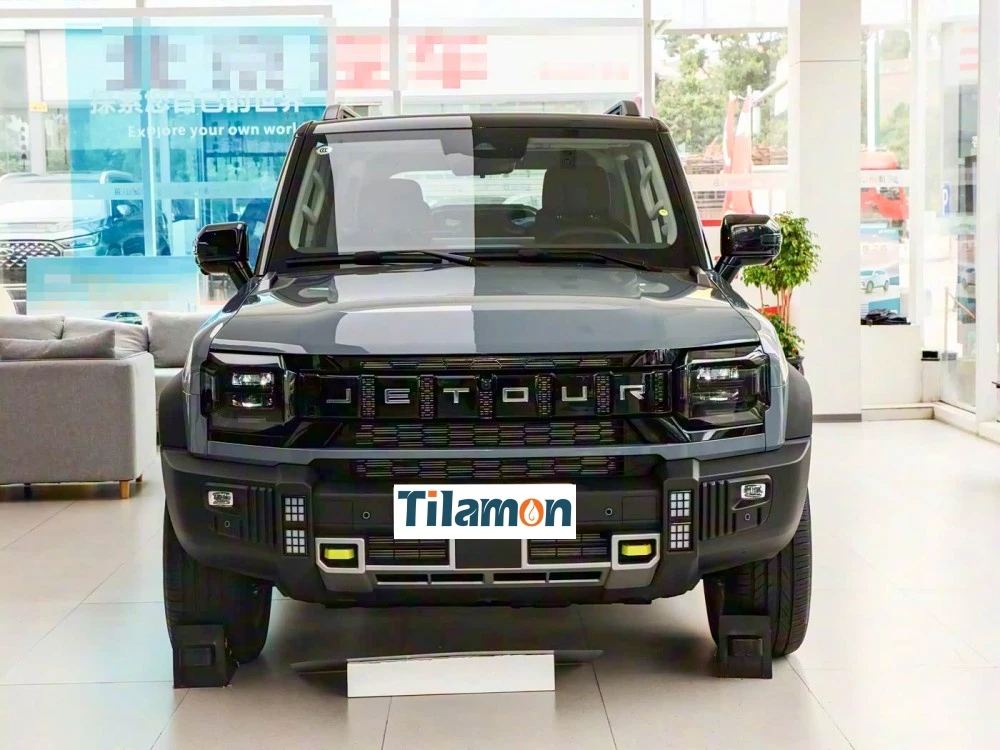
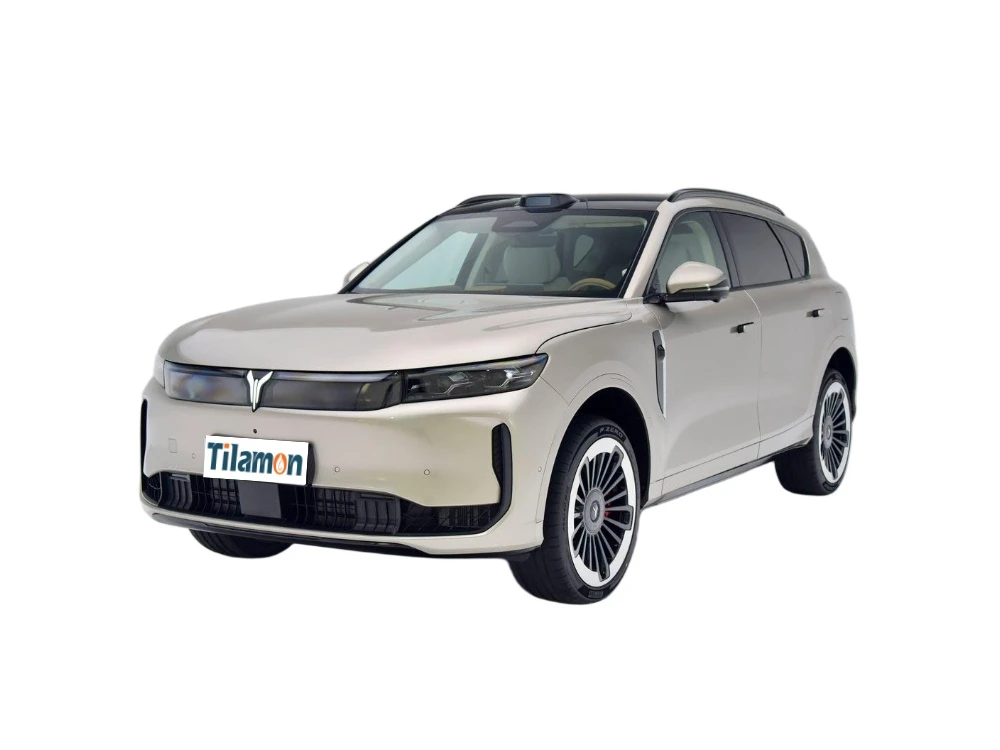
Evolution and Trajectory of Chilean Automotive Tech

From traditional combustion engines to the intelligence of new energy platforms.

Market Development History

Until 2010, the Chilean market was dominated by traditional internal combustion engines (ICE), focusing on reliability and mechanical simplicity. The early 2010s saw the introduction of basic hybrid systems, which served as a psychological bridge for consumers.

Between 2015 and 2020, the "Electrification Pivot" began. The Chilean government introduced tax incentives and the "Electro-mobility National Strategy," which paved the way for the first mass imports of a new energy vehicle, shifting the focus toward battery capacity and charging speeds.

From 2021 to the present, the market has entered the "Intelligence Phase." This era is defined by the integration of IoT, autonomous driving features, and the widespread availability of 2 nd hand cars that are electric, making sustainable transport accessible to the middle class.

Future Development Trends

V2G (Vehicle-to-Grid) Integration

We predict a move toward bidirectional charging, allowing EVs to support Chile's national grid during peak hours, utilizing the massive solar potential of the North.

Solid-State Battery Adoption

The next 3-5 years will see a transition from liquid electrolytes to solid-state batteries, drastically reducing charging times and increasing safety for long-distance travel across the Andes.

Circular Economy Ecosystems

Search trends indicate a rising interest in battery recycling and the certification of electric secondhand vehicle units, ensuring a sustainable lifecycle for automotive components.

Future Trends and Strategic Outlook

Projecting the next leap in automotive manufacturing for the Chilean market.

AI-Driven Fleet Management
Integrating predictive AI to optimize energy consumption and route planning for commercial EV fleets in Santiago.
Ultra-Fast Charging Hubs
Deployment of 350kW+ charging stations along the Pan-American Highway to eliminate range anxiety.
Modular Battery Swapping
Implementing swapping stations for taxi and delivery services to maximize vehicle uptime.
Autonomous Urban Logistics
Development of L4 autonomous delivery pods optimized for the dense urban layouts of Santiago.

Industry Outlook

Based on Google search trends in South America, there is a sharp increase in queries regarding "cost of ownership" for electric cars in Chile. This indicates a market shift from curiosity to pragmatic financial evaluation.

The future will be dominated by integrated energy ecosystems where the vehicle is not just a mode of transport, but a mobile energy storage unit contributing to the national stability of Chile's green energy grid.

Localized Application Scenarios in Chile

Practical implementations of new energy vehicles across diverse Chilean terrains.

1. Santiago Urban Commuter Flux

Utilizing compact new chinese ev models for daily commuting to reduce smog in the Santiago basin, leveraging the city's expanding public charging network.

2. Atacama Mining Logistics

Deploying heavy-duty new energy ev trucks for mineral transport, utilizing solar-powered charging hubs located directly at mine sites.

3. Valparaíso Hillside Transport

Implementing high-torque electric shuttles designed for the steep inclines of Valparaíso, replacing old diesel buses with zero-emission alternatives.

4. Patagonia Eco-Tourism Fleets

Providing sustainable travel options in national parks through long-range electric 4x4s, ensuring tourism growth does not compromise the fragile ecosystem.

5. Second-Life Battery Energy Storage

Converting batteries from 2 nd hand cars into stationary energy storage for rural Chilean communities, providing stable electricity via solar panels.

Brand Story

Global Development Journey of Shijiazhuang Zhenming Chemical Co., Ltd.

Foundational Excellence

Our journey began with a commitment to high-purity material science, creating the chemical foundations necessary for advanced automotive components.

Strategic Diversification

Recognizing the shift in global mobility, we expanded our expertise into the specialized polymers and electrolytes required for EV battery longevity.

Global Partnership Era

We established strategic alliances with leading vehicle manufacturers to ensure our materials meet the rigorous demands of the international market.

Sustainable Innovation

Our R&D focus shifted toward biodegradable and recyclable automotive materials, solving the pain point of electronic waste in the EV industry.

Chilean Market Integration

Today, we empower the Chilean automotive sector by providing the technical materials and support needed to sustain a robust new energy ecosystem.

Chilean EV Market: Frequently Asked Questions

Expert answers to the most common queries regarding electric mobility in Chile.

What are the benefits of buying a new chinese ev in Chile?

Chinese EVs offer a superior balance of technology and cost, often featuring advanced battery management systems that are well-suited for Chile's varied climates and urban congestion.

How do I verify the battery health of a secondhand vehicle?

We recommend a professional SOH (State of Health) diagnostic test, which measures the actual remaining capacity against the original factory specifications.

Is the charging infrastructure ready for a new energy ev across Chile?

While Santiago is well-equipped, the government is rapidly expanding the "Electroliner" network to connect major cities, making long-distance EV travel increasingly viable.

What is the expected lifespan of a new energy vehicle battery?

Modern LFP batteries typically last 8-10 years or over 150,000 km before dropping below 80% capacity, depending on charging habits and temperature.

Are 2 nd hand cars with electric drivetrains a good investment?

Yes, provided they have a documented service history. They offer an affordable entry point into sustainable mobility while maintaining low operational costs.

Do new energy vehicles require specialized maintenance in Chile?

EVs have fewer moving parts than ICE cars, requiring less frequent maintenance. However, they do need specialized technicians for high-voltage system checks and battery balancing.

Ready to Electrify Your Fleet?

Contact our specialist team to find the perfect automotive solutions for your business needs in Chile.

Contact Us Now

If you are interested in our products, you can choose to leave your information here, and we will be in touch with you shortly.