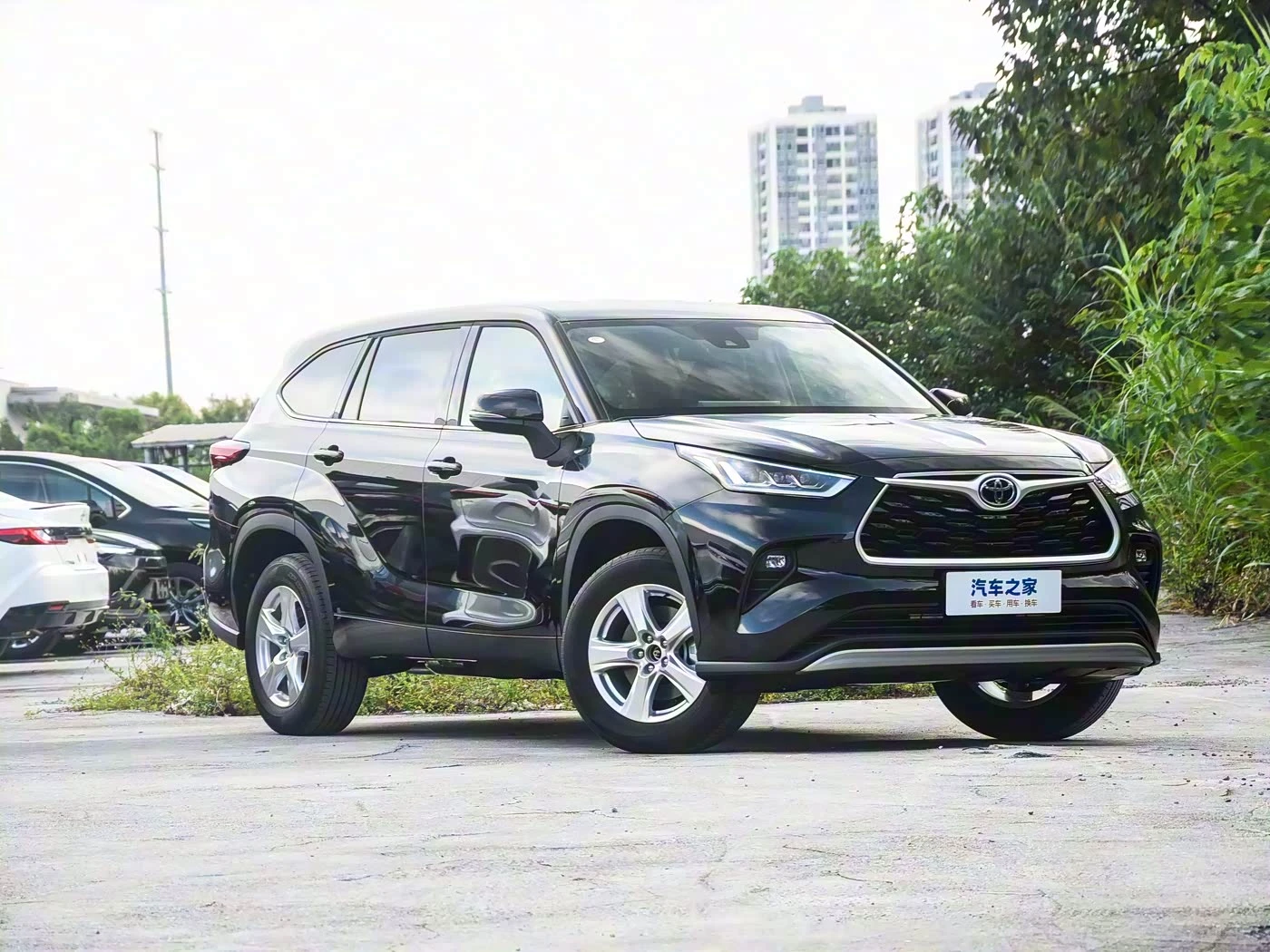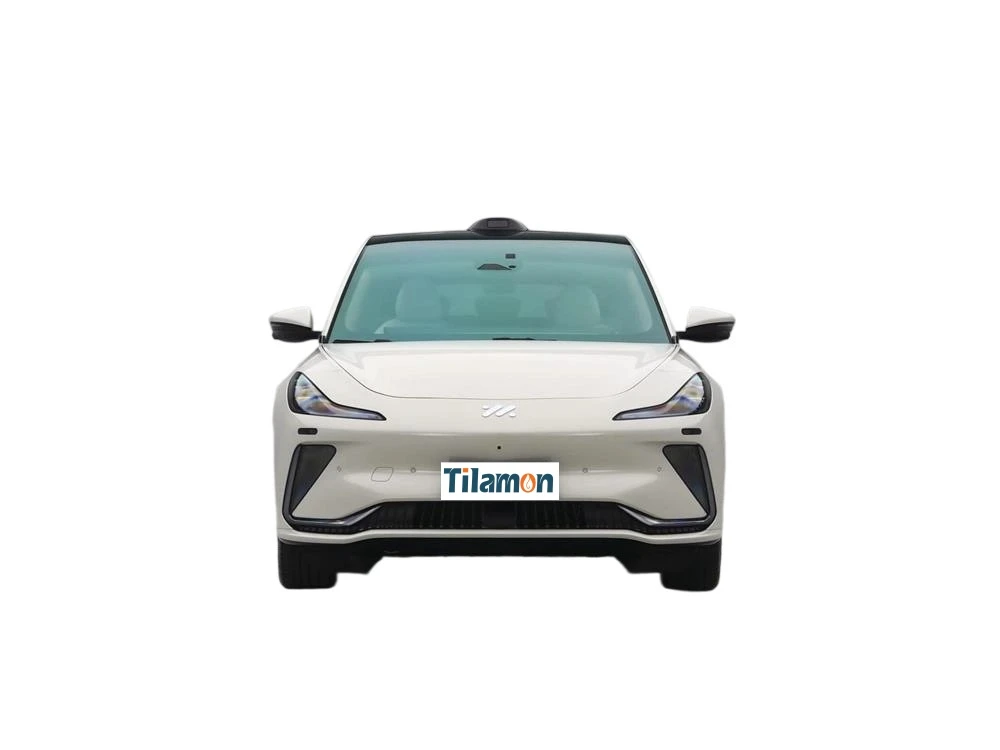
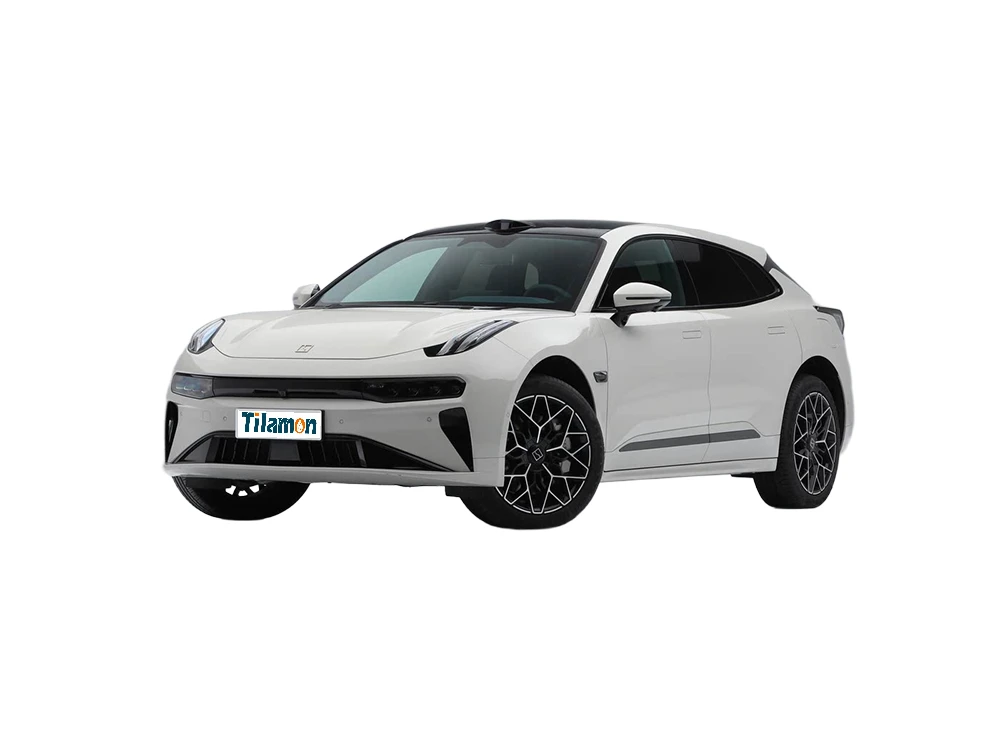
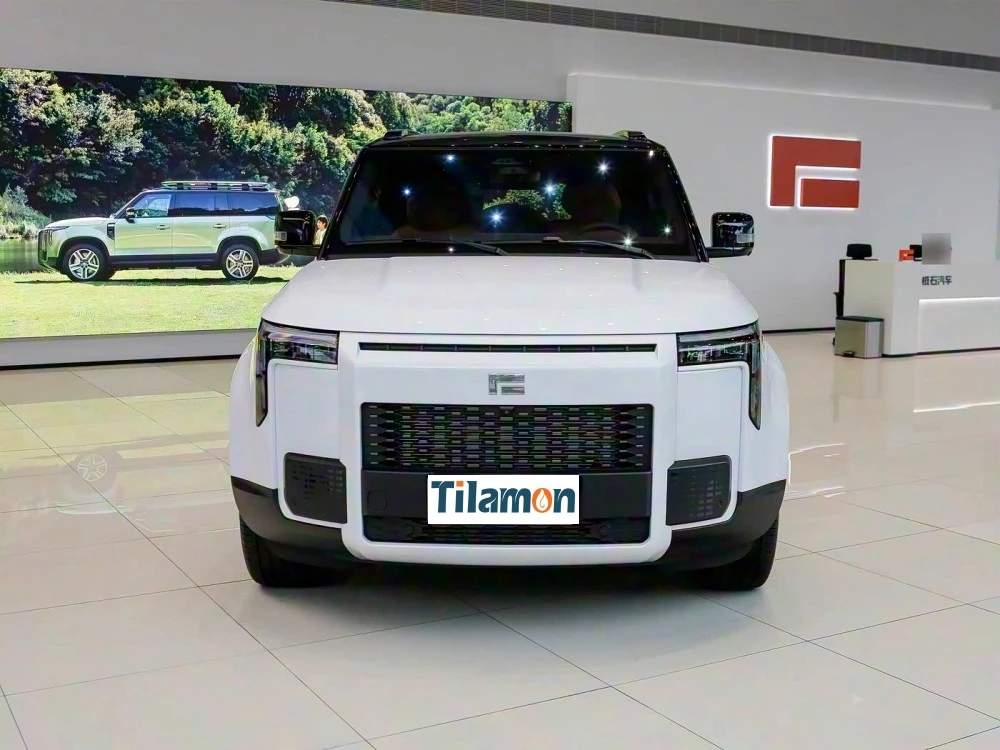
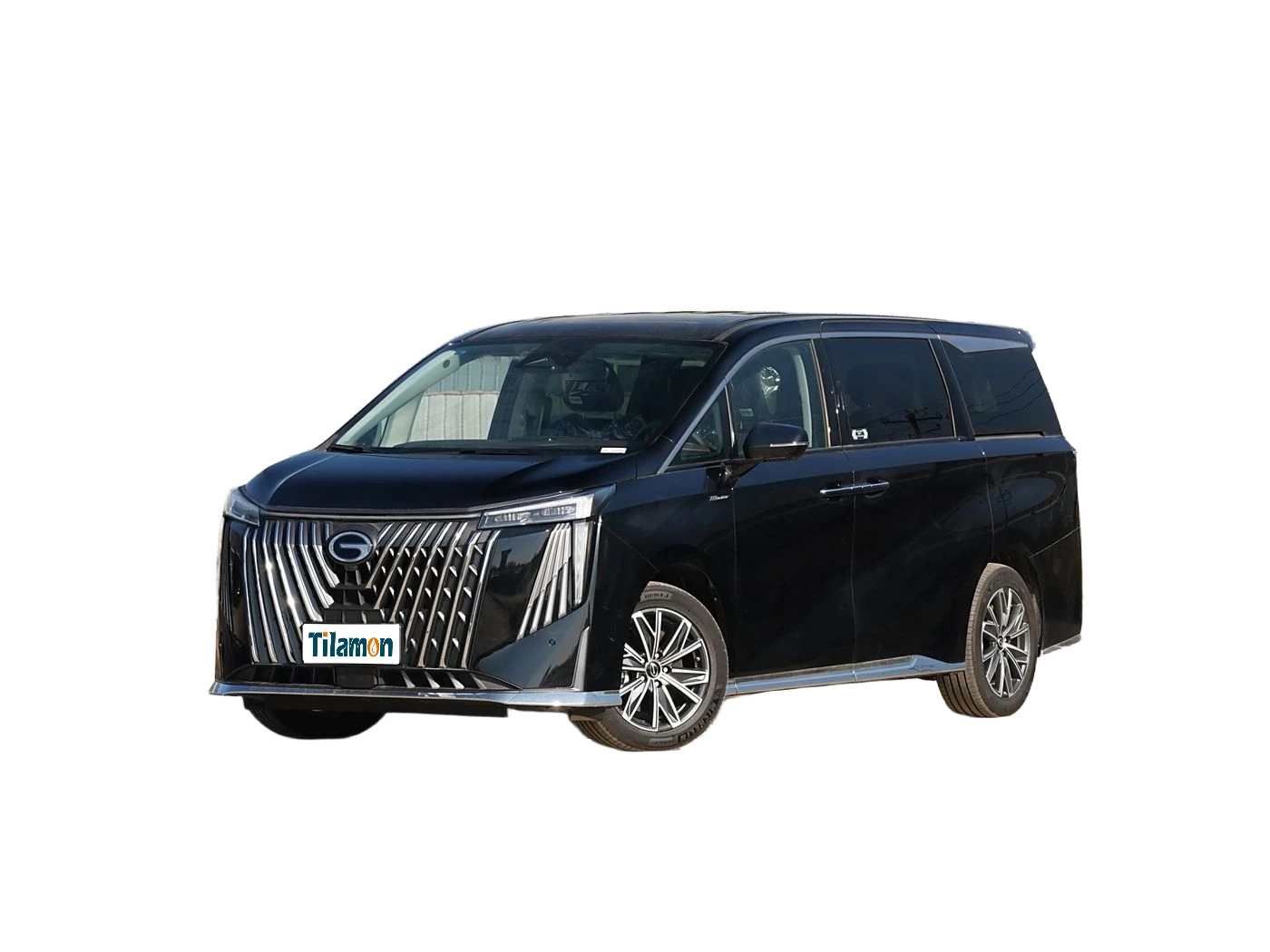
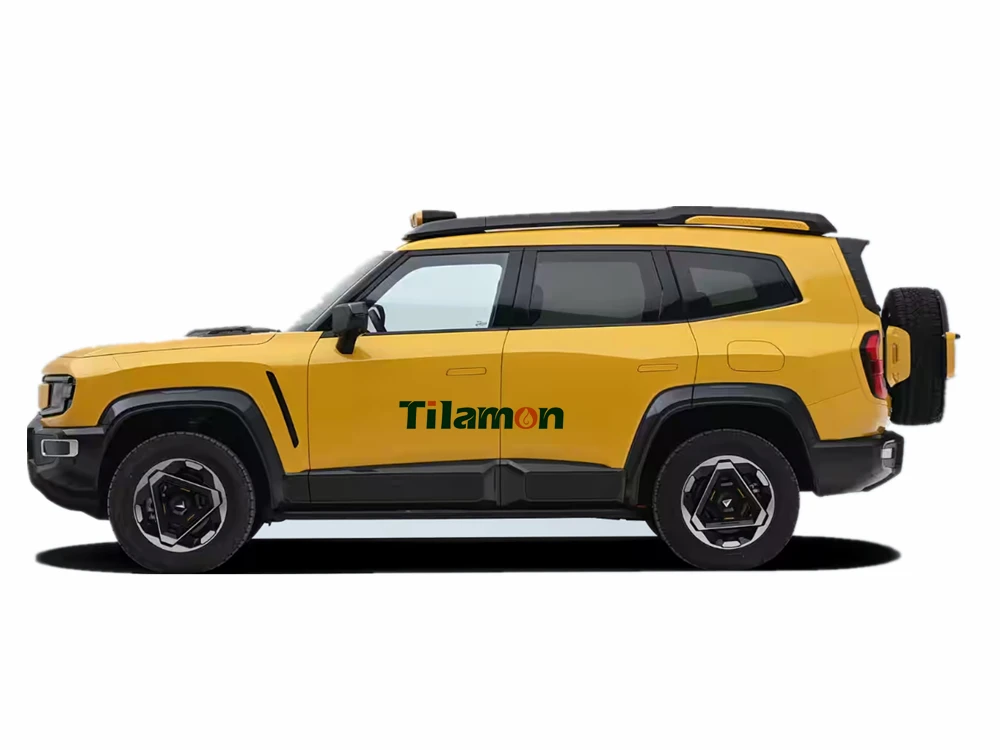
Ethiopia's current automotive market is heavily reliant on imported secondhand vehicle units, which often struggle with the high altitude of the Ethiopian Highlands and increasing urban congestion in Addis Ababa. The dependence on fossil fuels has created a vulnerability to global oil price fluctuations, prompting the government to push for electrification.
The climatic conditions, characterized by varied topography and a rainy season, demand vehicles with high durability and efficient battery thermal management. Consequently, there is a growing demand for a new chinese ev fleet that offers a balance between affordability and ruggedness to handle local road conditions.
Economic shifts and new import regulations are now incentivizing the adoption of new energy ev technology. This shift is not just about changing the fuel source, but about integrating a complete manufacturing and maintenance ecosystem within Ethiopia to reduce long-term operational costs.