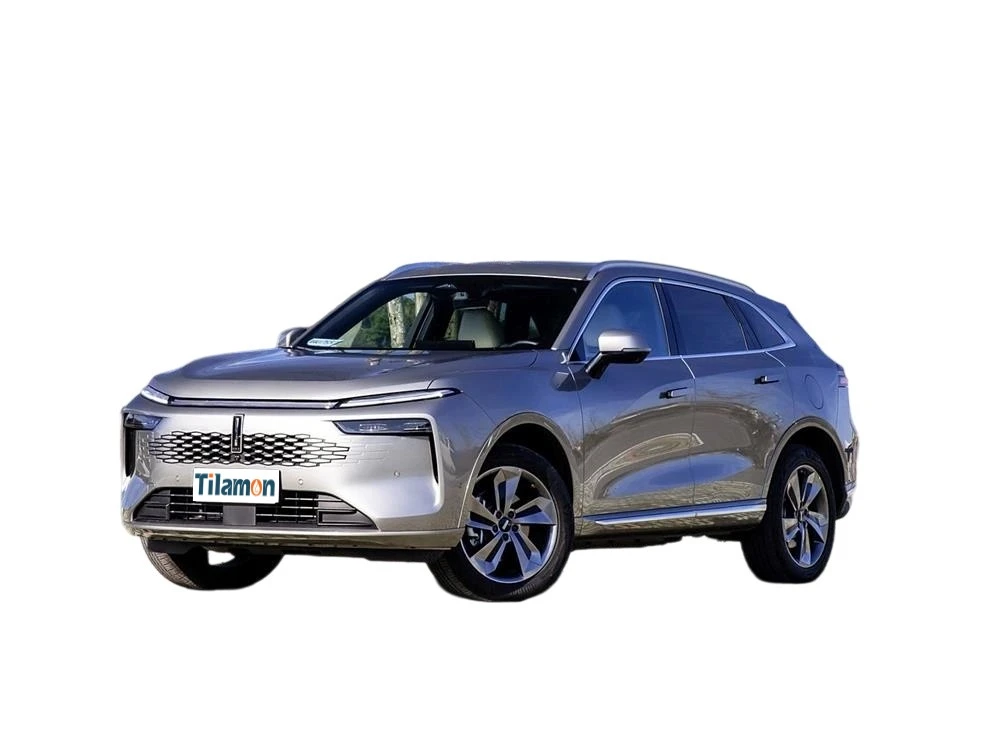
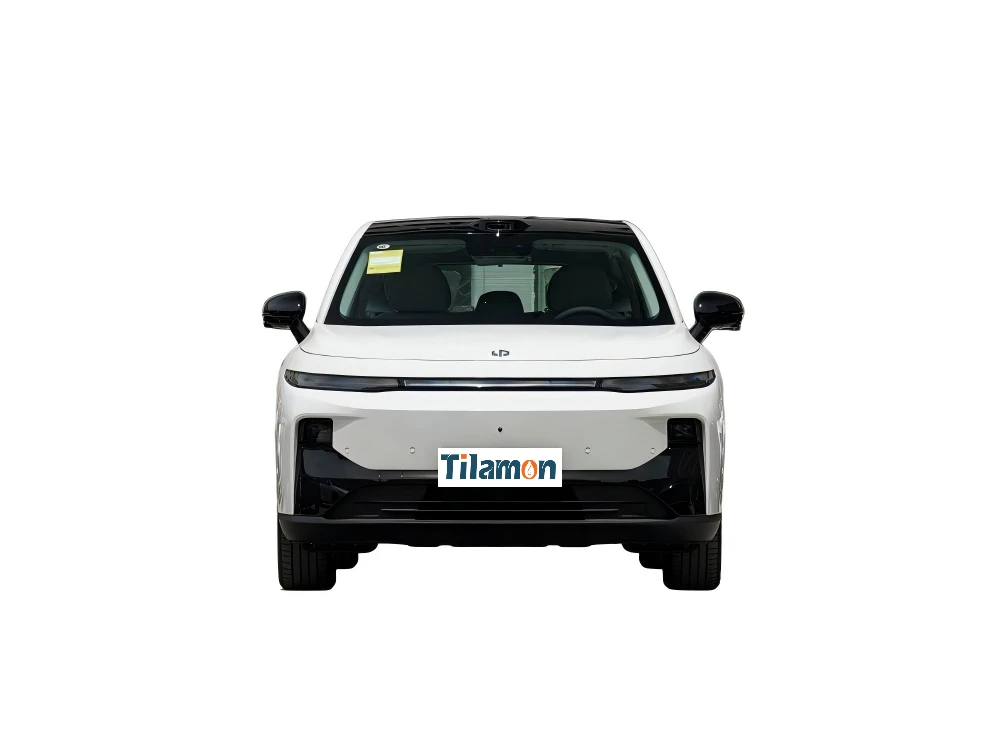
Sustainable Mobility Solutions for Tanzania: The Rise of new energy vehicle

Accelerating Tanzania's transition from traditional combustion to intelligent, eco-friendly transportation through advanced automotive manufacturing.

Sustainable Mobility Solutions for Tanzania: The Rise of new energy vehicle

Driving the future of Tanzanian roads by integrating high-efficiency energy systems with durable automotive engineering to meet the demands of East African terrains.

The Current State of Automotive Adoption in Tanzania

Analyzing the shift from combustion engines to electrified transport in the East African corridor.

Tanzania's automotive landscape has long been dominated by the secondhand vehicle market, where durability and low initial cost are the primary drivers. In cities like Dar es Salaam, the high humidity and salty coastal air necessitate vehicles with robust chassis and corrosion-resistant materials.

Currently, there is a significant pivot toward new energy ev options as the government seeks to reduce fuel imports and urban smog. However, the adoption rate is closely tied to the development of charging infrastructure and the stability of the national power grid across different regions.

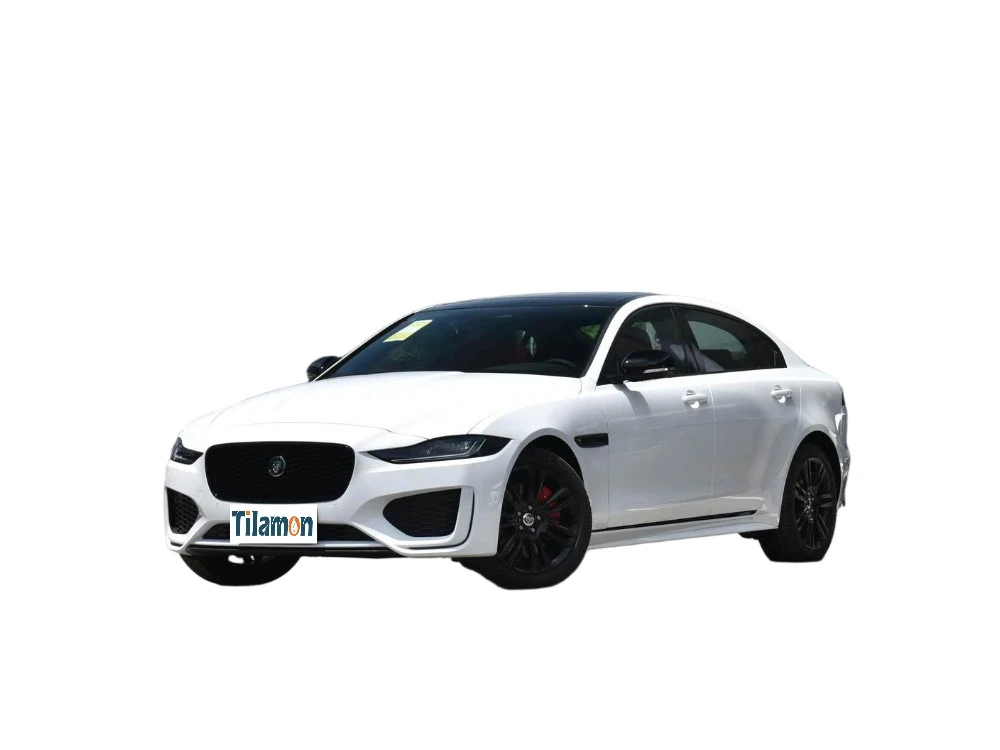
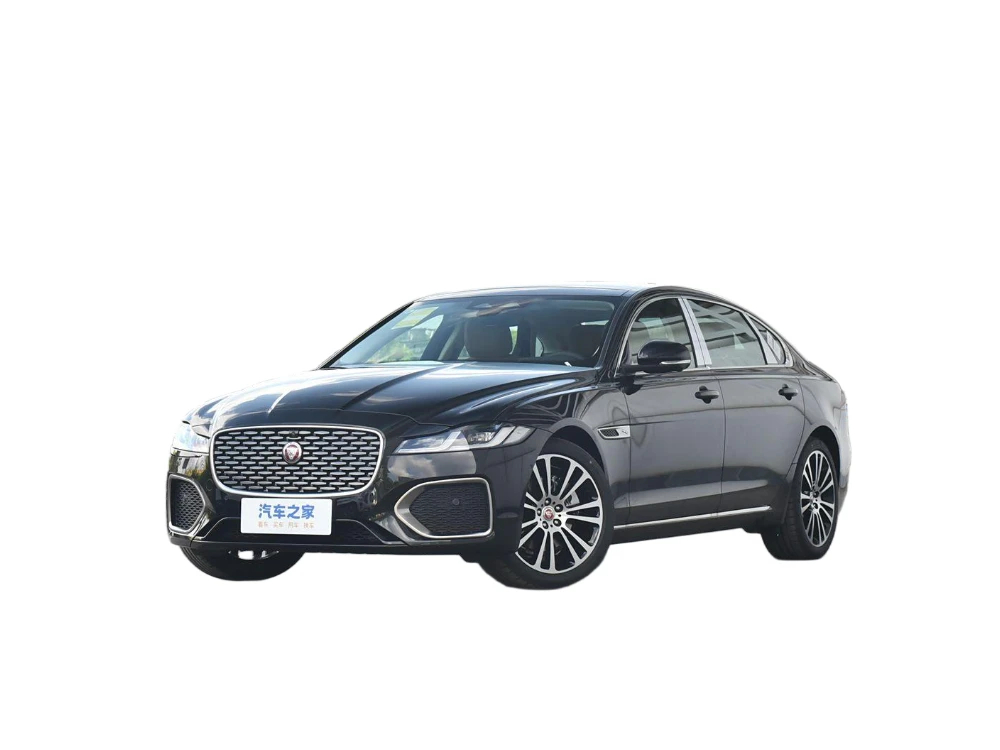
The appetite for 2 nd hand cars remains strong, but consumers are increasingly asking for better efficiency. This gap has created a unique opportunity for integrated automotive manufacturing that offers both brand-new electric solutions and certified pre-owned energy-efficient alternatives.
Evolution and Development Trajectory of Tanzanian Transport

From legacy internal combustion engines to the era of intelligent electrification.

Market Development History

From 2000 to 2015, the market was characterized by a heavy reliance on imported diesel and petrol engines, primarily serving as logistics hubs for agriculture and mining. The technical focus was purely on mechanical endurance and ease of repair.

Between 2016 and 2022, a transitional phase began. The introduction of hybrid technologies started to gain traction in corporate fleets, signaling a move away from pure combustion. This period saw the first waves of new chinese ev models entering the market, offering a balance of technology and affordability.

From 2023 onwards, the "Electrification Leap" occurred. The industry shifted toward fully integrated new energy ev ecosystems, focusing on battery management systems (BMS) capable of handling high ambient temperatures typical of the Tanzanian climate.

Future Development Trends

LFP Battery Standardization

The shift toward Lithium Iron Phosphate (LFP) batteries to ensure safety and longevity in tropical heat, reducing degradation during rapid charging cycles.

Solar-Integrated Charging

Integration of photovoltaic panels into charging stations to leverage Tanzania's abundant sunlight, bypassing grid limitations in rural areas.

Digital Fleet Management

Implementation of IoT-based monitoring for EV fleets to optimize energy consumption and predictive maintenance in real-time.

Industry Trends and Future Outlook

Strategic projections for the next 3-5 years based on global search trends and regional economic growth.

Accelerated Infrastructure Deployment
Rapid expansion of fast-charging networks across the Dar es Salaam-Arusha corridor to eliminate range anxiety.
Circular Economy Integration
Establishment of battery recycling centers to ensure the sustainable lifecycle of electric vehicle components.
Customized Rugged Design
Development of EV chassis specifically reinforced for unpaved rural roads and heavy-duty load requirements.
Smart Energy Trading
V2G (Vehicle-to-Grid) implementation allowing EV owners to sell excess energy back to the network.

Industry Outlook

The convergence of affordable manufacturing and government green incentives suggests a CAGR of 15% for the electric vehicle sector in Tanzania through 2028. Search trends indicate a surge in demand for low-maintenance transport solutions.

Ultimately, the market will move toward a hybrid model where brand new high-tech EVs coexist with a refurbished secondary market, ensuring that sustainable mobility is accessible to all socioeconomic layers of the population.

Local Application Scenarios in Tanzania

How modern automotive manufacturing solves real-world transportation challenges across Tanzania.

01. Urban Ride-Hailing in Dar es Salaam

Deployment of compact new energy ev units for ride-sharing apps to reduce operational costs and eliminate fuel dependency in heavy traffic.

02. Last-Mile Logistics for E-Commerce

Utilizing small-scale electric vans for delivery services in congested urban centers, significantly reducing the cost per parcel.

03. Rural Agricultural Transport

Applying ruggedized EV pickups to transport produce from farms to market hubs, powered by localized solar charging stations.

04. Tourism Eco-Tours in Serengeti/Zanzibar

Replacing noisy combustion engines with silent electric safari vehicles to enhance wildlife viewing experiences and protect the environment.

05. Public Transit Electrification (BRT)

Transitioning the Bus Rapid Transit systems to high-capacity energy vehicles to lower municipal emissions and improve air quality.

Brand Story

Global Development History of Shijiazhuang Zhenming Chemical Co., Ltd.

Industrial Foundation

Established with a focus on high-purity chemical materials essential for automotive battery components and industrial coatings.

Technological Diversification

Expanded R&D into advanced polymers, enabling the creation of lighter and more durable vehicle frames for extreme climates.

Global Expansion

Strategically entered the African market, providing the chemical precursors needed for local EV assembly and maintenance.

Sustainability Pivot

Implemented green manufacturing protocols to ensure all products meet international environmental standards for the automotive sector.

Future Integration

Currently building a closed-loop system for battery material recovery to support the total lifecycle of EVs globally.

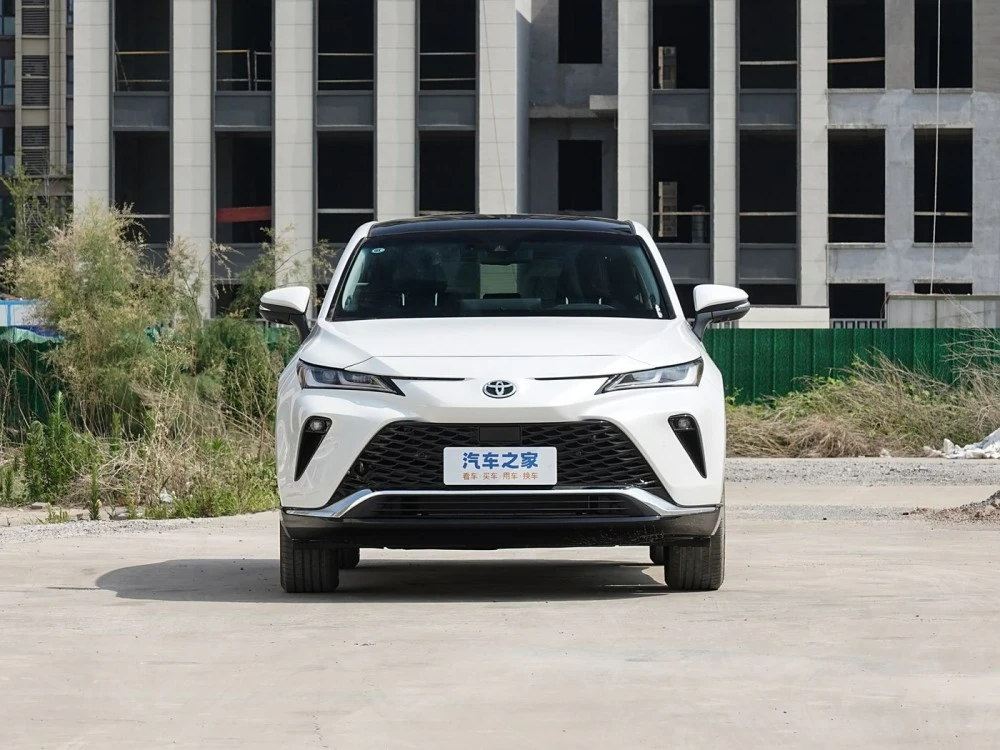
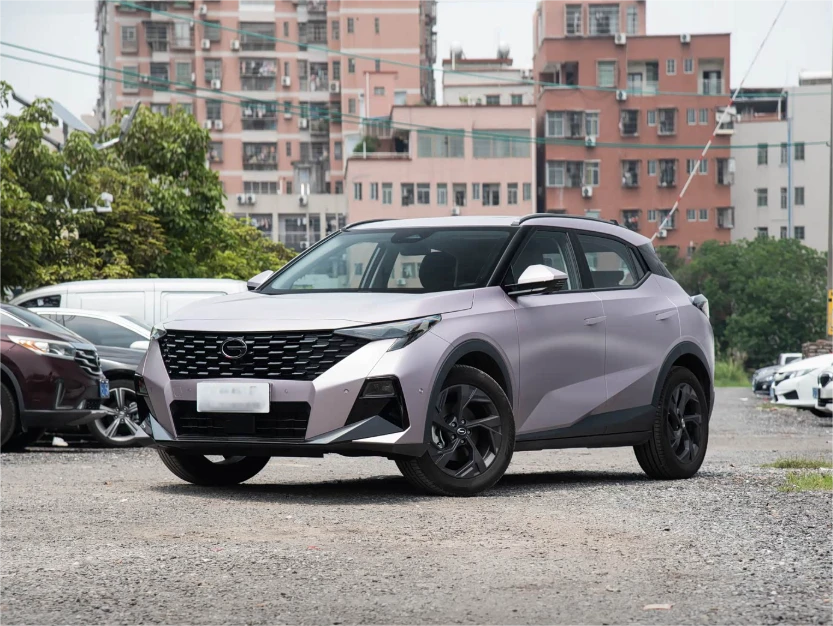
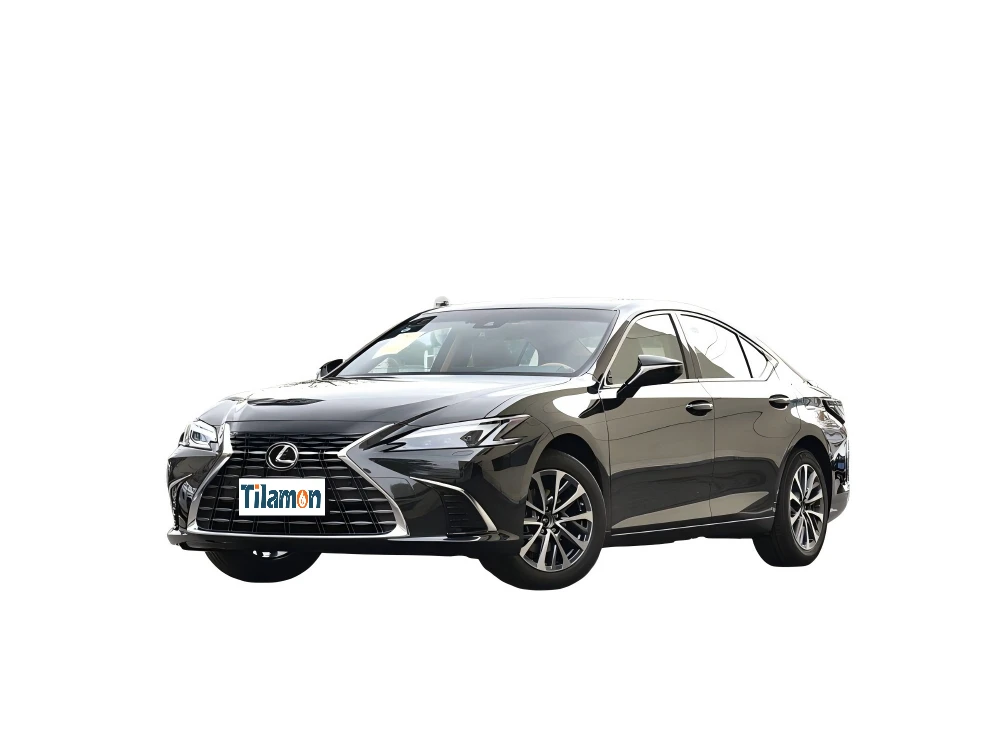
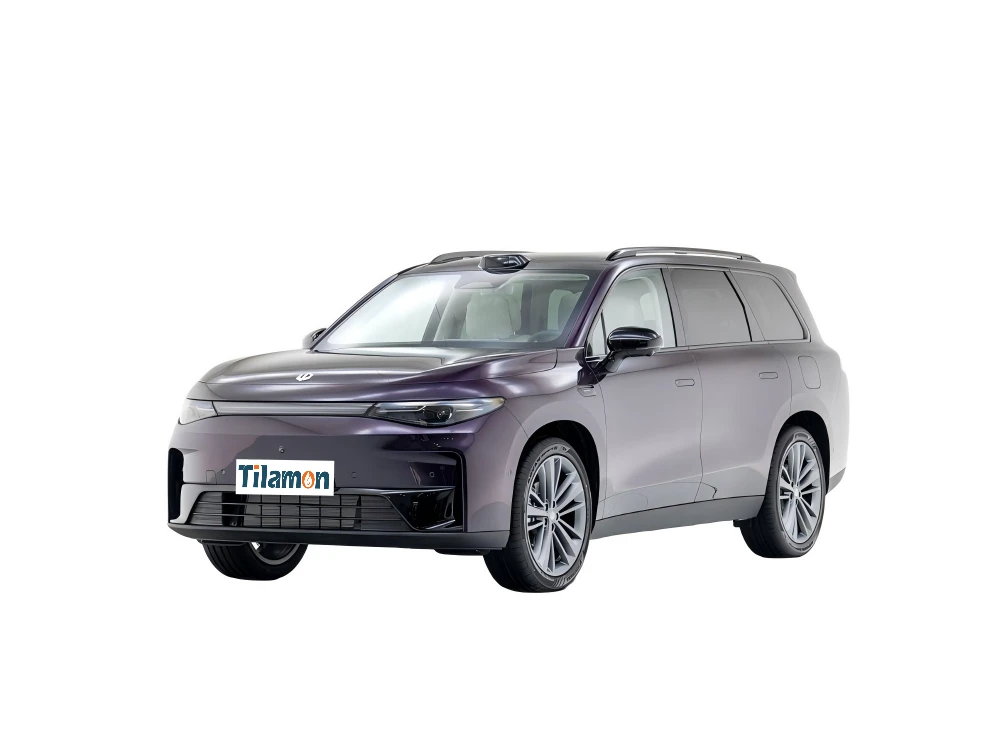
Comprehensive Vehicle Portfolio for Tanzania

From luxury electric sedans to rugged pre-owned workhorses, tailored for the Tanzanian market.

Tanzania Automotive & EV FAQ

Addressing common concerns regarding the adoption of new energy transport in East Africa.

What are the benefits of a new chinese ev for Tanzanian road conditions?

Modern Chinese EVs offer a high cost-to-performance ratio and are increasingly designed with reinforced suspensions and high-clearance chassis specifically for developing road infrastructures.

How do I maintain a new energy ev in coastal cities like Dar es Salaam?

Focus on anti-corrosion treatments for the undercarriage and ensuring that the battery cooling system is cleaned regularly to prevent overheating in humid climates.

Is it better to buy a brand new vehicle or a secondhand vehicle in Tanzania?

New vehicles offer warranties and the latest energy efficiency, while certified pre-owned options provide an affordable entry point into sustainable mobility.

What is the expected battery life for a new energy vehicle in a tropical climate?

With LFP battery technology and proper thermal management, most modern EVs maintain over 80% capacity for 8-10 years even in warm environments.

Where can I find reliable 2 nd hand cars with electric conversions?

It is recommended to purchase from certified dealers who provide a full diagnostic report on the battery health and conversion quality.

Are there government incentives for importing electric vehicles into Tanzania?

The Tanzanian government has been exploring tax reductions and duty exemptions for electric vehicles to encourage a greener transport economy.

Ready to Transition to Sustainable Transport?

Our experts are ready to help you navigate the automotive landscape in Tanzania with the best energy-efficient solutions.

Contact Us Now

If you are interested in our products, you can choose to leave your information here, and we will be in touch with you shortly.