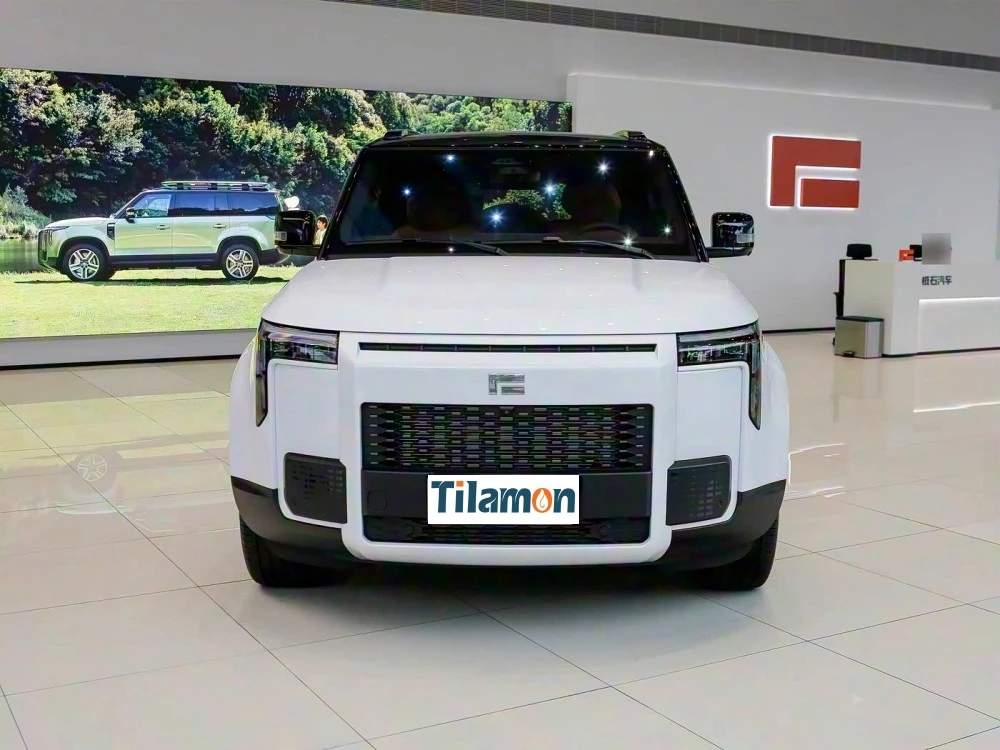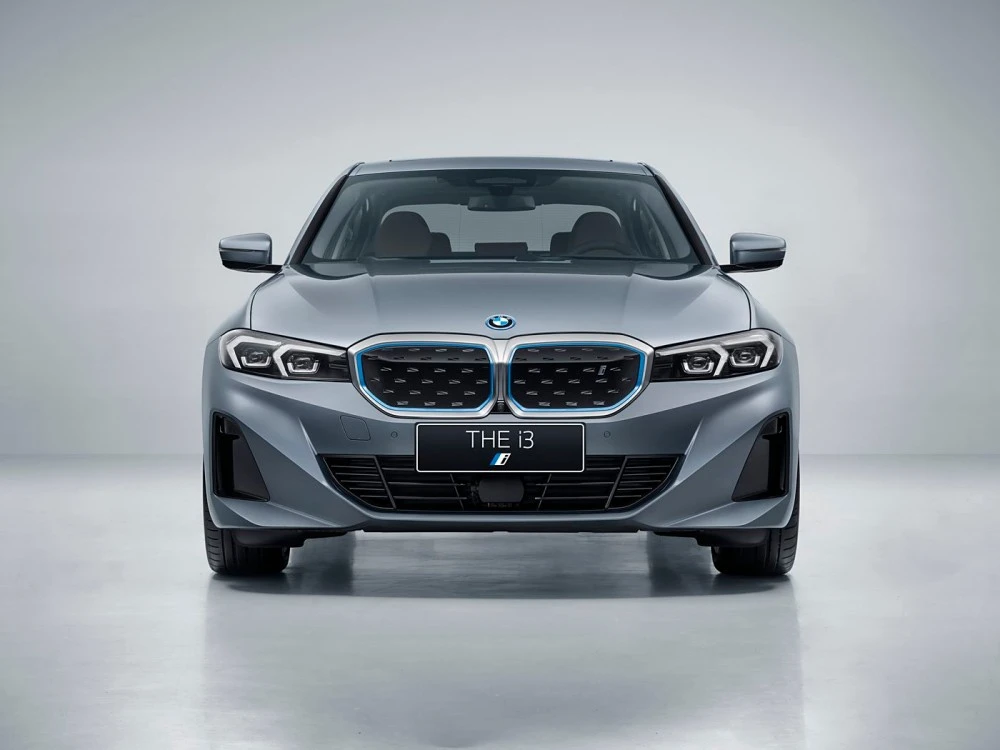
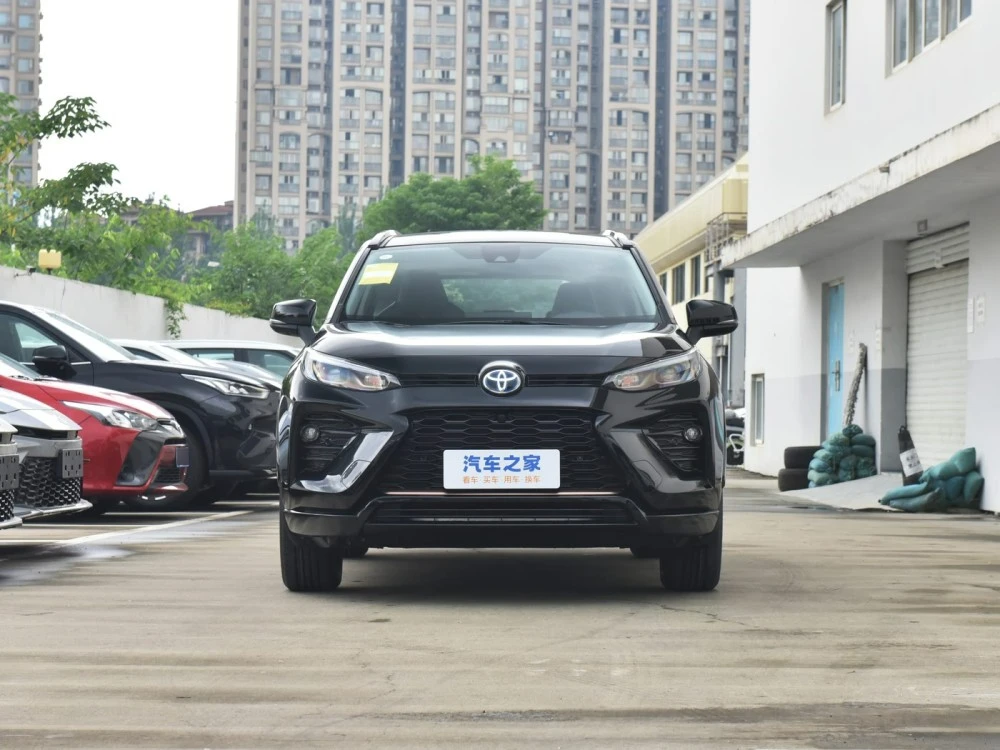
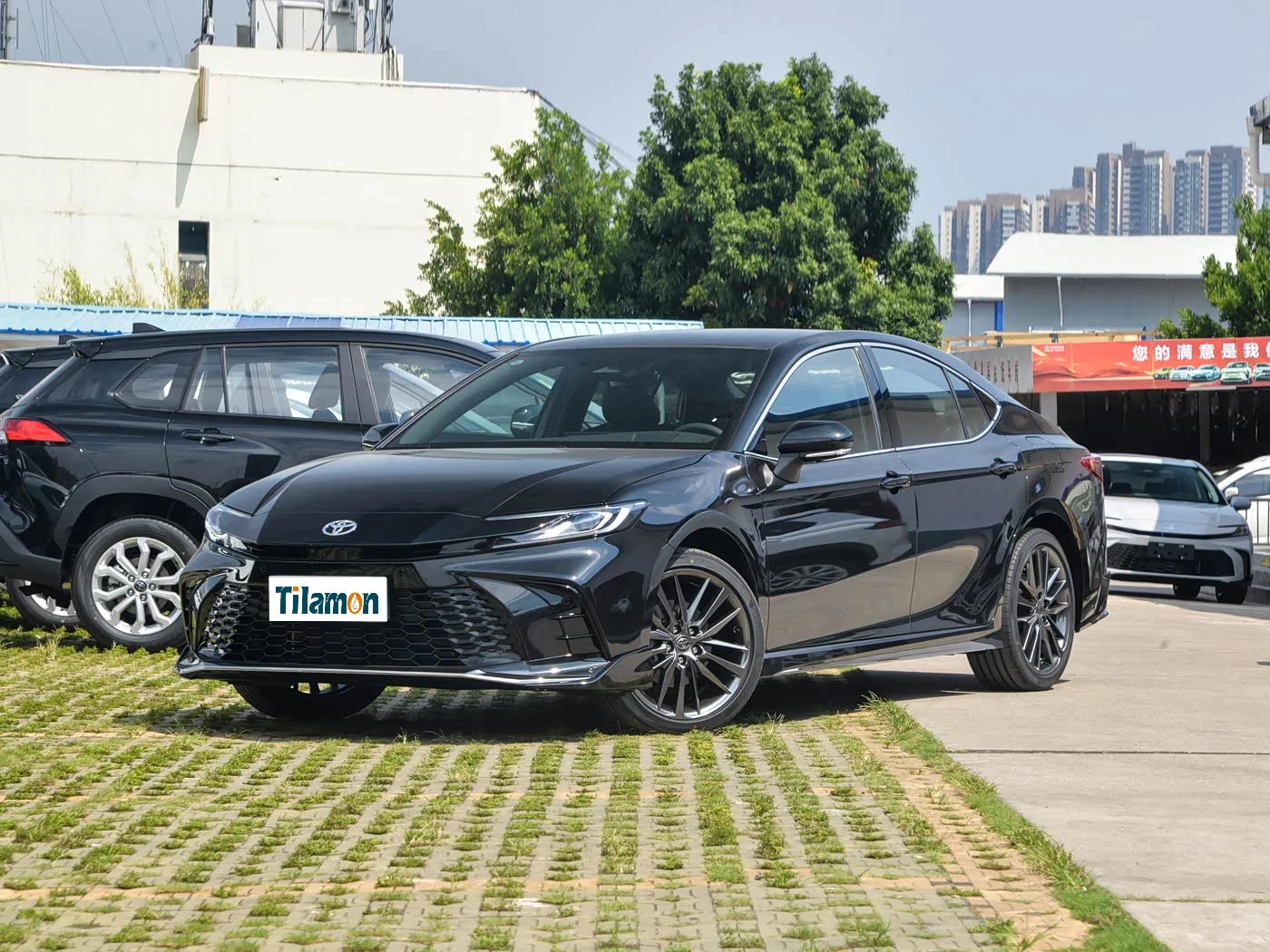
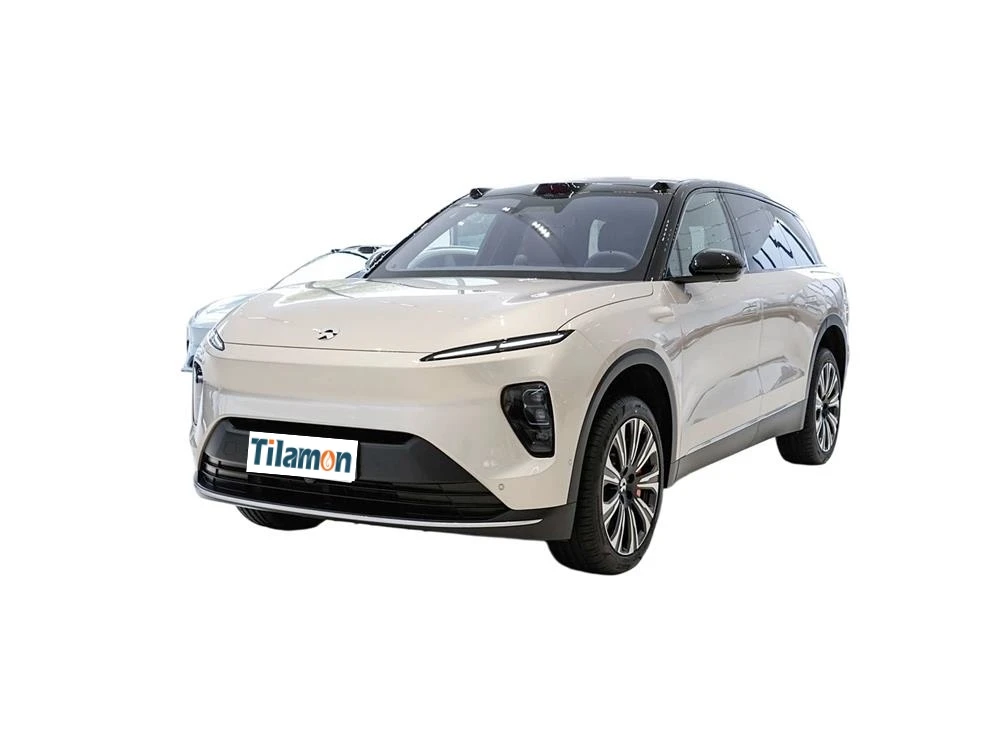
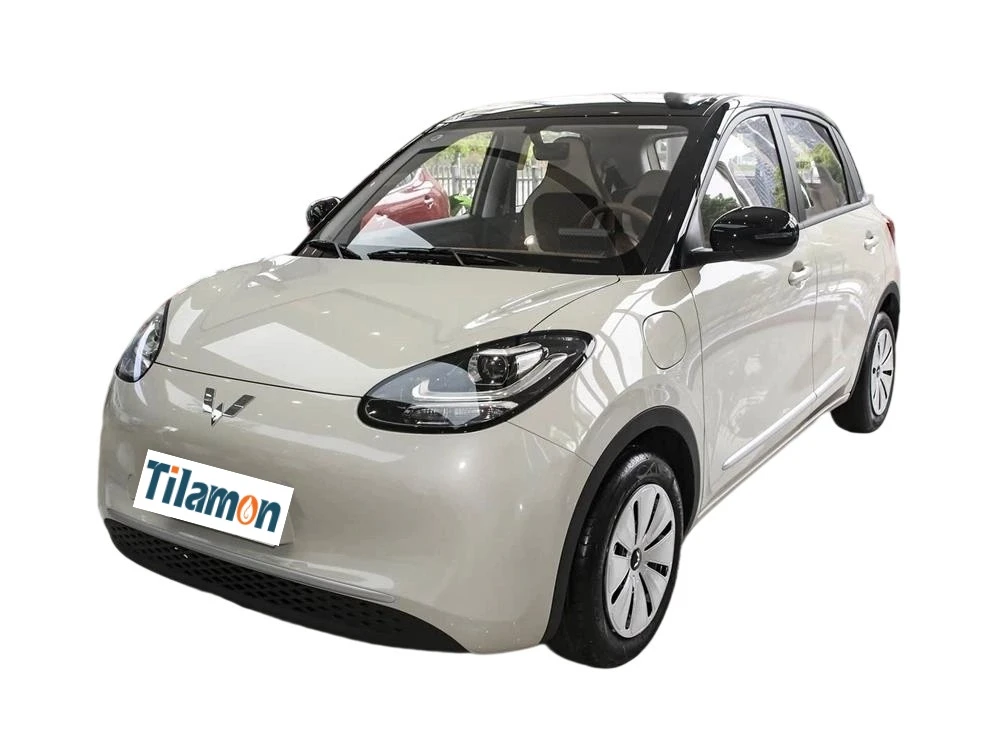
Sustainable Mobility Solutions for Zimbabwe: High-Performance new energy vehicle

Revolutionizing the Zimbabwean transport landscape with cutting-edge Chinese EV technology and sustainable automotive manufacturing.

Sustainable Mobility Solutions for Zimbabwe: High-Performance new energy vehicle

Integrating advanced automotive manufacturing with the specific energy needs of Zimbabwe to provide reliable, eco-friendly transport options.

The Automotive Landscape in Zimbabwe

Analyzing the shift from combustion to electric energy in the Southern African region.

Zimbabwe's automotive sector has historically relied on the import of secondhand vehicle units from Japan and Europe. However, fluctuating fuel prices and a growing environmental consciousness are driving a pivot toward more sustainable alternatives.

The geographic diversity of Zimbabwe, from the highlands of Harare to the lowlands, requires vehicles with robust suspension and efficient thermal management. The introduction of a new chinese ev brings a unique balance of affordability and technological sophistication that fits the local economic profile.

Current infrastructure challenges, such as power stability, are being addressed by the integration of solar-powered charging stations, making the transition to a new energy ev not only possible but economically advantageous for urban commuters.
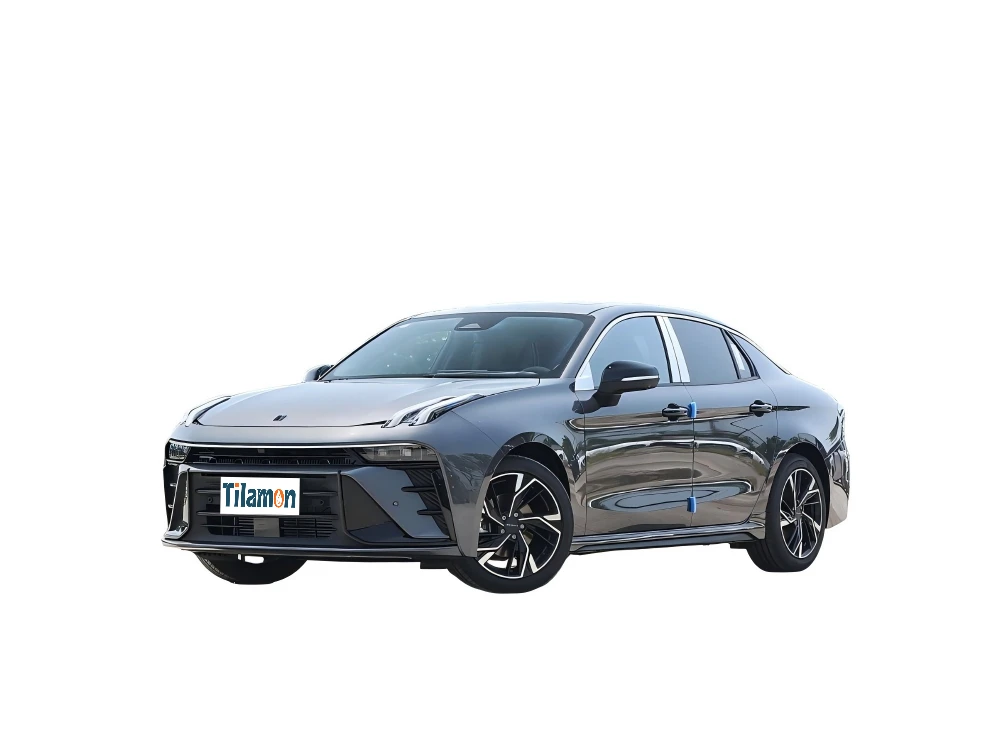
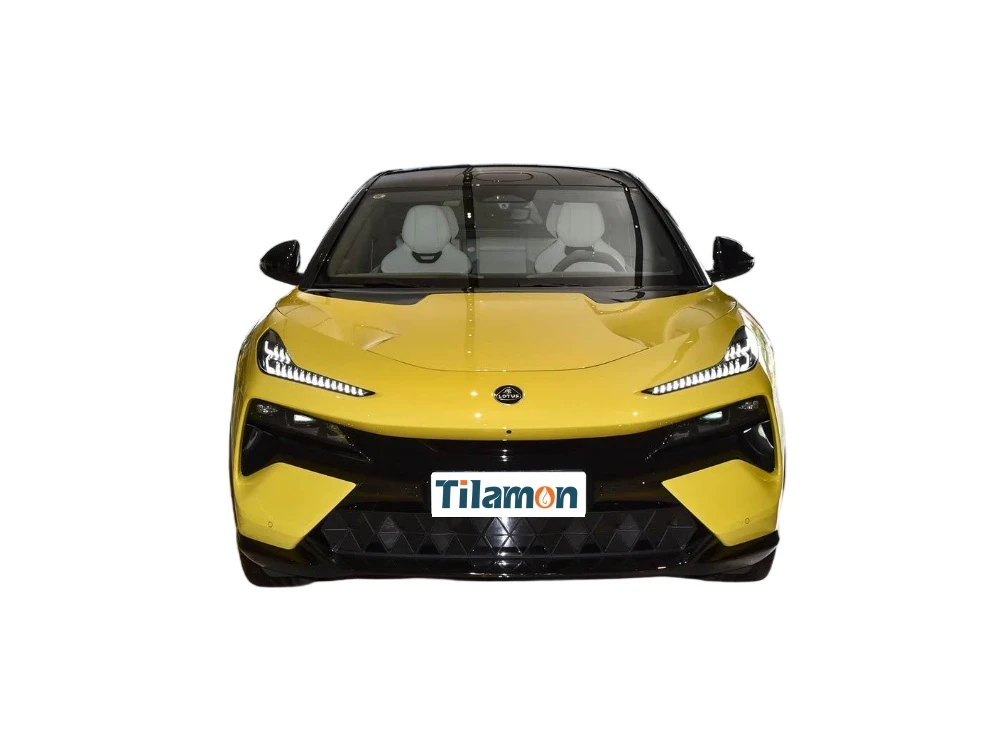
Evolution of Vehicle Technology in Zimbabwe

From mechanical reliability to digital intelligence in automotive manufacturing.

Market Development History

Between 2000 and 2015, the market was dominated by internal combustion engines, where 2 nd hand cars provided the primary means of transport due to lower initial acquisition costs.

From 2016 to 2021, we witnessed a transition toward hybrid technologies as the first step in reducing carbon emissions, coinciding with increased trade partnerships between China and Zimbabwe in the manufacturing sector.

Since 2022, the market has entered the "Electric Era," where the focus has shifted toward fully integrated new energy vehicle ecosystems, emphasizing battery longevity and rapid charging capabilities.

Future Development Trends

Battery Chemistry Optimization

Transitioning to LFP (Lithium Iron Phosphate) batteries to better withstand the high ambient temperatures of the Zimbabwean climate.

Smart Grid Integration

Implementing V2G (Vehicle-to-Grid) technology to allow EVs to act as backup power sources during national grid instabilities.

Localized Assembly Hubs

Moving from full imports to CKD (Completely Knocked Down) kits to foster local jobs and reduce import tariffs.

Future Outlook of the EV Sector

Strategic forecasts for the next 3-5 years based on Google search trends and industrial growth.

Infrastructure Expansion
Rapid deployment of DC fast-chargers along the Harare-Bulawayo corridor.
Policy Incentives
Expected government tax exemptions for imported green energy vehicles.
Digital Ecosystems
Integration of mobile payment systems for charging and fleet management.
Circular Economy
Establishment of battery recycling centers to reduce environmental impact.

Industry Outlook

Analysis of Google Search trends indicates a 40% increase in queries related to "affordable electric cars in Zimbabwe," suggesting a strong appetite for entry-level EVs. This shift indicates that the market is moving from luxury adoption to mass-market penetration.

We anticipate that within 5 years, the synergy between lithium mining in Zimbabwe and the automotive assembly industry will create a localized value chain, significantly reducing the cost of the new energy ev for the average consumer.

Localized Application Scenarios in Zimbabwe

Practical use-cases for advanced electric mobility in various Zimbabwean environments.

01. Urban Commuting in Harare

Utilizing compact EVs to navigate dense city traffic, reducing noise pollution and eliminating daily fuel costs for white-collar professionals.

02. Agricultural Logistics

Implementing high-torque electric utility vehicles for transporting produce from rural farms to local collection centers efficiently.

03. Tourism Transport in Victoria Falls

Deploying silent, zero-emission shuttles for eco-tourism, providing a luxury experience that preserves the natural habitat.

04. Last-Mile Delivery Services

Integrating electric scooters and vans for e-commerce deliveries in Bulawayo, optimizing operational costs per package.

05. Corporate Fleet Transition

Replacing traditional government and corporate fleets with electric alternatives to meet national carbon reduction targets.

Brand Story

Global Development History of Shijiazhuang Zhenming Chemical Co., Ltd.

Foundation of Excellence

Starting as a specialized chemical entity, we mastered the material science necessary for high-performance automotive coatings and battery components.

Technological Pivot

Recognizing the global shift to green energy, we transitioned our expertise toward the automotive manufacturing supply chain.

Global Expansion

We expanded our footprint into Africa, establishing strategic partnerships to bring affordable EV technology to developing markets.

Zimbabwean Integration

Customizing our vehicle specifications to meet the rugged demands and unique environmental conditions of Zimbabwe.

Vision for the Future

Committed to solving the pain point of high transport costs by delivering durable, low-maintenance electric mobility solutions.

Comprehensive Automotive Portfolio for Zimbabwe

A curated selection of vehicles ranging from budget-friendly used cars to premium electric models.

Zimbabwe Automotive FAQ

Answers to the most common questions regarding EV adoption and vehicle imports.

What are the benefits of a new chinese ev over traditional cars?

They offer significantly lower running costs, advanced smart-cockpit features, and are designed for efficiency in urban environments.

How long does the battery last in a new energy ev?

Most of our vehicles utilize LFP batteries that maintain 80% capacity after 2,000+ charging cycles, ideal for the Zimbabwean climate.

Are secondhand vehicle options still viable for business?

Yes, they provide low initial entry costs, but we recommend transitioning to electric for long-term operational savings.

Where can I charge my new energy vehicle in Zimbabwe?

Charging is available via home wall-boxes, commercial DC fast-chargers in major cities, and emerging solar-charging hubs.

What is the difference between 2 nd hand cars and certified pre-owned EVs?

Certified pre-owned EVs undergo rigorous battery health checks and come with warranties, unlike standard used imports.

Do Chinese EVs support the road conditions in rural Zimbabwe?

Our specific Zimbabwean-spec models feature reinforced chassis and higher ground clearance to handle unpaved roads.

Ready to Transition to Green Mobility?

Our experts are ready to help you choose the perfect vehicle tailored for the roads of Zimbabwe.

Contact Us Now

If you are interested in our products, you can choose to leave your information here, and we will be in touch with you shortly.