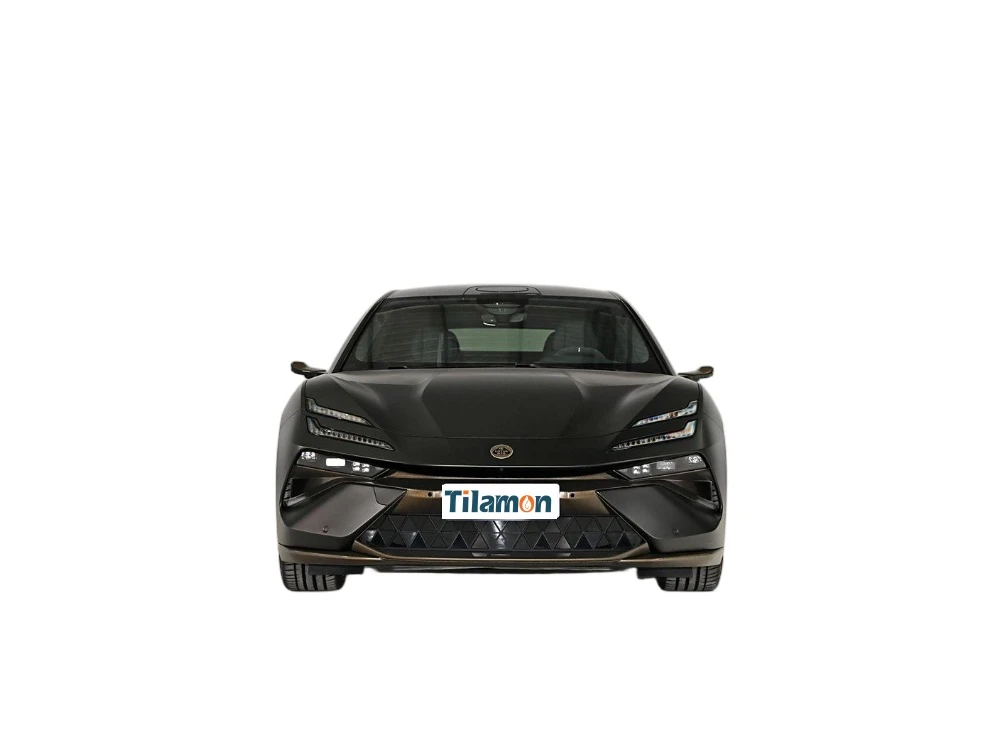
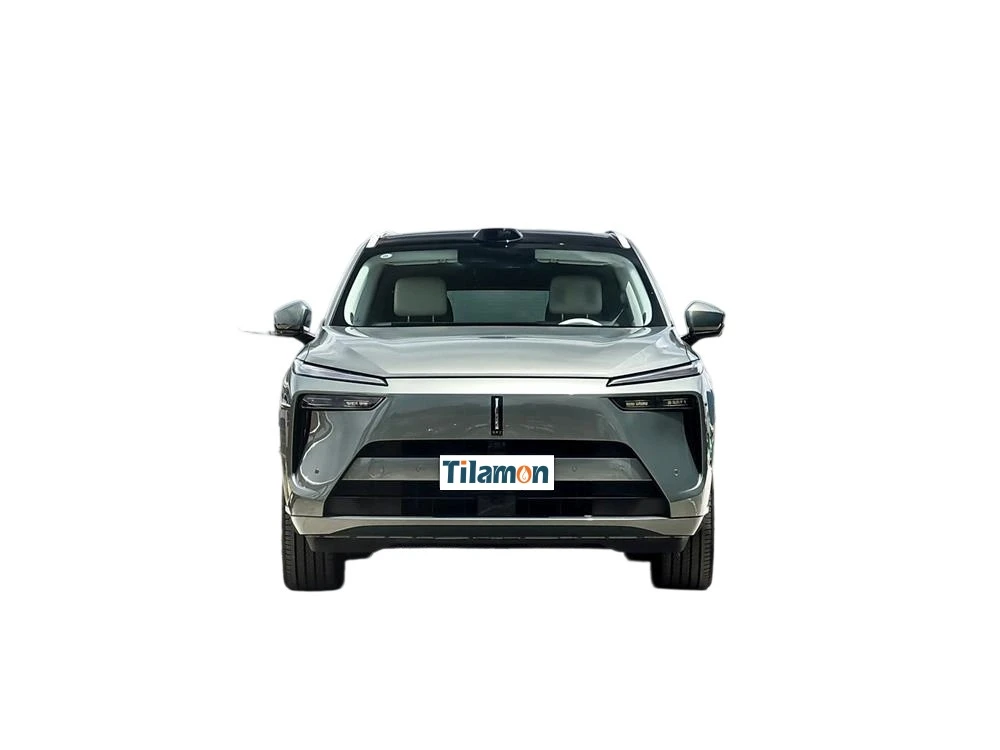
Sustainable Mobility Solutions: new energy ev for Kyrgyzstan

Driving the transition towards green transportation in Central Asia with cutting-edge Chinese electric vehicle technology and sustainable automotive ecosystems.

Sustainable Mobility Solutions: new energy ev for Kyrgyzstan

Integrating advanced battery technology and smart manufacturing to provide high-performance electric mobility tailored for the diverse terrains of Kyrgyzstan.

The Current Landscape of Automotive Mobility in Kyrgyzstan

Analyzing the shift from combustion engines to sustainable electric alternatives in the Kyrgyz market.

Kyrgyzstan's geography, characterized by high mountain ranges and extreme temperature fluctuations, has historically favored rugged internal combustion vehicles. However, the rise of the new energy vehicle sector is gaining momentum as Bishkek and other urban centers face increasing air quality challenges during winter inversions.

Economically, there is a strong preference for value-driven assets. While the demand for secondhand vehicle options remains high due to affordability, there is a noticeable trend towards importing high-quality, pre-owned electric cars that offer lower operating costs compared to traditional fuel cars.

The current infrastructure is in a transitional phase. The introduction of 2 nd hand cars from international markets has paved the way for consumers to trust electric drivetrains, creating a fertile ground for new, factory-direct Chinese electric imports.
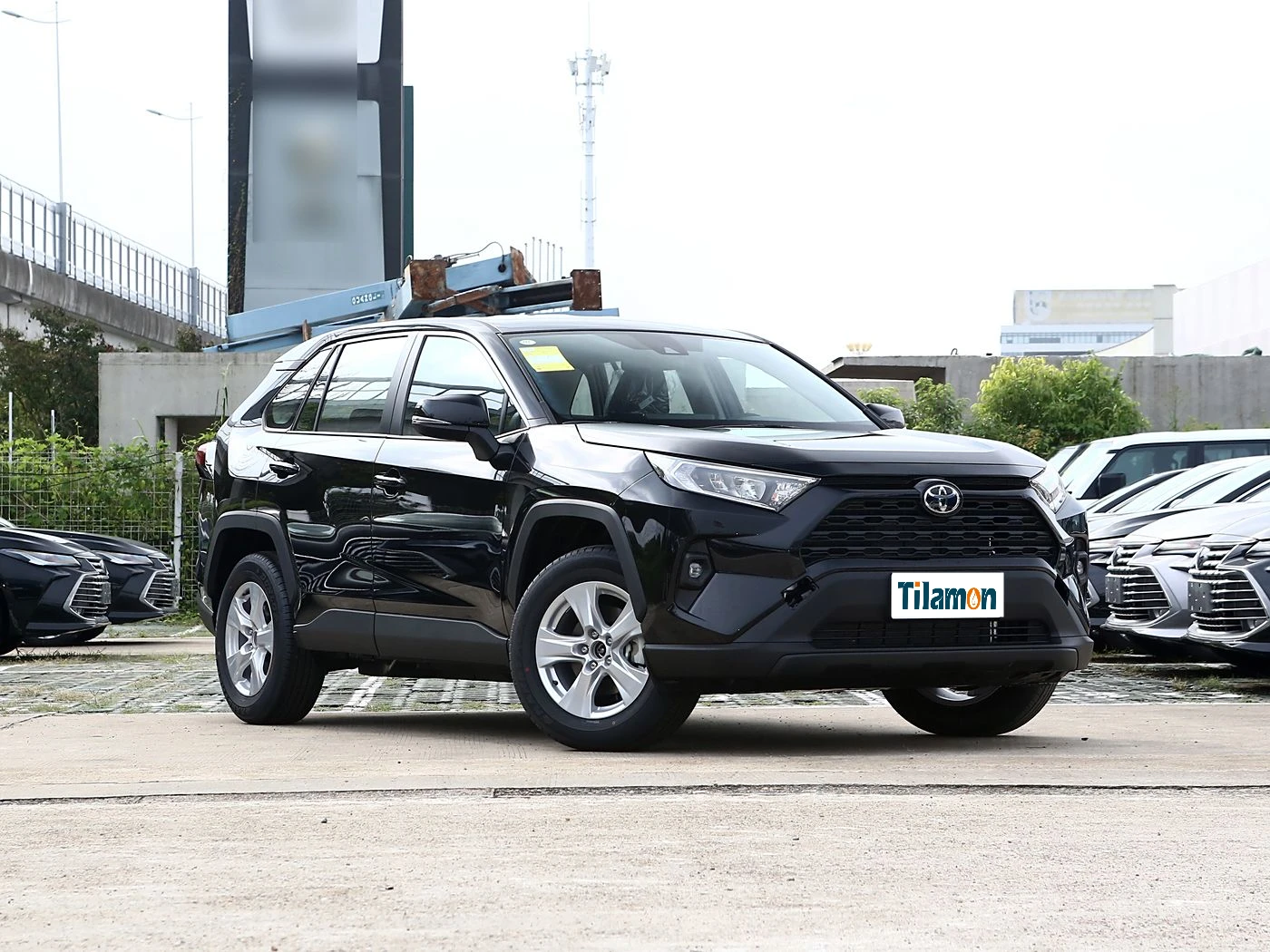
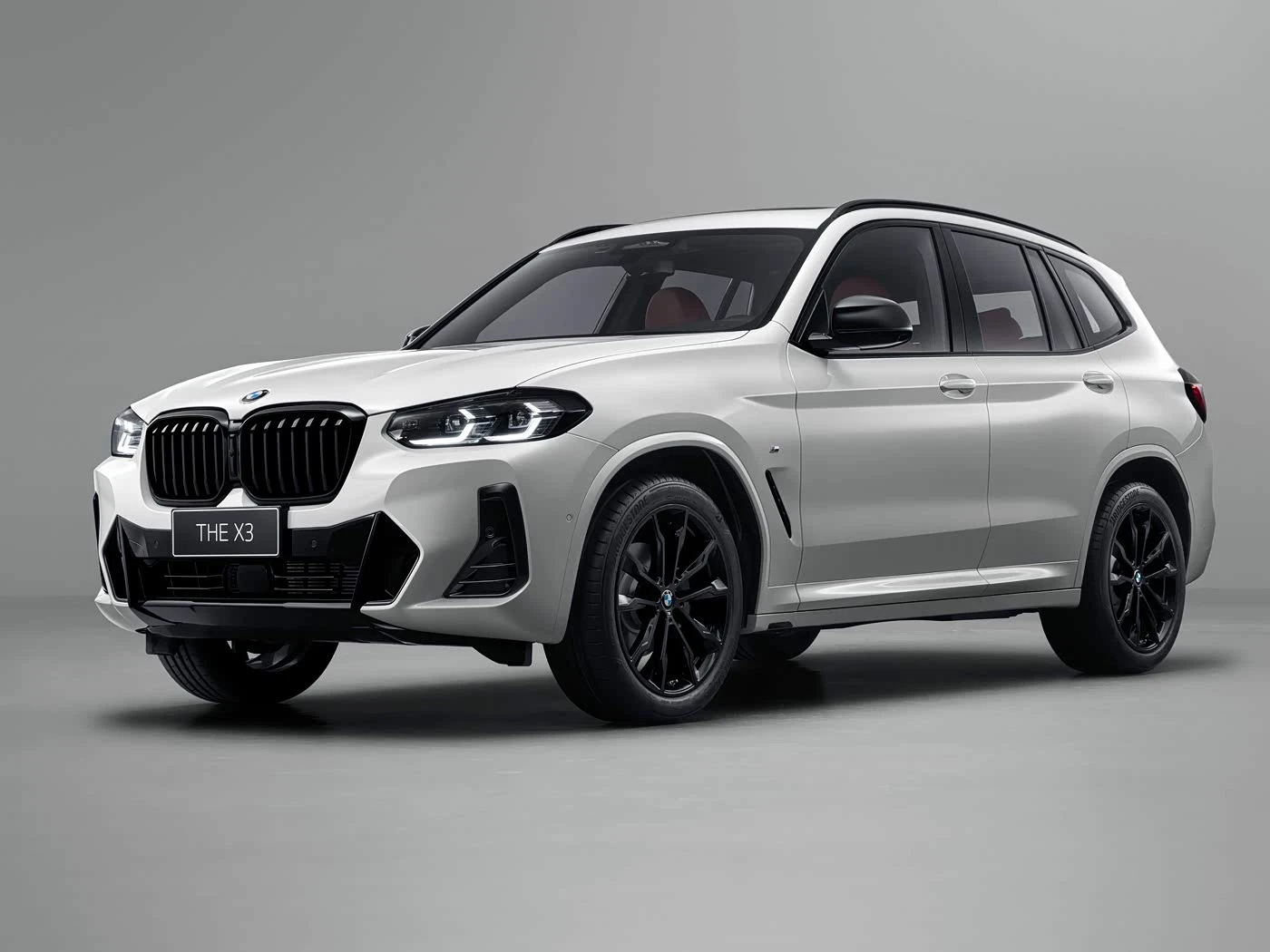
Evolution and Trajectory of Kyrgyzstan's EV Market

From traditional diesel dominance to the era of smart electric mobility.

Market Development History

Between 2010 and 2017, the market was dominated by legacy combustion engines and basic secondhand vehicle imports, focusing primarily on durability over efficiency.

From 2018 to 2022, a pivotal shift occurred with the arrival of early-generation electric imports. This era saw the first widespread adoption of 2 nd hand cars powered by electricity, proving that EV battery chemistry could survive the Central Asian climate.

Since 2023, the market has entered the "Modern Integration" phase, where the demand for a new chinese ev has surged due to superior software integration, longer range, and competitive pricing from Tier-1 manufacturers.

Future Development Trends

Infrastructure Scaling

Expected expansion of fast-charging networks along the Bishkek-Osh highway to enable long-distance travel for any new energy ev.

Battery Thermal Management

Increased demand for vehicles with advanced heat pumps and battery warming systems to maintain efficiency during Kyrgyzstan's harsh winters.

Digital Ecosystems

Integration of local payment systems and Kyrgyz-language interfaces within the smart cockpits of new electric models.

Strategic Trends and Future Outlook

Predicting the next 3-5 years of automotive transformation in Central Asia.

LFP Battery Dominance
Transitioning towards Lithium Iron Phosphate (LFP) batteries for enhanced safety and longer cycle life in rugged terrains.
Smart Fleet Integration
Deploying V2X (Vehicle-to-Everything) technology to optimize traffic flow in Bishkek's urban center.
Circular Battery Economy
Establishing localized battery recycling centers to reduce environmental impact and lower ownership costs.
Modular Platforming
Adopting modular chassis that allow for easy conversion between passenger and light commercial use.

Industry Outlook

Google Search trends indicate a rising interest in "electric car charging Bishkek" and "Chinese EV range in winter," suggesting that the Kyrgyz consumer is moving from curiosity to active procurement planning.

We anticipate that the market will shift from fragmented imports to structured dealerships that offer full warranties and software support, effectively professionalizing the new energy vehicle ecosystem.

Localized Application Scenarios for Kyrgyzstan

Real-world deployments of electric mobility across diverse Kyrgyz environments.

1. Urban Logistics in Bishkek

Utilizing compact electric vans for last-mile delivery to reduce urban congestion and emissions in the capital city.

2. Eco-Tourism in Issyk-Kul

Deploying high-range electric SUVs for silent, emission-free transportation around the lake, preserving the natural ecosystem.

3. Mountainous Commuting

Implementing 4WD electric drivetrains specifically tuned for high-altitude torque requirements in the Tien Shan regions.

4. Government Fleet Modernization

Transitioning official municipal vehicles to electric power to set a national benchmark for sustainability.

5. Budget-Friendly Transit

Leveraging certified secondhand vehicle programs to provide affordable electric mobility for students and young professionals.

Brand Story

Global Development History of Shijiazhuang Zhenming Chemical Co., Ltd.

Industrial Foundations

Established as a leader in specialty chemical production, providing the critical material science needed for advanced automotive coatings.

Material Innovation

Pivoting towards high-performance polymers to solve the weight-reduction challenges in the early electric vehicle era.

Global Expansion

Expanding supply chains to Central Asia, ensuring that the materials used in new energy ev are durable enough for extreme climates.

Sustainability Commitment

Integrating green chemistry to ensure the entire lifecycle of the vehicle, from production to recycling, is carbon-neutral.

Future Vision

Striving to be the primary material and technology partner for the entire automotive manufacturing chain in Asia.

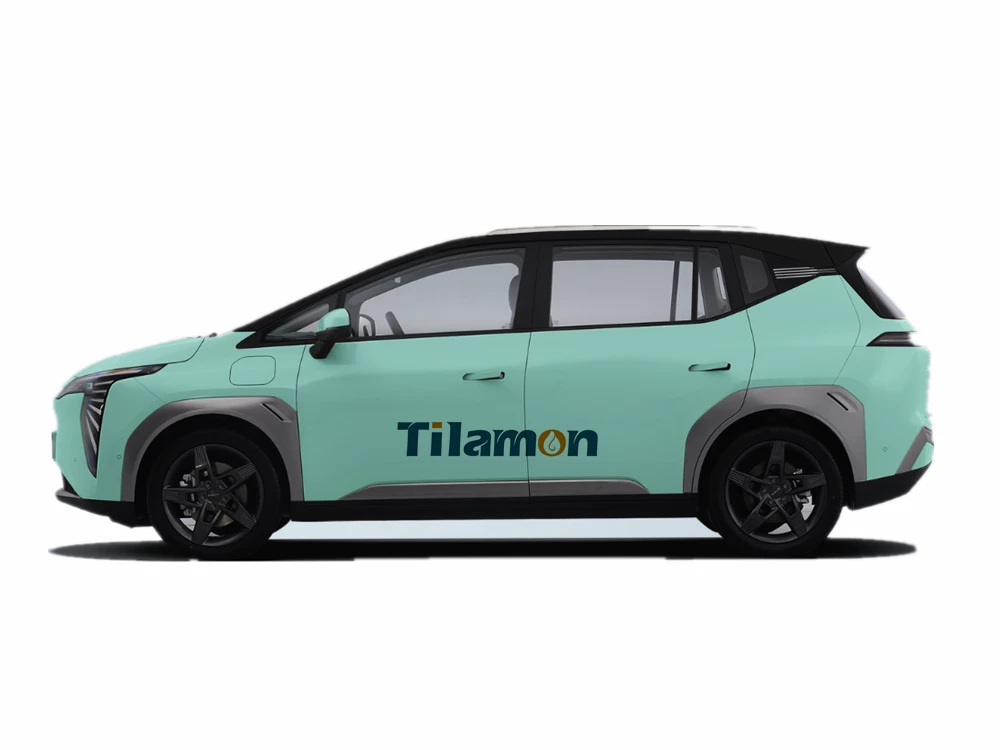
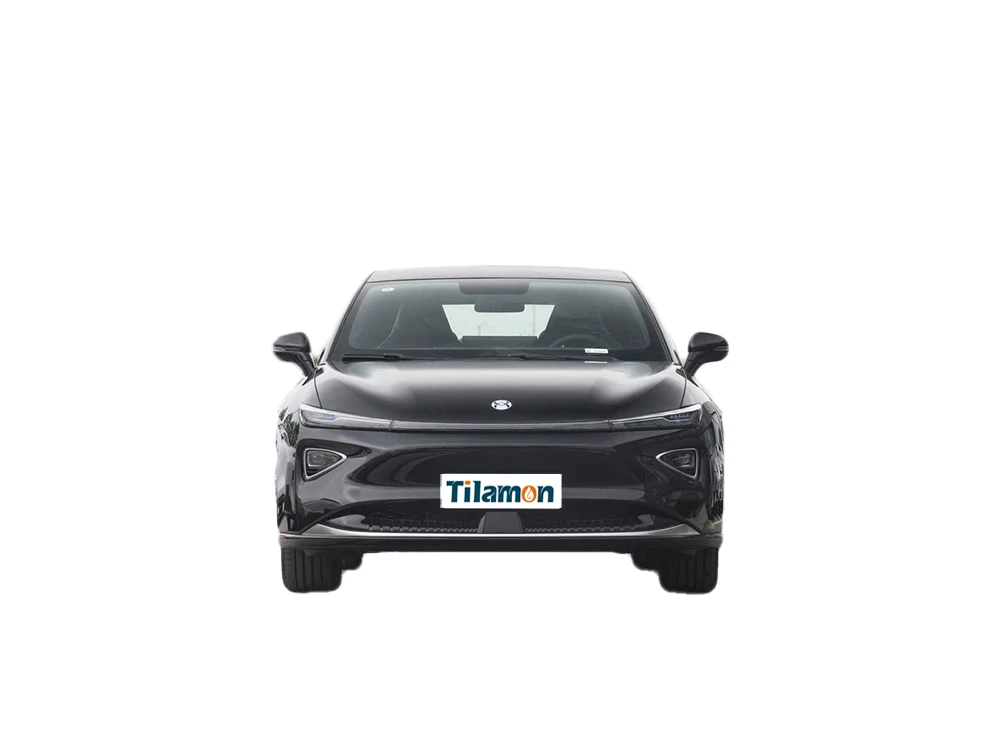
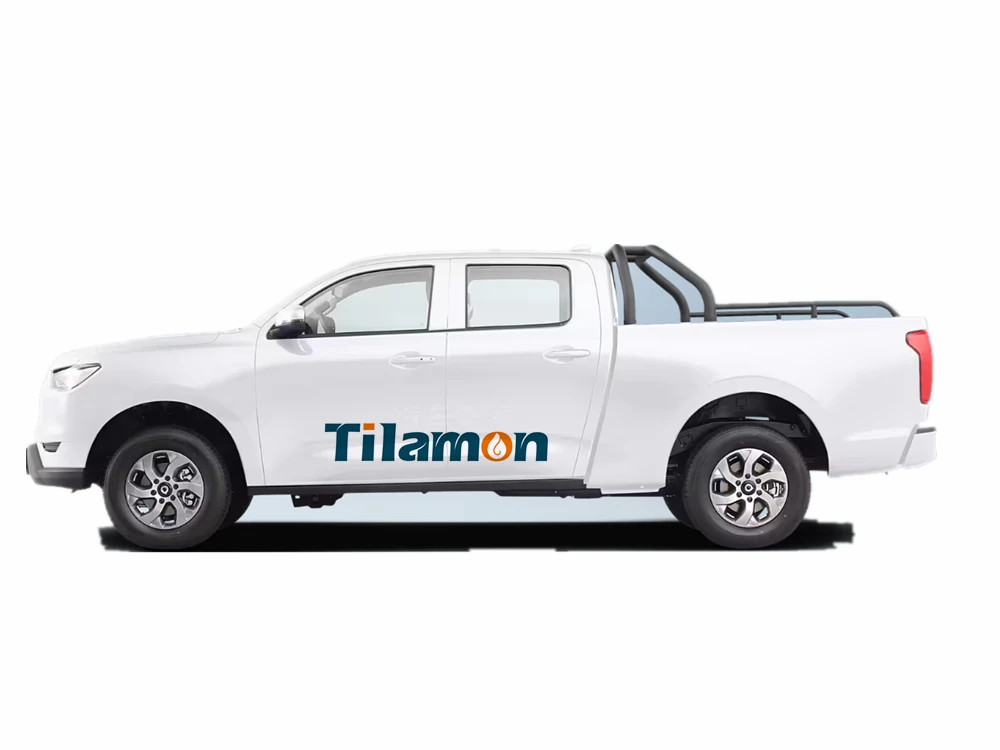
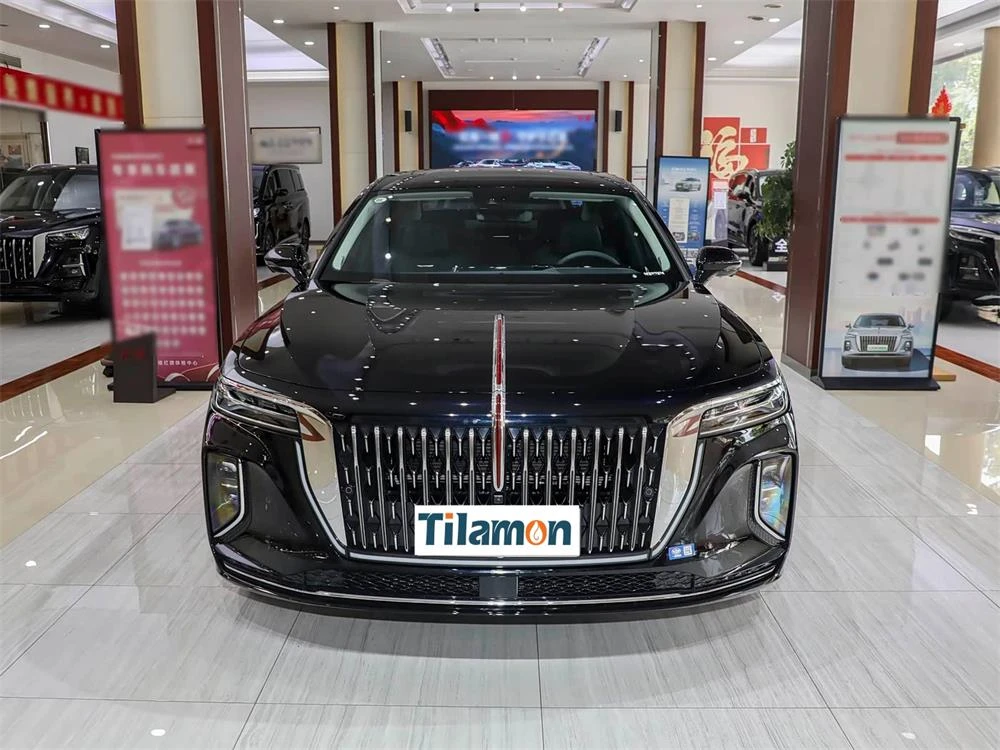
Comprehensive EV Portfolio for Kyrgyzstan

From luxury sedans to rugged utility vehicles, engineered for the Central Asian market.

Kyrgyzstan EV Market FAQ

Answers to the most common questions regarding electric vehicle adoption in the region.

How does a new chinese ev perform in Kyrgyzstan's winter?

Modern Chinese EVs are equipped with advanced battery thermal management systems and heat pumps that pre-condition the battery, ensuring reliable starts and optimized range even in sub-zero temperatures.

Is it better to buy a new energy vehicle or a used one?

A new vehicle offers full warranties and the latest battery tech, while a certified secondhand vehicle provides a lower entry cost. Your choice depends on your budget and requirement for the latest range capabilities.

What is the average charging time for a new energy ev in Bishkek?

Using a standard home charger, a full charge typically takes 8-12 hours. DC fast chargers, which are increasing in number, can bring a battery from 20% to 80% in approximately 30-60 minutes.

Where can I find reliable 2 nd hand cars with electric drivetrains?

We recommend sourcing from certified importers who provide detailed battery health reports (SOH) to ensure the longevity and safety of the vehicle.

Are there any tax incentives for purchasing a new energy vehicle in Kyrgyzstan?

Kyrgyzstan has implemented various customs duty exemptions for electric vehicles to encourage green transition, making them significantly more affordable than ICE equivalents.

What is the expected lifespan of a secondhand vehicle battery?

Depending on the chemistry and usage, most batteries maintain 70-80% capacity for 8-10 years. Regular health checks are recommended for all imported pre-owned electric cars.

Ready to Transition to Electric?

Contact our specialists to find the perfect electric mobility solution for your needs in Kyrgyzstan.

Contact Us Now

If you are interested in our products, you can choose to leave your information here, and we will be in touch with you shortly.