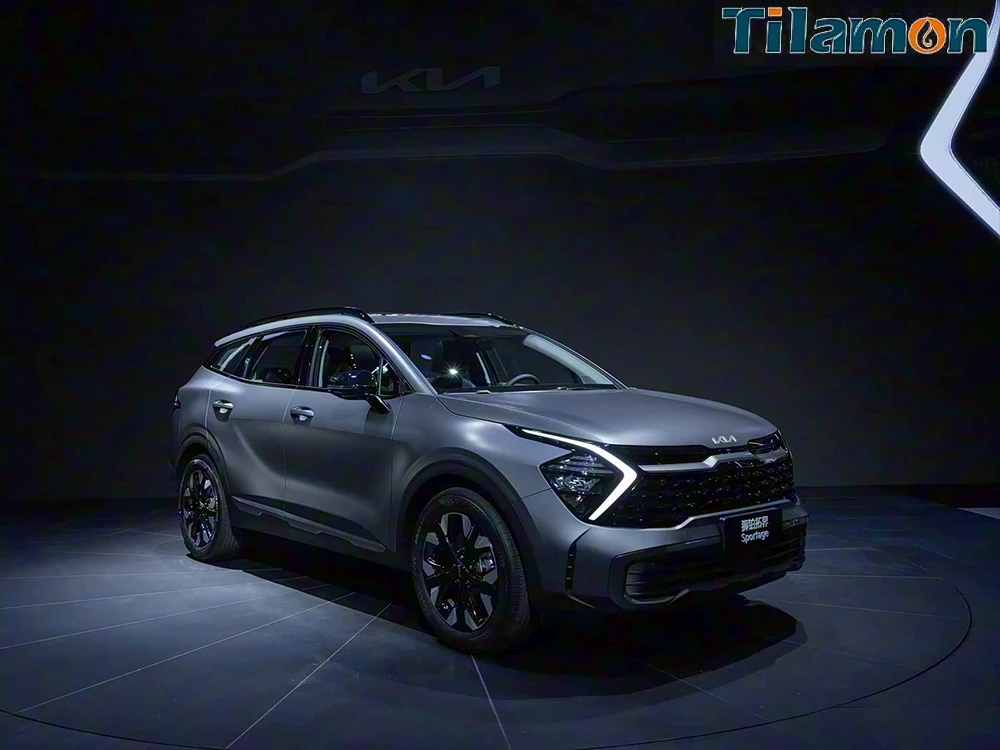
Sustainable Mobility Solutions: new energy ev for Venezuela

Driving the future of Venezuelan transportation with high-efficiency electric vehicle manufacturing and smart urban mobility infrastructure.

Sustainable Mobility Solutions: new energy ev for Venezuela

We provide a comprehensive ecosystem for the adoption of electric vehicles in Venezuela, blending cutting-edge Chinese manufacturing with local infrastructural needs to ensure a seamless transition to green energy.

The Current State of Automotive Transit in Venezuela

Analyzing the intersection of economic volatility and the urgent need for sustainable transport.

Venezuela's automotive landscape is currently characterized by a significant shortage of new vehicles and a heavy reliance on a secondhand vehicle market. Due to economic fluctuations, the average age of cars on the road has increased, leading to higher emissions and inefficient fuel consumption in major cities like Caracas.

However, the geographical diversity—from the Andean highlands to the coastal plains—creates a unique demand for versatile transport. There is a growing interest in new chinese ev models because they offer a cost-effective entry point into electrification compared to European or American luxury brands.

The energy sector in Venezuela, historically oil-dependent, is now seeing a paradoxical shift. While fuel subsidies have fluctuated, the potential for hydroelectric power makes the region an ideal candidate for the widespread adoption of a new energy vehicle to reduce dependence on traditional combustion engines.
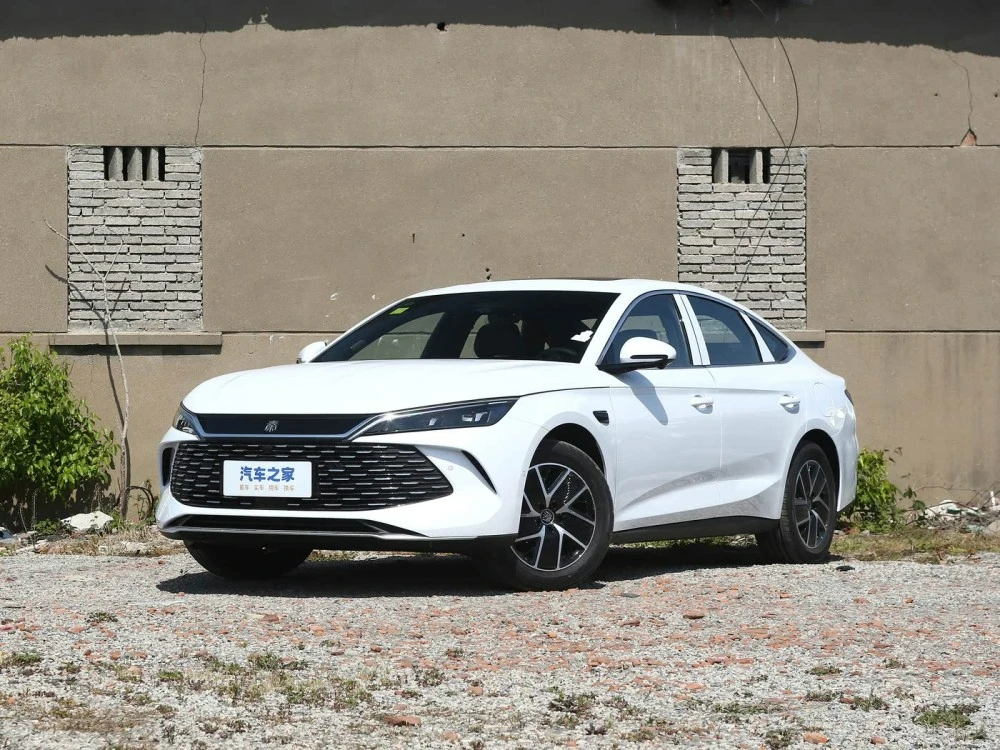
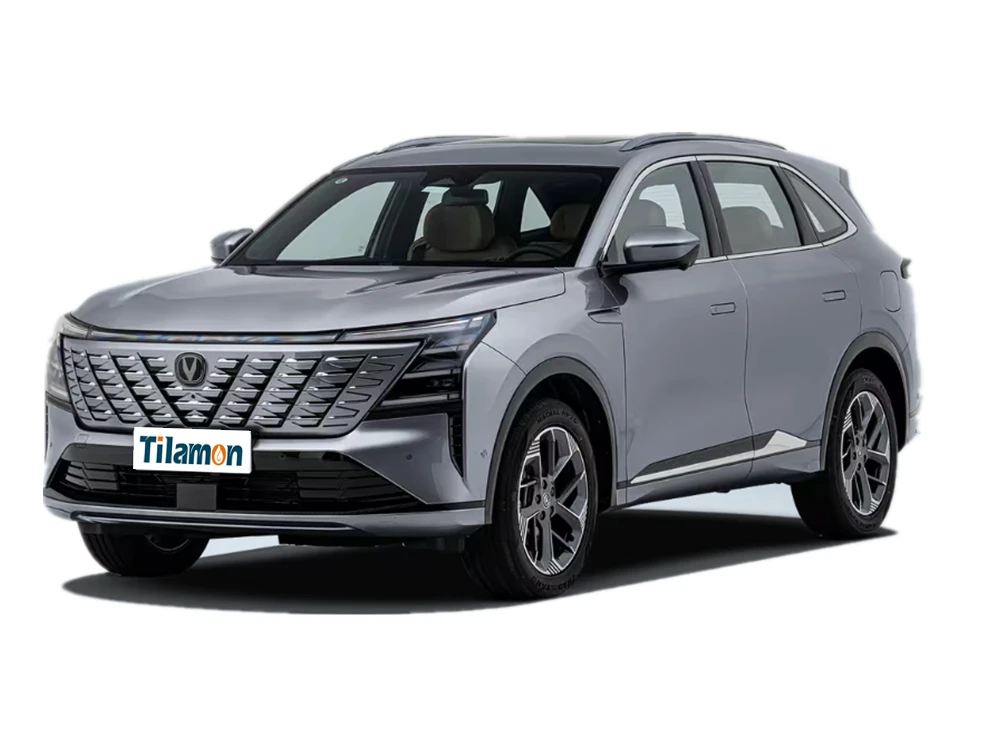
Evolution of Vehicle Technology and Market Trajectory

From internal combustion dominance to the era of intelligent electrification.

Market Development History

From 1990 to 2010, the Venezuelan market was dominated by traditional ICE (Internal Combustion Engine) assembly plants. The focus was on durability and fuel capacity, as the infrastructure for maintenance was centralized around petrol-based mechanics.

Between 2011 and 2020, the market saw a surge in 2 nd hand cars as new imports declined. This era highlighted a critical pain point: the lack of sustainable parts supply and the degradation of fleet efficiency.

Since 2021, the "Electrification Pivot" began. The introduction of affordable battery technology and the entry of agile manufacturers have shifted the focus toward new energy ev platforms that integrate smarter energy management systems.

Future Development Trends

Battery Swapping Infrastructure

To overcome the initial lack of fast-charging stations in remote provinces, we predict a shift toward modular battery swapping for commercial fleets.

Integration of V2G Technology

Vehicle-to-Grid (V2G) systems will allow EVs to act as mobile power banks, stabilizing the local grid during peak demand periods in urban centers.

AI-Driven Fleet Management

The next 3-5 years will see the integration of AI to optimize routes and energy consumption specifically for Venezuela's unique topography.

Future Trends and Strategic Outlook

Charting the roadmap for the next generation of Venezuelan automotive manufacturing.

Hyper-Localization of Supply
Reducing reliance on imports by establishing local assembly hubs for EV components.
Energy Grid Optimization
Implementing smart charging protocols to prevent grid overload in urban areas.
Circular Battery Economy
Developing second-life battery applications for residential energy storage.
Autonomous Logistics
Integrating autonomous electric shuttles for port-to-warehouse logistics.

Industry Outlook

Based on search trends and economic indicators, we anticipate a rapid surge in demand for mid-range electric vehicles. As charging infrastructure expands along the main highways connecting Caracas to Maracaibo, the psychological barrier to EV adoption will collapse.

The future of the industry in Venezuela lies in the synergy between affordable Chinese manufacturing and localized energy solutions. This will not only decarbonize the fleet but also create a new high-tech job market in the automotive sector.

Localized Application Scenarios for Venezuela

Real-world implementations of new energy vehicles across diverse Venezuelan environments.

01. Urban Commuting in Caracas

Deploying compact new energy ev models to navigate the dense traffic and steep inclines of the capital, reducing noise pollution and smog.

02. Last-Mile Logistics for E-commerce

Utilizing electric vans for delivery services in residential areas, lowering the operational cost per parcel compared to aging combustion fleets.

03. Public Transport Electrification

Replacing old city buses with high-capacity electric shuttles, leveraging the region's hydroelectric power for low-cost nightly charging.

04. Industrial Site Transport

Integrating rugged electric utility vehicles in mining and oil fields to reduce fuel transport risks and improve site sustainability.

05. Eco-Tourism Shuttles in Canaima

Using silent, zero-emission vehicles for tourist transport in protected nature reserves to prevent environmental contamination.

Brand Story

Global Development Journey of Shijiazhuang Zhenming Chemical Co., Ltd.

Foundational Excellence

Established with a commitment to high-purity chemical engineering, laying the groundwork for materials used in modern battery technology.

Strategic Diversification

Expanding from industrial chemicals into the specialized materials required for the automotive manufacturing sector.

Global Market Entry

Entering the South American market to provide essential raw materials for the transition to green energy.

Innovation Integration

Developing sustainable synthesis processes that reduce the carbon footprint of automotive supply chains.

Future Vision

Aiming to be the primary catalyst for sustainable mobility in Venezuela by solving the critical material shortage in EV production.

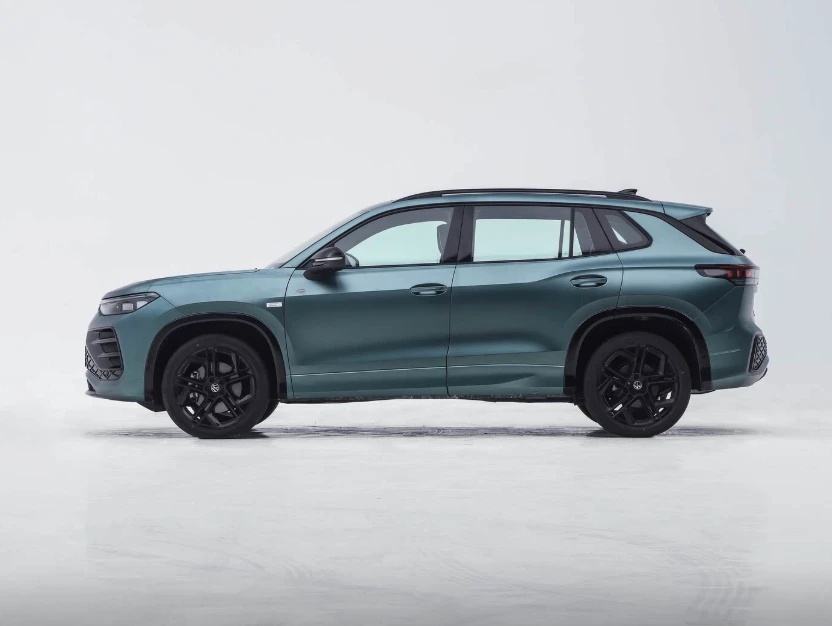
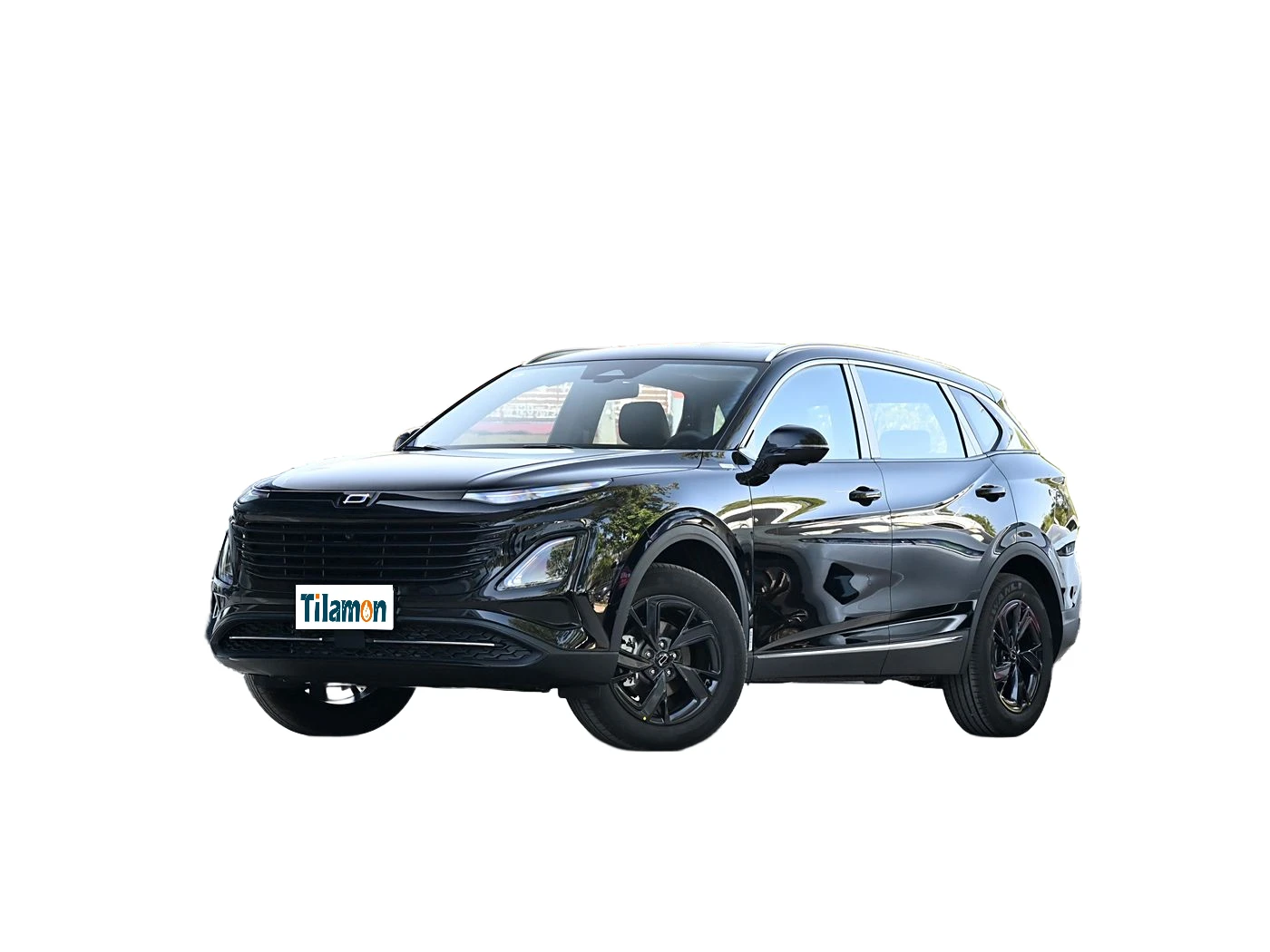
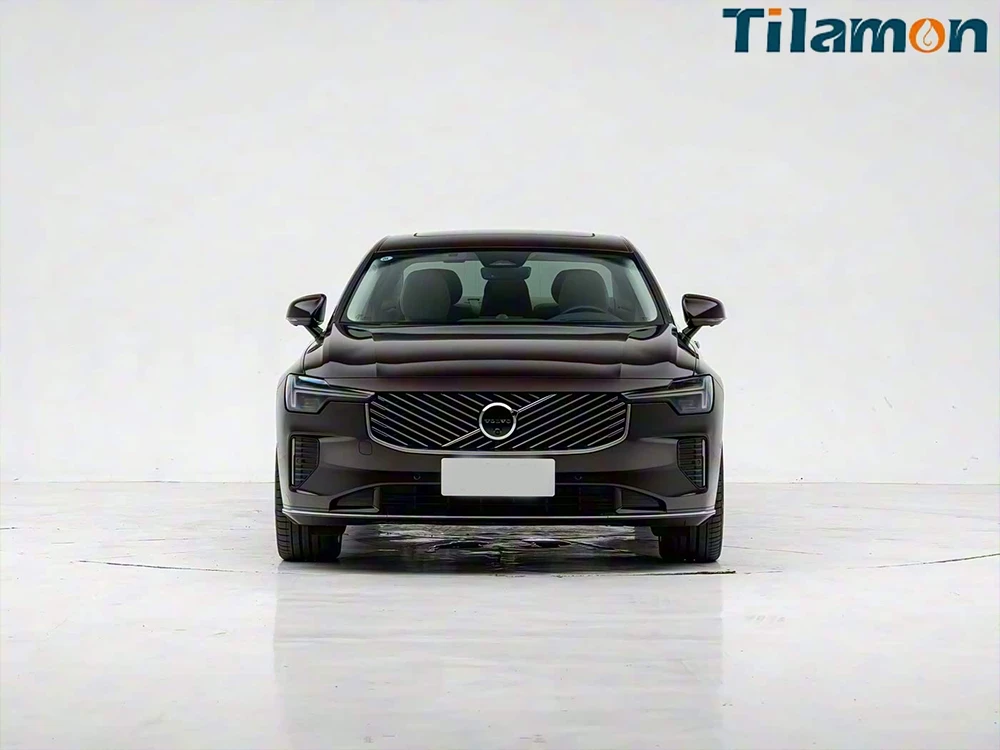
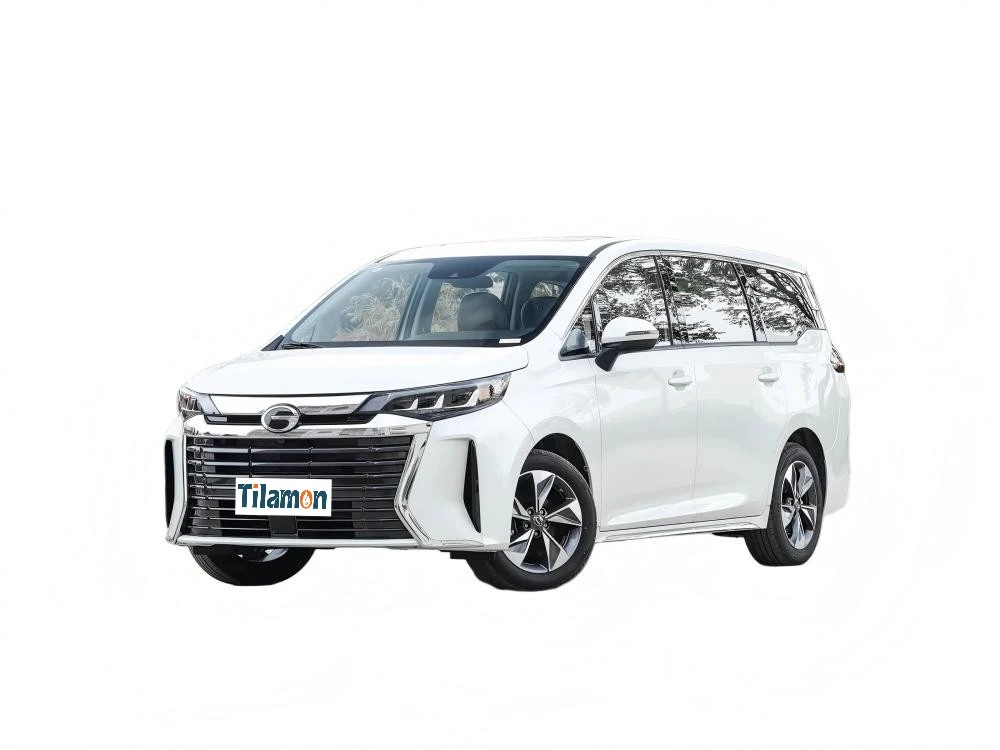
Complete Product Portfolio for the Venezuelan Market

From budget-friendly commuters to heavy-duty electric industrial vehicles.

Venezuelan Automotive FAQ

Everything you need to know about transitioning to new energy vehicles in the region.

Are new chinese ev models compatible with Venezuela's electrical grid?

Yes, our vehicles are designed with universal voltage converters and smart charging controllers to handle grid fluctuations common in urban areas.

How does the cost of a new energy vehicle compare to a secondhand vehicle?

While the initial purchase may be higher, the total cost of ownership is significantly lower due to reduced fuel costs and minimal maintenance requirements.

What is the expected lifespan of a new energy ev battery in tropical climates?

Our batteries feature advanced liquid cooling systems specifically engineered for hot climates, ensuring optimal health for over 8-10 years.

Where can I find charging stations for my new energy vehicle in Caracas?

We are partnering with local shopping centers and corporate hubs to install a network of fast-chargers across the metropolitan area.

Are 2 nd hand cars still a viable option compared to electric alternatives?

They remain a budget option, but the rising cost of petrol and spare parts for old ICE cars makes electric vehicles a smarter long-term investment.

What maintenance is required for a new energy vehicle?

Maintenance is vastly simplified—no oil changes, spark plug replacements, or timing belt issues. Only periodic checks on tires, brakes, and software updates are needed.

Ready to Electrify Your Journey?

Join the sustainable revolution in Venezuela. Our experts are ready to help you choose the perfect EV solution for your business or personal needs in Venezuela.

Contact Us Now

If you are interested in our products, you can choose to leave your information here, and we will be in touch with you shortly.