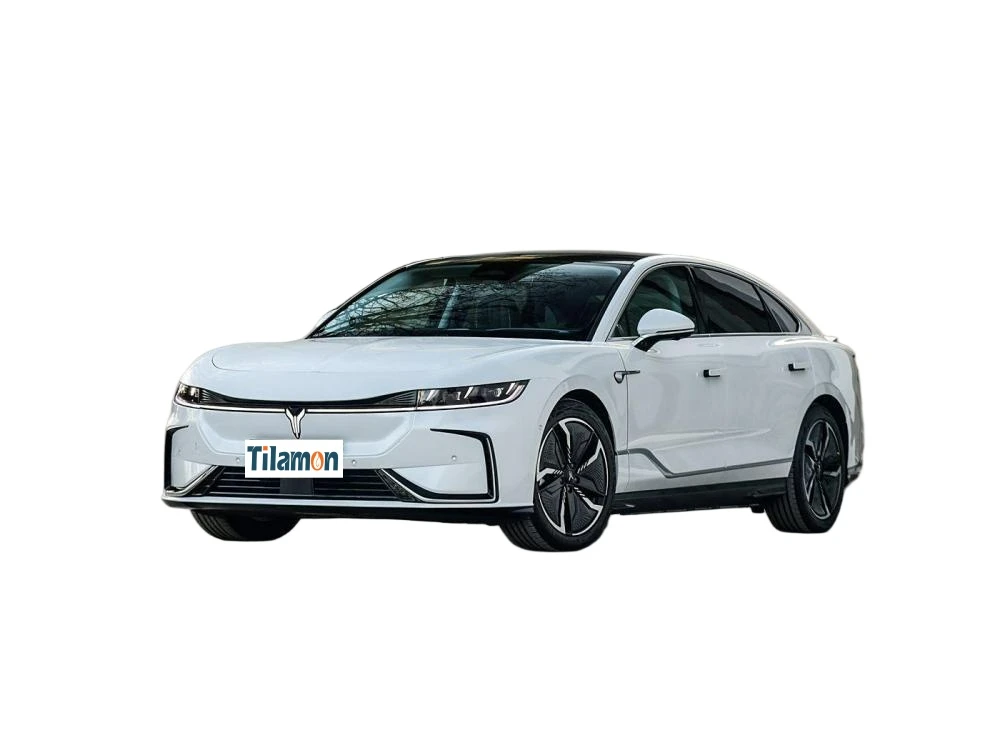
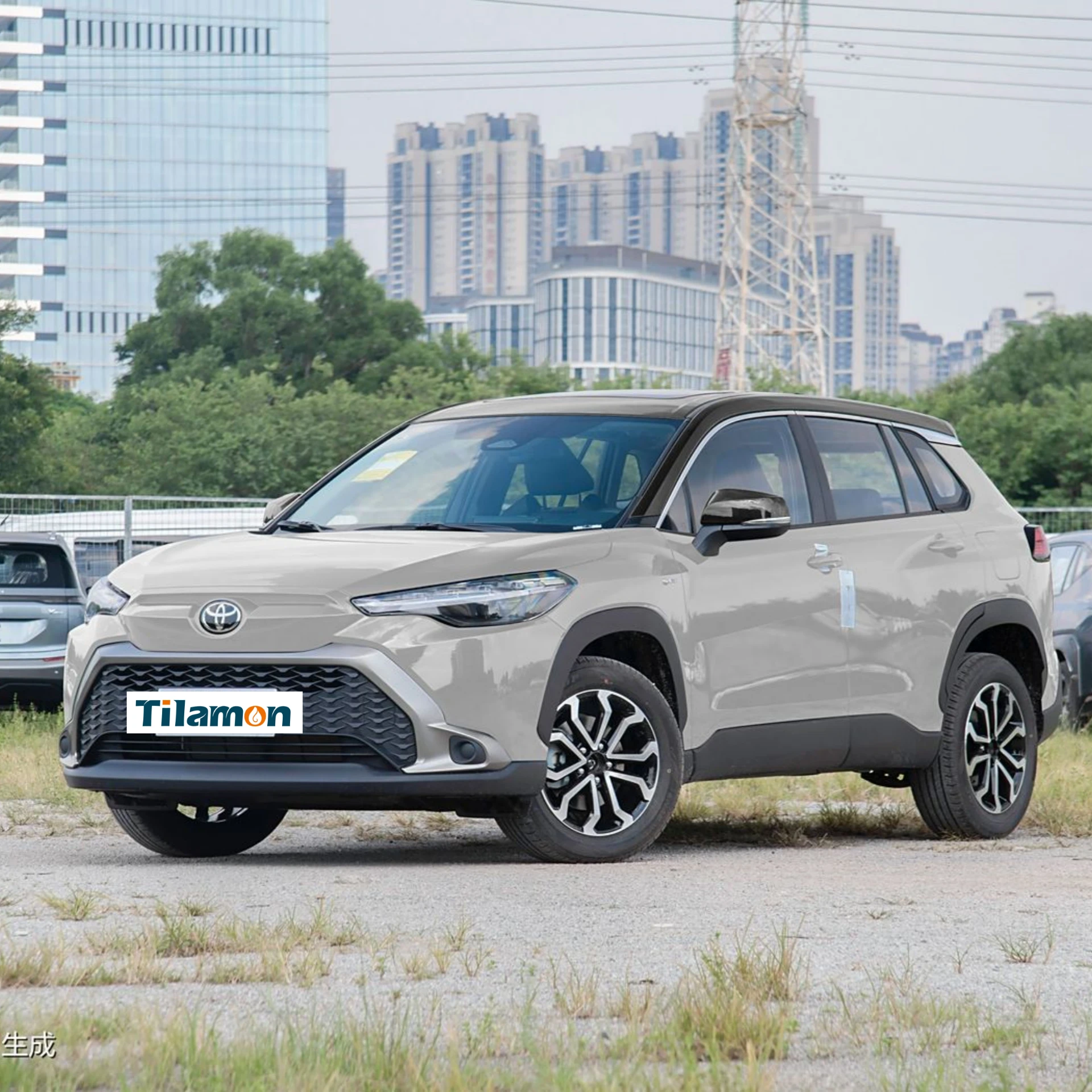
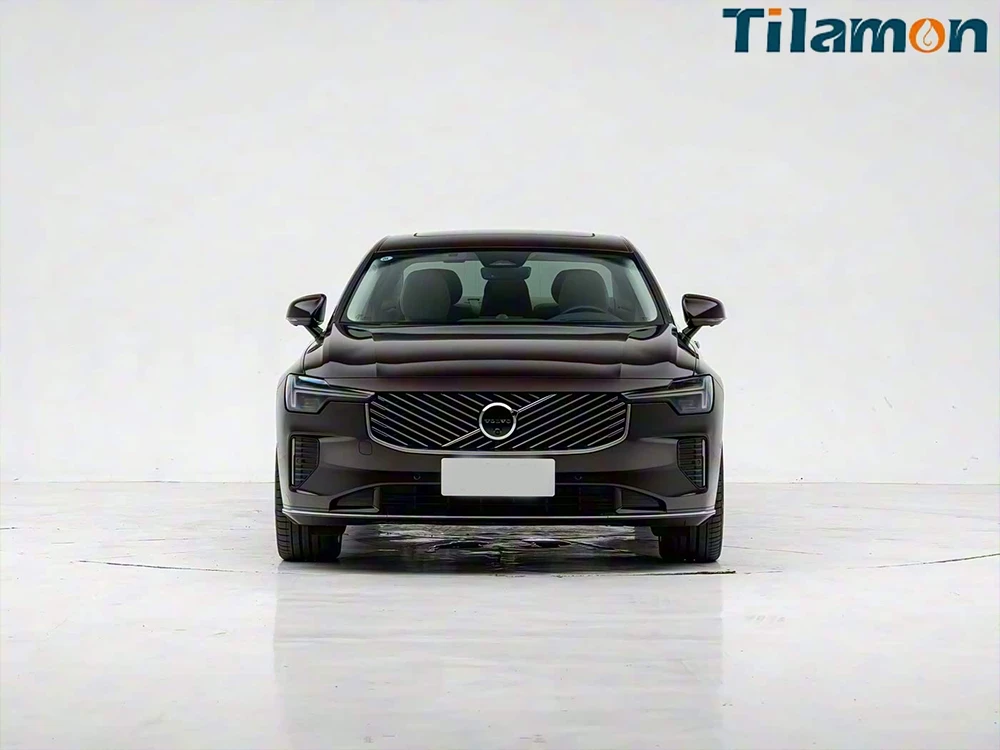
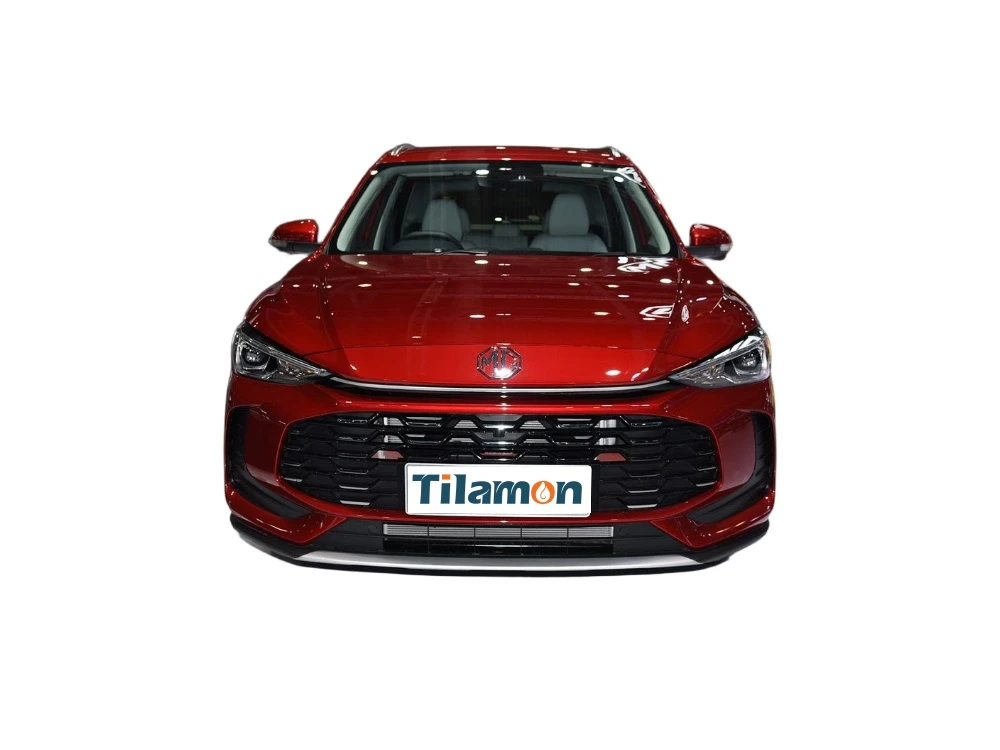
Sustainable Mobility Solutions: Premium new energy vehicle in Kenya

Driving Kenya's green revolution through advanced automotive manufacturing and sustainable transport infrastructure.

Sustainable Mobility Solutions: Premium new energy vehicle in Kenya

Bridging the gap between high-performance automotive engineering and the unique environmental needs of the Kenyan landscape.

The Automotive Landscape in Kenya

Analyzing the transition from internal combustion engines to electric mobility in East Africa.

Kenya's automotive market has historically been dominated by secondhand vehicle imports, primarily from Japan and Europe. The high cost of new imports and the reliance on fossil fuels have created a demand for more affordable, efficient, and sustainable alternatives that can withstand the diverse Kenyan terrain, from the highlands to the coastal regions.

With the government's push toward green energy and the increasing availability of solar power, the demand for a new energy ev has surged in urban centers like Nairobi and Mombasa. The challenge remains in establishing a robust charging infrastructure that can match the rapid adoption of these vehicles.

Furthermore, the market for 2 nd hand cars is evolving, as consumers begin to look for pre-owned electric or hybrid options, necessitating a new standard for battery health certification and localized technical support for electric drivetrains.
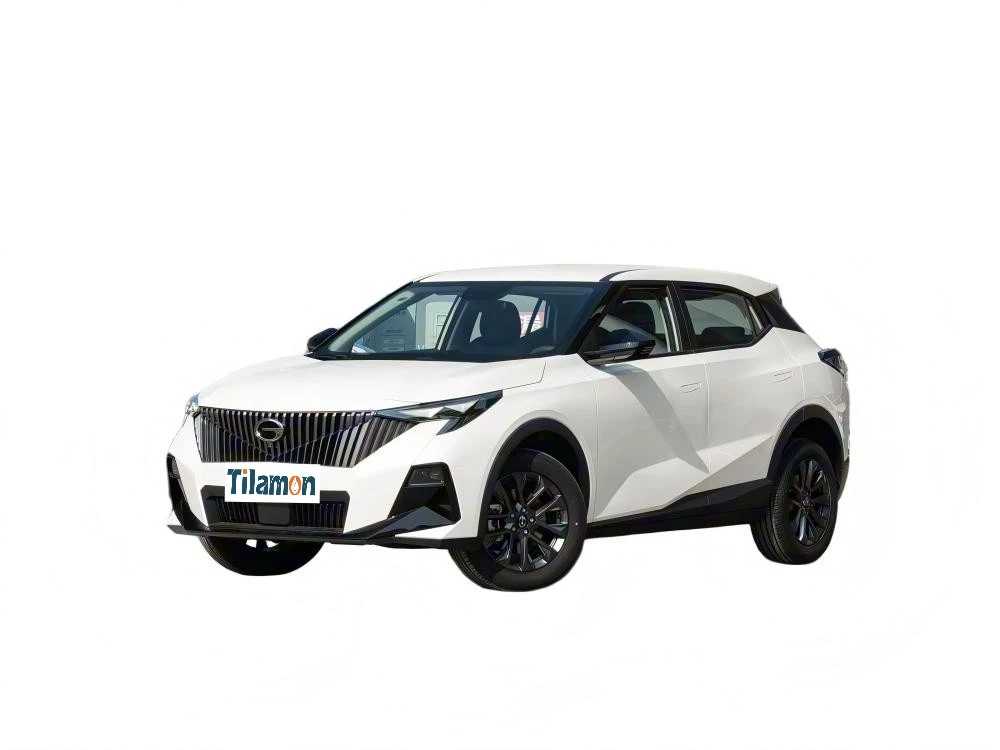
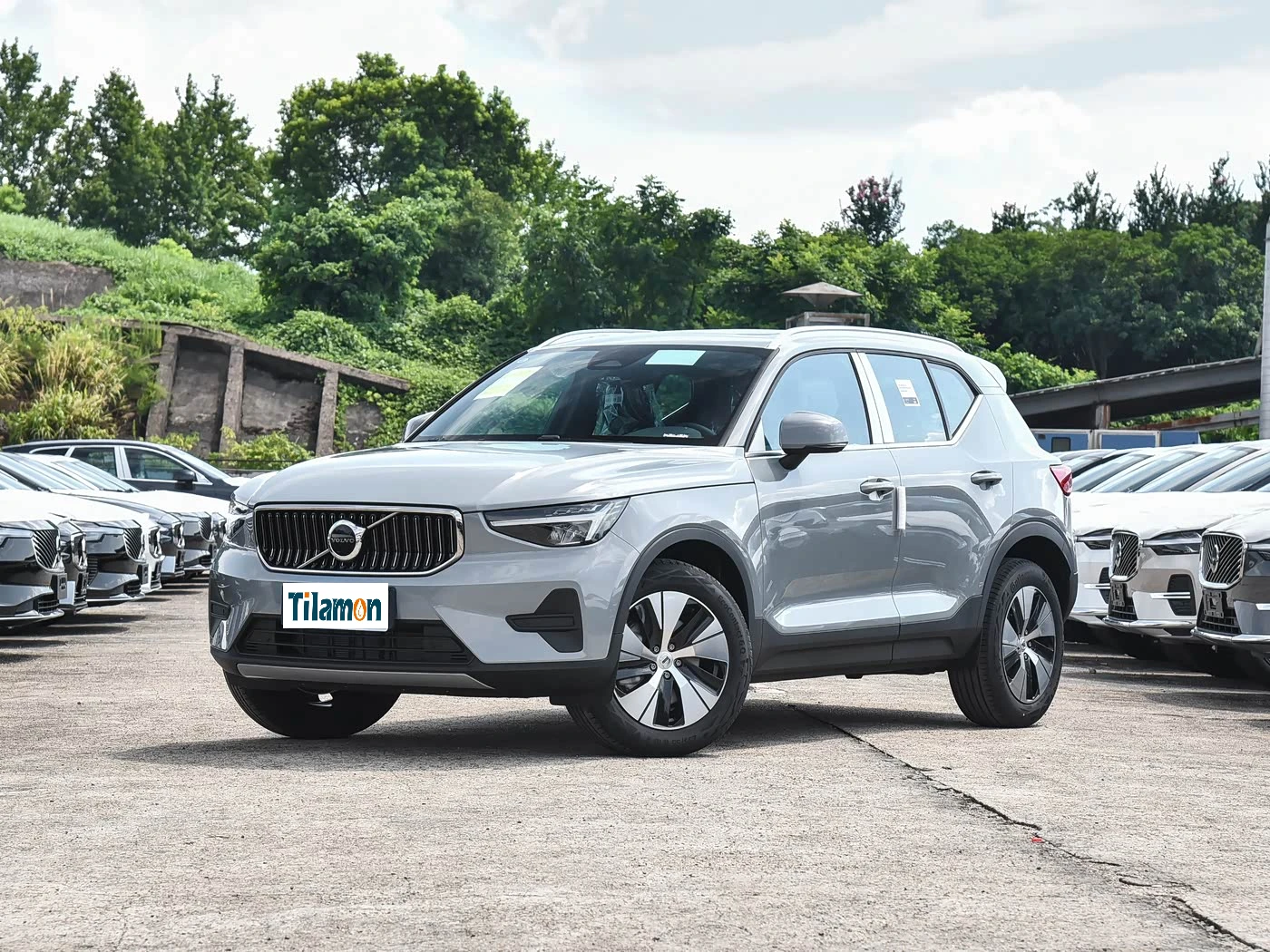
Evolution of Kenyan Transport Technology

Tracing the trajectory from traditional combustion to intelligent electric propulsion.

Market Development History

From 2000 to 2015, the Kenyan market focused on durability and fuel efficiency in imported combustion engines, where the "import-and-drive" model prevailed without significant local manufacturing integration.

Between 2016 and 2021, we witnessed the first wave of hybrid penetration. The introduction of the new chinese ev started to disrupt the market, offering cutting-edge technology at price points that challenged traditional Western and Japanese brands.

Since 2022, the focus has shifted toward full electrification. The integration of LFP (Lithium Iron Phosphate) battery technology has proven essential for the Kenyan climate, ensuring longer life cycles under high tropical temperatures.

Future Development Trends

V2G (Vehicle-to-Grid) Integration

Predicting a shift where EVs act as mobile energy storage units, helping stabilize the Kenyan national grid during peak hours.

Localized Battery Assembly

Moving from importing finished units to assembling battery packs within Kenya to reduce costs and create high-tech local jobs.

Autonomous Urban Logistics

The rise of small-scale autonomous electric pods for last-mile delivery in Nairobi's congested business districts.

Future Trends & Strategic Outlook

Forecasting the next 5 years of automotive innovation in Kenya.

Infrastructure Expansion
Rapid deployment of ultra-fast DC charging stations along the Northern Corridor to enable long-distance EV travel.
Battery Circularity
Implementation of second-life battery programs for home energy storage in rural Kenyan households.
Digital Ecosystems
Integration of M-Pesa for seamless, automated payment of charging services and EV subscription models.
Smart Fleet Management
AI-driven logistics for EV fleets to optimize energy consumption across the varied topography of Kenya.

Industry Outlook

Based on Google search trends, queries related to "Electric Vehicle Charging Kenya" and "Cost of EV vs Petrol" are increasing by 40% annually. This indicates a market moving from curiosity to active purchase intent.

The future will see a convergence of renewable energy and transport. As Kenya leads in geothermal energy, the synergy between the power grid and the automotive sector will create a closed-loop sustainable economy.

Localized Application Scenarios in Kenya

How advanced EV technology solves real-world transport challenges in East Africa.

01. Urban Ride-Hailing Transition

Replacing combustion-based taxis in Nairobi with electric fleets to reduce operational costs and eliminate urban smog in the CBD.

02. Agricultural Last-Mile Logistics

Using rugged electric utility vehicles to transport produce from rural farms to collection centers, reducing reliance on expensive diesel.

03. Government Fleet Electrification

Deploying electric sedans for official state duties to lead by example in the national commitment to carbon neutrality.

04. Tourism Safari Hybridization

Introducing silent electric safari vehicles in Maasai Mara to provide an immersive wildlife experience without noise pollution.

05. E-Commerce Delivery Hubs

Utilizing electric motorbikes and vans for rapid delivery in high-density residential areas of Kiambu and Kajiado.

Brand Story

Global Development Process of Shijiazhuang Zhenming Chemical Co., Ltd.

Foundational Excellence

Established with a focus on chemical precision, providing the raw materials essential for high-performance automotive polymers.

Material Innovation

Diversifying into specialized coatings and battery-grade chemicals to support the global shift toward electric mobility.

Global Expansion

Expanding the supply chain to Africa, ensuring that emerging markets have access to industrial-grade automotive components.

Sustainability Pivot

Implementing green manufacturing processes to align with international ESG standards and reduce the carbon footprint of production.

Future Integration

Collaborating with automotive OEMs to develop next-generation solid-state battery materials for the next era of transport.

Frequently Asked Questions in Kenya

Expert answers to the most common queries regarding EV adoption in East Africa.

What are the benefits of buying a new chinese ev over a petrol car in Kenya?

Chinese EVs offer significantly lower running costs per kilometer and are often equipped with the latest smart-cabin technology at a more competitive price point than traditional combustion vehicles.

How does the lifespan of a new energy ev battery compare to traditional engines?

Modern LFP batteries used in many new energy vehicles are designed for thousands of cycles, often outlasting the traditional mechanical wear-and-tear of an internal combustion engine.

Can I find reliable spare parts for a new energy vehicle in Nairobi?

Yes, the ecosystem is growing rapidly with authorized distributors and specialized workshops now providing dedicated parts and software updates for electric drivetrains.

Is it better to buy a secondhand vehicle or a new electric car?

While a secondhand vehicle has a lower upfront cost, a new electric car offers lower maintenance, government tax incentives, and a full warranty, providing better long-term value.

What should I check when buying 2 nd hand cars that are electric?

The most critical check is the State of Health (SoH) of the battery. Always request a diagnostic report to ensure the battery hasn't degraded significantly.

Are there enough charging stations for a new energy vehicle in Kenya?

Charging infrastructure is expanding rapidly in major towns. Additionally, most users rely on home charging, which is highly efficient given Kenya's green energy grid.

Ready to Electrify Your Journey?

Our team is ready to help you transition to sustainable mobility in Kenya. Contact us for a personalized consultation today.

Contact Us Now

If you are interested in our products, you can choose to leave your information here, and we will be in touch with you shortly.