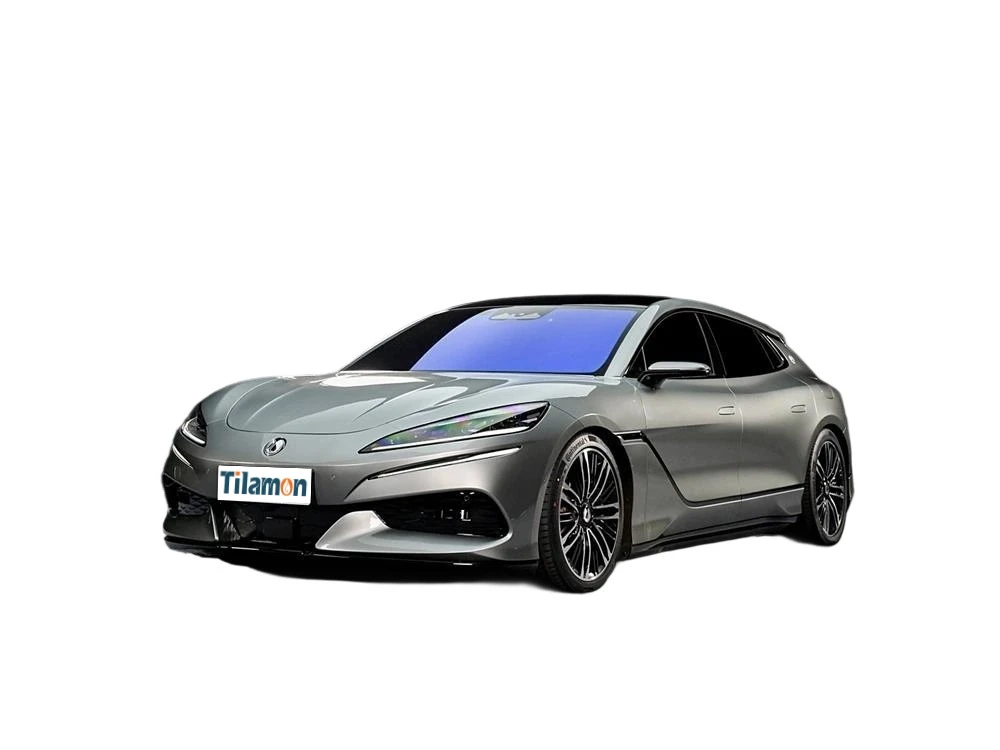
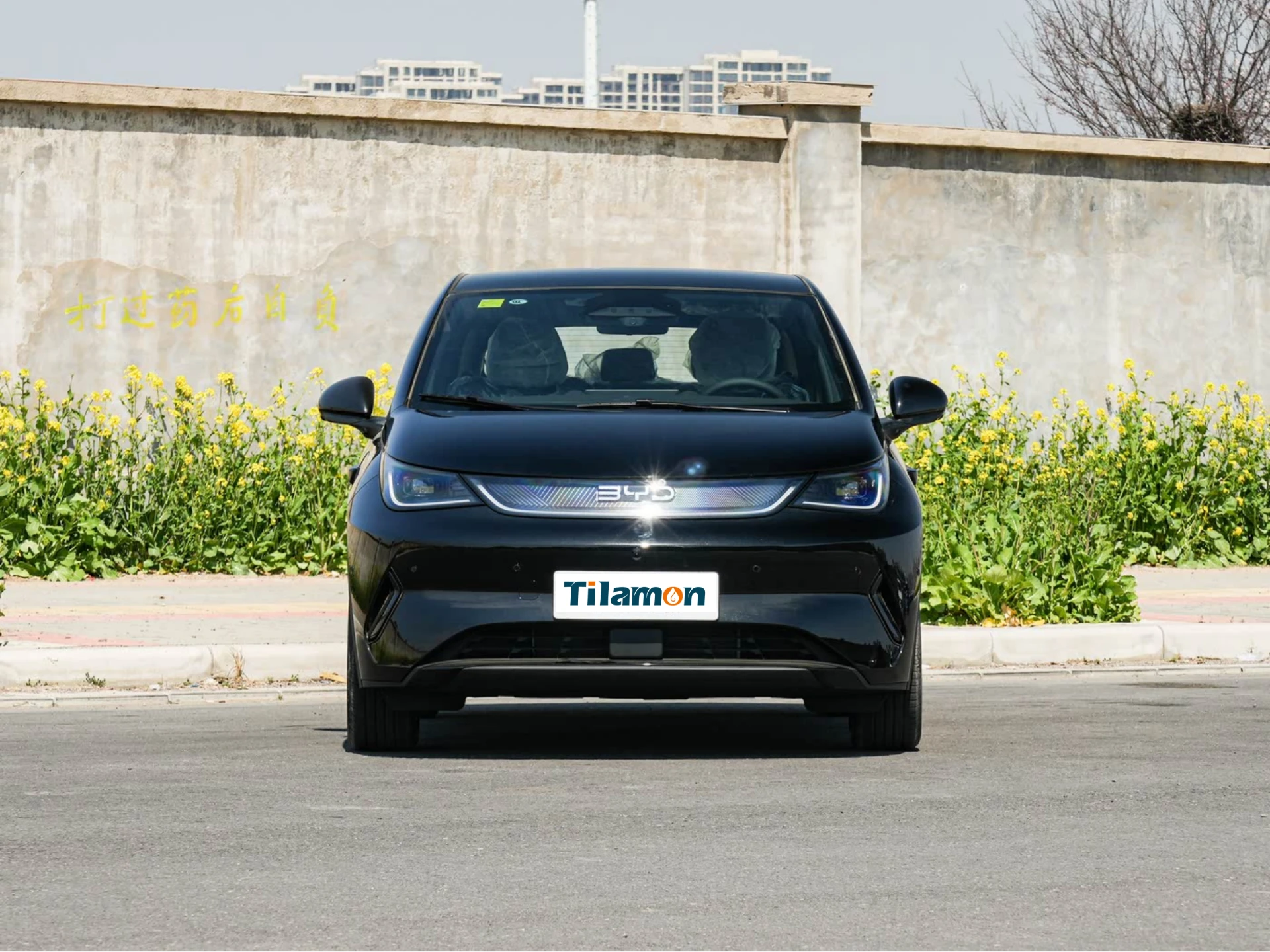
Sustainable Mobility Solutions with new energy vehicle in Sri Lanka

Revolutionizing the Sri Lankan automotive landscape through advanced electric propulsion and high-efficiency energy systems.

Sustainable Mobility Solutions with new energy vehicle in Sri Lanka

Providing a comprehensive ecosystem of zero-emission transportation tailored for the tropical climate and urban density of Sri Lanka, bridging the gap between luxury and sustainability.

The State of Automotive Electrification in Sri Lanka

Analyzing the current adoption rates and infrastructural challenges of the island nation.

Sri Lanka is currently navigating a transition from traditional combustion engines to new energy ev platforms. Given the country's vulnerability to global fuel price fluctuations, the government and private sectors are aggressively pushing for electric alternatives to ensure energy security.

The tropical climate and humid conditions of Asia - Sri Lanka require specialized battery thermal management systems. Current market trends show a surge in demand for new chinese ev models due to their competitive pricing and integrated smart technology that suits urban commuting in Colombo.

Parallel to the new market, there is a robust demand for the secondhand vehicle sector, where buyers look for certified pre-owned electric cars to reduce the initial cost of ownership while transitioning to green energy.
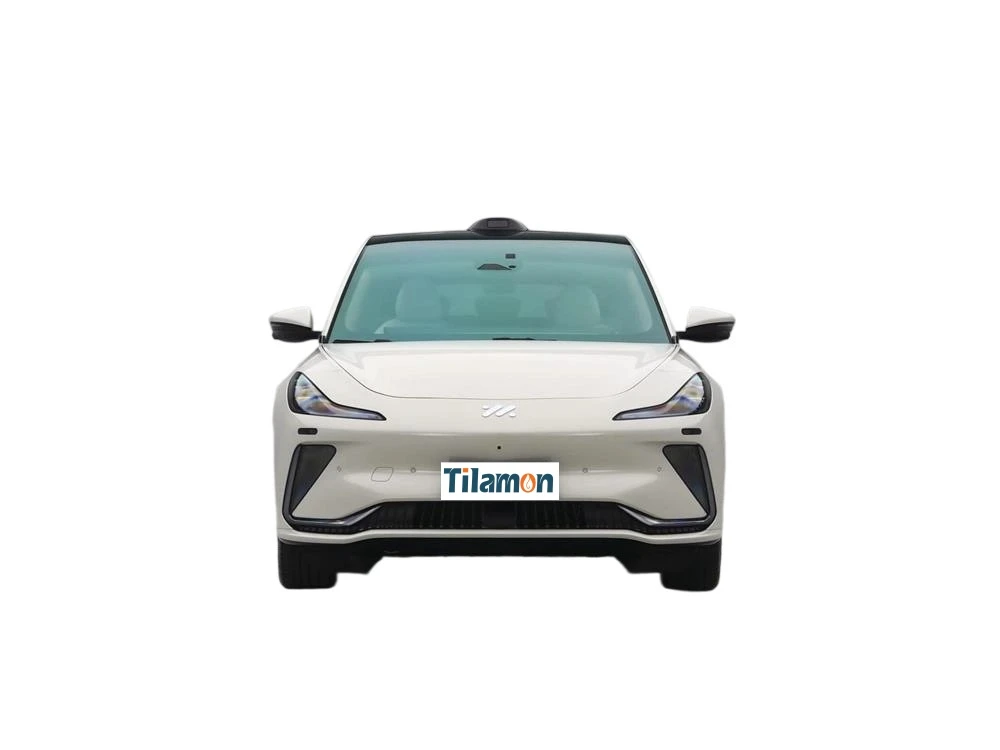
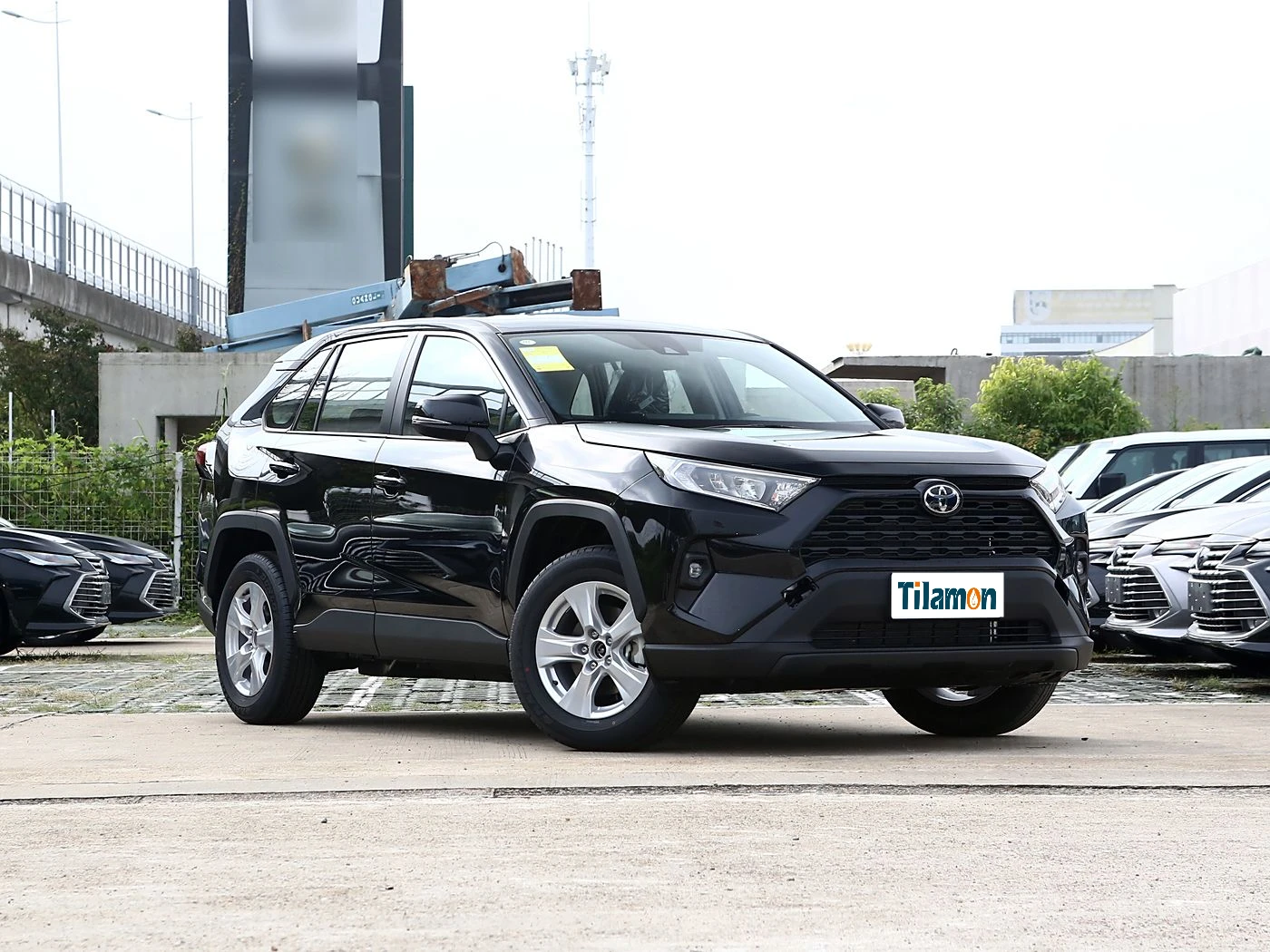
Evolution and Trajectory of the Sri Lankan EV Market

From basic imports to a structured energy ecosystem.

Market Development History

Between 2010 and 2018, the market was dominated by internal combustion engines and a small influx of early-stage hybrid imports. The infrastructure was minimal, with charging stations being rare outside of major luxury hotels.

From 2019 to 2023, the shift toward new energy ev became evident. The entry of diversified Chinese manufacturers introduced high-capacity LFP batteries and fast-charging capabilities, making electric mobility practical for long-distance travel between Colombo and Kandy.

By 2024, the market has matured into a dual-stream economy where brand new high-tech imports coexist with a structured market for 2 nd hand cars, ensuring that sustainability is accessible across different income brackets.

Future Development Trends

V2G (Vehicle-to-Grid) Integration

Integration of EVs into the national grid to stabilize power during peak hours, utilizing car batteries as temporary energy storage for the local community.

LFP Battery Standardization

A shift toward Lithium Iron Phosphate (LFP) chemistry to better handle the high ambient temperatures of Sri Lanka, increasing safety and lifecycle.

Modular Charging Hubs

The deployment of solar-powered charging clusters in rural areas to eliminate "range anxiety" and decouple transportation from fossil fuel imports.

Industry Trends and Future Outlook

Strategic projections for the next 3-5 years based on regional search trends and technological leaps.

AI-Driven Battery Management
Predictive algorithms to optimize energy consumption based on Sri Lankan traffic patterns and temperature.
Sustainable Battery Recycling
Establishing local centers for the circular economy of lithium and cobalt to reduce environmental impact.
Ultra-Fast Charging Network
Expansion of 150kW+ chargers along the Southern Expressway to enable seamless inter-city travel.
EV Fleet Electrification
Shift of public transport and corporate fleets toward zero-emission vehicles to meet national climate goals.

Industry Outlook

Looking ahead, the Sri Lankan market will see a convergence of affordability and high performance. The proliferation of smart-grid technology will allow EV owners to not only consume but sell energy back to the grid, transforming the vehicle from a cost center into a financial asset.

With the increase in search queries for sustainable transport, the industry will likely pivot toward "Battery-as-a-Service" (BaaS) models, reducing the upfront cost of new energy vehicle acquisitions and accelerating mass adoption.

Local Application Scenarios in Sri Lanka

Practical implementations of electric mobility across various Sri Lankan sectors.

01. Urban Commuting in Colombo

Compact new chinese ev models are ideal for navigating the dense traffic of Colombo, offering zero tailpipe emissions and lower operating costs for daily office commutes.

02. Tourism Transport in Hill Country

High-torque electric SUVs are being deployed for tourist transport in Nuwara Eliya and Ella, providing a quiet, pollution-free experience that preserves the pristine nature of the highlands.

03. Last-Mile Delivery Logistics

Small electric vans and trikes are revolutionizing the delivery sector, reducing the overhead costs for local businesses while complying with urban noise ordinances.

04. Budget-Friendly Student Mobility

The availability of certified 2 nd hand cars provides university students with an eco-friendly and affordable way to travel between campuses.

05. Government Fleet Modernization

Replacing official ministerial vehicles with state-of-the-art electric models to lead by example in the national transition toward a green economy.

Brand Story

Global Development History of Shijiazhuang Zhenming Chemical Co., Ltd.

Foundational Engineering

Starting with a focus on high-purity chemical components essential for battery electrolytes, establishing the groundwork for energy storage.

Material Innovation

Developing advanced conductive materials that improved the charging speed and efficiency of early-generation electric vehicles.

Global Expansion

Expanding supply chains to Asia, ensuring that high-quality materials reach manufacturers creating the next generation of EVs.

Sustainability Pivot

Implementing green chemistry protocols to ensure the production of battery materials is as sustainable as the vehicles they power.

Eco-System Integration

Partnering with global automotive leaders to solve the critical pain points of battery degradation and thermal stability.

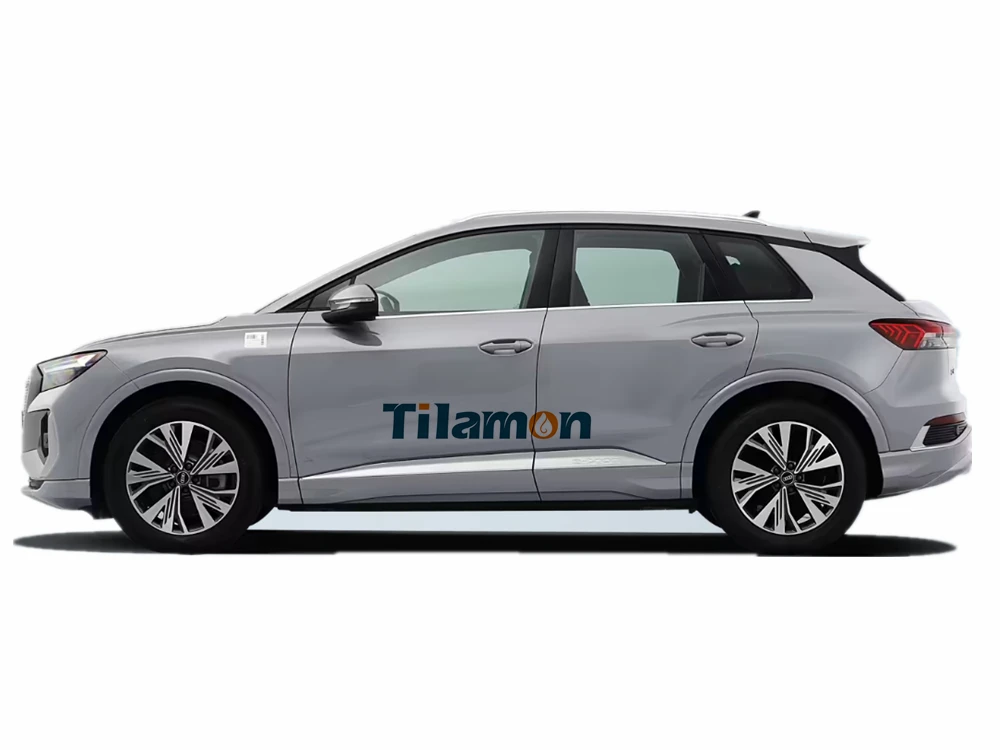
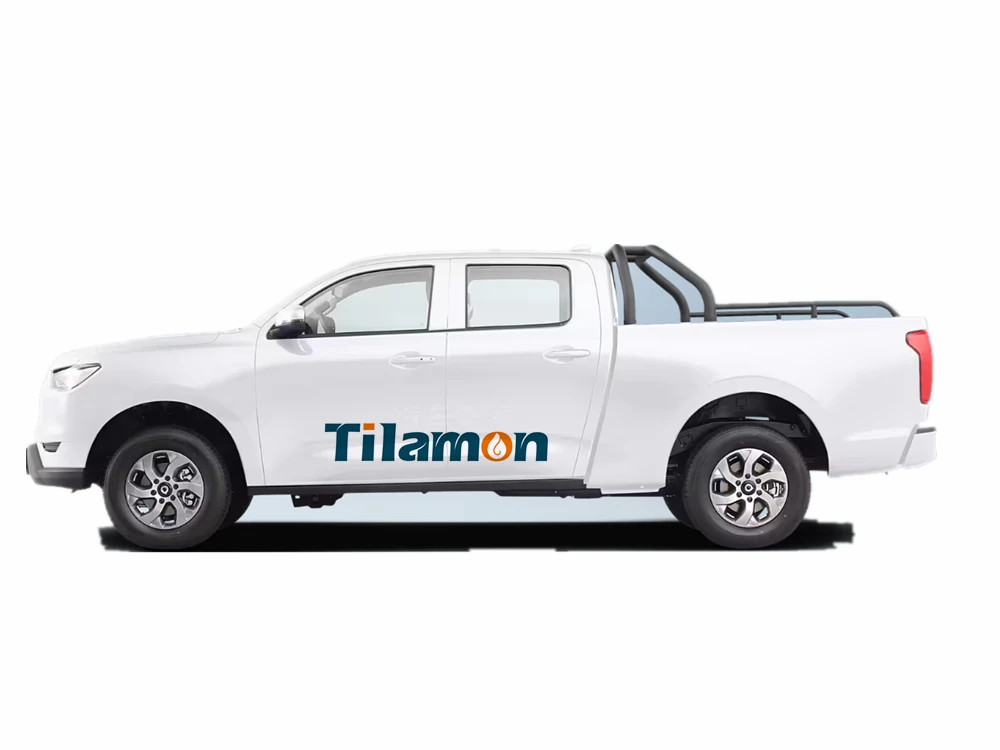
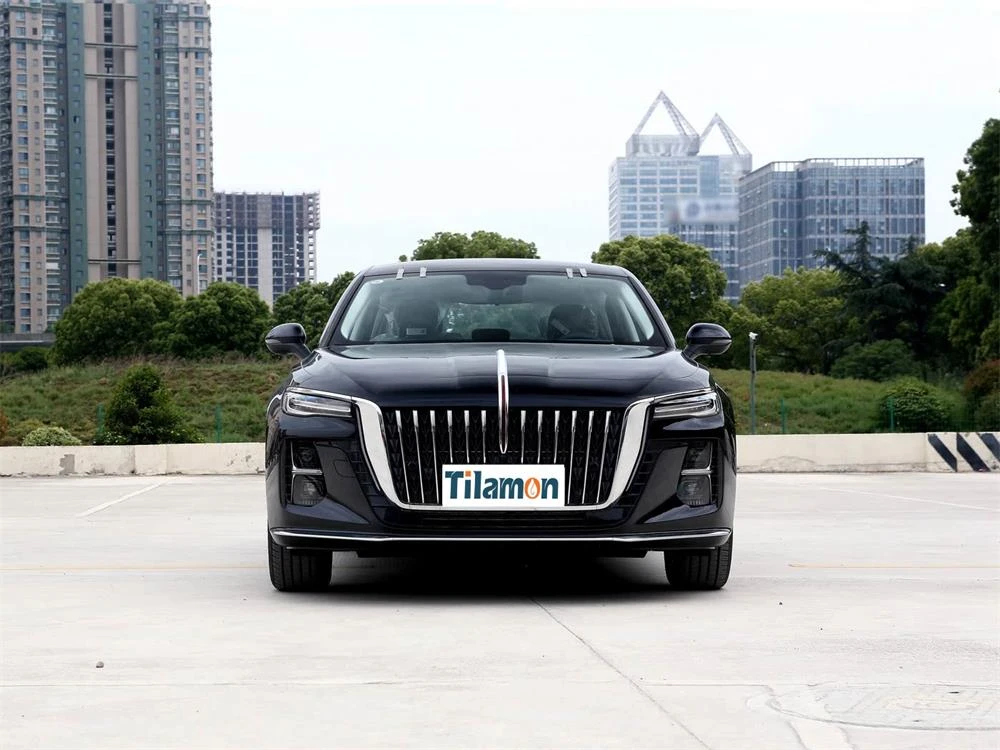
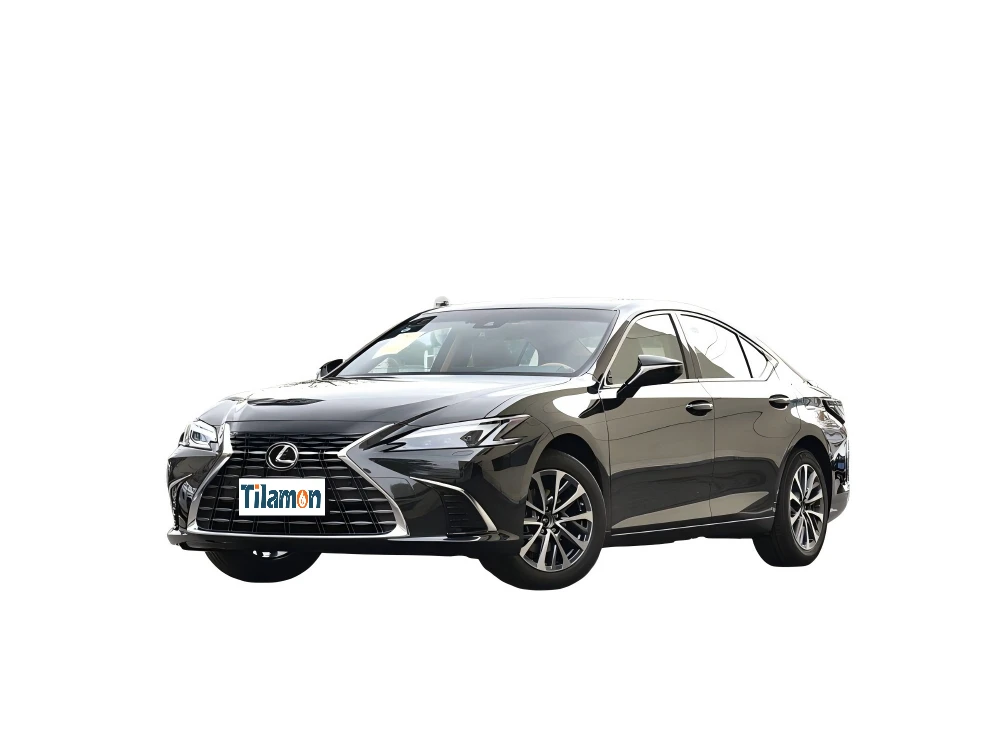
Complete Electric Mobility Portfolio for Sri Lanka

From luxury sedans to affordable urban hatchbacks, our range covers every need of the Sri Lankan driver.

Common Questions about EVs in Sri Lanka

Everything you need to know about transitioning to electric energy.

What are the benefits of choosing a new chinese ev over traditional brands?

Chinese EVs often provide superior battery technology and integrated smart features at a more accessible price point, making them highly competitive in the Sri Lankan market.

Is it safe to buy a secondhand vehicle in the electric category?

Yes, provided the vehicle undergoes a professional battery health check (SOH). Certified pre-owned EVs offer a great balance of sustainability and value.

How does a new energy vehicle handle the humid climate of Sri Lanka?

Modern NEVs use advanced liquid cooling systems to keep the battery at optimal temperatures, preventing overheating even in peak tropical heat.

Where can I find charging stations for my new energy ev?

Charging networks are expanding rapidly across Colombo and major highways. Most owners also install home-charging wallboxes for convenience.

What is the average lifespan of batteries in 2 nd hand cars?

Most modern EV batteries are designed to last 8-10 years or 160,000km before seeing significant degradation, making second-hand options viable.

Do I need a special license for a new energy vehicle?

No, the same standard driver's license applies. However, we recommend a short orientation on regenerative braking for new users.

Ready to Transition to Green Mobility?

Our experts are ready to help you find the perfect electric solution tailored for the roads of Sri Lanka.

Contact Us Now

If you are interested in our products, you can choose to leave your information here, and we will be in touch with you shortly.