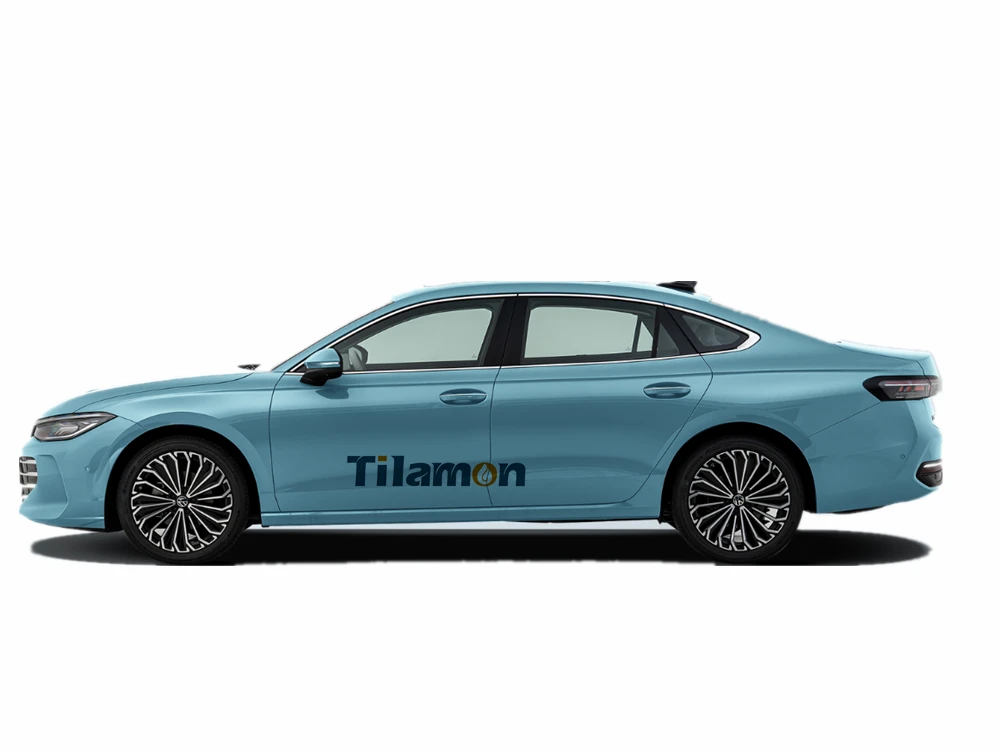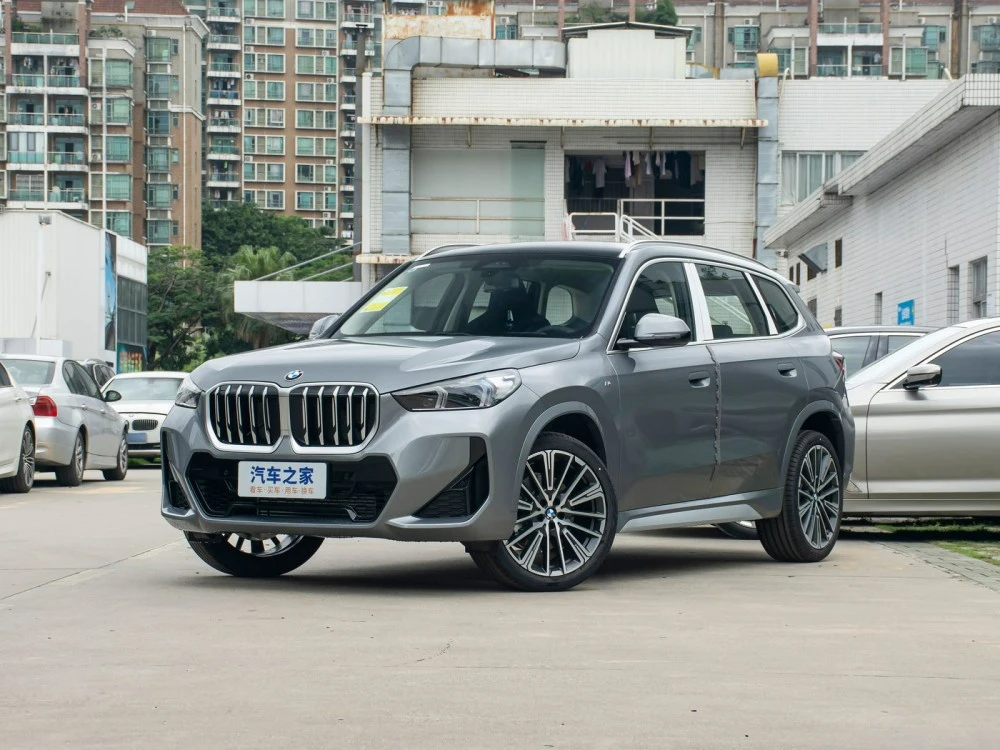
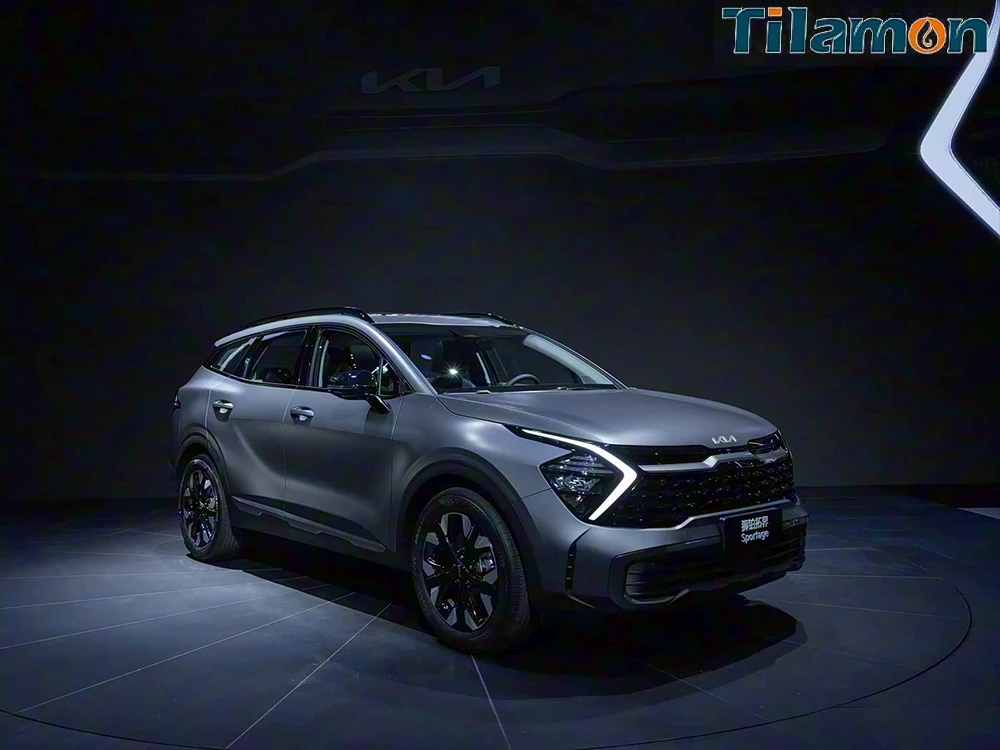
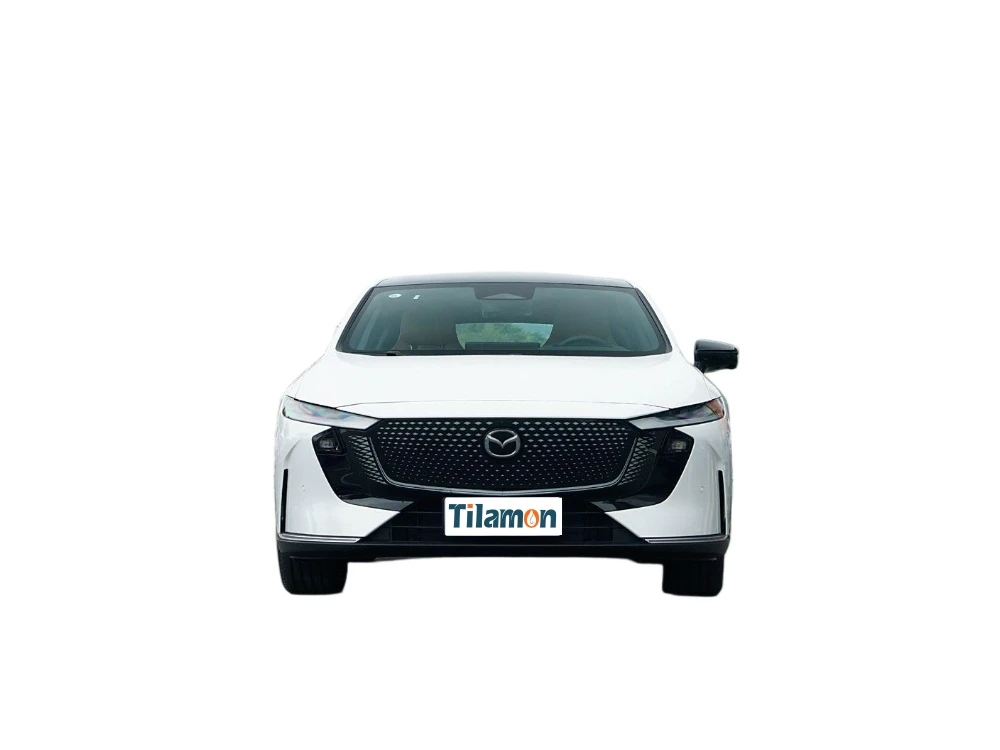
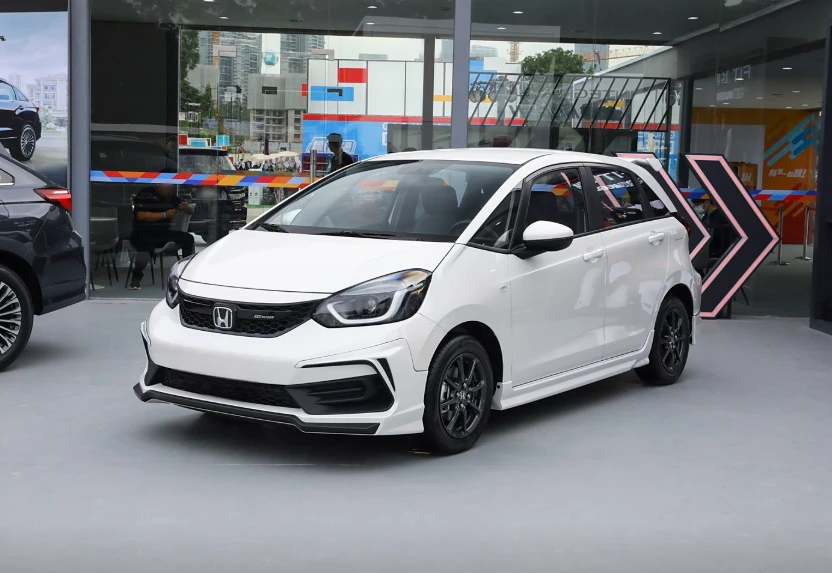
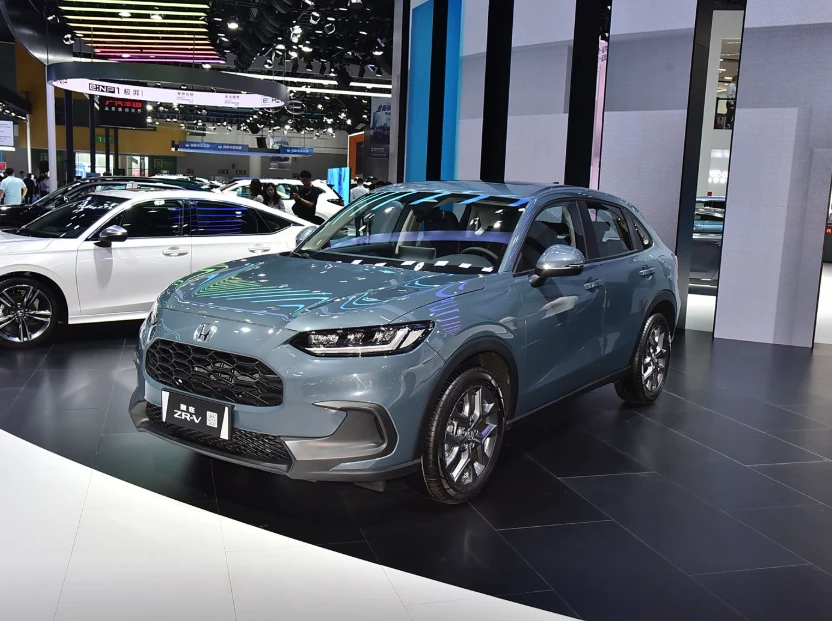
Advanced Mobility Solutions for new energy vehicle in Turkey

Driving the transition to sustainable transportation across the Turkish landscape with cutting-edge EV manufacturing and distribution.

Advanced Mobility Solutions for new energy vehicle in Turkey

Providing high-performance energy solutions and vehicle procurement strategies tailored for the unique economic and geographical needs of the Turkish market.

The Current Landscape of Electric Mobility in Turkey

Analyzing the intersection of urban congestion and the push for green energy.

Turkey's automotive sector is currently undergoing a seismic shift. With major hubs like Istanbul and Ankara facing severe urban congestion, the demand for a new chinese ev has surged due to their competitive price-to-performance ratio and rapid technological adoption.

The geographic diversity of Turkey, from the coastal regions to the central highlands, requires vehicles with versatile battery management systems. This has led to an increased interest in new energy ev models that can withstand varying temperature gradients while maintaining energy efficiency.

Economically, the Turkish market shows a strong preference for value retention. Consequently, there is a growing parallel market for a secondhand vehicle that integrates hybrid or electric powertrains, blending affordability with environmental responsibility.
Evolution and Trajectory of Vehicle Manufacturing

From traditional combustion engines to the era of intelligent electrification.

Market Development History

Until 2015, the Turkish market was dominated by internal combustion engines (ICE), focusing on durability and diesel efficiency for long-haul logistics across the Anatolian plateau.

Between 2016 and 2021, a transitional phase occurred where hybrid technology gained traction. This period saw the initial introduction of 2 nd hand cars with electrified components, normalizing the concept of battery-assisted driving.

From 2022 to the present, Turkey has accelerated its "Green Deal" alignment, leading to a massive influx of fully electric platforms and the establishment of local charging infrastructure to support a modern new energy vehicle ecosystem.

Future Development Trends

Solid-State Battery Integration

Within the next 3 years, we expect a shift toward solid-state batteries to increase range for trans-continental travel between Turkey's major cities.

Autonomous Urban Logistics

Integration of Level 3 autonomy in delivery fleets to optimize the chaotic traffic patterns of Istanbul's metropolitan areas.

Circular Battery Economy

The emergence of certified battery recycling centers to maintain the residual value of used electric fleets.

Future Trends and Strategic Outlook

Forecasting the technological pivots in the Turkish automotive sector.

V2G Implementation
Vehicle-to-Grid technology will allow Turkish homeowners to sell excess energy back to the grid.
AI-Driven Fleet Mgmt
Predictive maintenance algorithms to reduce downtime for commercial EV fleets in industrial zones.
Fast-Charging Corridors
Deployment of ultra-fast charging stations along the E80 highway to facilitate cross-border travel.
Sustainable Materials
Use of bio-composite materials in car interiors to meet EU export standards from Turkey.

Industry Outlook

Based on Google search trends in Turkey, keywords related to "EV charging costs" and "battery lifespan" are peaking, indicating a market moving from curiosity to practical ownership.

We predict that the integration of domestic manufacturing with imported Chinese technology will create a hybrid industrial model, reducing import reliance and lowering the cost of entry for consumers.

Localized Application Scenarios in Turkey

Real-world implementations of energy vehicles across different Turkish sectors.

1. Istanbul Urban Last-Mile Delivery

Utilizing compact new energy ev fleets to navigate the narrow streets of Beyoğlu, reducing noise pollution and operational costs.

2. Aegean Coastal Tourism Shuttles

Implementation of luxury electric shuttles for resorts in Antalya and Bodrum, offering silent, emission-free transport for eco-conscious tourists.

3. Ankara Governmental Fleet Transition

The migration of official municipal vehicles to high-range electric models to set a national example for decarbonization.

4. Anatolian Logistics Hubs

Deploying heavy-duty electric trucks for short-haul transfers between rail terminals and warehouses in central Turkey.

5. Certified Pre-owned EV Hubs

Establishment of specialized centers for secondhand vehicle certification, ensuring battery health for budget-conscious buyers.

Brand Story

Global Development Journey of Shijiazhuang Zhenming Chemical Co., Ltd.

Foundational Excellence

Started as a precision chemical provider, perfecting the materials essential for high-performance battery electrolytes.

Strategic Diversification

Expanded from raw materials into the automotive supply chain, bridging the gap between chemical engineering and vehicle assembly.

Global Market Entry

Established strategic partnerships across Asia and Europe, optimizing the export of sustainable automotive components.

Innovation Pivot

Invested heavily in R&D for energy-dense battery materials, specifically targeting the needs of the EV manufacturing sector.

Sustainability Leadership

Now leading the transition toward zero-emission mobility by providing integrated solutions for global automotive brands.

Comprehensive Product Portfolio for Turkey

A curated selection of vehicles and components designed for the Turkish climate and economy.

Frequently Asked Questions in Turkey

Expert answers to the most common queries regarding electric mobility.

What are the advantages of a new chinese ev in the Turkish market?

Chinese EVs offer a superior balance of smart technology, battery range, and affordability, making them highly competitive against traditional European brands in Turkey.

How can I ensure the battery health of a secondhand vehicle?

We recommend a certified SOH (State of Health) test that analyzes the battery's degradation level and cycle count before purchase.

Are there enough charging stations for a new energy ev in Anatolia?

While urban centers are well-equipped, the network is expanding rapidly along major highways to support long-distance travel across the region.

What is the typical lifespan of a new energy vehicle battery?

Most modern batteries are designed to last 8-10 years or 160,000+ kilometers before dropping below 70-80% of their original capacity.

Is it cost-effective to buy 2 nd hand cars with electric powertrains?

Yes, as depreciation on new EVs is often higher than ICE cars, buyers can find high-spec vehicles at a fraction of the original price.

How does the Turkish climate affect EV battery performance?

Extreme heat in the south and cold in the east can affect range; however, modern thermal management systems effectively mitigate these impacts.

Ready to Electrify Your Fleet?

Our experts are ready to help you navigate the EV transition in Turkey. Contact us for tailored procurement and technical support.

Contact Us Now

If you are interested in our products, you can choose to leave your information here, and we will be in touch with you shortly.