Canada Sustainable Mobility: new energy vehicle Solutions

Accelerating Canada's transition to zero-emission transport through advanced manufacturing and sustainable automotive ecosystems.

Canada Sustainable Mobility: new energy vehicle Solutions

Providing comprehensive automotive manufacturing expertise to integrate high-efficiency energy systems into the Canadian transportation landscape.

The Landscape of new energy ev in Canada

Analyzing the intersection of Canadian climatic challenges and EV adoption.

Canada's automotive market is currently navigating a pivotal shift. With extreme winter temperatures in provinces like Ontario and Quebec, the demand for a new energy vehicle requires specific engineering adjustments, particularly in battery thermal management systems to prevent range loss during deep freezes.

Economically, Canada is leveraging its rich mineral reserves, such as lithium and cobalt, to build a domestic supply chain. This integration is making the procurement of a new chinese ev more attractive due to the competitive balance of cost-efficiency and advanced battery technology.

Simultaneously, the market is seeing a rise in circular economy practices. As first-generation EVs age, the demand for a certified secondhand vehicle is growing, necessitating new standards for battery health certification in the used car market.

Evolution of Canadian Auto Manufacturing

From internal combustion dominance to the era of electrification.

Market Development History

From 1950 to 2010, Canada's manufacturing was dominated by the "Big Three," focusing heavily on internal combustion engines and heavy-duty trucks suited for the vast geography.

Between 2011 and 2020, the transition began with hybrid pilots. The industry started integrating power electronics, shifting the manufacturing focus toward efficiency and reducing carbon footprints in line with federal mandates.

Post-2021, the surge of the new energy ev sector has forced a complete re-tooling of assembly lines, moving from engine blocks to skateboard platforms and modular battery packs.

Future Development Trends

Solid-State Battery Integration

Over the next 3 years, we expect a transition toward solid-state electrolytes to solve the cold-weather performance issues prevalent in Canadian winters.

AI-Driven Manufacturing

Implementing "Digital Twins" in the production of 2 nd hand cars refurbishment to predict component failure before resale.

V2G (Vehicle-to-Grid) Infrastructure

Transforming vehicles into mobile energy storage units to stabilize the Canadian electrical grid during peak winter loads.

Strategic Outlook for Canada's EV Sector

Predicting the trajectory of automotive manufacturing through 2030.

Cold-Climate Optimization
Development of advanced heat pump systems specifically for the Canadian tundra and boreal climates.
Circular Economy Loops
Establishing regional hubs for battery recycling and the certification of secondhand automotive components.
Supply Chain Localism
Reducing reliance on overseas shipping by utilizing Canada's critical mineral corridors.
Autonomous Integration
Adapting Level 3 autonomy for snow-covered roads and complex urban Canadian environments.

Industry Outlook

Google search trends indicate a massive spike in queries regarding "winter EV range" and "EV battery rebates" in Canada, signaling that consumer confidence is tied to technical reliability in cold weather.

The forecast for 2025-2030 suggests that the integration of new chinese ev platforms will accelerate due to their agility in software-defined vehicle (SDV) architecture, which appeals to the tech-savvy urban population of Toronto and Vancouver.

Canadian Localized Application Scenarios

Practical deployments of electric mobility across diverse Canadian regions.

01. Urban Commuting in Greater Toronto Area (GTA)

Deployment of high-density new energy ev fleets to reduce smog and congestion in the downtown core, utilizing rapid-charging hubs.

02. Last-Mile Delivery in Vancouver

Integration of compact electric vans for eco-friendly logistics, optimizing energy consumption in the hilly terrain of the West Coast.

03. Cold-Weather Testing in Alberta

Utilizing the harsh winters of Alberta to validate the endurance of new chinese ev battery heating systems before national rollout.

04. Rural Transport in Quebec

Implementing long-range new energy vehicle options for inter-city travel, supported by government-funded charging corridors.

05. Sustainable Fleet Refresh for Municipalities

Replacing aging city vehicles with certified 2 nd hand cars that have undergone professional battery rejuvenation to lower public spending.

Brand Story

Global Development Journey of Shijiazhuang Zhenming Chemical Co., Ltd.

Foundation of Chemical Excellence

Starting as a specialist in high-purity chemical production, we laid the groundwork for the materials used in advanced battery electrolytes.

Pivot to Automotive Materials

Recognizing the shift toward electrification, we transitioned our R&D to focus on thermal interface materials for EV battery packs.

Global Supply Chain Expansion

Establishing strategic partnerships across Asia and Europe to ensure the stability of raw material flows for the EV industry.

North American Market Entry

Tailoring our chemical solutions to meet Canada's strict environmental standards and extreme temperature requirements.

Commitment to Zero Emissions

Our current mission is to eliminate waste in the automotive manufacturing cycle through sustainable chemistry and circular economy models.

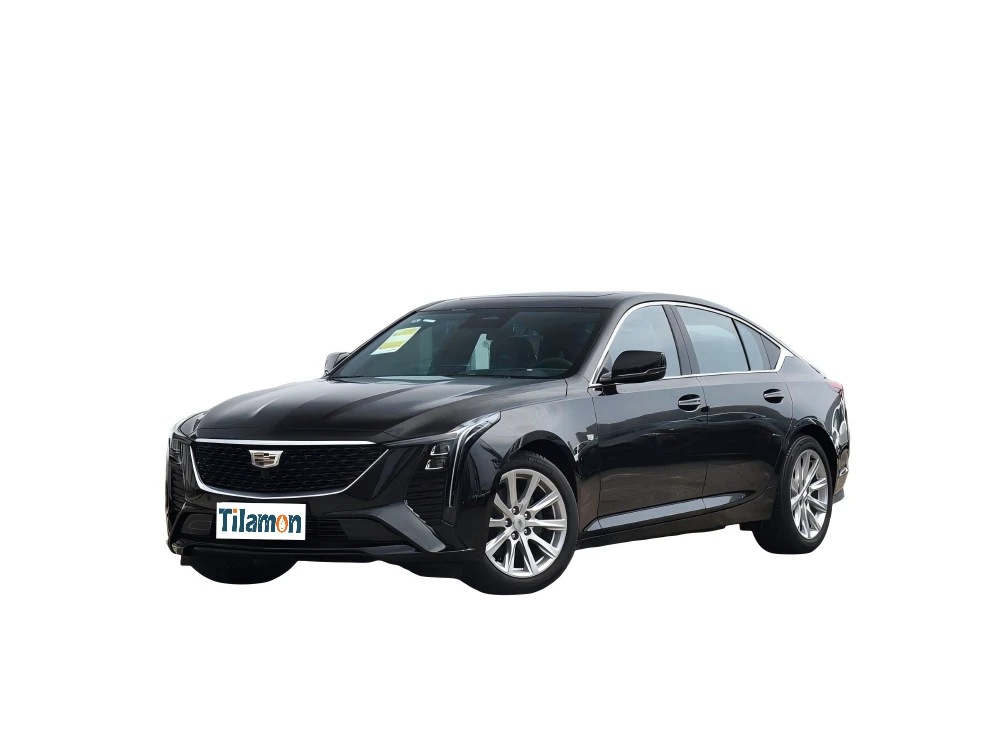
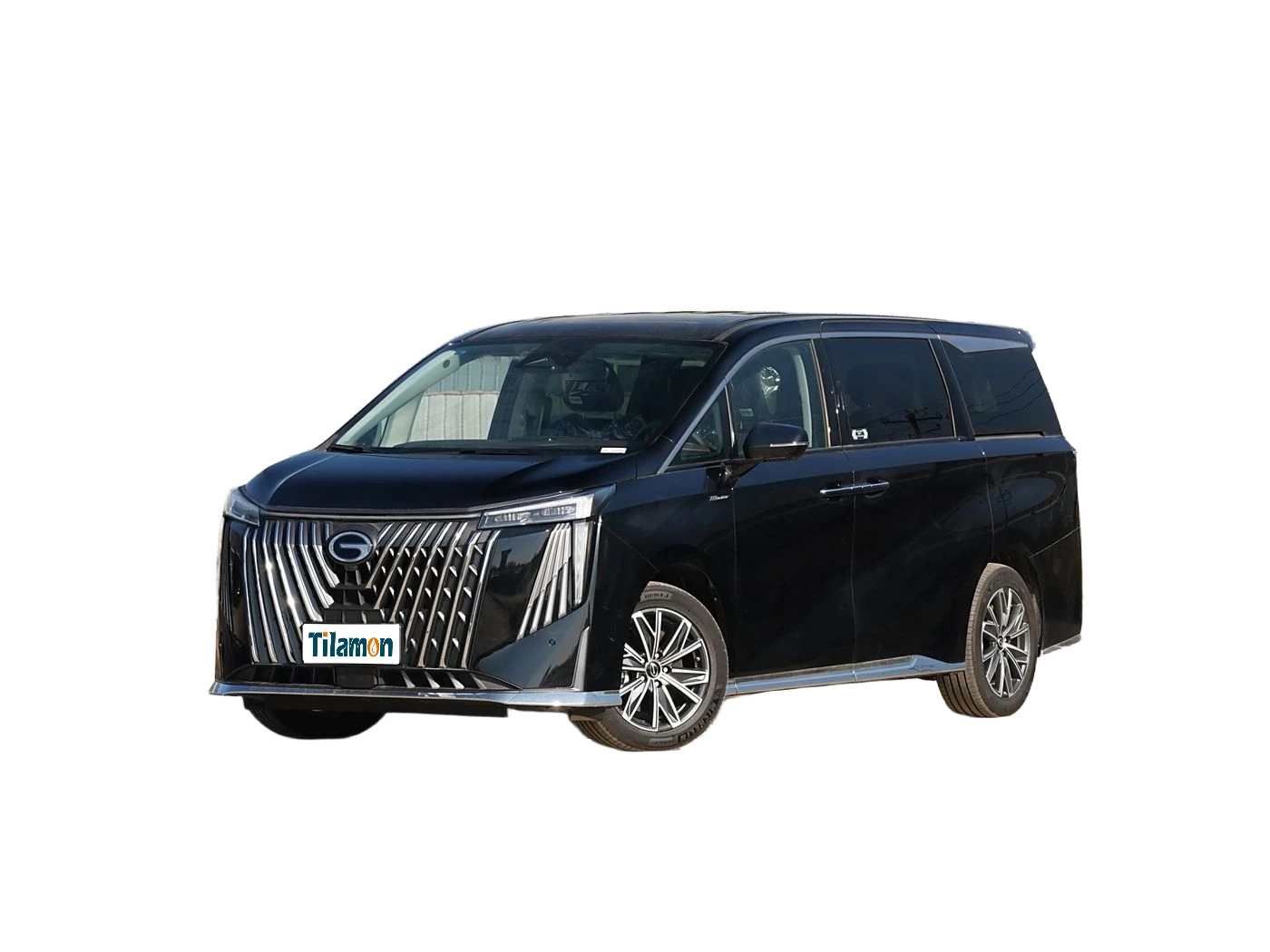
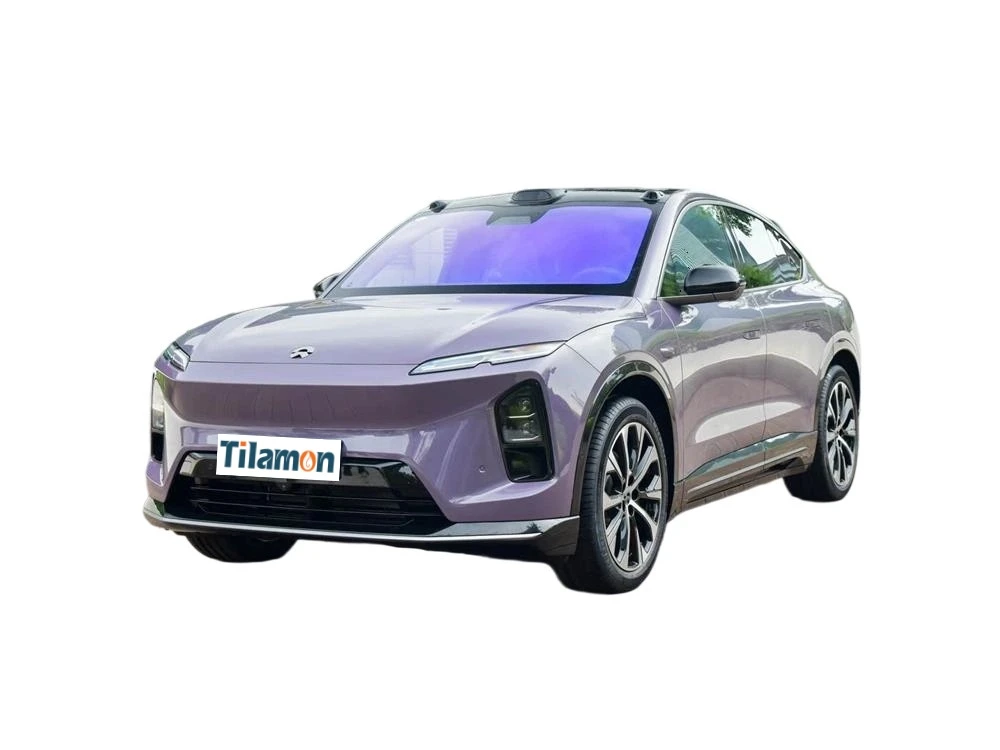
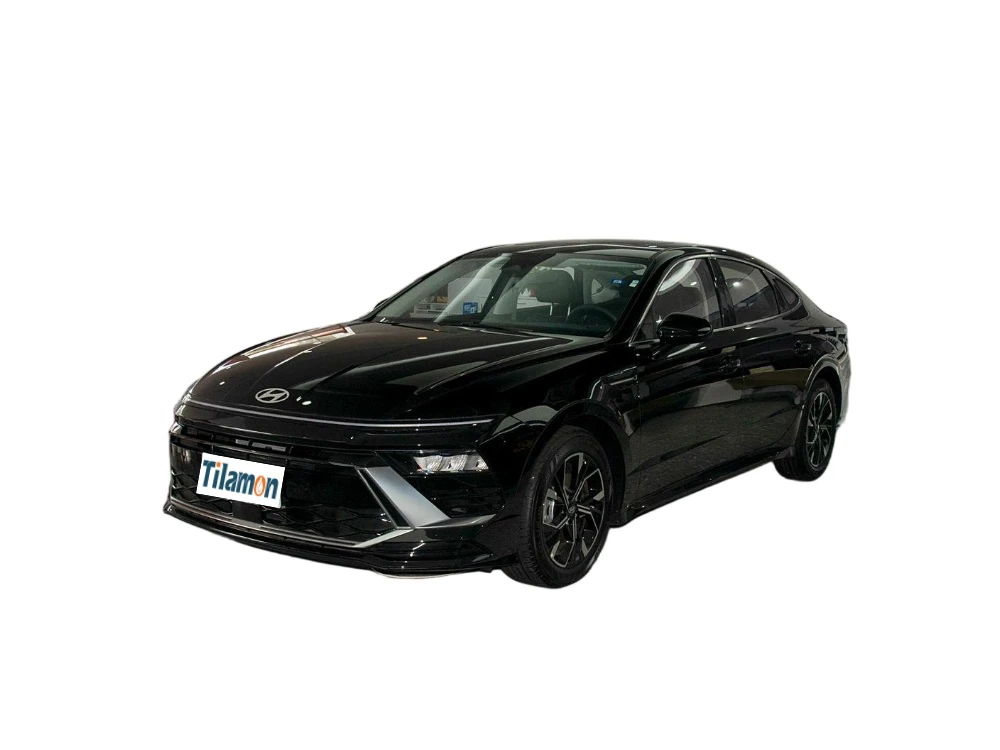
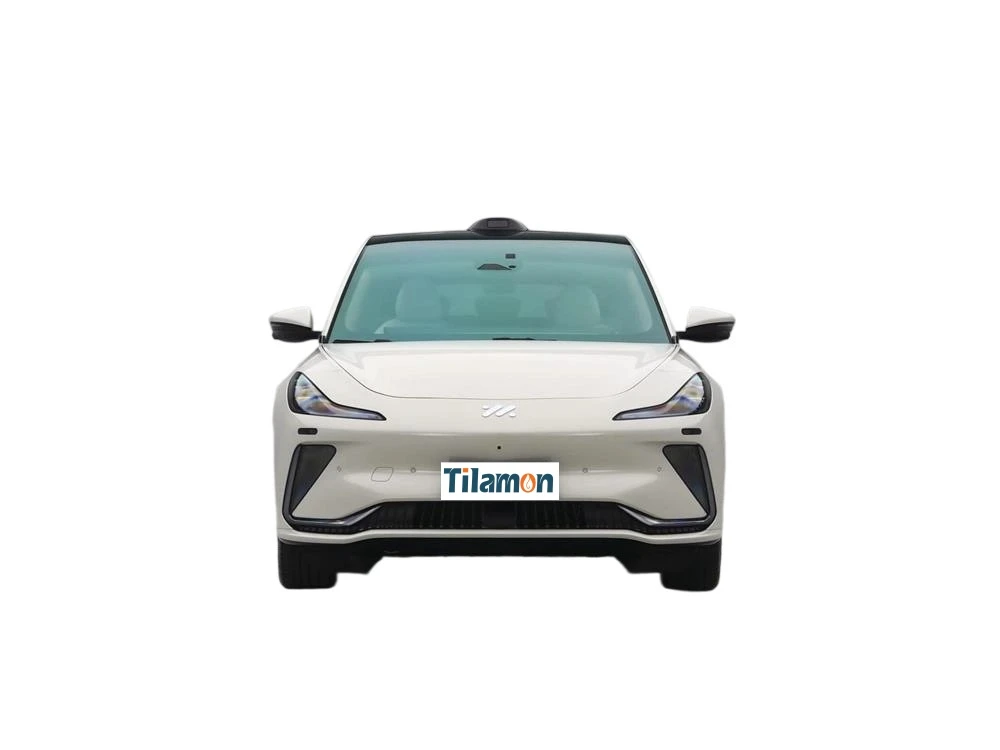
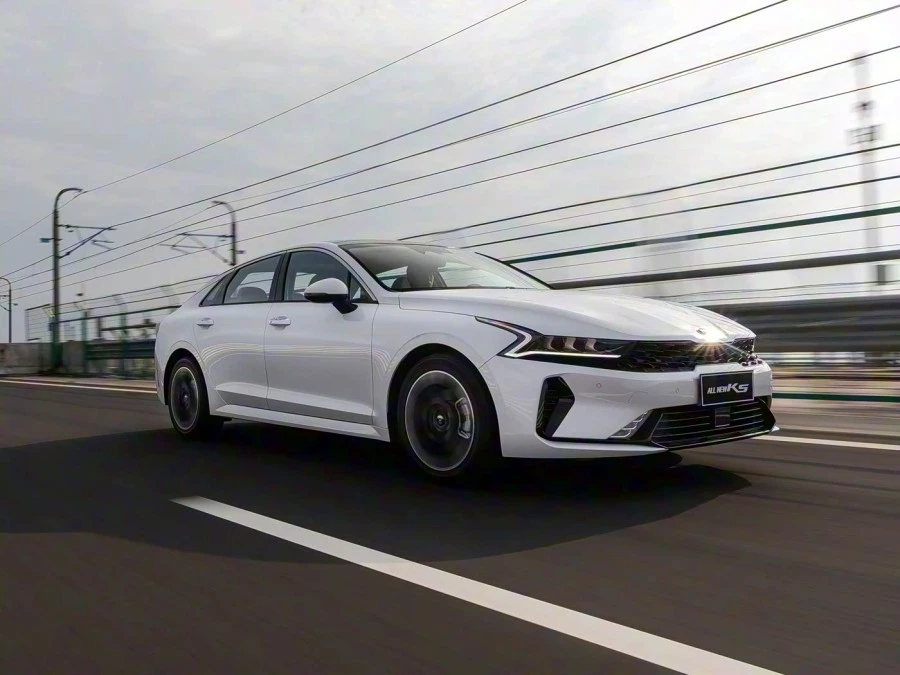
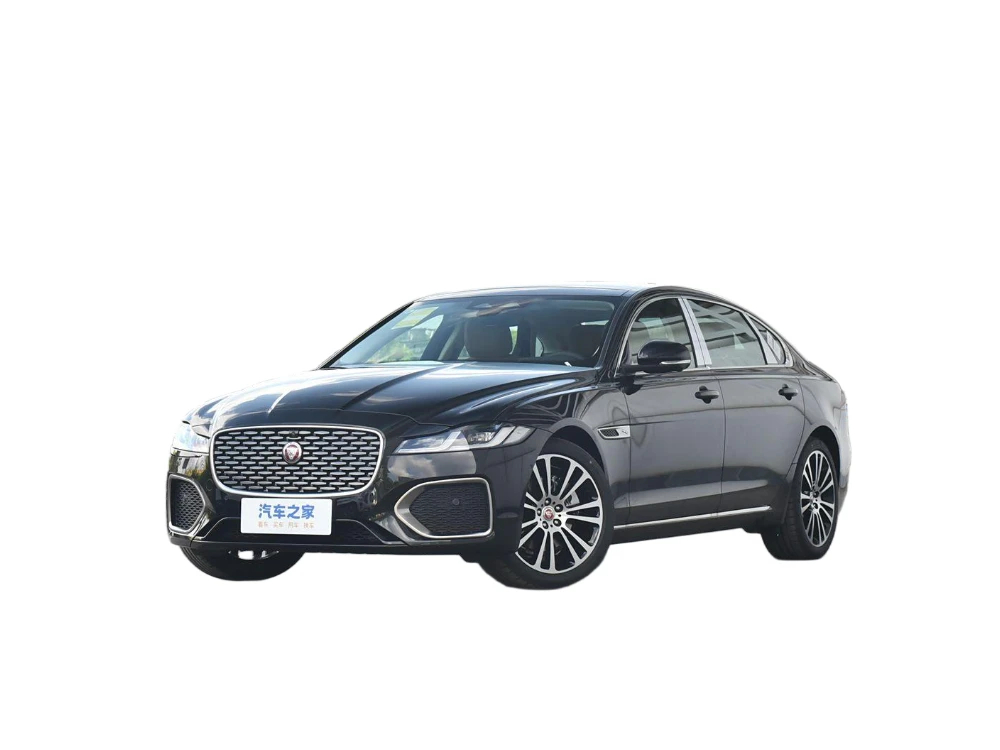
Comprehensive secondhand vehicle and New EV Portfolio for Canada

A curated selection of energy-efficient vehicles designed for North American road conditions.

Canada EV Industry FAQs

Addressing the most common concerns regarding new energy transport in Canada.

How does a new chinese ev perform in Canadian winters?

Modern Chinese EVs are increasingly equipped with advanced heat pumps and battery pre-conditioning systems specifically designed to maintain efficiency in sub-zero temperatures.

What is the battery life expectancy of a secondhand vehicle?

Most EVs retain 80-90% of their capacity after 5 years. We provide certified health reports for every used electric car to ensure transparency.

Are there government incentives for a new energy vehicle in Canada?

Yes, Canada offers federal iZEV incentives and additional provincial rebates in Quebec and BC to reduce the purchase price of zero-emission vehicles.

Where can I find reliable 2 nd hand cars with EV warranties?

Look for certified pre-owned programs that offer extended battery warranties and a full history of charging cycles.

Is the charging infrastructure ready for a new energy ev across Canada?

Rapid expansion is occurring along the Trans-Canada Highway, with thousands of Level 3 fast chargers being installed annually.

How is the resale value of a new energy vehicle compared to gas cars?

Resale value is stabilizing as battery technology matures and the demand for electric mobility increases in the used market.

Ready to Electrify Your Fleet?

Contact our expert consultants to find the perfect energy-efficient mobility solution for your business in Canada.

Contact Us Now

If you are interested in our products, you can choose to leave your information here, and we will be in touch with you shortly.