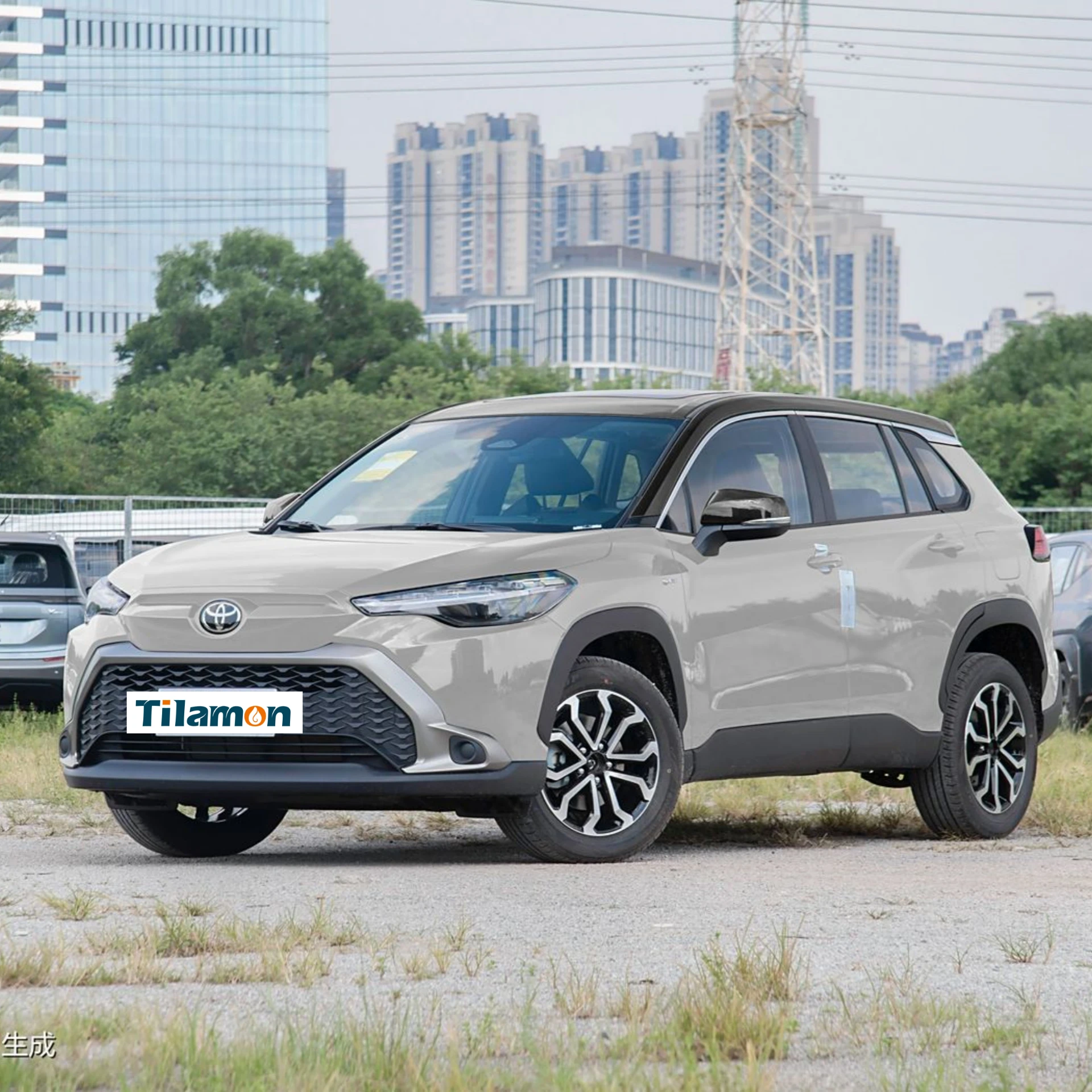
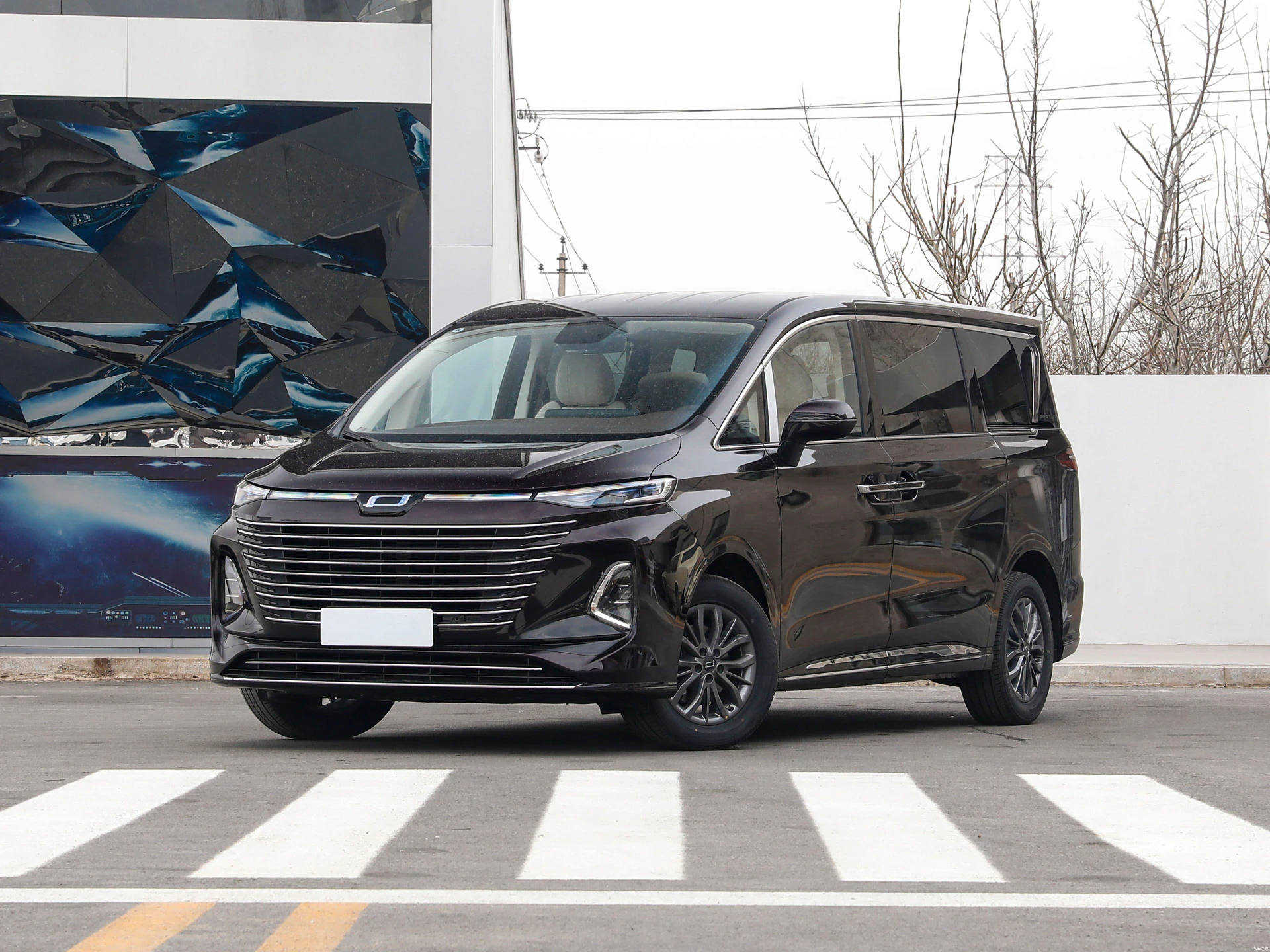
Ghana Sustainable Mobility: Premium new energy vehicle Solutions

Driving Ghana's transition from traditional combustion to high-efficiency electric transport through advanced Chinese automotive engineering.

Ghana Sustainable Mobility: Premium new energy vehicle Solutions

Integrating cutting-edge battery technology and chassis durability to meet the unique demands of the Ghanaian road infrastructure and urban climate.

Automotive Market Landscape in Ghana

Analyzing the shift from traditional imports to modern green energy mobility.

Ghana's automotive sector has long been dominated by the import of secondhand vehicle units, primarily due to economic accessibility and the established repair ecosystem in cities like Accra and Kumasi. However, the volatility of fuel prices and the drive for urban air quality are triggering a pivot toward sustainable alternatives.

The humid tropical climate and diverse road conditions in Ghana require vehicles with high thermal management capabilities. This is where the new chinese ev segment is gaining traction, offering advanced liquid-cooling systems for batteries that withstand high ambient temperatures better than older technology.

Despite the popularity of 2 nd hand cars, there is a growing middle class demanding reliable, warranty-backed transportation. The infrastructure for charging is expanding, creating a fertile ground for the adoption of modern electric propulsion systems across the region.
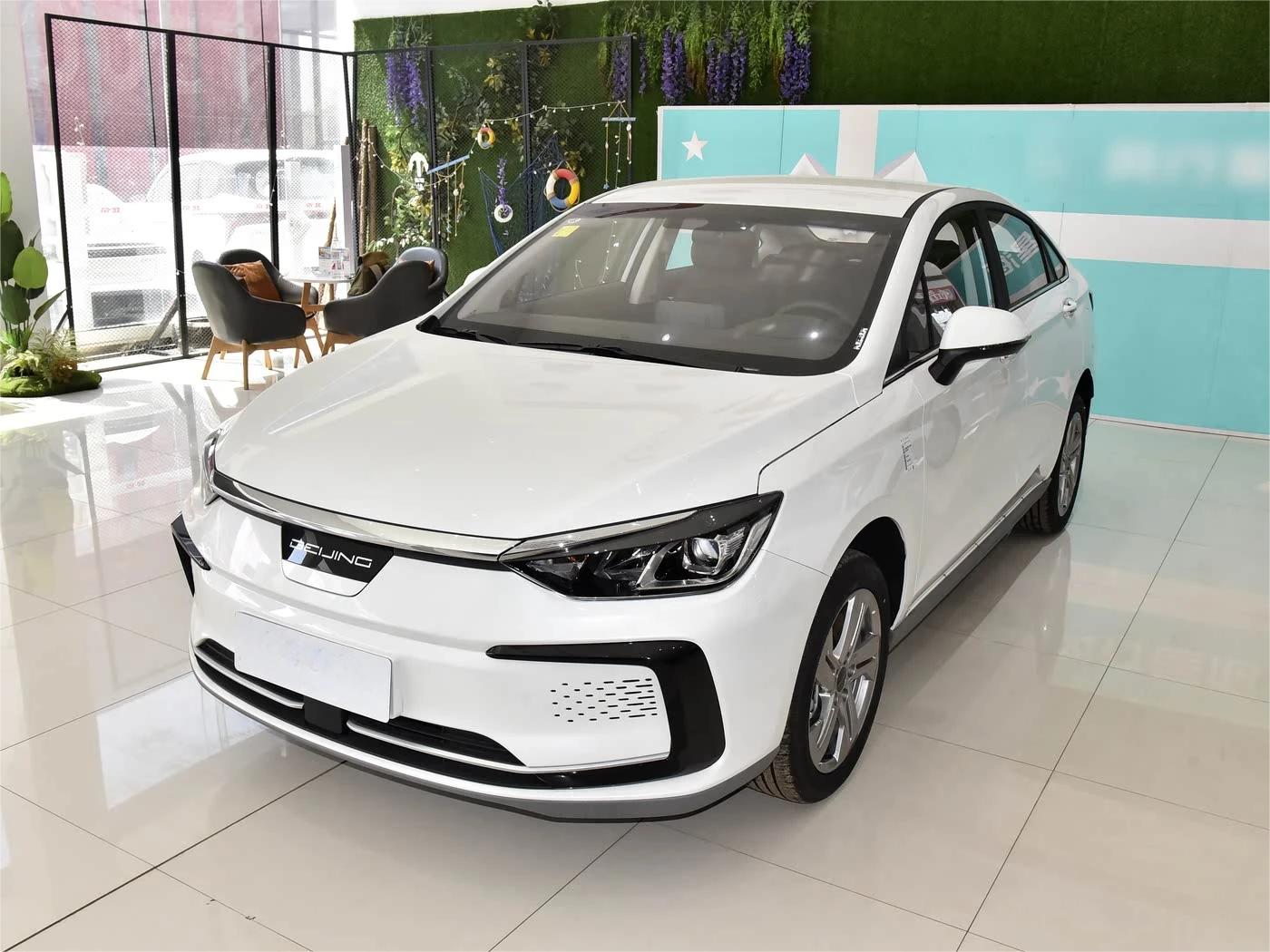
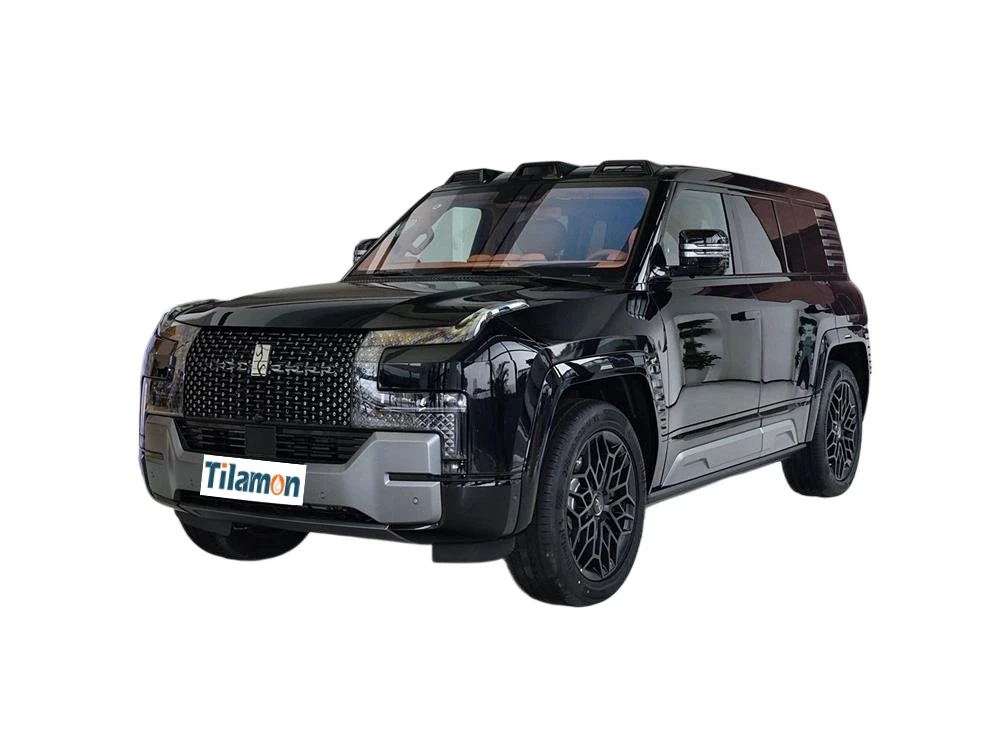
Evolution and Trajectory of Ghana's Transit

From the era of internal combustion to the age of smart electrification.

Market Development History

Between 2000 and 2015, the Ghanaian market was characterized by a heavy reliance on aging internal combustion engines (ICE), where the supply chain revolved around importing used fleets from Europe and North America.

From 2016 to 2022, we witnessed the "Hybrid Transition." Consumers began integrating hybrid models to reduce fuel costs, marking the first significant shift toward new energy ev adoption as a bridge to full electrification.

Since 2023, the market has entered the "EV Acceleration Phase." With the entry of competitive Chinese manufacturers, the accessibility of brand-new, high-tech electric cars has challenged the dominance of traditional used imports.

Future Development Trends

Battery Swapping Infrastructure

To combat range anxiety in rural Ghana, we expect a shift toward modular battery swapping stations, reducing the reliance on slow AC charging.

LFP Battery Dominance

Lithium Iron Phosphate (LFP) chemistry will become the standard due to its superior safety profile and longer cycle life in hot climates.

Smart Grid Integration

The integration of solar-powered charging hubs will allow vehicles to utilize Ghana's abundant solar energy, making the new energy vehicle truly carbon-neutral.

Industry Outlook and Strategic Projections

Forecasting the next 5 years of automotive innovation in Ghana.

Decarbonization of Logistics
Rapid transition of last-mile delivery fleets to electric vans to reduce urban smog in Accra.
Infrastructure Scaling
Implementation of DC fast-charging corridors connecting Accra to Kumasi and Takoradi.
Digital Fleet Mgmt
Integration of IoT and AI for real-time battery health monitoring and predictive maintenance.
Circular Battery Economy
Establishing local recycling centers to repurpose EV batteries for home energy storage.

Industry Outlook

Based on Google search trends in the West African region, there is a significant spike in queries regarding the operational cost of EVs versus diesel engines. This indicates a shift in consumer psychology from "prestige" to "efficiency."

We anticipate that the government's incentives for green energy will accelerate the displacement of secondhand vehicle imports, favoring zero-emission manufacturing standards by 2030.

Localized Application Scenarios in Ghana

Practical implementations of EV technology across Ghanaian daily life.

01. Urban Ride-Hailing Transformation

Replacing traditional fuel-based taxis in Accra with electric fleets to lower the cost per kilometer for drivers and reduce city noise pollution.

02. Agribusiness Cold-Chain Transport

Utilizing electric refrigerated trucks for transporting perishables from the Volta region to urban markets, powered by solar charging stations.

03. Government Administrative Fleets

Converting official ministerial vehicles to high-end electric sedans to set a national example for sustainable public procurement.

04. Mining Site Personnel Transport

Deploying rugged electric shuttles for worker transport in mining zones, reducing the environmental footprint of industrial operations.

05. E-Commerce Last-Mile Delivery

Implementing lightweight electric trikes and vans for navigating the dense alleys of Ghanaian markets for rapid package delivery.

Brand Story

Global Development Journey of Shijiazhuang Zhenming Chemical Co., Ltd.

Foundational Excellence

Established with a commitment to high-purity material science, providing the chemical building blocks for automotive durability.

Technological Diversification

Expanding our R&D to include specialized polymers and coatings that protect vehicles from extreme tropical humidity.

Global Expansion

Strategically entering the African market to solve the critical gap between vehicle affordability and long-term reliability.

Sustainability Pivot

Aligning our manufacturing processes with global carbon-neutral goals, focusing on the EV supply chain.

Future Vision

Becoming the leading partner for sustainable automotive manufacturing and chemical innovation in Ghana and beyond.

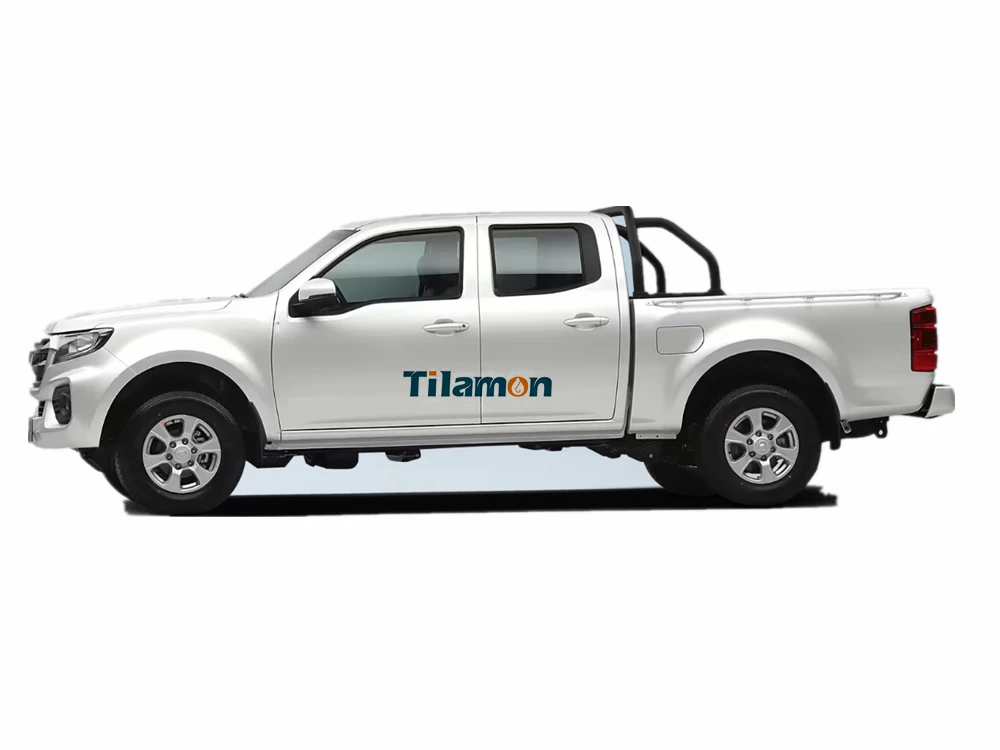
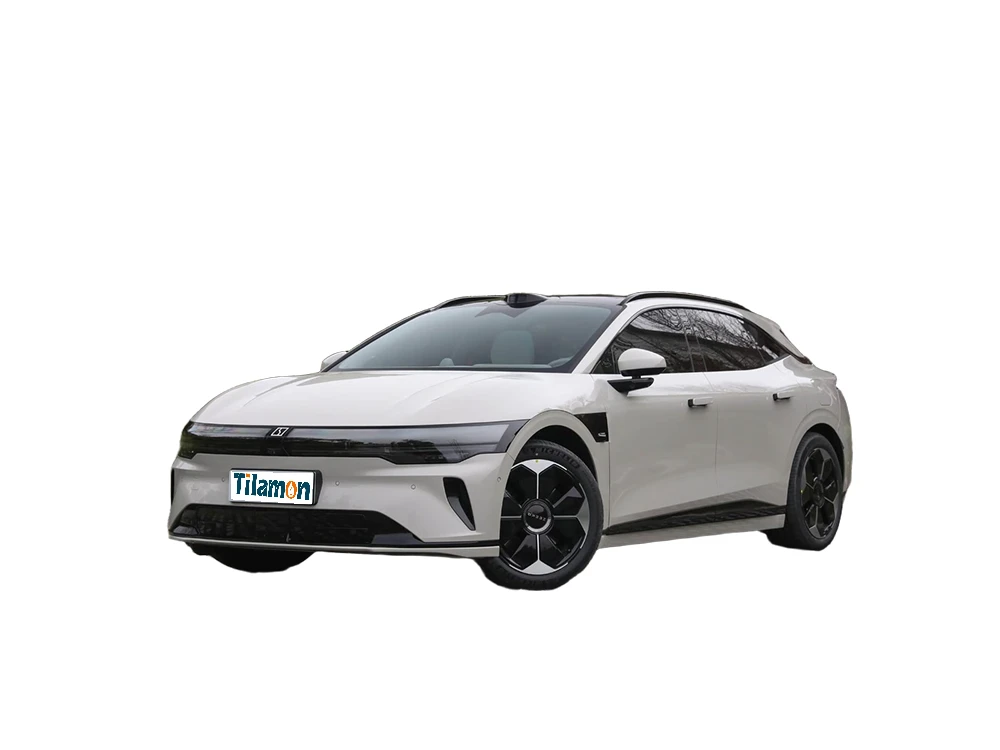
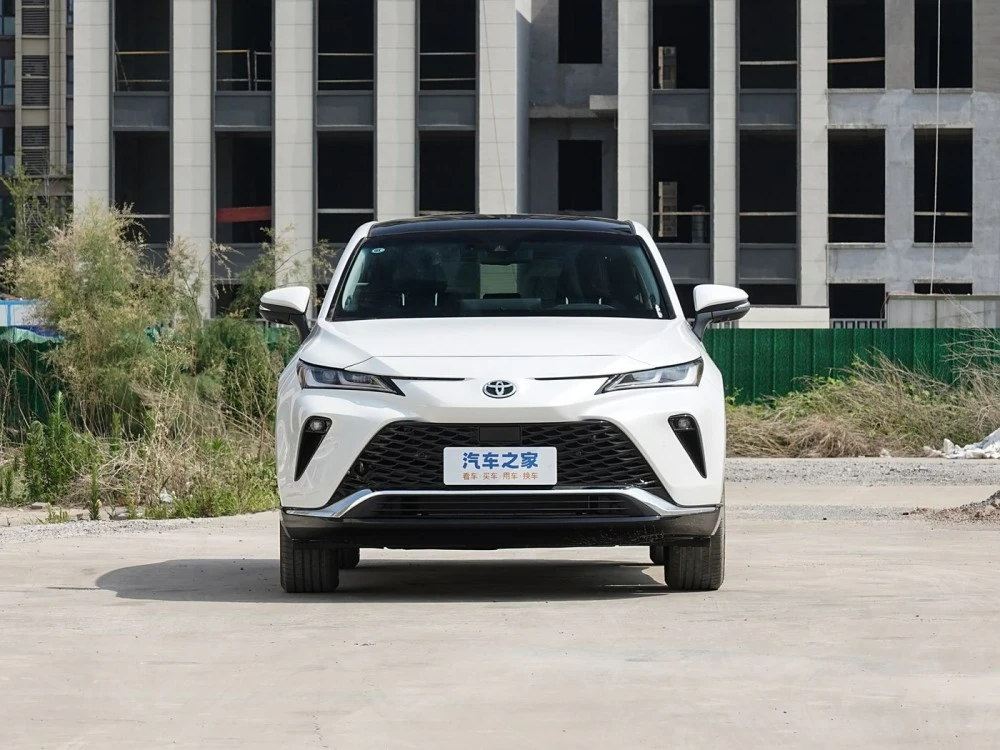
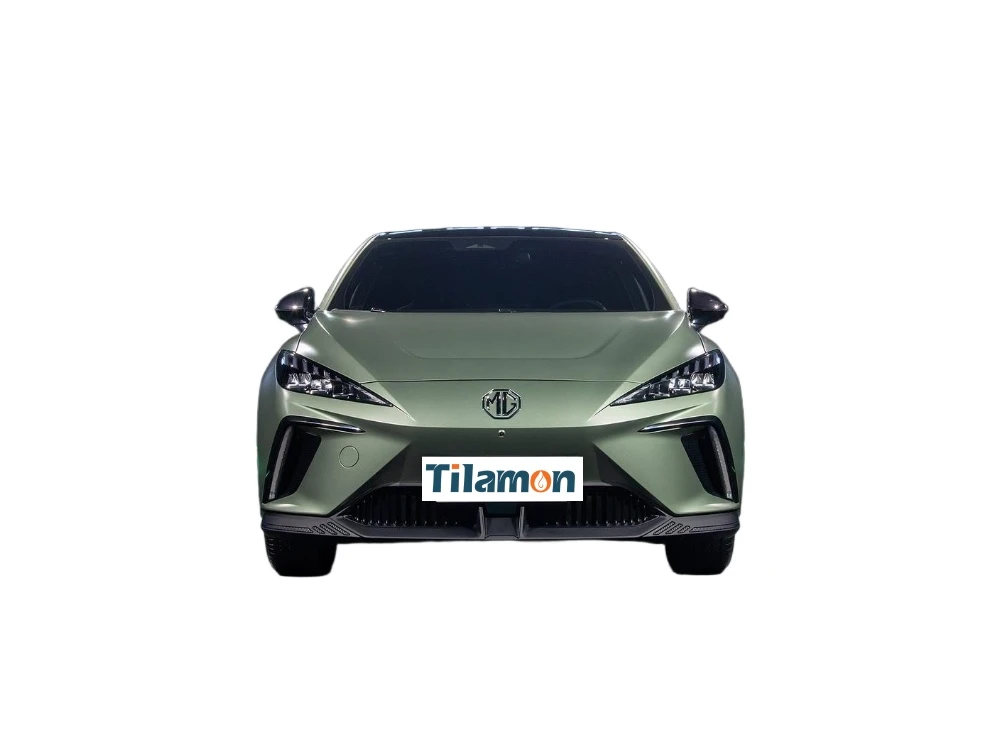
Comprehensive Electric Portfolio for Ghana

From urban commuters to industrial powerhouses, we provide a vehicle for every need.

Ghana EV Market FAQs

Everything you need to know about switching to electric mobility in Ghana.

How does a new chinese ev compare to a used petrol car in terms of maintenance?

New Chinese EVs have significantly fewer moving parts than internal combustion engines, eliminating the need for oil changes, spark plug replacements, and timing belt repairs, which drastically lowers the long-term cost of ownership.

Can I find charging stations for a new energy vehicle in Accra or Kumasi?

Yes, charging infrastructure is expanding rapidly. Many new hotels, shopping malls, and dedicated energy hubs now provide fast-charging ports for EV owners.

Is it cheaper to buy a secondhand vehicle or a brand new electric car?

While the initial purchase price of a secondhand vehicle may be lower, a new electric car offers lower fuel costs, government tax incentives, and a full manufacturer warranty, making it more economical over 3-5 years.

How long does the battery of a new energy ev last in the Ghanaian heat?

Our vehicles utilize LFP battery technology with advanced thermal management systems specifically designed to maintain efficiency and longevity even in high-temperature environments.

Are 2 nd hand cars still a viable option for logistics companies?

While they are viable, logistics companies are switching to electric fleets to avoid the high maintenance downtime and unpredictable fuel prices associated with older used cars.

What is the average range of a new energy vehicle for inter-city travel?

Depending on the model, ranges typically vary from 400km to 700km on a single charge, making trips between major Ghanaian cities feasible with minimal charging stops.

Ready to Electrify Your Journey?

Our experts are available to help you choose the perfect sustainable vehicle tailored for the roads of Ghana.

Contact Us Now

If you are interested in our products, you can choose to leave your information here, and we will be in touch with you shortly.