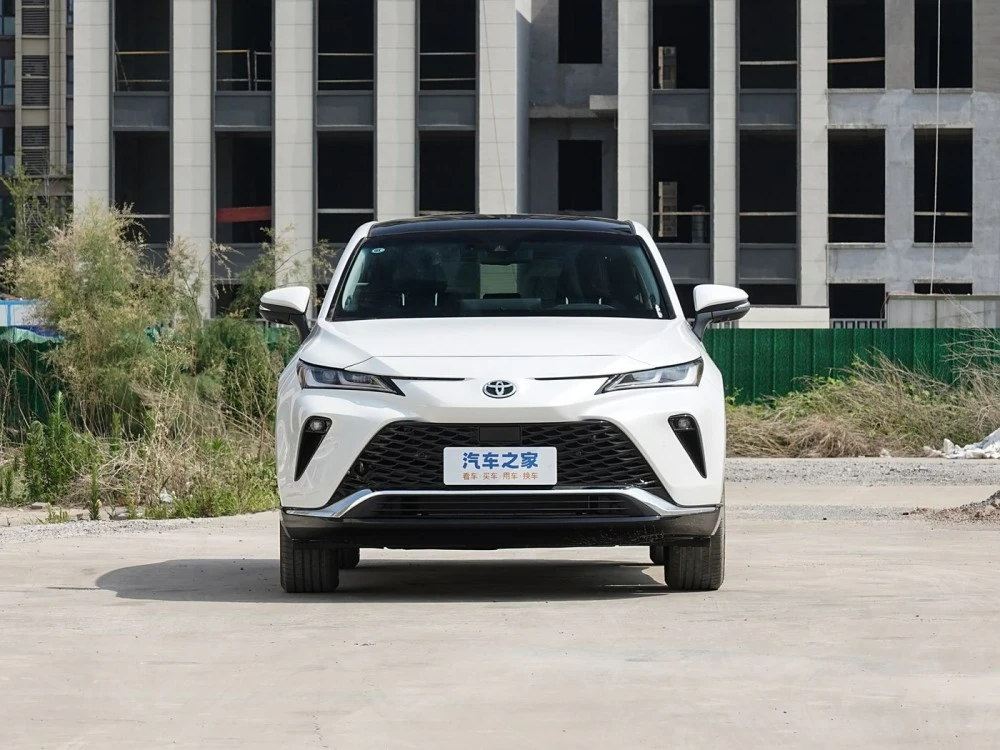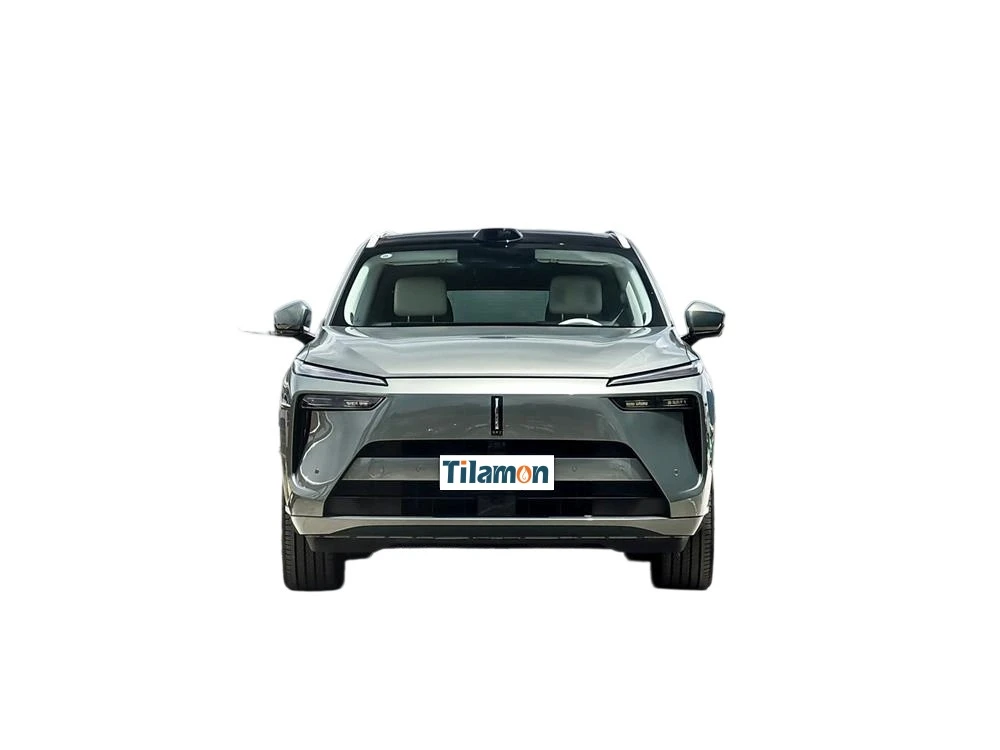
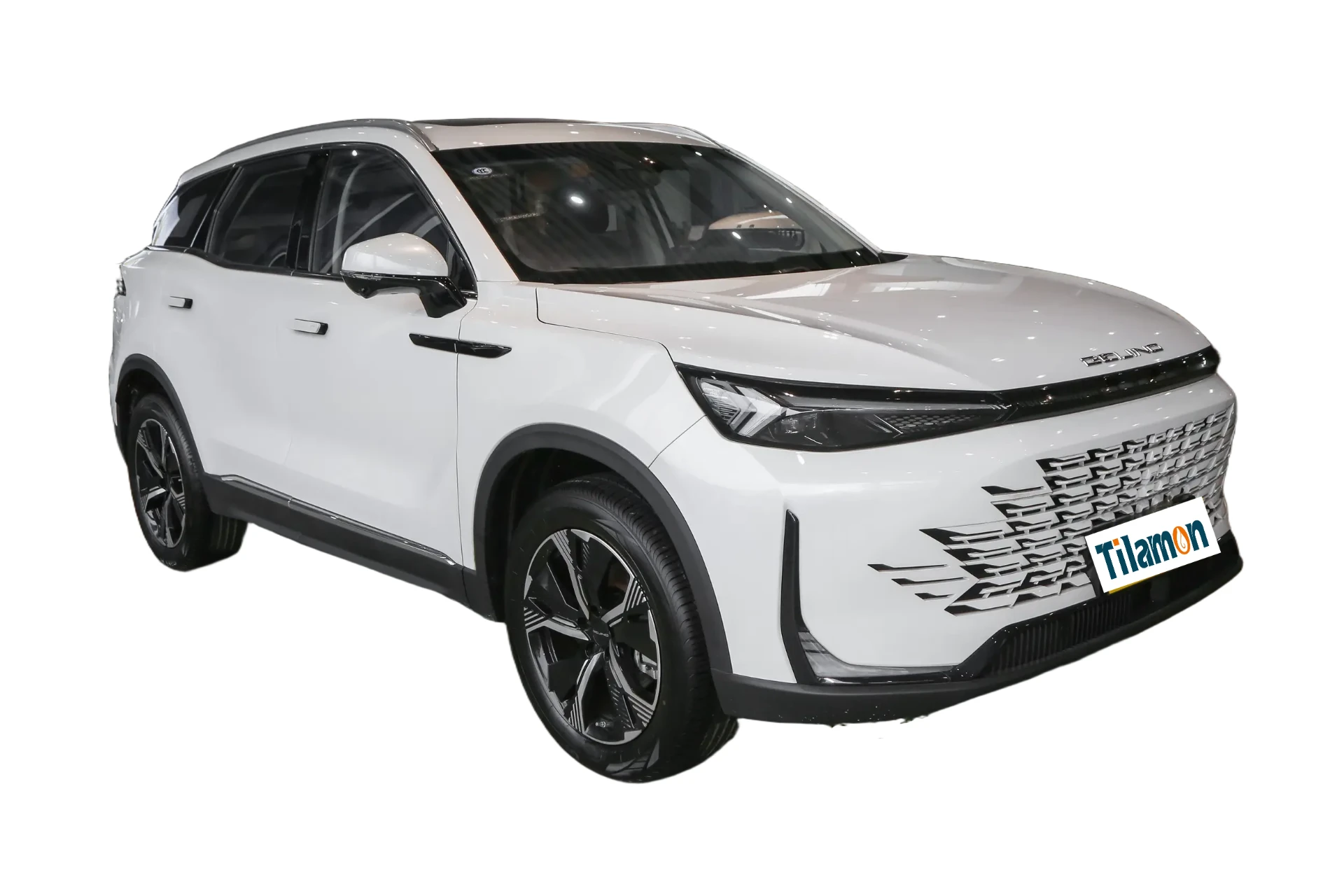
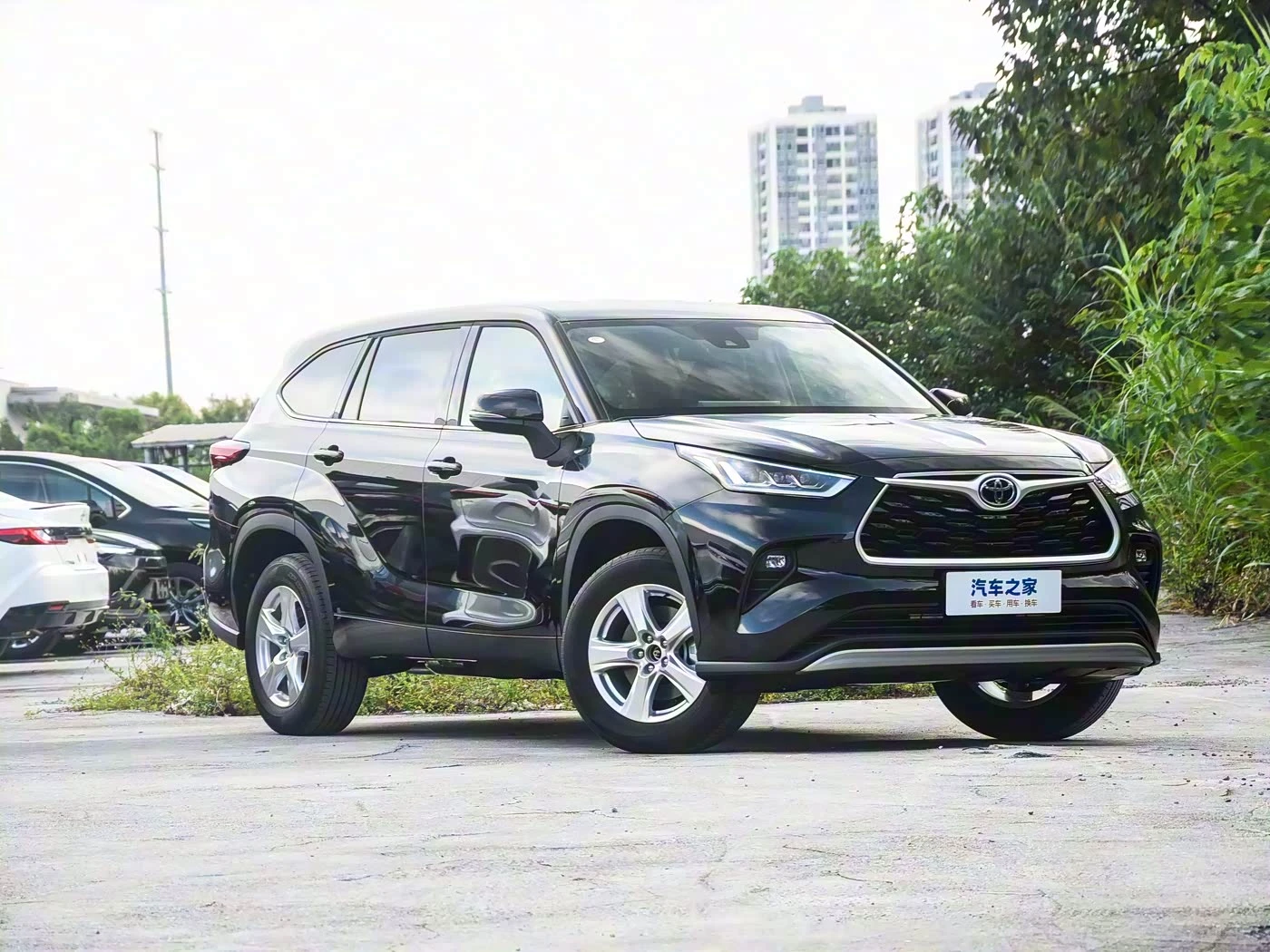
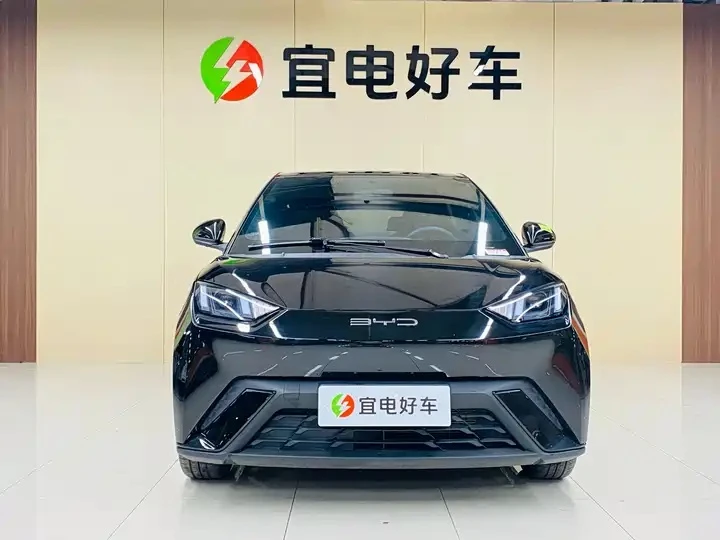
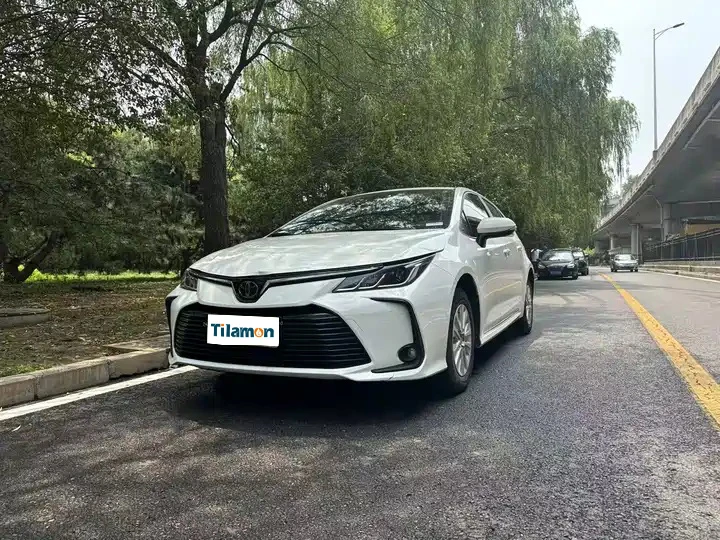
Next-Gen Mobility Solutions for new energy vehicle in Mexico

Driving the transition to sustainable transport in North America with advanced Chinese automotive engineering and flexible ownership models.

Next-Gen Mobility Solutions for new energy vehicle in Mexico

Integrating cutting-edge EV technology with the unique demands of the Mexican automotive market to provide high-efficiency, eco-friendly transportation.

The Current State of Electric Mobility in Mexico

Analyzing the intersection of urban congestion, climate goals, and automotive availability.

Mexico's automotive landscape is currently undergoing a pivotal shift. With major urban centers like Mexico City facing severe air quality challenges, the demand for a new energy ev has surged. The government's push for decarbonization is creating a fertile ground for alternative propulsion systems.

Economically, the market is bifurcated. While luxury segments are adopting premium EVs, a significant portion of the population is looking for cost-effective entries. This has led to a growing interest in the secondhand vehicle market, where buyers seek reliable, pre-owned electric options to avoid high depreciation costs.

Infrastructure remains the primary hurdle. While the north and center of the country are seeing rapid charger deployment, the integration of a new chinese ev provides a strategic advantage due to their competitive price-to-range ratio and advanced battery management systems suited for varying Mexican climates.
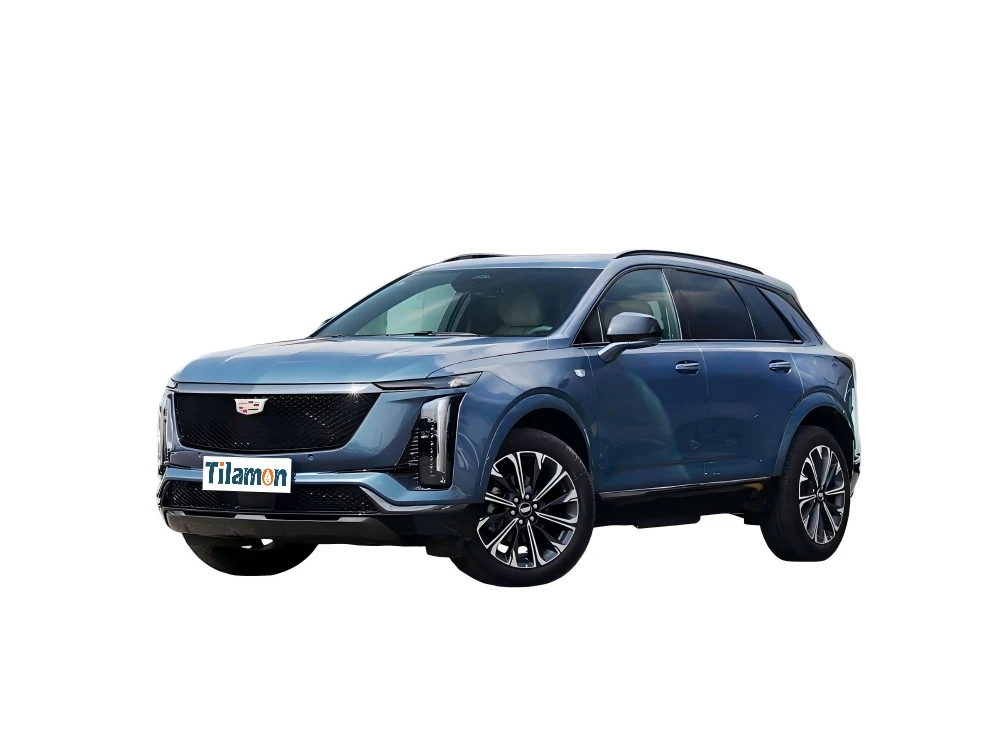
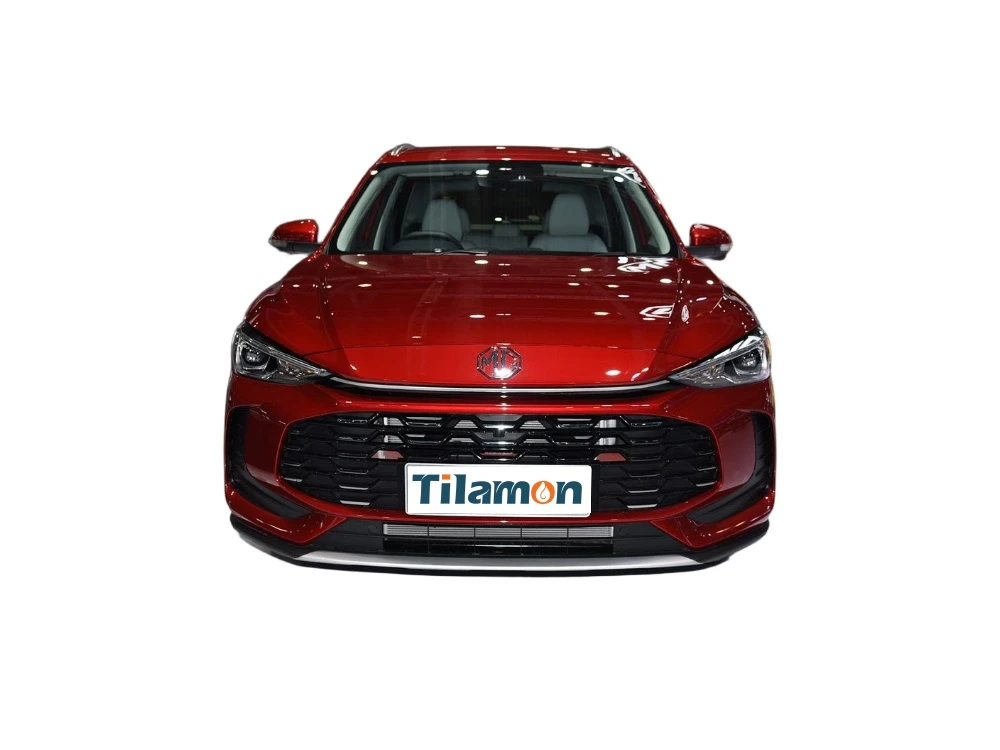
Evolution of Automotive Technology in Mexico

From internal combustion dominance to the era of intelligent electrification.

Market Development History

From 2010 to 2018, the Mexican market was dominated by traditional ICE vehicles, with a strong focus on compact cars and pickups. Electrification was limited to niche government pilots and a few luxury imports, lacking a scalable ecosystem.

Between 2019 and 2023, the entry of diverse global manufacturers shifted the trajectory. We saw the transition from simple hybrid models to full battery electric vehicles, coinciding with the introduction of more affordable 2 nd hand cars that were converted or specifically designed for urban efficiency.

Since 2024, the "Intelligence Phase" has begun. The focus has shifted from mere propulsion to integrated software-defined vehicles, where AI-driven energy management and connectivity become standard in every new delivery.

Future Development Trends

LFP Battery Standardization

Shift towards Lithium Iron Phosphate (LFP) batteries to handle Mexico's high-temperature environments more safely and durably.

Circular Economy Integration

Development of standardized certification for the secondhand vehicle sector to ensure battery health transparency.

V2G (Vehicle-to-Grid) Implementation

Utilizing EVs as mobile energy storage units to stabilize local power grids in industrial zones like Querétaro and Monterrey.

Industry Outlook & Strategic Forecast

Predicting the 3-5 year trajectory of Mexico's New Energy sector.

Hyper-Localization of Supply Chains
Moving from imports to local assembly of battery packs within Mexico's industrial hubs to reduce costs.
Rapid Charging Expansion
Integration of ultra-fast charging networks along major trade corridors from Mexico City to Tijuana.
AI-Driven Fleet Mgmt
Implementation of cloud-based predictive maintenance to increase the lifespan of commercial electric fleets.
Battery Second-Life
Repurposing batteries from older EVs into stationary energy storage for rural Mexican communities.

Industry Outlook

Based on Google search trend data, there is a significant increase in queries regarding "affordable electric cars Mexico," indicating a shift from luxury interest to mass-market adoption. This trend suggests that the next 3 years will be dominated by budget-friendly new chinese ev models.

Furthermore, the integration of the USMCA agreement is likely to accelerate the localization of EV components, turning Mexico into a global hub for new energy vehicle manufacturing, not just a consumer market.

Localized Application Scenarios in Mexico

Tailored solutions for Mexico's unique geography and economic structure.

01. Urban Logistics in Mexico City

Deploying small-scale electric vans for "last-mile" delivery to bypass traffic restrictions and reduce noise pollution in densely populated zones.

02. Tourism Shuttles in Cancun & Riviera Maya

Implementing solar-charged shuttle fleets to transport tourists between resorts, preserving the ecological integrity of the coast.

03. Industrial Commuting in Monterrey

Corporate fleet transitions to electric vehicles for employees commuting to automotive plants, reducing the corporate carbon footprint.

04. Affordable Urban Transit via 2nd Hand EVs

Creating a subsidized network of 2 nd hand cars for gig-economy drivers (Uber/Didi) to lower operational costs.

05. Agricultural Support in Jalisco

Using modified electric utility vehicles for farm management, utilizing off-grid solar charging stations in rural areas.

Brand Story

Global Development History of Shijiazhuang Zhenming Chemical Co., Ltd.

Foundational Excellence

Established as a leader in chemical materials, we focused on the purity and stability of components essential for industrial manufacturing.

Automotive Pivot

Recognizing the shift toward electrification, we expanded our R&D to produce high-performance materials for EV battery casings and thermal management.

Global Expansion

We extended our reach to North America, establishing a supply chain that supports the rapid growth of the Mexican automotive cluster.

Sustainable Innovation

Integrating green chemistry to ensure that the production of our vehicle components is as eco-friendly as the cars they power.

Future Vision

Our mission is to resolve the efficiency gap in the manufacturing process, making high-quality electric mobility accessible to every driver in Mexico.

Comprehensive Product Portfolio for Mexico

From premium new energy vehicles to certified pre-owned electric solutions.

Mexico EV Market: Frequently Asked Questions

Expert answers to common queries regarding the transition to electric mobility.

What are the benefits of choosing a new chinese ev in Mexico?

Chinese EVs offer an industry-leading balance of advanced technology, battery range, and affordability, making them ideal for the Mexican middle-market compared to expensive Western imports.

Is it safe to buy a secondhand vehicle that is electric?

Yes, provided the vehicle comes with a certified battery health report (SOH). We recommend checking the degradation percentage and warranty status of the battery pack before purchase.

How does a new energy ev perform in high-temperature cities like Hermosillo?

Modern EVs use advanced liquid cooling systems to maintain battery temperature. Our specific models are optimized for extreme heat to prevent range drop-off during summer months.

Where can I find charging stations for my new energy vehicle in Mexico?

Charging infrastructure is expanding rapidly along major highways and in shopping malls in cities like Querétaro, Guadalajara, and Mexico City through various network providers.

What is the expected lifespan of 2 nd hand cars that are electric?

With proper maintenance and charging habits, EV batteries are designed to last 8-15 years. The mechanical components often last longer than ICE vehicles due to fewer moving parts.

Are there government incentives for buying a new energy vehicle in Mexico?

Mexico offers various incentives including exemptions from the "Tenencia" tax and exemption from the "Hoy No Circula" restrictions in Mexico City, significantly lowering the cost of ownership.

Get in Touch with Our Experts

Ready to transform your fleet or find your perfect electric vehicle in Mexico? Our team is here to provide technical guidance and tailored commercial offers.

Contact Us Now

If you are interested in our products, you can choose to leave your information here, and we will be in touch with you shortly.