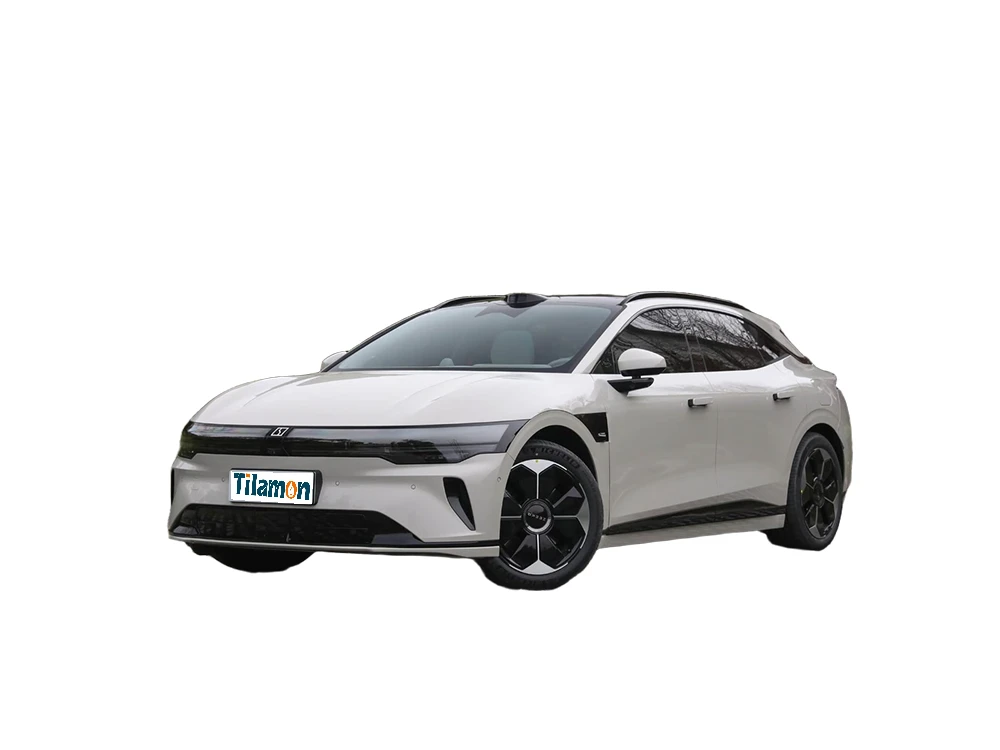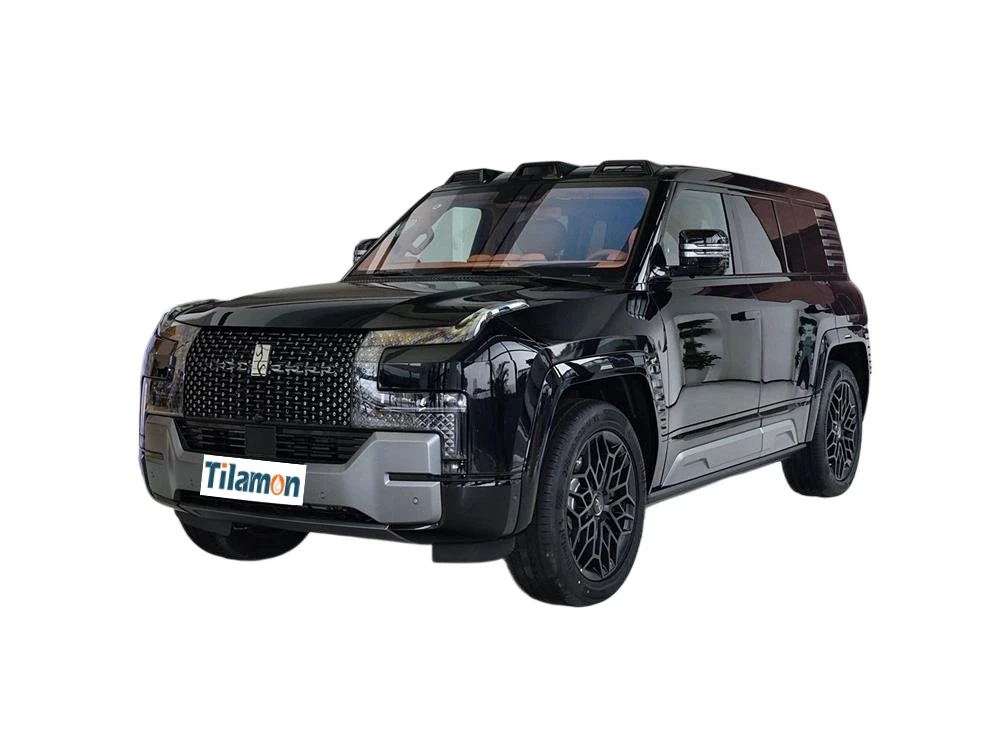
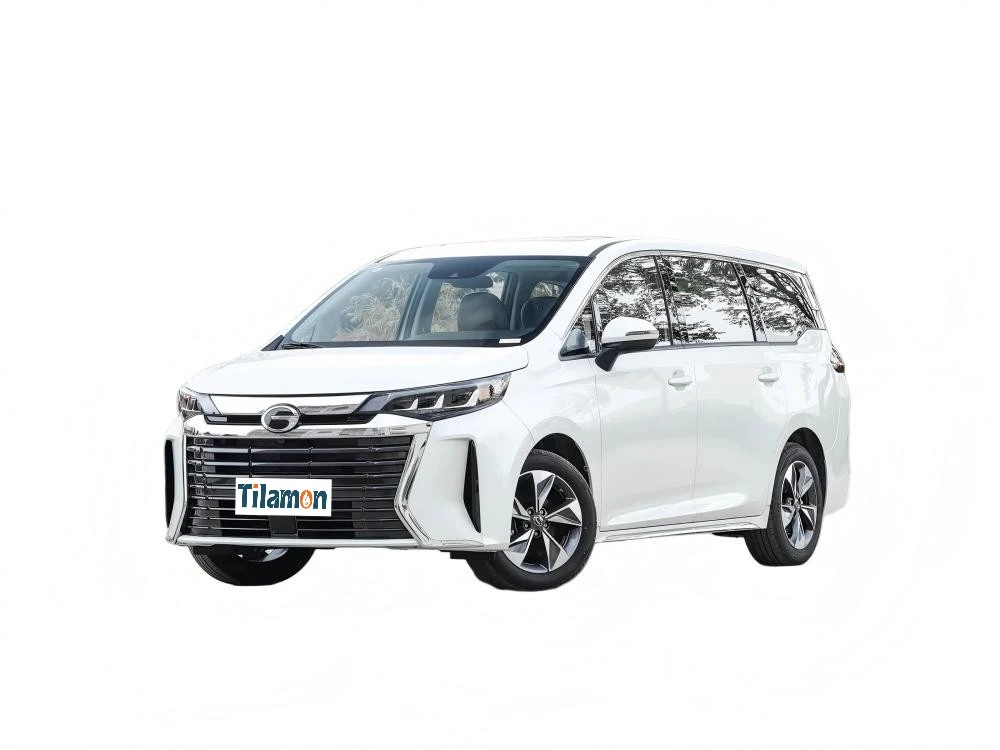
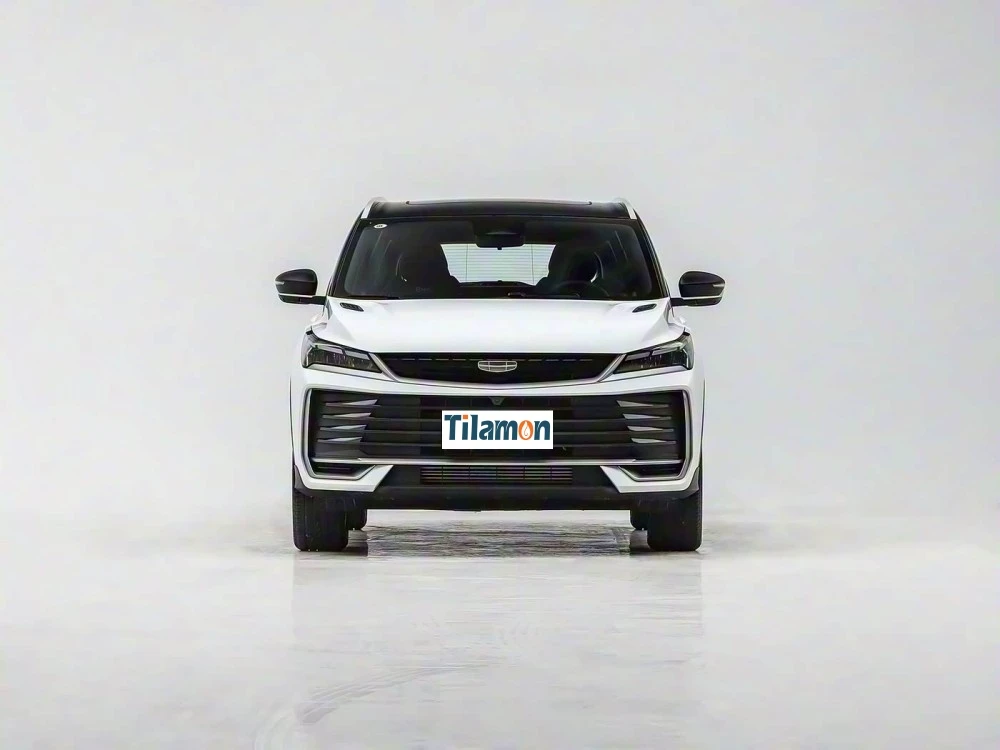
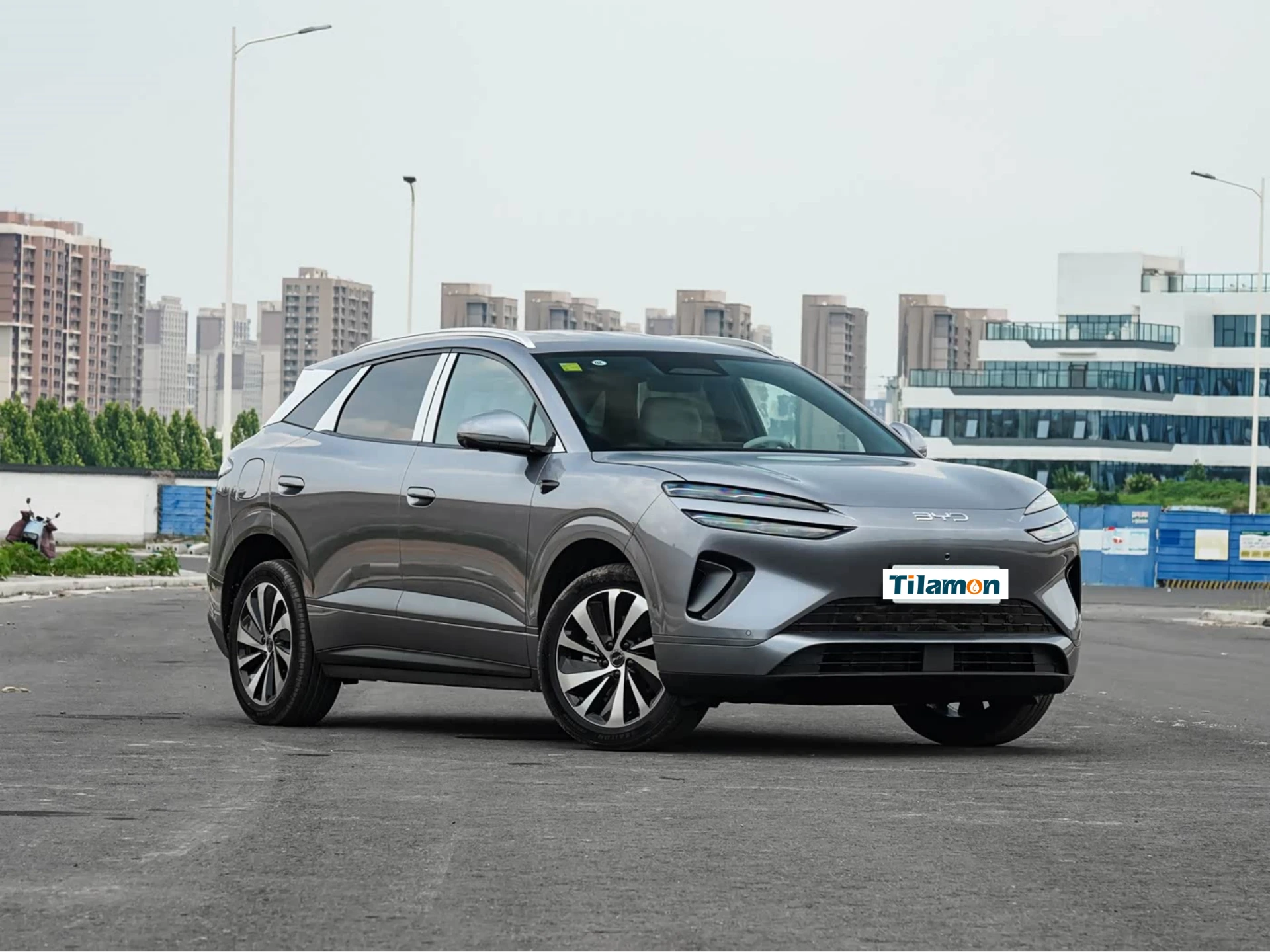
Premium new energy vehicle Solutions for Thailand

Driving the future of mobility in Southeast Asia with advanced electric manufacturing and sustainable automotive trade.

Premium new energy vehicle Solutions for Thailand

Providing high-performance electric mobility and reliable vehicle sourcing to accelerate Thailand's transition to zero-emission transport.

The Automotive Landscape in Thailand

Analyzing the shift from internal combustion to electric power in the heart of ASEAN.

Thailand's automotive sector is currently undergoing a massive transformation, driven by government incentives and the "30@30" policy aiming for 30% of all vehicles produced to be zero-emission by 2030. The humid tropical climate and urban congestion in Bangkok have created a surge in demand for efficient new energy ev models that offer superior air conditioning and smart city navigation.

Economic shifts have led to a dual-market growth: while luxury buyers pivot toward a new chinese ev for its cutting-edge battery tech, the middle class is increasingly exploring the secondhand vehicle market to find affordable alternatives to traditional petrol cars.

The infrastructure is expanding rapidly, with charging stations becoming staples in shopping malls and gas stations across Thailand, bridging the gap between the urban centers and provinces, thus stabilizing the valuation of 2 nd hand cars equipped with hybrid or electric powertrains.
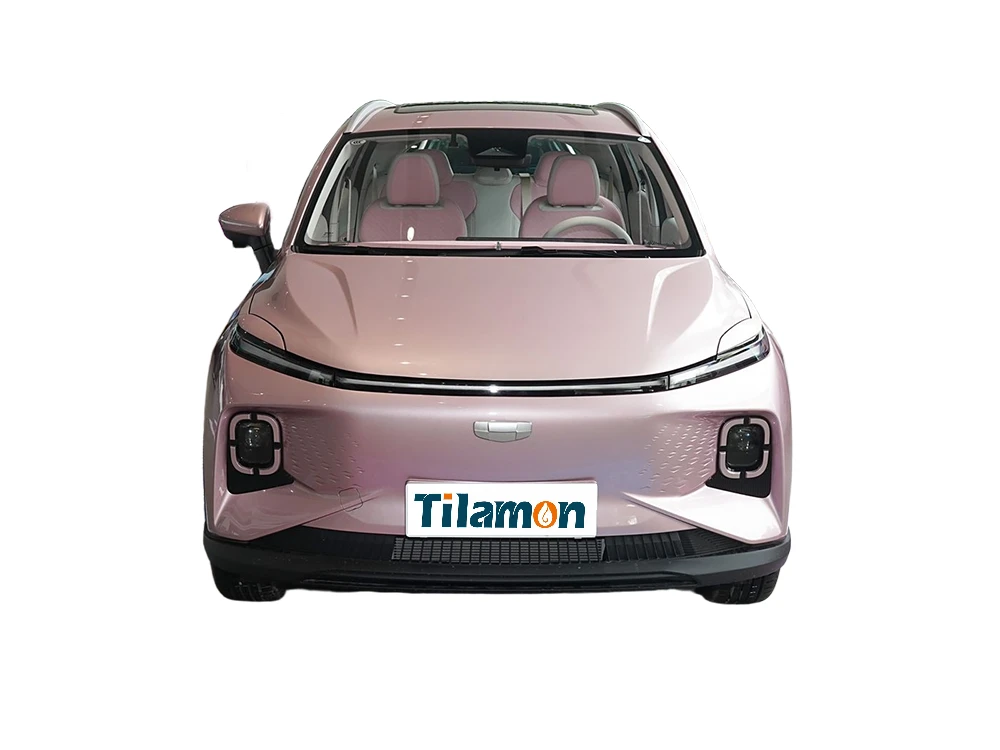
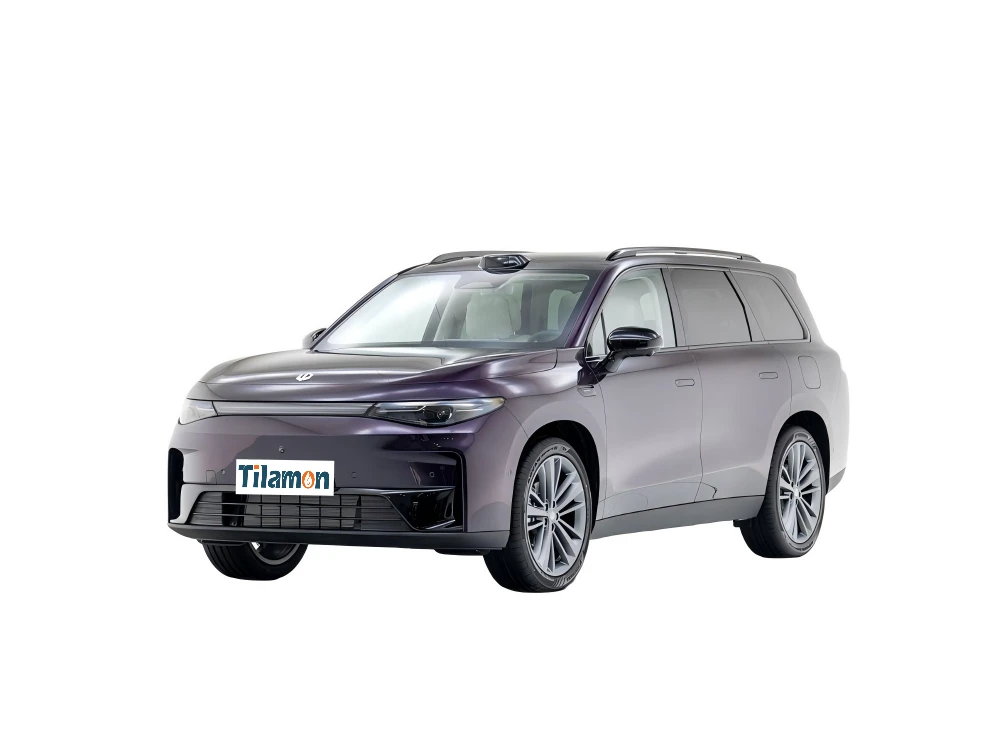
Evolution of Thailand's EV Manufacturing

From the "Detroit of Asia" to the Hub of Electric Intelligence.

Market Development History

Between 2010 and 2018, Thailand solidified its role as a regional combustion engine hub, focusing on pickup trucks and sedans. However, the introduction of the EV 3.0 and 3.5 incentive packages marked a pivotal technical iteration, shifting the focus toward battery assembly and electric motor integration.

By 2020, the entry of diversified global manufacturers accelerated the adoption of high-voltage platforms. This period saw a transition from basic hybrid systems to full-scale electric architectures, enabling the mass arrival of the new energy vehicle sector in local showrooms.

Currently, the industry is entering the "Localization Phase," where the focus has shifted from simple imports to local assembly (CKD), reducing costs and improving the availability of parts for both new and pre-owned electric fleets.

Future Development Trends

Solid-State Battery Integration

Over the next 3 years, we expect a shift toward solid-state batteries to combat Thailand's extreme heat, increasing safety and charging speeds.

Circular Economy for Batteries

A robust ecosystem for battery recycling and second-life usage will emerge, significantly boosting the residual value of 2 nd hand cars.

AI-Driven Fleet Management

Integration of 5G and AI will optimize energy consumption for commercial EV fleets in Bangkok's logistics corridors.

Strategic Outlook for Thai EV Market

Predicting the technological trajectory of the next five years.

Infrastructure Hyper-growth
Rapid deployment of DC fast chargers across all 77 provinces to eliminate range anxiety for EV owners.
Battery Tech Leap
Adoption of LFP and Sodium-ion batteries to lower the entry price of urban commuters.
Market Standardized Valuations
Establishing transparent grading systems for the electric secondhand vehicle market.
V2G Technology
Vehicle-to-Grid (V2G) implementation allowing EVs to stabilize Thailand's power grid during peaks.

Industry Outlook

Google search trends indicate a sharp increase in queries regarding "EV maintenance Thailand" and "Battery life expectancy," suggesting that consumers are moving from the "curiosity phase" to the "ownership phase." This trend will likely drive the growth of specialized service centers.

The synergy between Chinese manufacturing efficiency and Thai local assembly will create a competitive pricing environment, making the new energy ev the default choice for new car buyers by 2027.

Local Application Scenarios in Thailand

Tailoring electric mobility to the unique needs of the Thai market.

01. Bangkok Urban Commuting

Utilizing compact new chinese ev models to navigate heavy traffic and narrow "Sois" (side streets) with zero emissions and easy parking.

02. Tourist Transport in Phuket & Samui

Deploying high-end new energy vehicle fleets for eco-friendly tourism, reducing noise pollution in coastal resorts.

03. Logistics in EEC Zone

Integrating electric light trucks for the Eastern Economic Corridor (EEC) to optimize supply chain costs between factories and Laem Chabang Port.

04. Budget-Friendly First Cars

Offering certified secondhand vehicle options for university students and young professionals in Chiang Mai and Khon Kaen.

05. Corporate Green Fleets

Transitioning company executive cars to 2 nd hand cars with updated battery packs to meet ESG corporate goals.

Brand Story

Global Development Process of Shijiazhuang Zhenming Chemical Co., Ltd.

Foundation and Chemical Excellence

Starting with high-purity chemical production, providing the essential materials needed for industrial coatings and automotive components.

Entering the Automotive Supply Chain

Developing specialized polymers and adhesives that solve the critical bonding pain points in modern vehicle assembly.

Pivot to New Energy Materials

Innovating electrolyte and separator materials to support the global surge in battery efficiency and safety.

Strategic Expansion into ASEAN

Establishing partnerships in Thailand to provide localized technical support for EV manufacturers and distributors.

Leading the Sustainable Future

Committed to a circular economy by developing biodegradable automotive chemicals and supporting battery recycling initiatives.

Thai EV Market FAQ

Everything you need to know about electric mobility in Thailand.

What are the benefits of buying a new chinese ev in Thailand?

Chinese EVs offer a superior balance of smart technology, high-range batteries, and competitive pricing, often including government subsidies that make them more affordable than traditional cars.

How do I check the battery health of a secondhand vehicle?

We recommend using certified State-of-Health (SOH) diagnostic tools and reviewing the charging history logs to ensure the battery capacity is within acceptable limits.

Are new energy ev models suitable for Thailand's flood seasons?

Yes, most modern new energy vehicles feature IP67 or IP68 rated battery packs, ensuring they are waterproof and safe to operate in shallow flood conditions typical of Bangkok.

Is the resale value of 2 nd hand cars with electric engines stable?

As charging infrastructure expands and battery tech stabilizes, the secondary market is becoming more predictable, with demand increasing for certified pre-owned EVs.

What is the average charging time for a new energy vehicle in Bangkok?

Depending on the charger, DC fast charging can take 30-60 minutes for 80% charge, while home AC charging typically takes 6-10 hours overnight.

Can I import a secondhand vehicle from overseas to Thailand?

Importing used cars is subject to strict Thai customs regulations and high taxes. It is generally more efficient to purchase from local certified dealers.

Get Expert EV Advice Today

Contact our specialists to find the perfect electric solution tailored for the roads of Thailand.

Contact Us Now

If you are interested in our products, you can choose to leave your information here, and we will be in touch with you shortly.