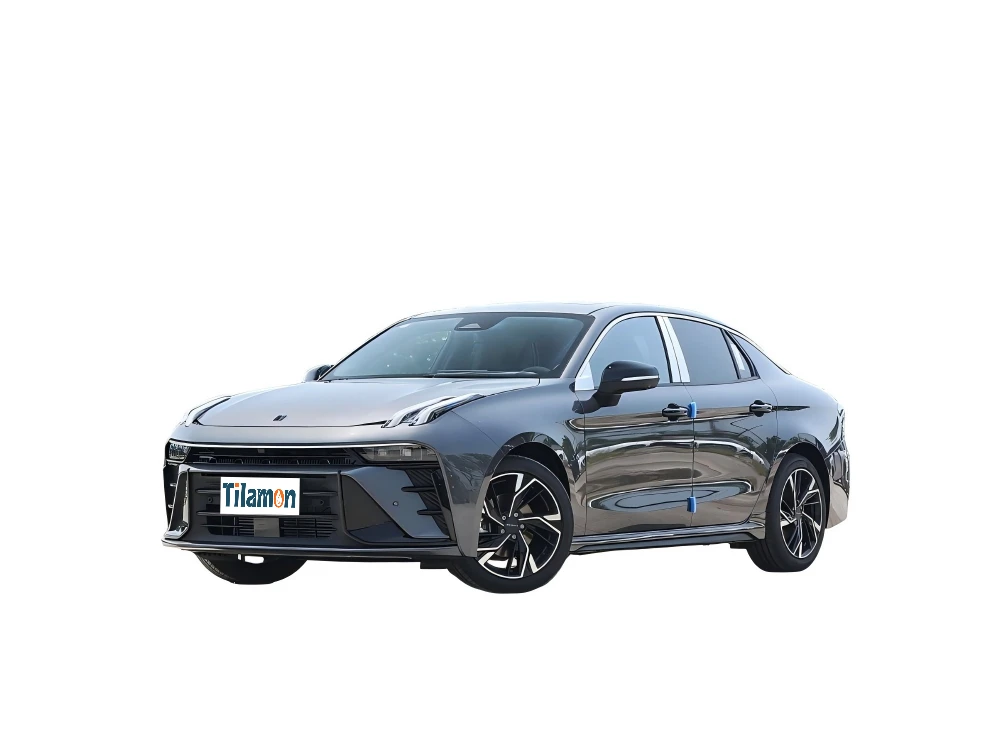
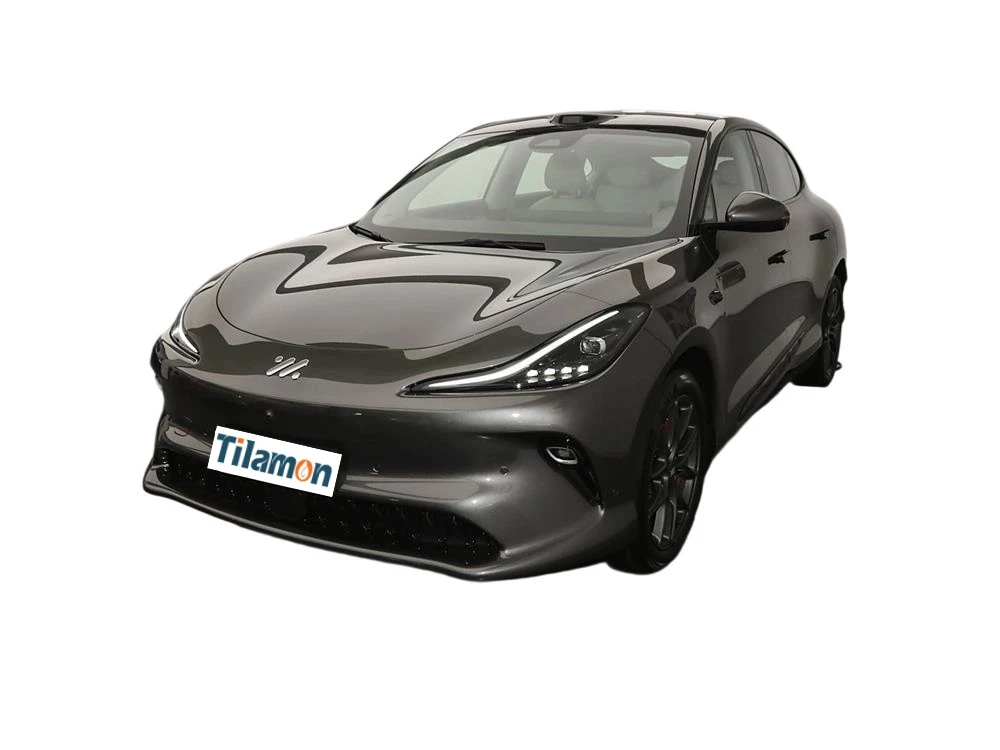
Sustainable Mobility in Cuba: High-Performance new energy vehicle Solutions

Revolutionizing Cuban transportation through advanced electric propulsion and sustainable vehicle lifecycle management.

Sustainable Mobility in Cuba: High-Performance new energy vehicle Solutions

Providing cutting-edge electric mobility and sustainable transport options tailored for the unique geographical and economic landscape of Cuba.

The Current State of Cuban Automotive Infrastructure

Analyzing the transition from vintage internal combustion to modern electric power.

Cuba's automotive landscape is historically defined by the preservation of classic cars, but the scarcity of petroleum has created an urgent demand for new energy ev technologies. The humid tropical climate and saline coastal air present significant challenges for battery longevity and chassis corrosion, requiring specialized manufacturing standards.

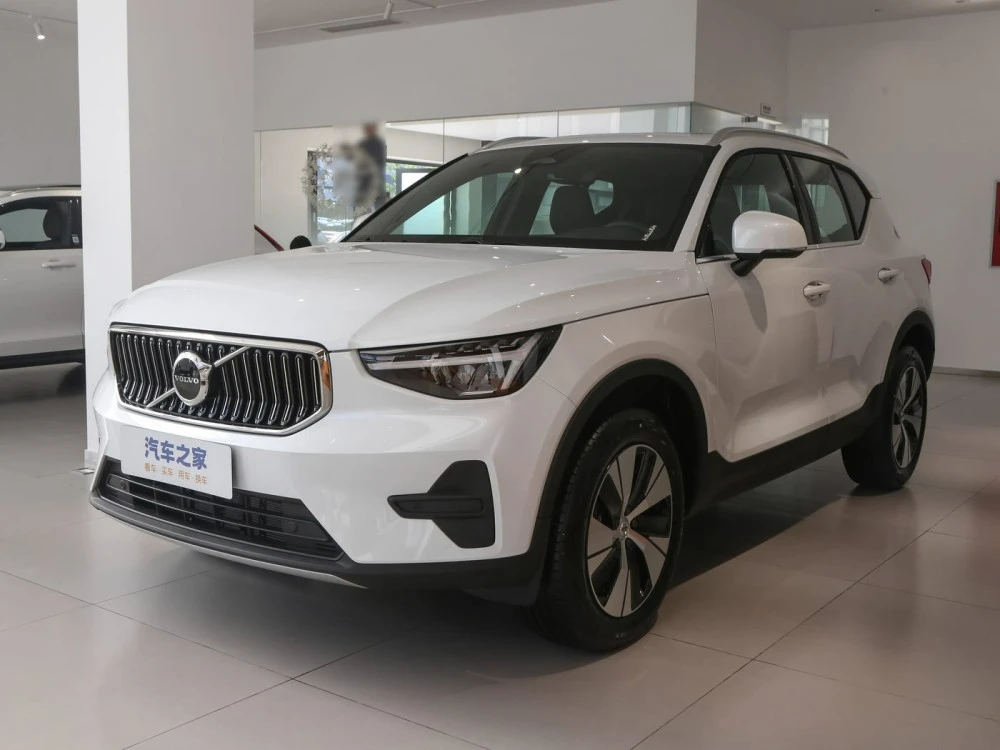
Currently, there is a burgeoning market for secondhand vehicle imports that can be retrofitted with electric drivetrains. This hybrid approach allows the local population to maintain their cultural heritage while adopting zero-emission propulsion systems to combat rising fuel costs.

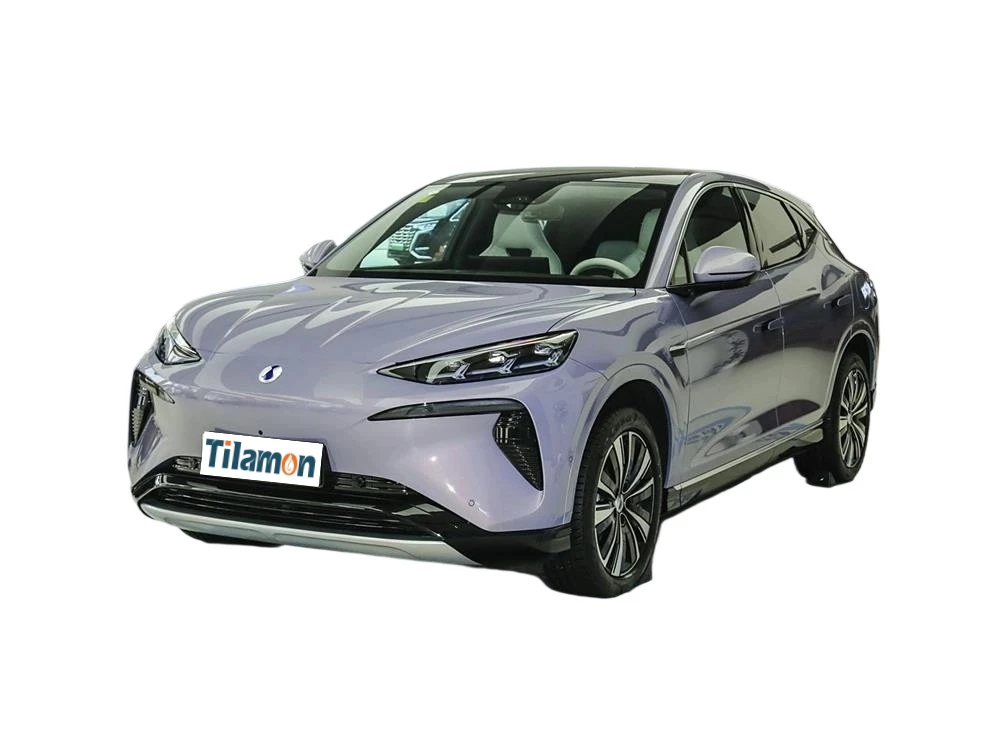
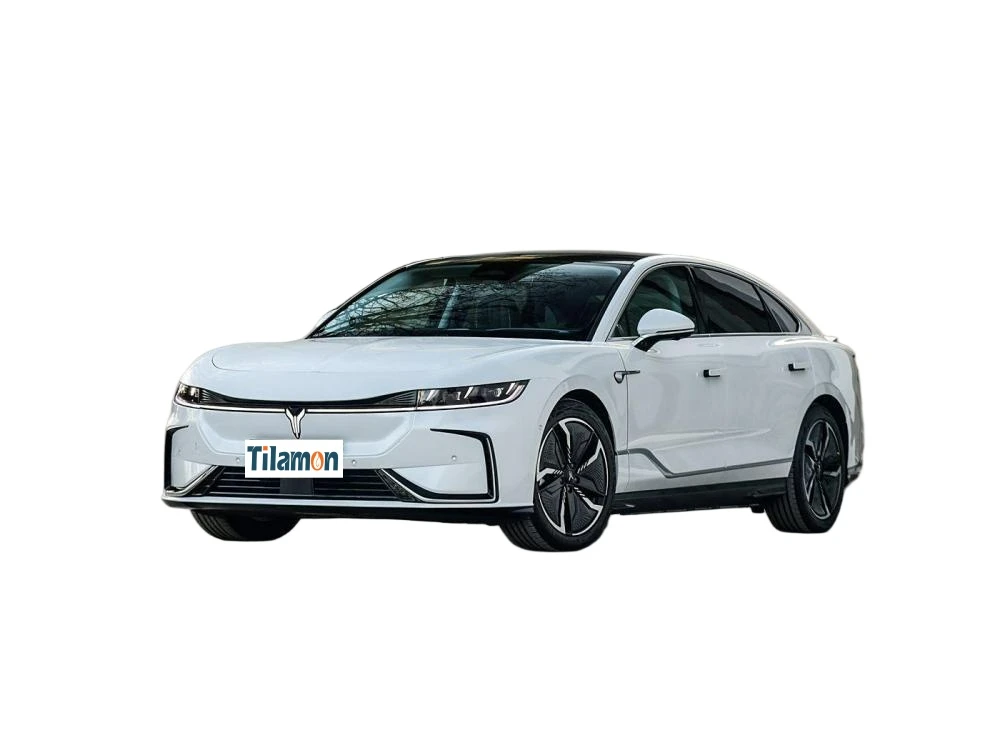
The emergence of new chinese ev models has introduced affordable, high-tech alternatives to the market, offering integrated smart features and energy-efficient battery packs that align with Cuba's strategic goal of increasing energy independence.
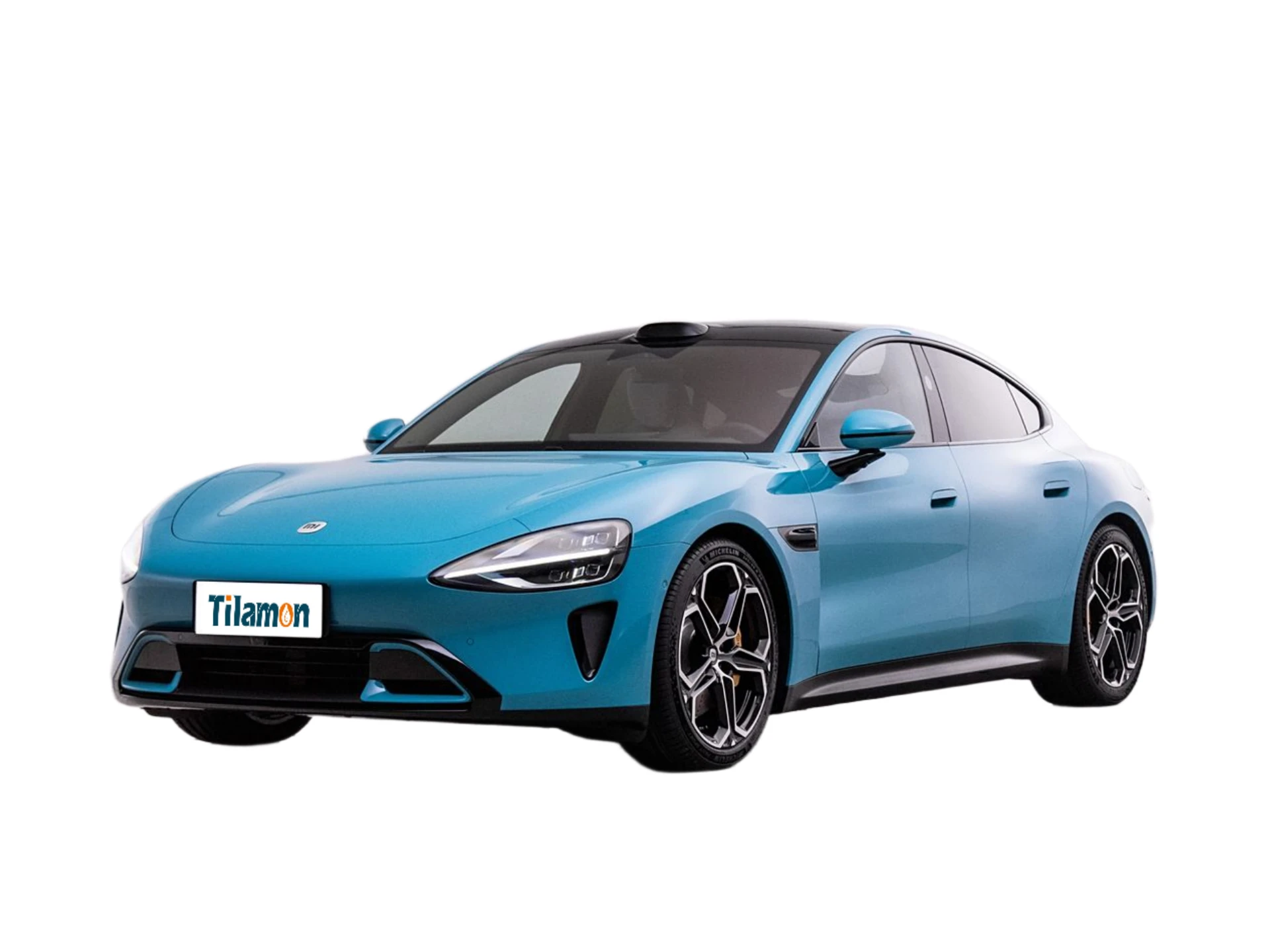
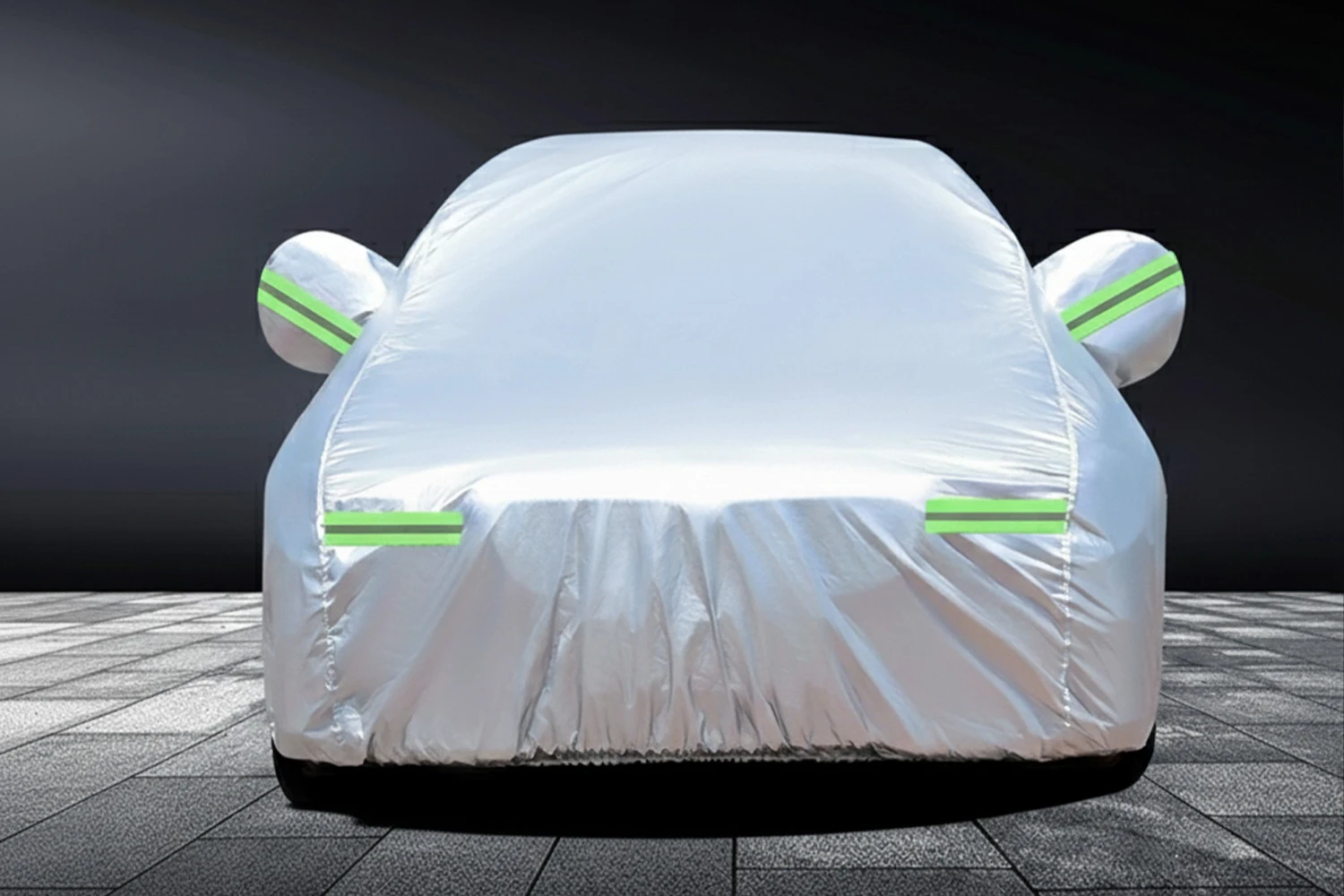
Evolutionary Path of Cuban Transit

From the golden era of ICE engines to the digital age of electrification.

Market Development History

Between 1950 and 2000, the Cuban market relied almost exclusively on mechanical longevity, where 2 nd hand cars were kept operational through ingenious local engineering and makeshift part fabrication.

From 2010 to 2020, the shift began toward small-displacement efficiency. However, the instability of fuel supply accelerated the exploration of electric conversions, marking the first phase of the "energy transition" in urban centers like Havana.

Since 2021, the direct import of specialized electric fleets has streamlined the logistics of urban transport, transitioning the focus from mere repair to the implementation of systemic new energy ev infrastructure.

Future Development Trends

Solar-Integrated Charging Hubs

Leveraging Cuba's abundant solar radiation to create decentralized charging stations, reducing reliance on the national power grid.

Battery Circular Economy

Implementing advanced recycling programs for lithium cells to ensure the sustainability of the electric fleet lifecycle.

AI-Driven Fleet Optimization

Using predictive analytics to manage energy consumption across public transport networks to maximize efficiency during peak hours.

Industry Outlook and Strategic Forecast

Predicting the next 5 years of automotive evolution in North America - Cuba.

LFP Battery Dominance
Shift toward Lithium Iron Phosphate (LFP) batteries due to their superior thermal stability in hot Cuban climates.
Micro-Mobility Expansion
Rapid growth in electric scooters and three-wheelers for last-mile delivery in Havana's narrow streets.
V2G Integration
Vehicle-to-Grid technology allowing EVs to act as backup power sources during national outages.
Modular Chassis Design
Adoption of skateboards platforms to easily switch between passenger and cargo configurations.

Industry Outlook

Based on current search trends and infrastructure growth, the Cuban market is pivoting toward high-efficiency, low-maintenance electric systems. The synergy between Chinese manufacturing and local adaptation will likely dominate the next three years.

We anticipate a total transformation of the tourism transport sector, where traditional fleets are replaced by premium electric options to meet global sustainable travel standards.

Localized Application Scenarios in Cuba

Practical implementations of electric mobility across different Cuban sectors.

1. Urban Tourism Fleet Electrification

Replacing classic diesel engines with silent, zero-emission powertrains for city tours in Old Havana, enhancing tourist experience and reducing air pollution.

2. Agricultural Logistics in Rural Provinces

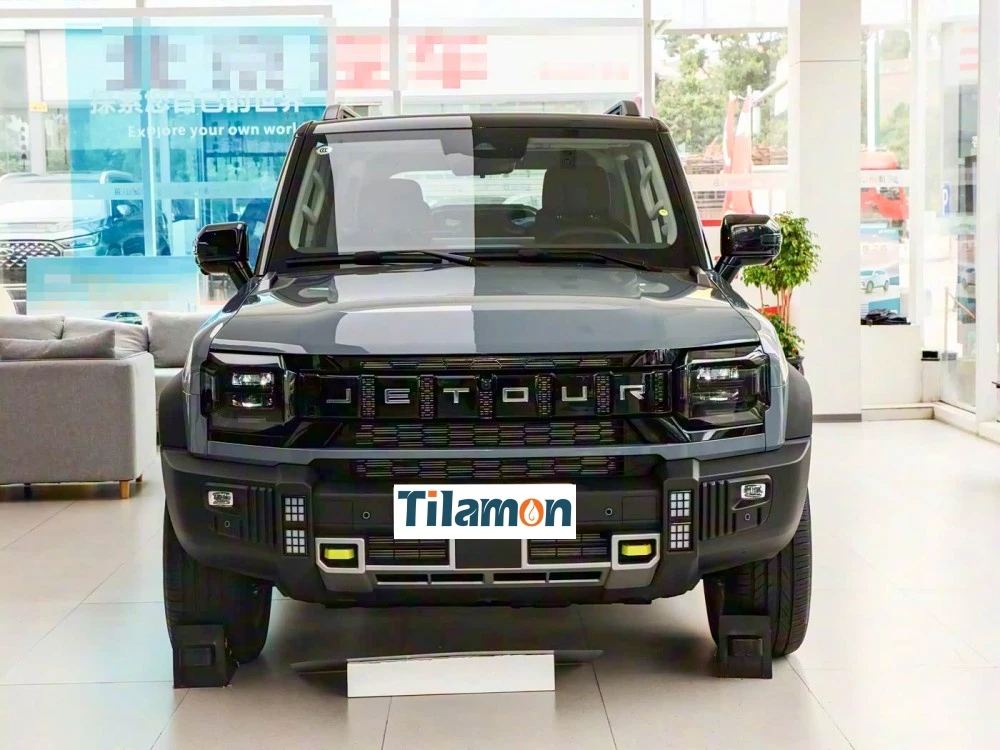
Deploying ruggedized electric utility vehicles for short-haul transport of tobacco and sugar cane, reducing dependence on expensive imported fuels.

3. Public Transit Modernization

Introducing mid-sized electric buses equipped with reinforced suspension to handle uneven road surfaces while maintaining energy efficiency.

4. Last-Mile Delivery for E-Commerce

Utilizing lightweight electric vans for urban deliveries, optimizing route efficiency in high-density residential areas.

5. Governmental Administrative Transport

Implementing a standardized fleet of electric sedans for official use, serving as a pilot program for nationwide EV adoption.

Brand Story

Global Development Journey of Shijiazhuang Zhenming Chemical Co., Ltd.

Industrial Foundations

Establishing a legacy of chemical precision, providing the fundamental materials necessary for automotive coatings and battery electrolytes.

Technological Pivot

Expanding from raw chemical production to advanced materials research, focusing on the thermal management of high-capacity batteries.

Global Expansion

Breaking into the North American market by providing scalable solutions for sustainable vehicle manufacturing.

Strategic Partnership

Collaborating with global EV brands to optimize the weight-to-strength ratio of vehicle chassis using innovative polymers.

Future Vision

Committing to a carbon-neutral future by integrating green chemistry into the entire lifecycle of the electric vehicle.

Cuba EV Market FAQs

Answers to the most common questions regarding electric vehicle adoption in Cuba.

Are new chinese ev models suitable for Cuban roads?

Yes, modern Chinese EVs are designed with versatile suspension systems and robust battery casings that can withstand the specific road conditions and humidity levels found in Cuba.

What is the lifespan of a new energy ev battery in tropical climates?

With advanced thermal management systems and LFP chemistry, these batteries are designed to maintain 80% capacity for over 8-10 years even in high-temperature environments.

Can I convert my secondhand vehicle to electric power?

Absolutely. We provide modular conversion kits that allow classic internal combustion vehicles to be transformed into high-efficiency electric cars.

How do 2 nd hand cars compare to new EVs in terms of cost?

While the initial cost of a new EV is higher, the total cost of ownership is significantly lower due to the elimination of fuel costs and reduced mechanical maintenance.

Where can I find charging stations for a new energy vehicle in Havana?

Charging infrastructure is expanding rapidly across key tourist hubs and administrative centers, with more solar-powered stations being deployed monthly.

What certifications do the imported EVs hold for safety?

Our vehicles comply with international safety standards, including crash-test certifications and battery safety protocols to ensure maximum occupant protection.

Ready to Transition to Electric?

Our experts are ready to help you deploy the best sustainable transport solutions in Cuba.

Contact Us Now

If you are interested in our products, you can choose to leave your information here, and we will be in touch with you shortly.