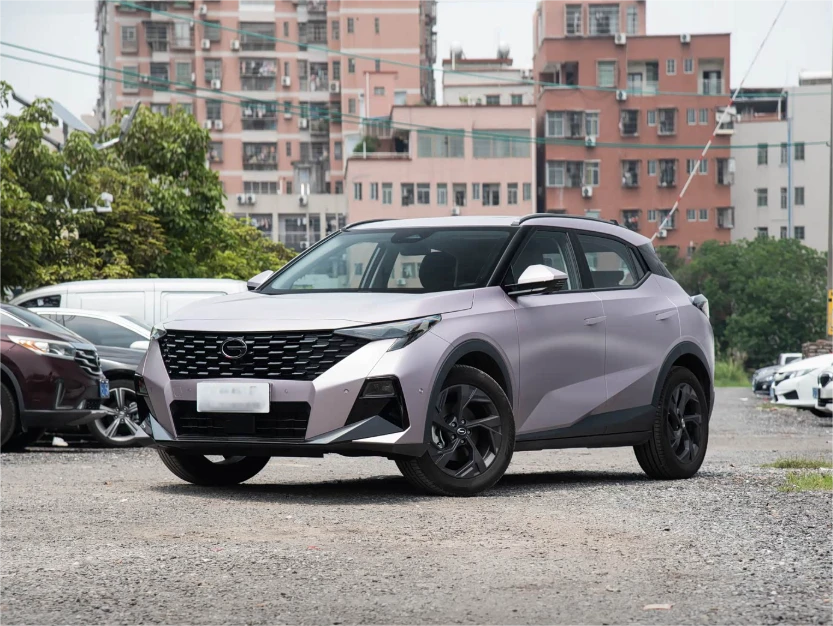
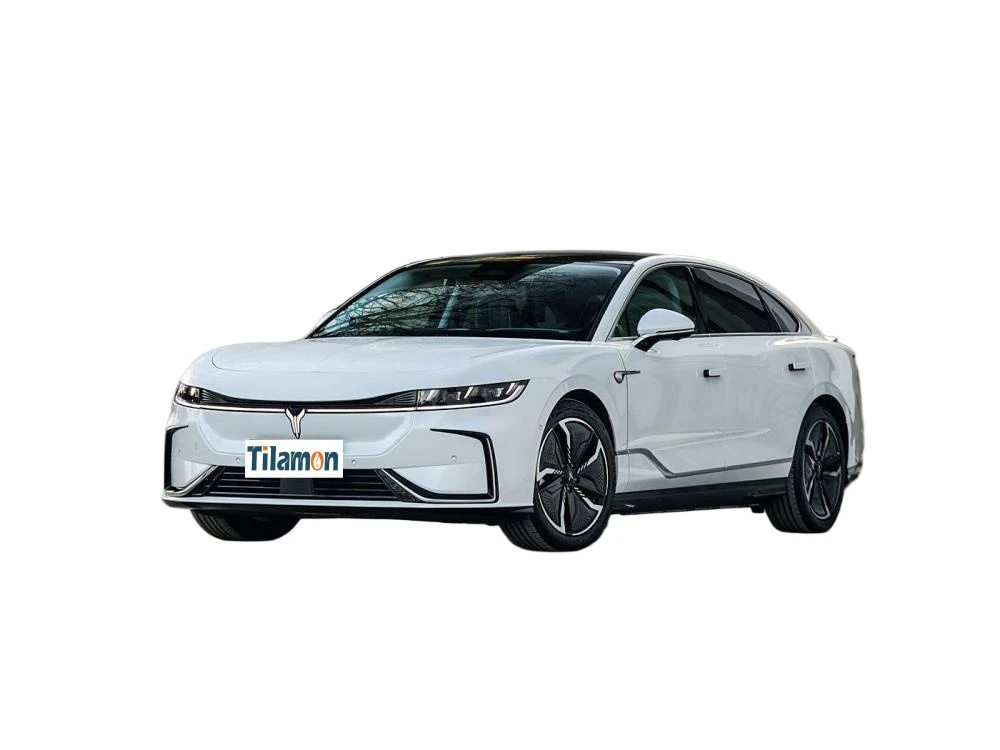
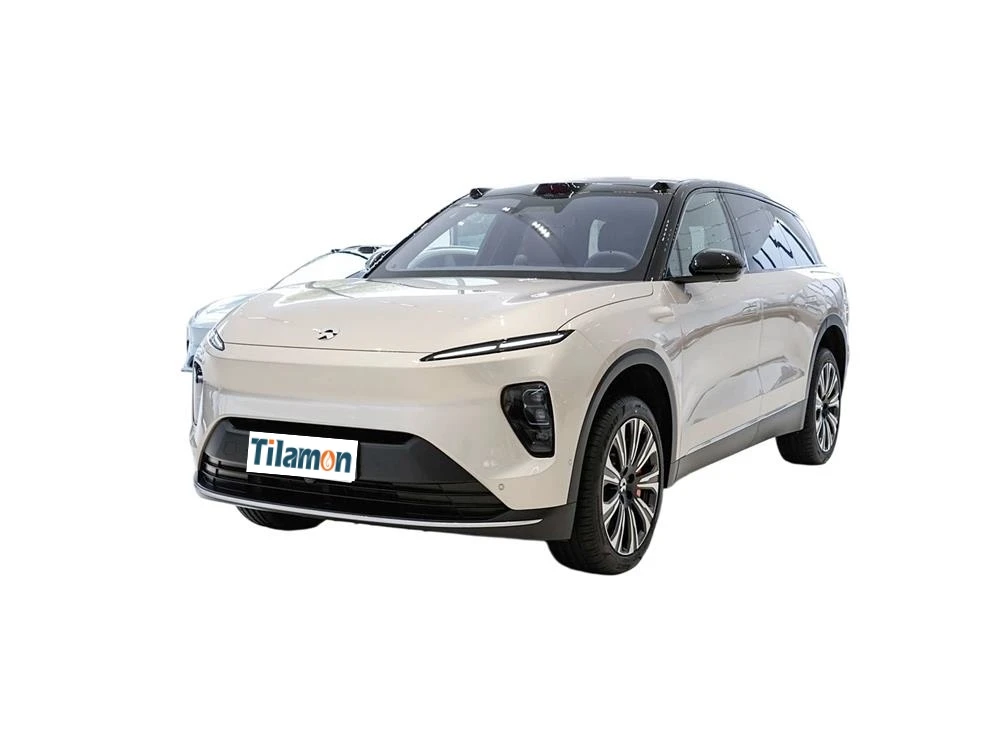
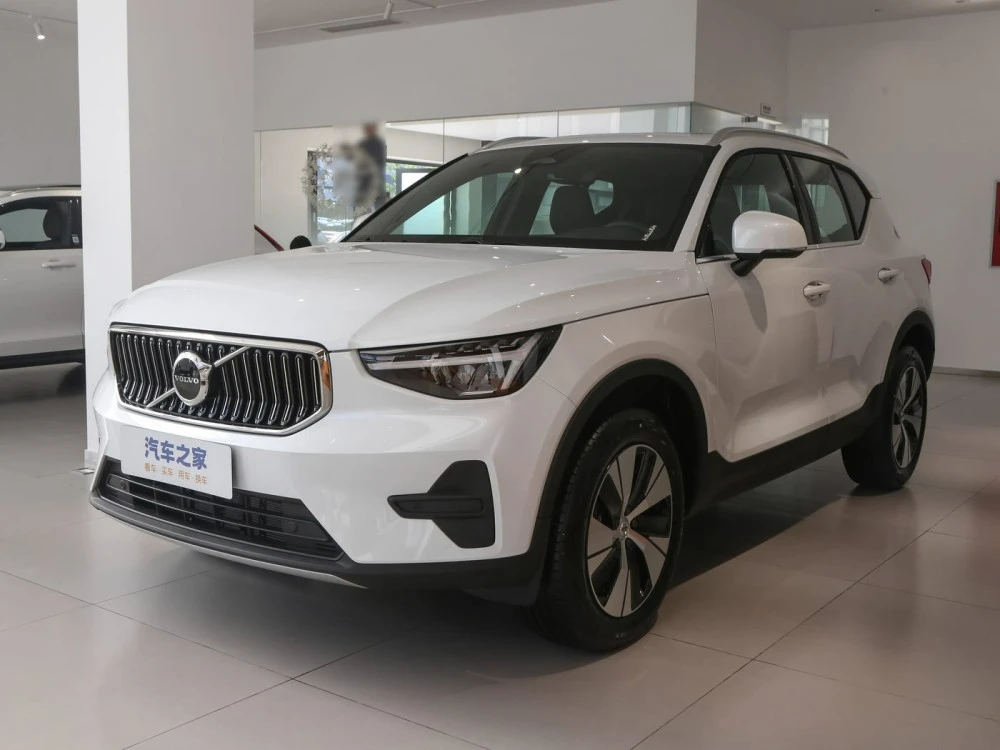
The automotive sector in the Central African Republic is currently characterized by a heavy reliance on imported secondhand vehicle units. Due to the challenging road infrastructure and the tropical savanna climate, durability is the primary requirement for any vehicle operating in this region, particularly for logistics connecting Bangui to rural provinces.
While the market has historically been dominated by internal combustion engines, there is a growing appetite for the new chinese ev segment. The attraction lies in the lower operating costs and the ability of these vehicles to integrate with decentralized solar power grids, which are becoming more common in areas with unstable national electricity supply.
However, the transition to a new energy ev ecosystem faces hurdles such as the lack of specialized technician training and charging stations. This creates a unique market duality where high-tech electric options and rugged 2 nd hand cars must coexist to ensure total national mobility.