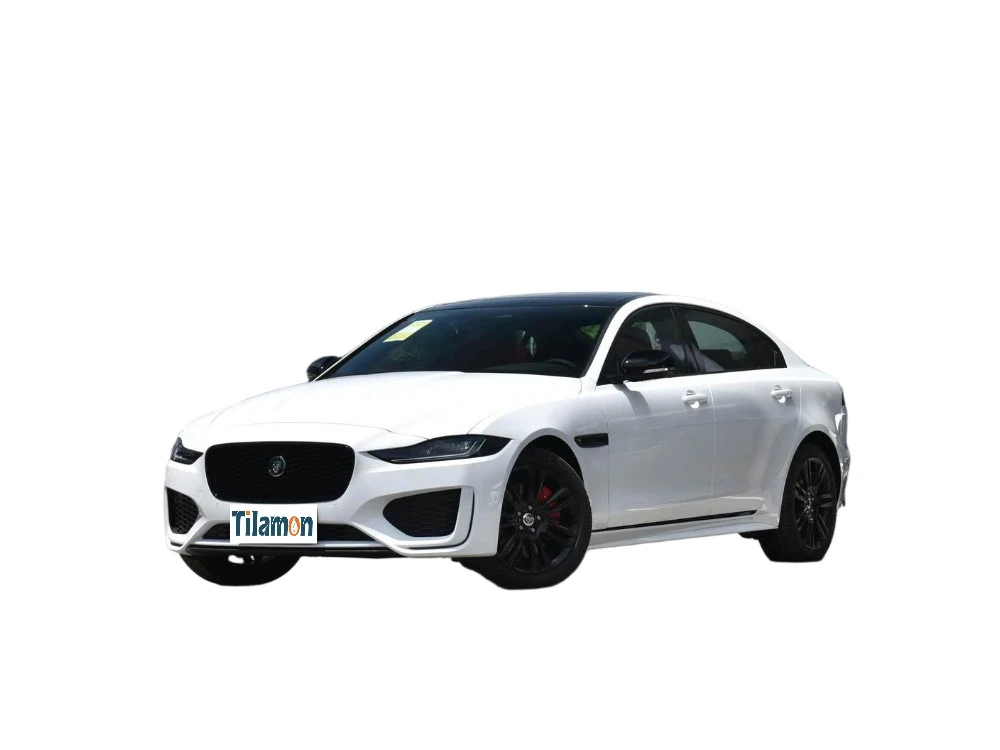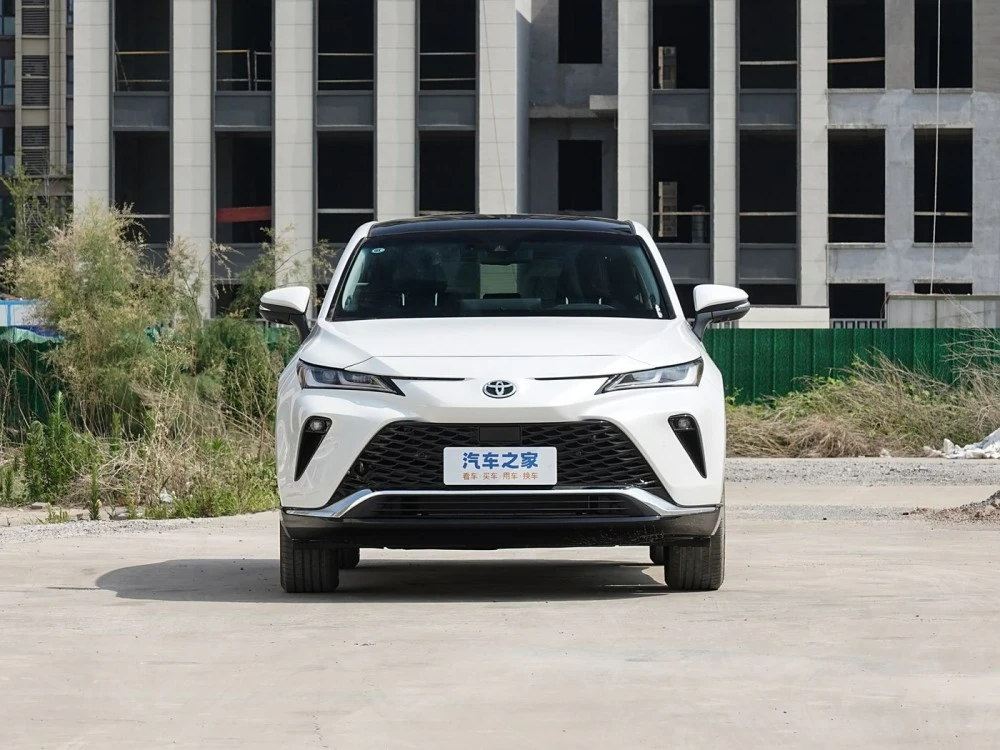
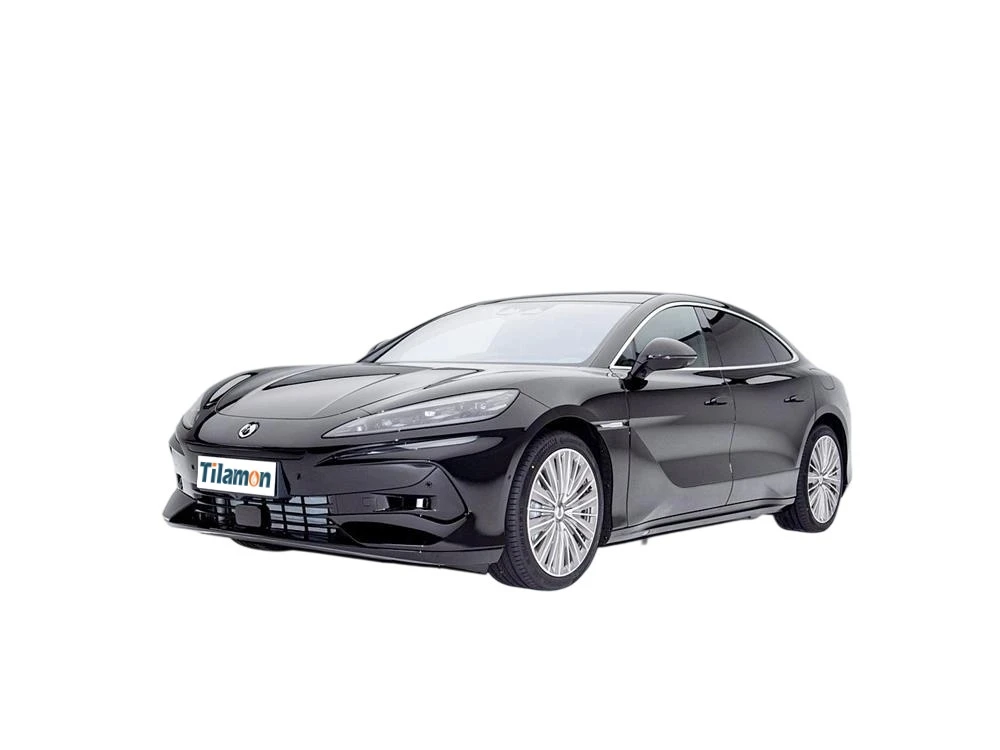
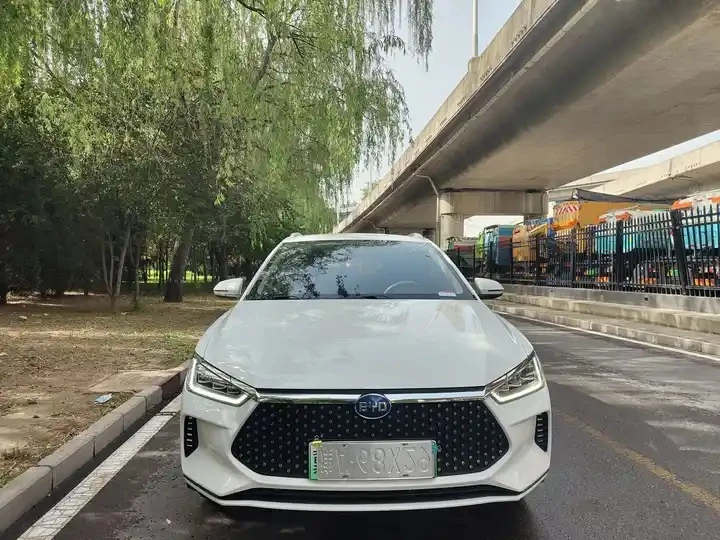
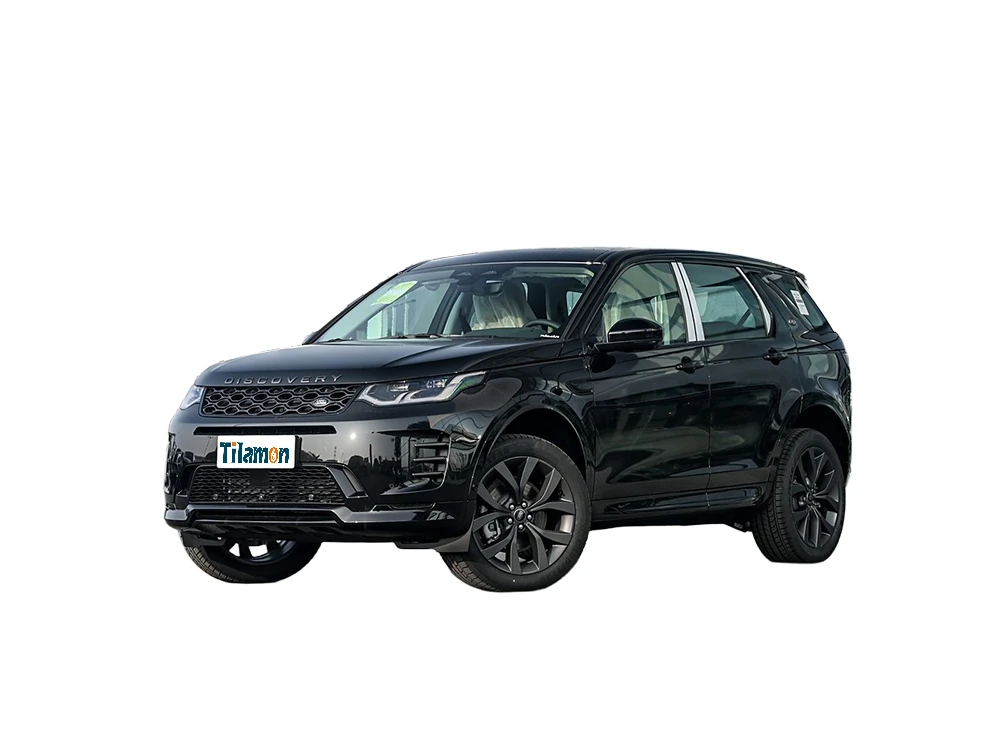
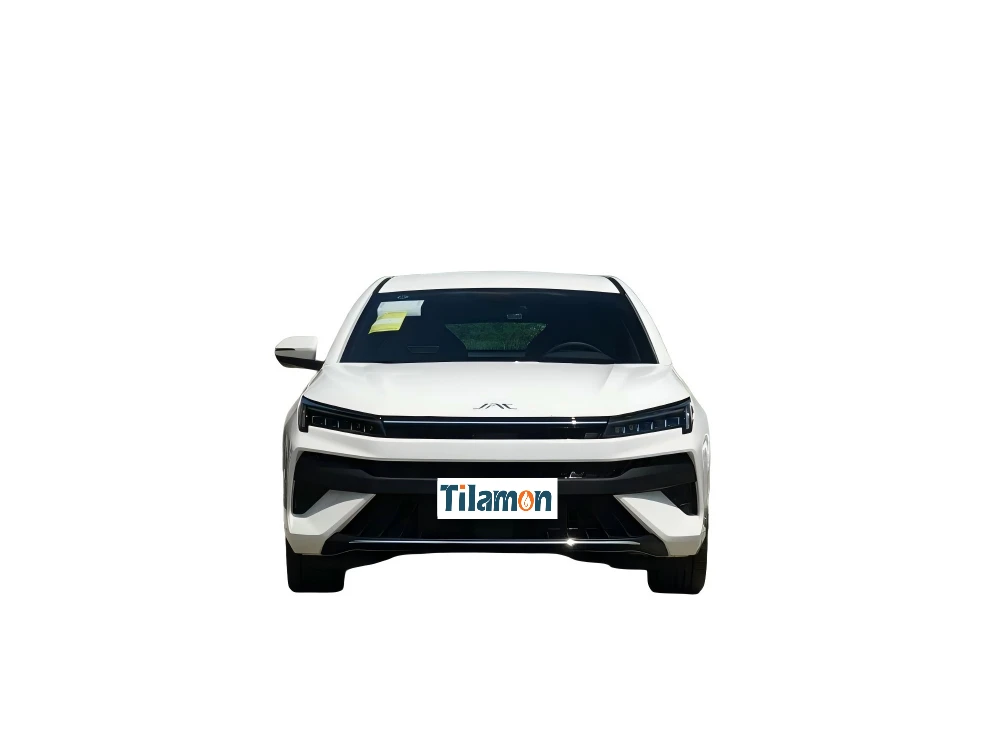
Sustainable Mobility Solutions for Mongolia: High-Performance new energy vehicle

Driving Mongolia's transition towards a greener future with cutting-edge automotive technology and flexible ownership options.

Sustainable Mobility Solutions for Mongolia: High-Performance new energy vehicle

Integrating advanced electric propulsion and smart battery management to conquer the challenging terrains and extreme climates of the Mongolian plateau.

The Current Landscape of Automotive Transition in Mongolia

Analyzing the intersection of extreme continental climates and the rise of electric mobility.

Mongolia's unique geography, characterized by vast distances and severe winter temperatures, has traditionally favored rugged internal combustion engines. However, the urban center of Ulaanbaatar is now seeing a surge in new chinese ev models that offer the necessary efficiency to combat urban smog and reduce dependency on imported fossil fuels.

Despite the push for new technology, there remains a significant market for secondhand vehicle options. Many consumers balance their budget by mixing high-tech electric options for city use with reliable pre-owned 4x4s for rural exploration, creating a hybrid automotive ecosystem.

The infrastructure for new energy ev is expanding rapidly along the main transport corridors. Government incentives and the decreasing cost of battery technology are making electric transport a viable reality even in the remote steppes of Mongolia.
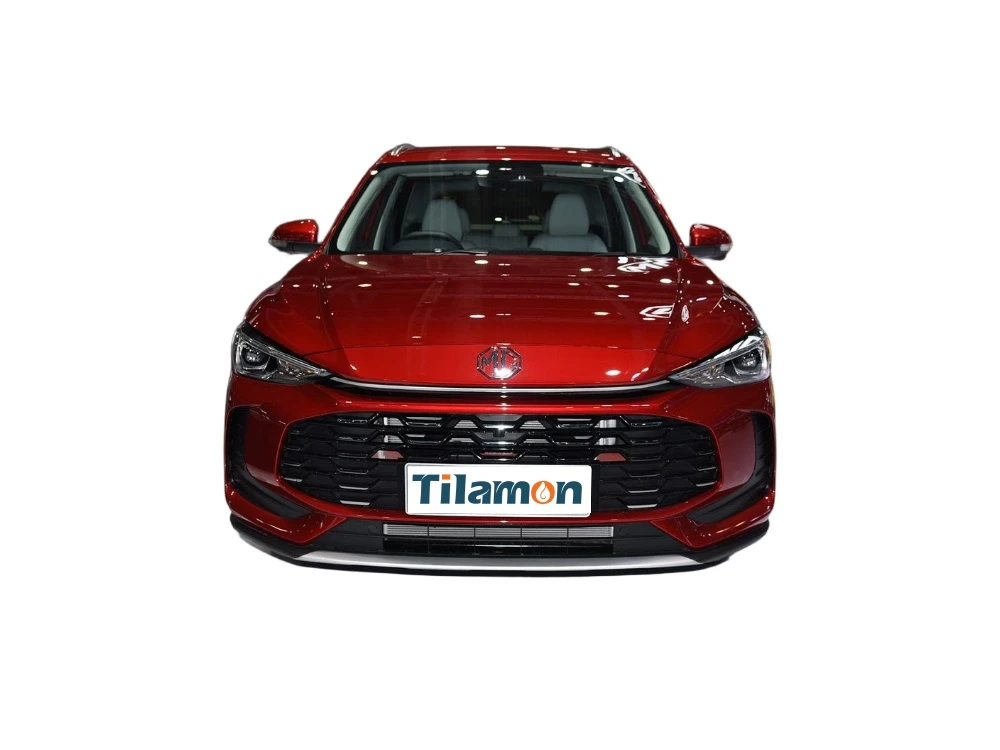
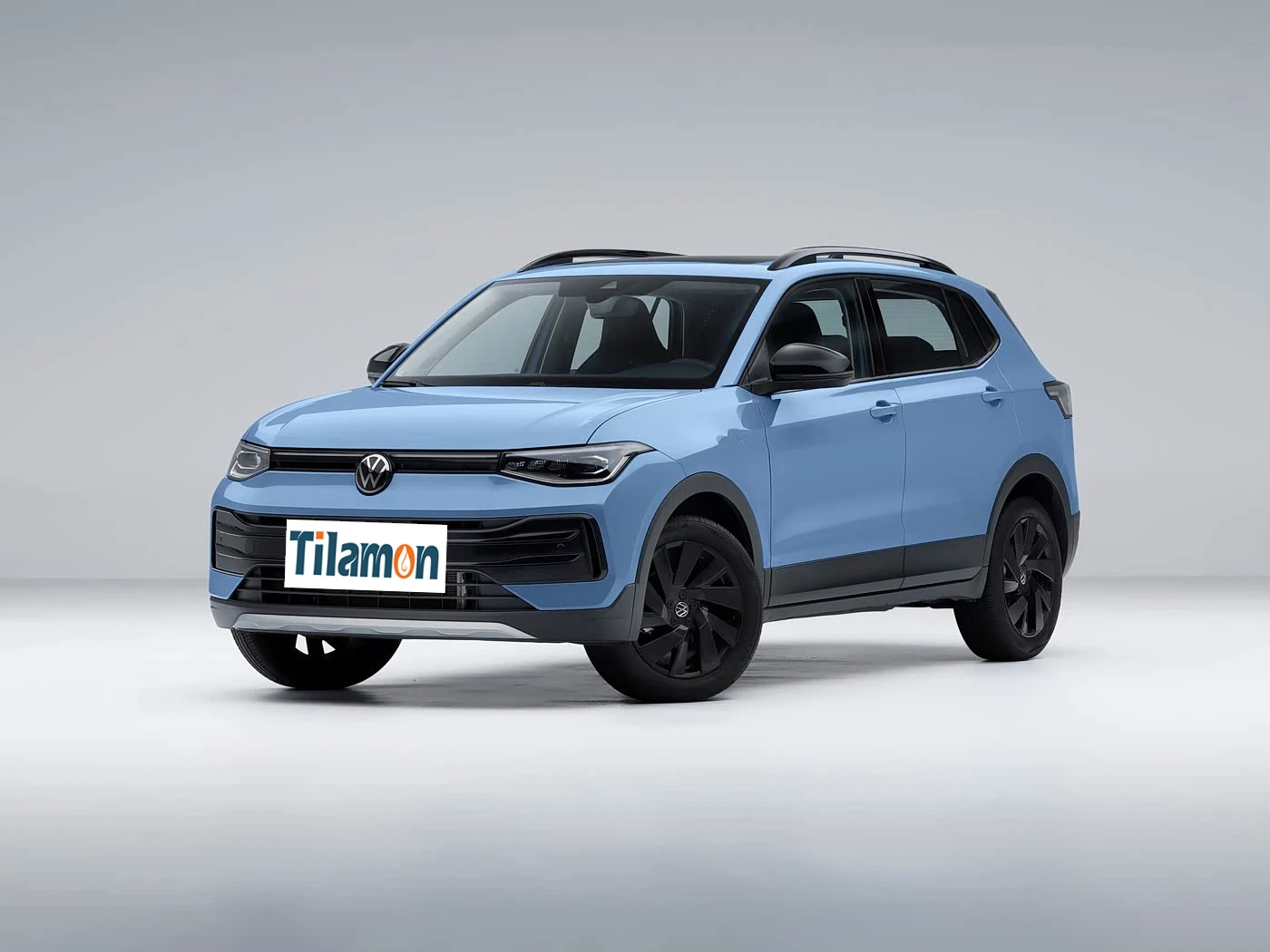
Evolution and Trajectory of Mongolian Automotive Tech

From mechanical robustness to digital intelligence.

Market Development History

From 2000 to 2015, the Mongolian market was dominated by mechanical diesel vehicles and a growing influx of 2 nd hand cars from Japan and Korea, prioritizing durability over efficiency.

Between 2016 and 2021, the first wave of digitalization hit the market. The introduction of basic hybrid systems paved the way for the current acceptance of full electrification, as consumers began valuing lower operational costs.

Since 2022, the market has entered the "Intelligence Era," where the focus has shifted to battery thermal management systems specifically designed to keep lithium-ion cells operational at -40°C.

Future Development Trends

Solid-State Battery Integration

We predict a shift toward solid-state batteries to solve the energy density issues and safety concerns associated with extreme Mongolian temperature fluctuations.

Charging Hub Expansion

The deployment of solar-powered fast-charging stations in remote provinces to support long-distance travel for electric fleets.

Circular Economy for EVs

The establishment of professional battery recycling and refurbishment centers to extend the lifecycle of electric vehicles in the region.

Industry Trends and Future Outlook

Strategic forecasts for the Mongolian automotive sector over the next 5 years.

Cold-Climate Adaptation
Implementation of advanced heat pumps and battery pre-heating systems to maintain range in winter.
Smart Grid Integration
V2G (Vehicle-to-Grid) technology to provide backup power to rural nomadic households.
Autonomous Logistics
AI-driven electric trucks for autonomous ore transport between mines and rail terminals.
Eco-Certification
Stricter emissions standards forcing a shift from diesel to electric power across the government fleet.

Industry Outlook

Google search trends in the region indicate a 40% year-on-year increase in queries regarding "electric car charging" and "battery life in winter," signaling a maturing market ready for professional EV infrastructure.

The long-term outlook focuses on the synergy between Mongolia's mineral wealth (lithium and copper) and the automotive manufacturing chain, potentially leading to local assembly plants for electric vehicles.

Localized Application Scenarios in Mongolia

How our automotive solutions adapt to the Mongolian lifestyle.

01. Urban Commuting in Ulaanbaatar

Using high-efficiency EVs to navigate heavy traffic while eliminating tailpipe emissions in the capital city's valley.

02. Mining Site Personnel Transport

Replacing diesel shuttles with rugged, high-torque electric vehicles for environmentally conscious mineral extraction sites.

03. Rural Nomadic Support

Electric 4x4s equipped with V2L (Vehicle-to-Load) capabilities to power household appliances in the steppes.

04. Cross-Border Trade Logistics

Utilizing electric light-duty trucks for efficient transport between Mongolian hubs and neighboring trade ports.

05. Sustainable Tourism Expeditions

Offering silent, zero-emission sightseeing tours in National Parks to protect wildlife and natural landscapes.

Brand Story

Global Development History of Shijiazhuang Zhenming Chemical Co., Ltd.

Industrial Foundations

Starting as a specialist in chemical materials, we identified the critical need for high-purity components in battery manufacturing.

Strategic Pivot to Automotive

We expanded our expertise into the automotive supply chain, focusing on the thermal management materials essential for EVs.

Global Quality Standardization

Achieving international ISO certifications to ensure our automotive components meet the rigorous demands of global markets.

Mongolian Market Entry

Launching tailored solutions for the Central Asian market, specializing in extreme-cold battery performance.

The Vision for 2030

Leading the transition to zero-emission transport across the steppes through innovation and sustainable engineering.

Comprehensive Automotive Portfolio for Mongolia

From premium new energy vehicles to cost-effective pre-owned options.

Frequently Asked Questions in Mongolia

Expert answers to common concerns regarding EV adoption in the region.

How do new chinese ev batteries perform in Mongolian winters?

Our vehicles are equipped with active thermal management systems that pre-heat the battery cells, ensuring optimal performance and range even when temperatures drop to -40°C.

What is the difference between a new energy ev and a traditional hybrid?

A new energy ev relies primarily or exclusively on electricity, offering zero emissions and lower maintenance, whereas hybrids still depend on internal combustion engines.

Are there certified options for a secondhand vehicle with battery health checks?

Yes, we provide comprehensive battery SOH (State of Health) reports for every secondhand vehicle to ensure transparency and longevity for the next owner.

Can 2 nd hand cars be converted to electric power?

While possible through retrofitting, we recommend purchasing a dedicated new energy vehicle for better safety, integration, and manufacturer warranty.

Where can I find fast-charging stations for a new energy vehicle in rural areas?

Charging networks are expanding along major highways. We provide a detailed digital map of all compatible charging points with every vehicle purchase.

What is the average lifespan of a new chinese ev battery in Mongolia?

With proper maintenance and the use of our thermal management systems, batteries typically maintain over 80% capacity for 8-10 years of standard use.

Ready to Transform Your Drive?

Our experts are standing by to provide tailored automotive solutions for the unique needs of Mongolia.

Contact Us Now

If you are interested in our products, you can choose to leave your information here, and we will be in touch with you shortly.