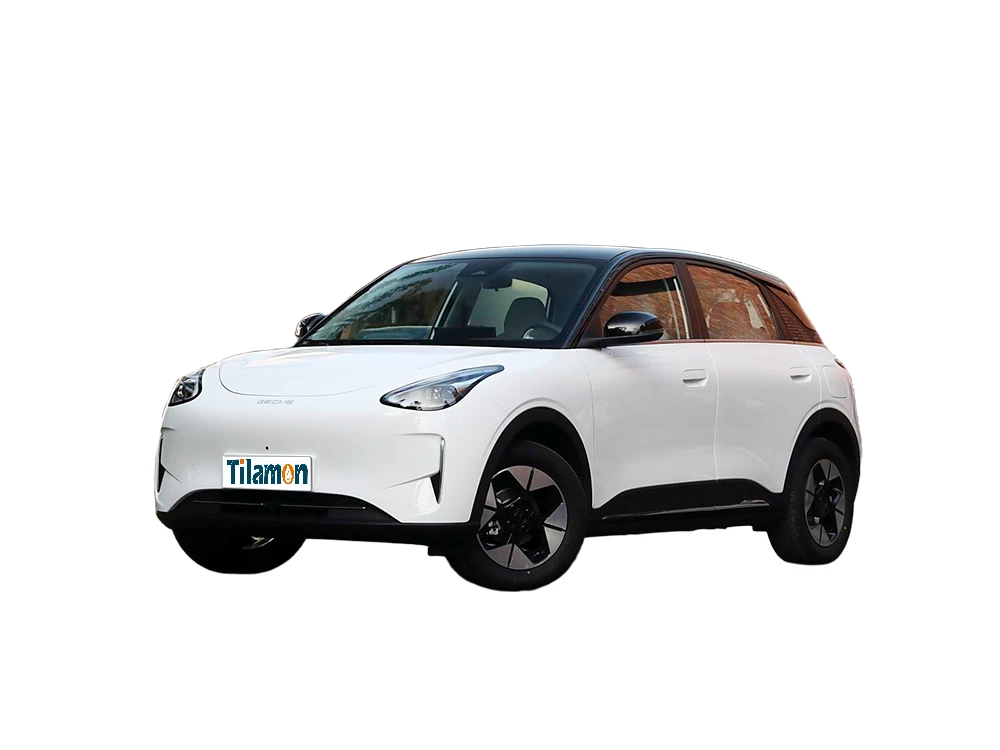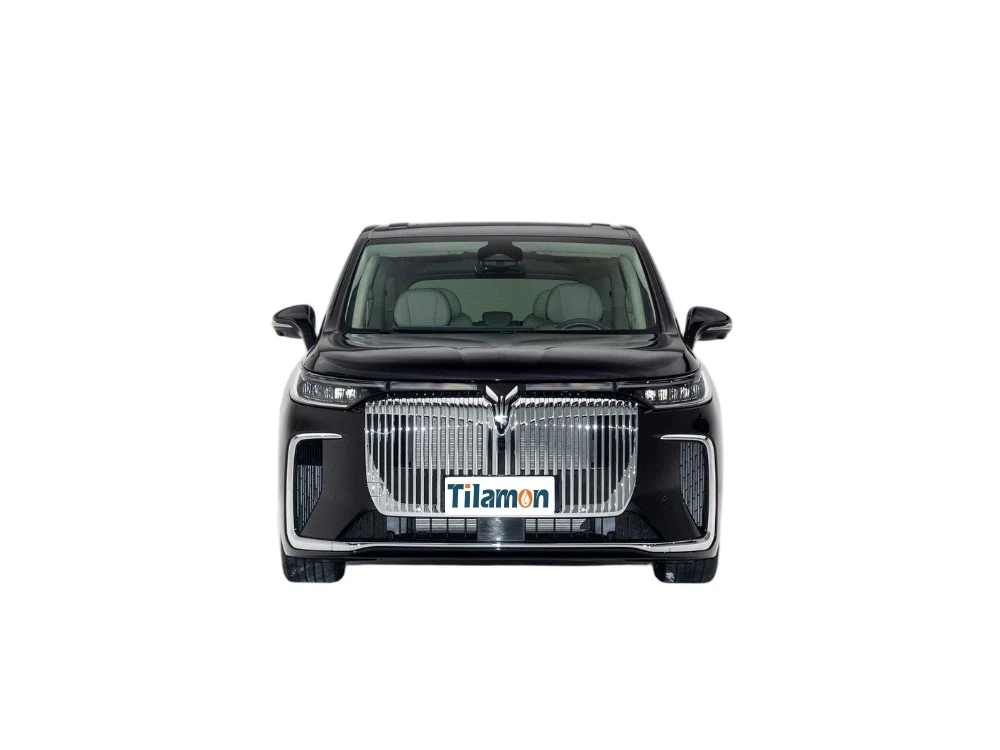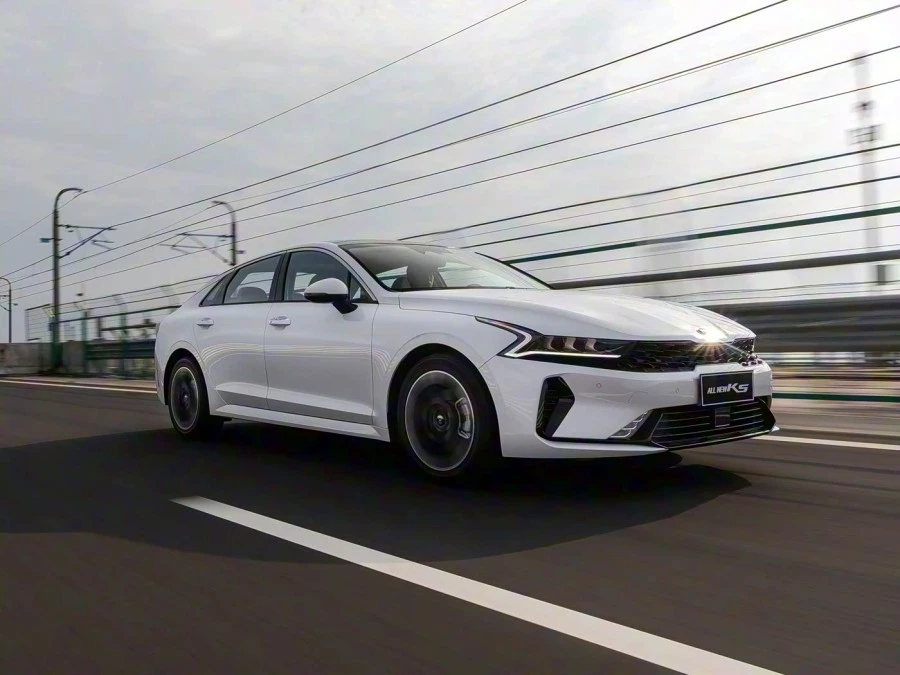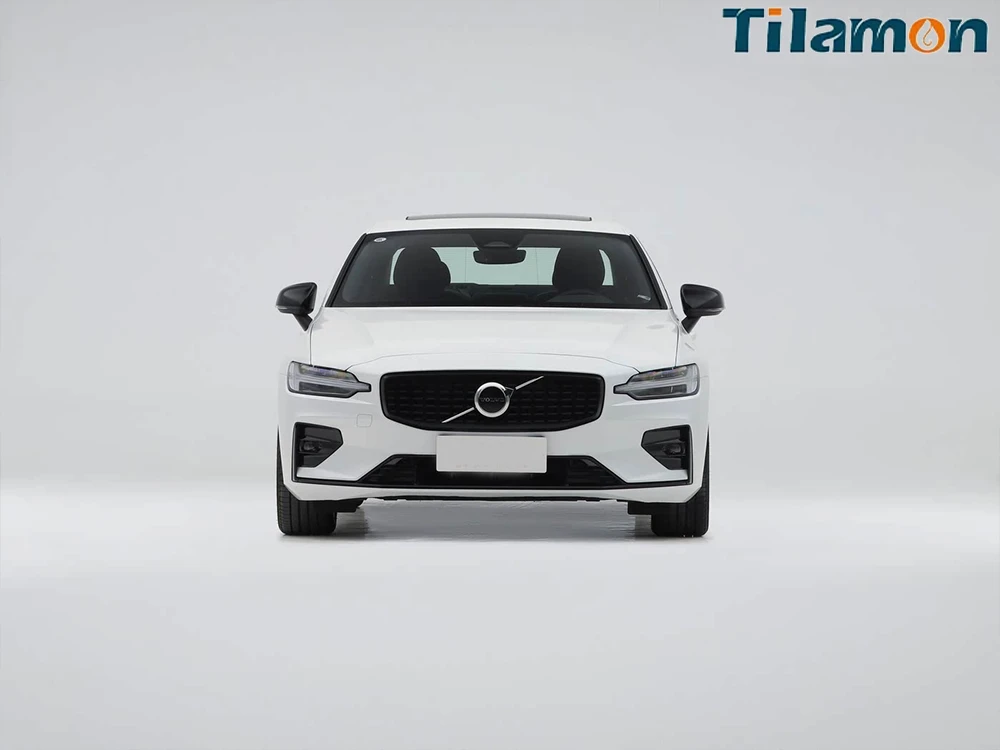
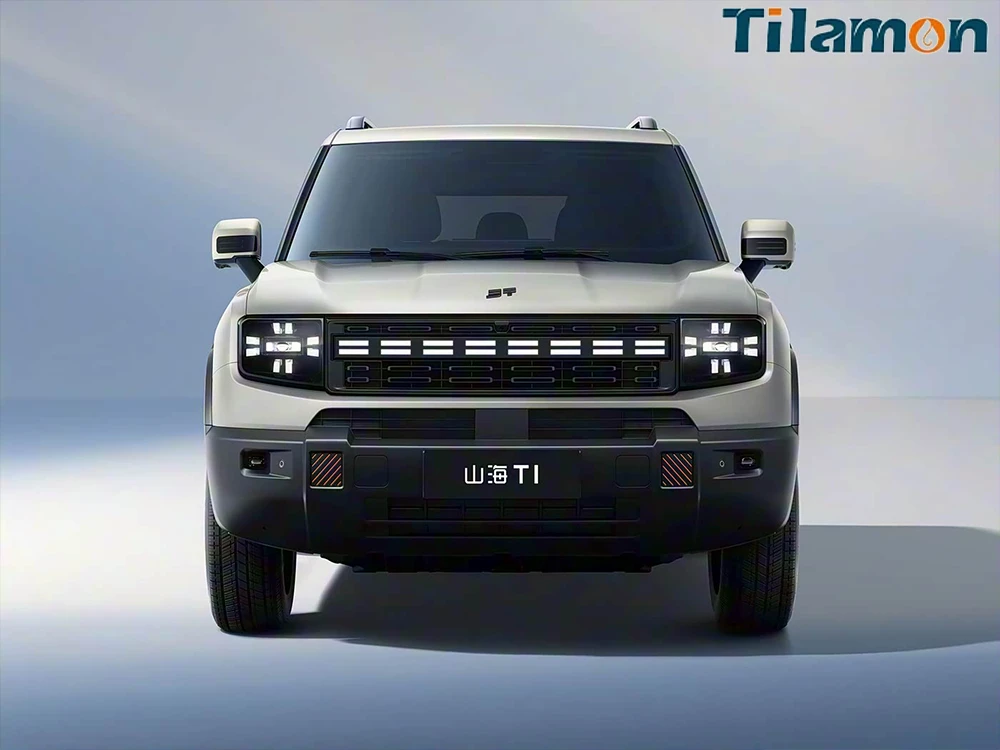
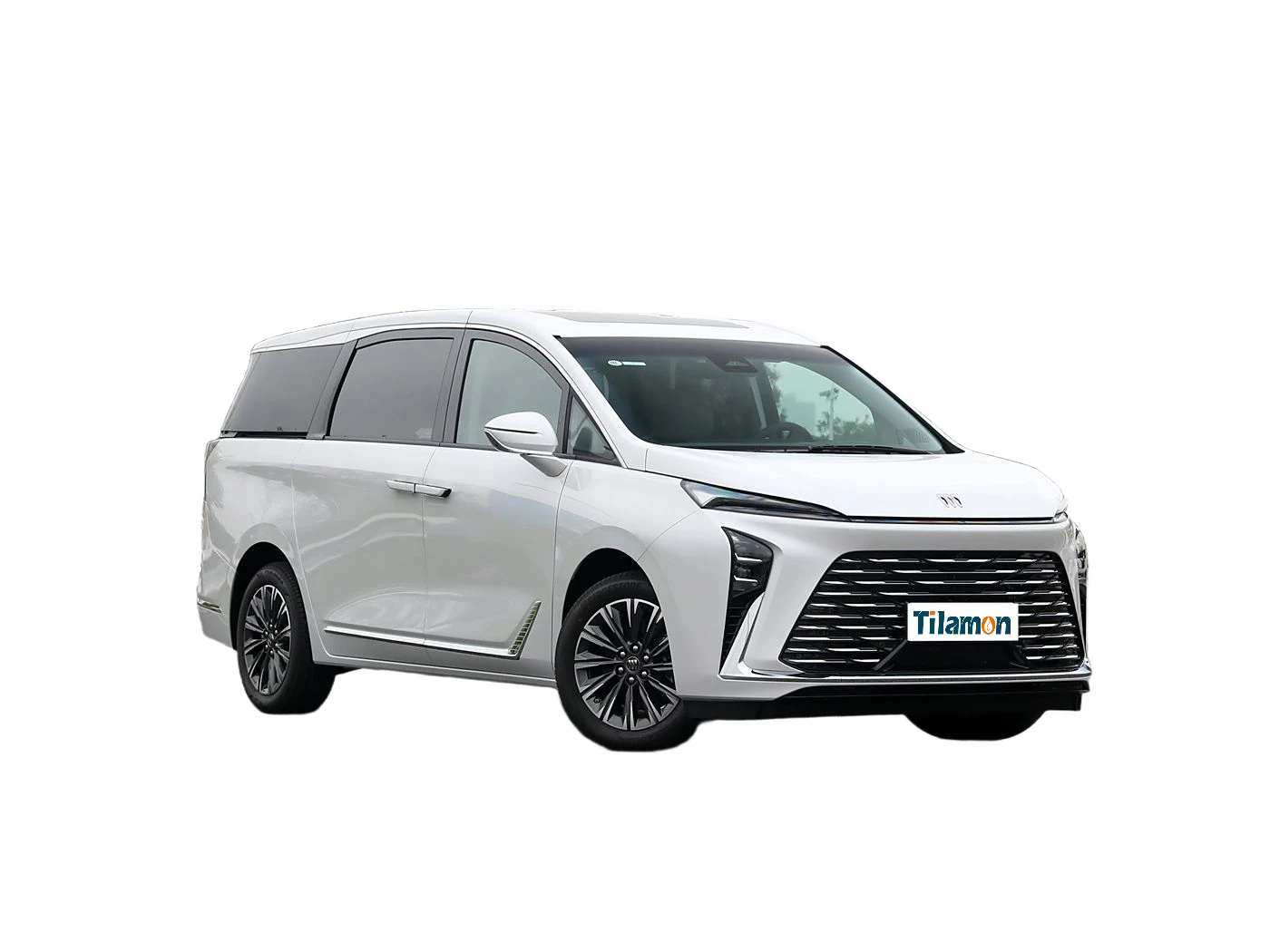
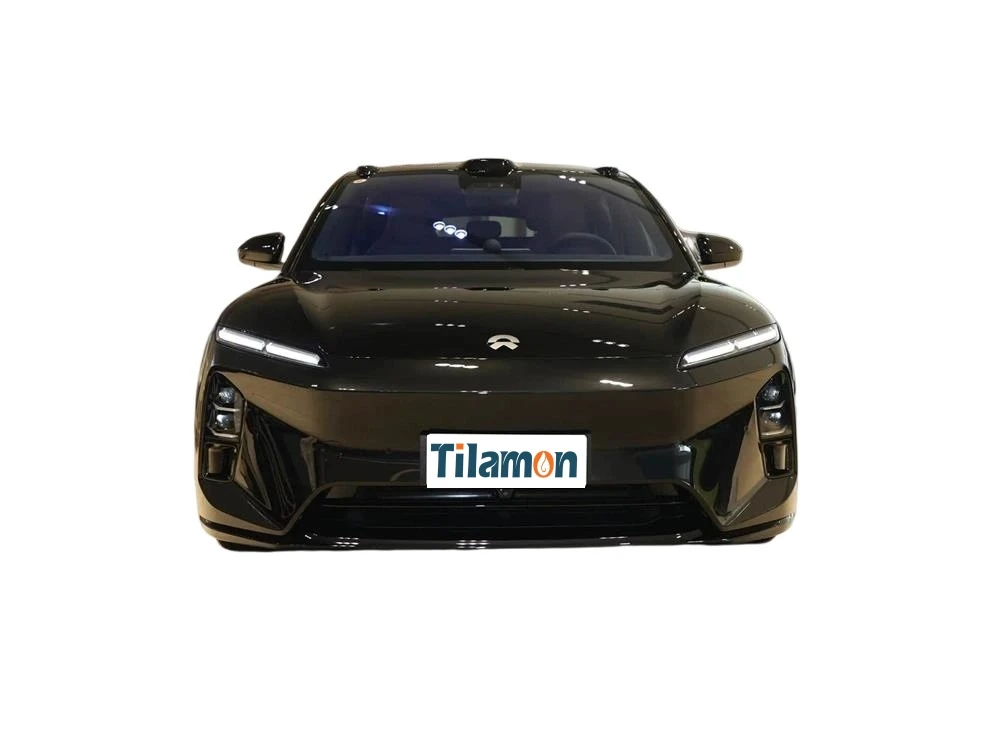
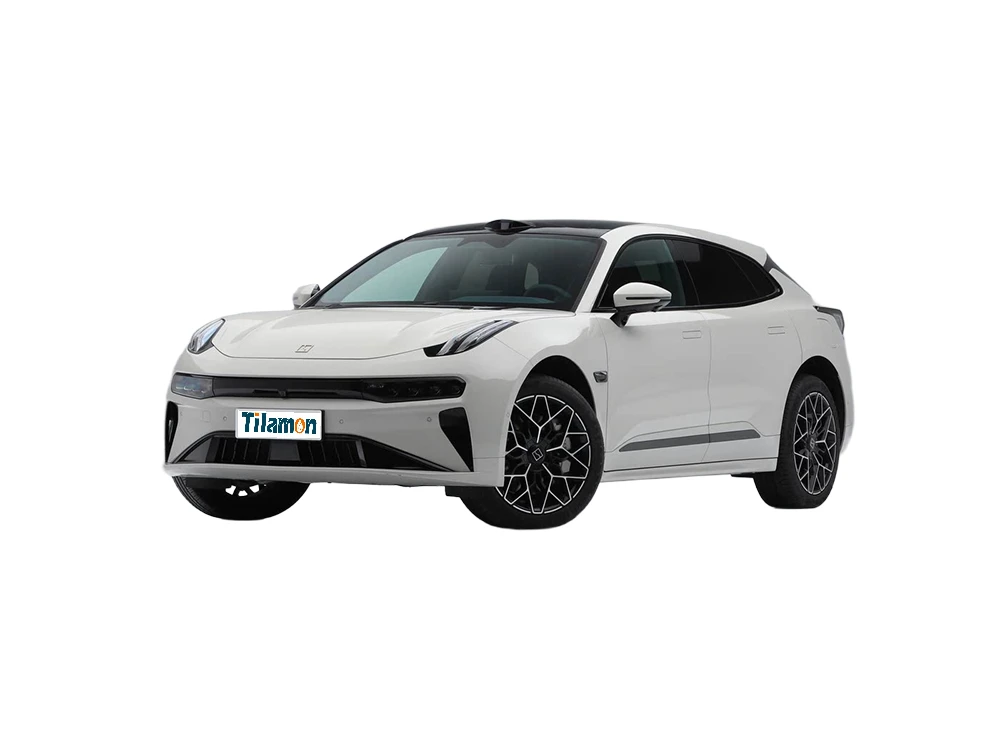
Germany, the heart of European automotive manufacturing, is currently navigating a paradigm shift. The demand for a new chinese ev has surged as consumers seek a balance between high-tech software integration and competitive pricing, challenging the established luxury incumbents in cities like Berlin and Munich.
Economic pressures and stringent EU emissions regulations have accelerated the adoption of the new energy vehicle. However, the market is currently bifurcated between premium new entries and a growing reliance on the secondhand vehicle market to make electric mobility accessible to the middle class.
Geographically, Germany's extensive Autobahn network requires EVs with superior thermal management and high-speed charging capabilities. This has led to a specific regional demand for long-range batteries that can withstand both Alpine winters and humid coastal climates.