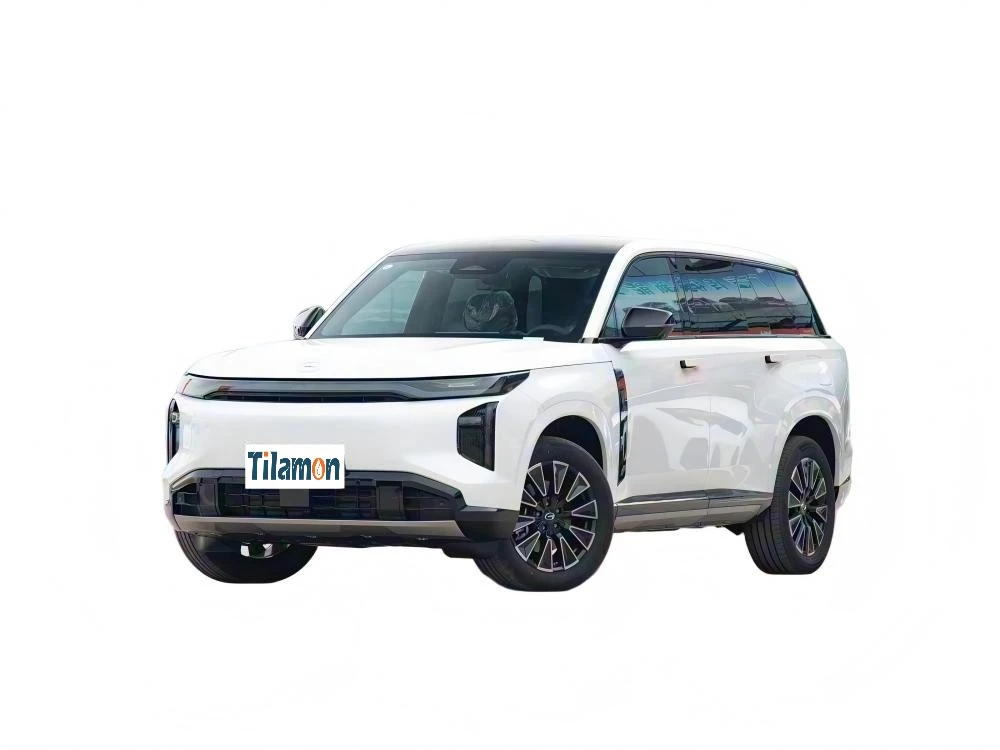
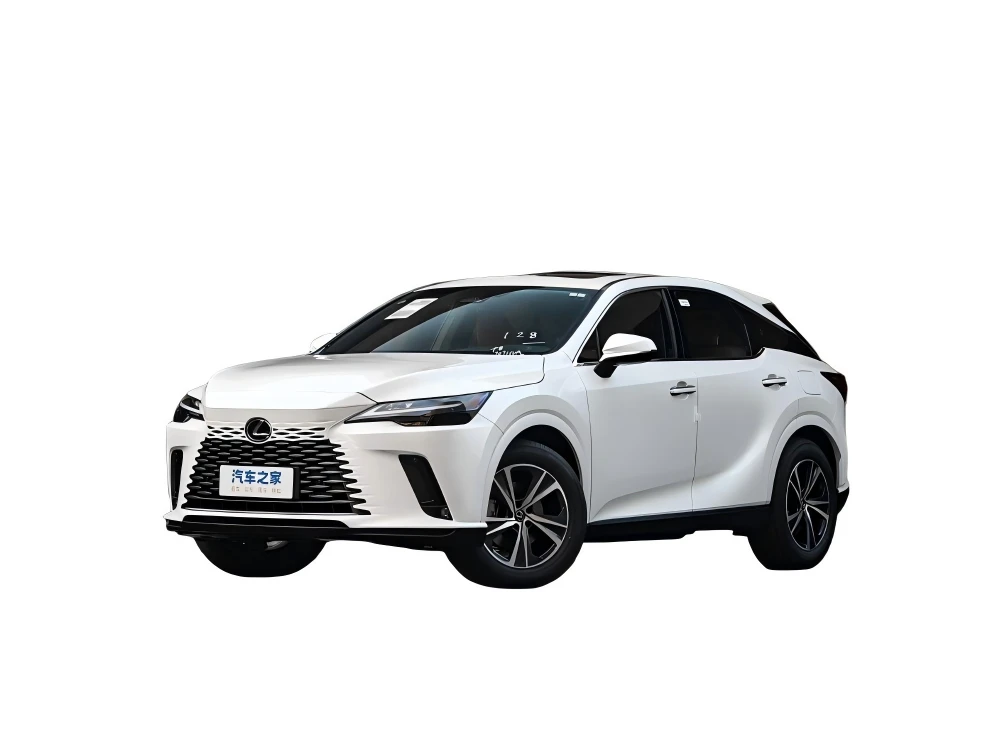
Sustainable Mobility Solutions for the new energy vehicle Market in UK

Driving the future of British roads with advanced automotive manufacturing and sustainable electric transport ecosystems.

Sustainable Mobility Solutions for the new energy vehicle Market in UK

Integrating high-efficiency manufacturing with eco-friendly power systems to redefine urban transportation across the United Kingdom.

The Current Landscape of UK Electric Mobility

Analyzing the shift toward decarbonized transport in the British automotive sector.

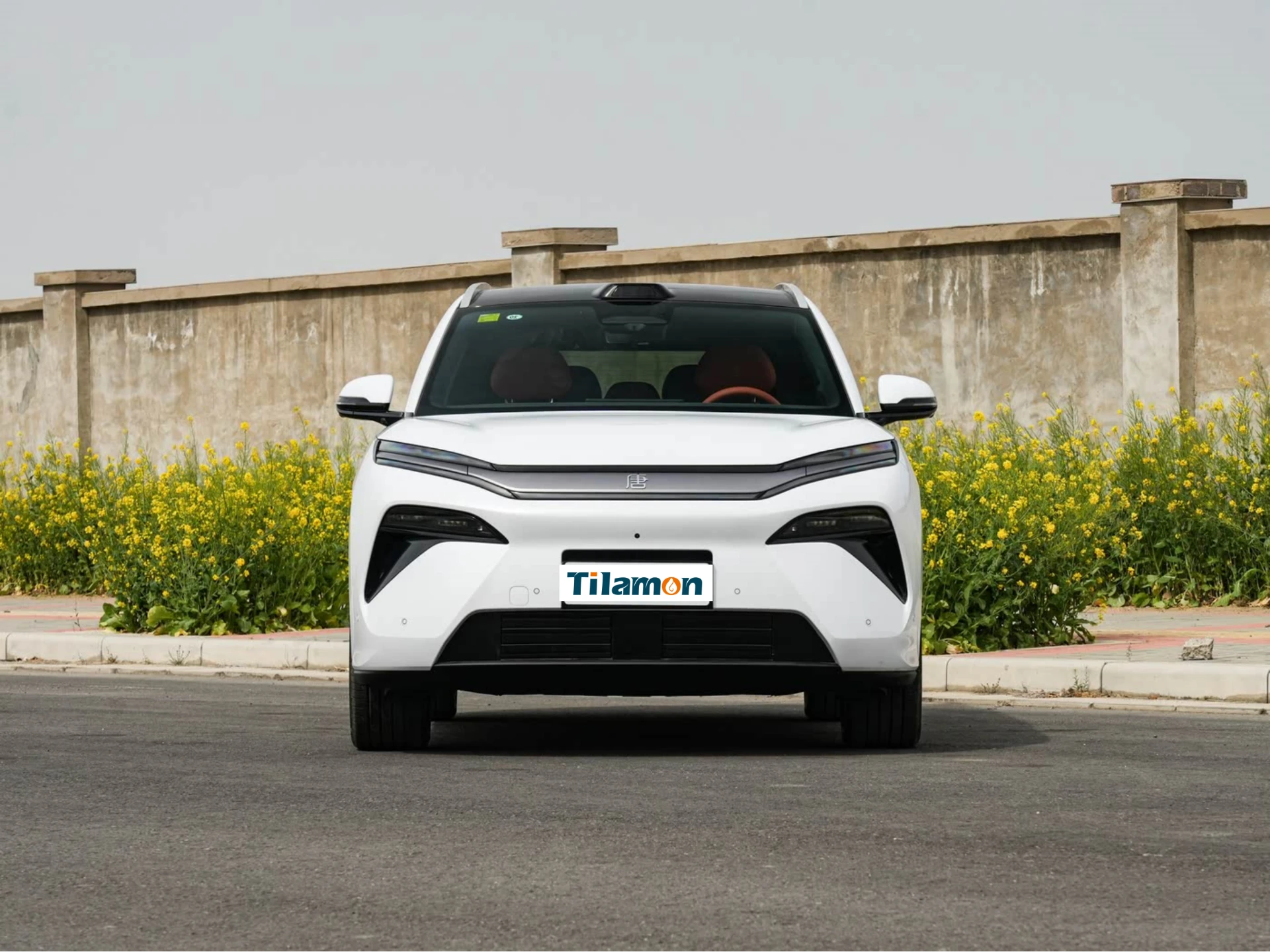
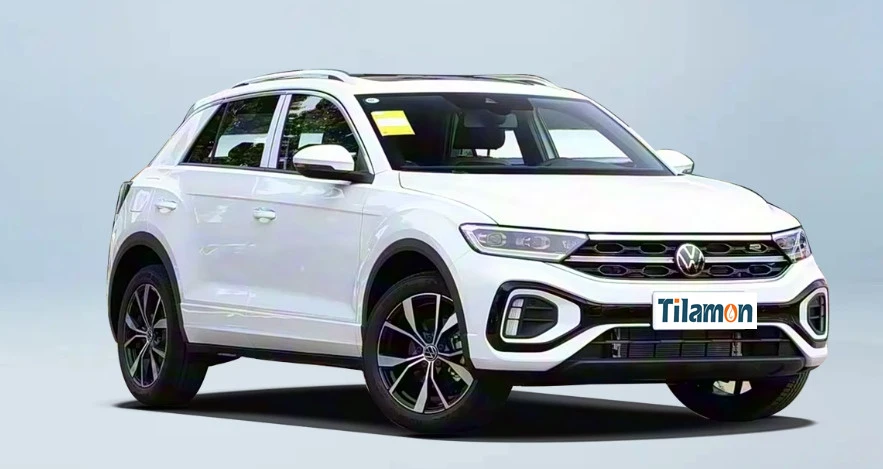
The United Kingdom is currently undergoing a massive transition in automotive manufacturing, driven by stringent Net Zero targets. The demand for a new chinese ev has surged as consumers seek a balance between high-tech battery integration and competitive pricing, challenging traditional European legacies.

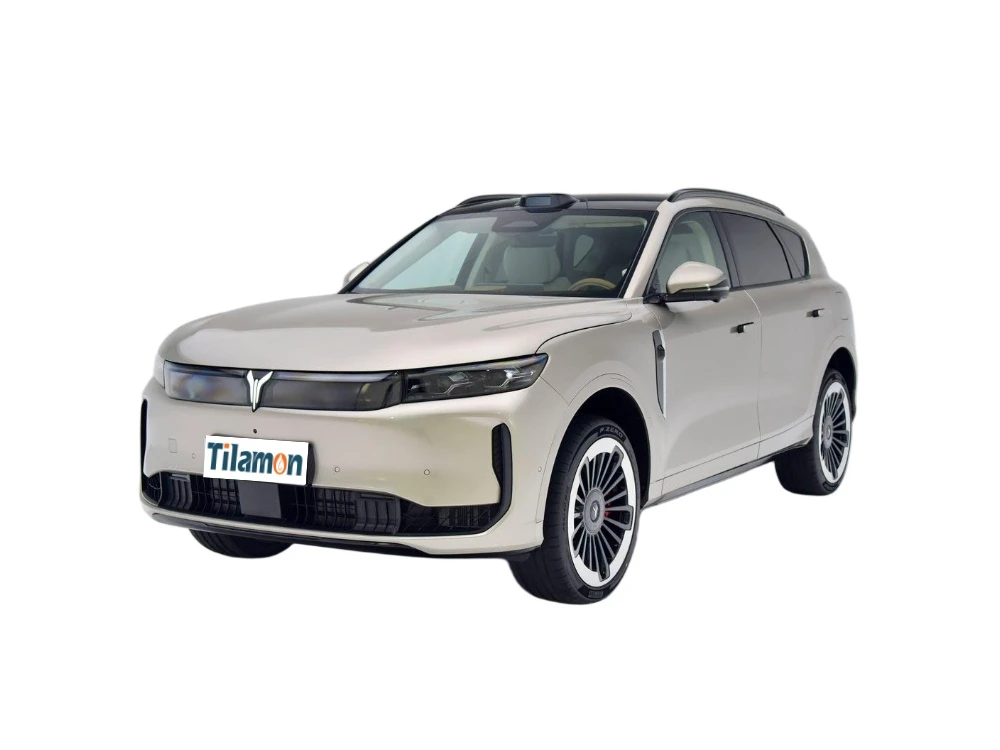
Geographically, the UK's urban centers like London and Manchester are implementing Ultra Low Emission Zones (ULEZ), which directly accelerates the adoption of any new energy ev. This regulatory pressure is forcing a rapid overhaul of charging infrastructure and vehicle architecture.

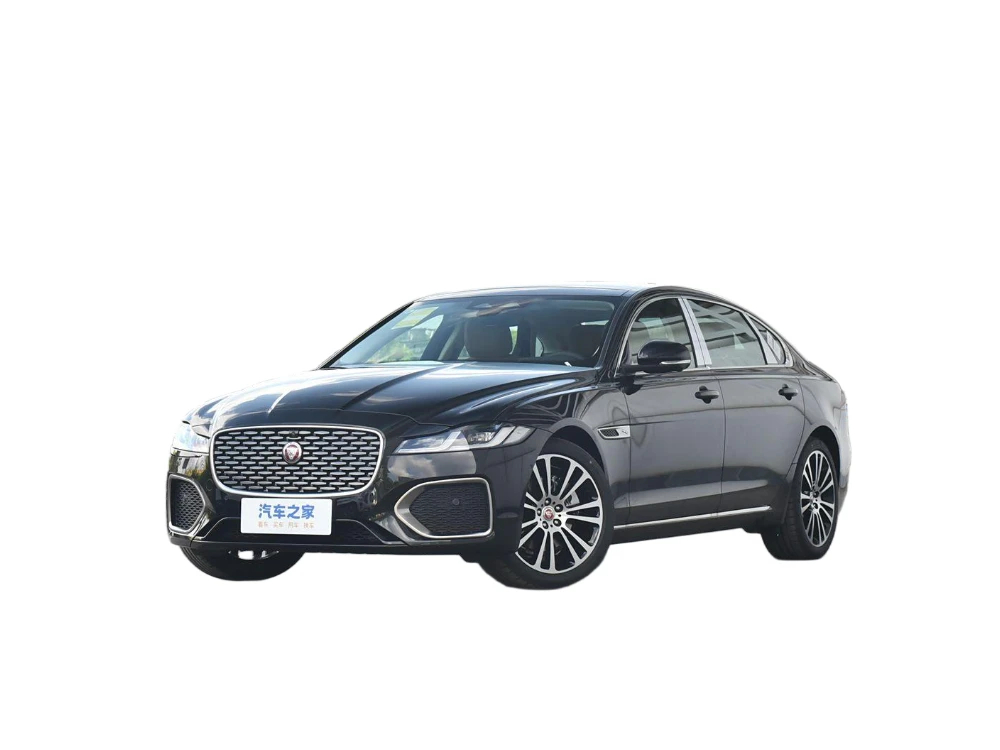
Furthermore, the market for secondhand vehicle options is evolving, as early adopters of electric tech trade in their first-gen models, creating a robust secondary market for pre-owned sustainable transport.
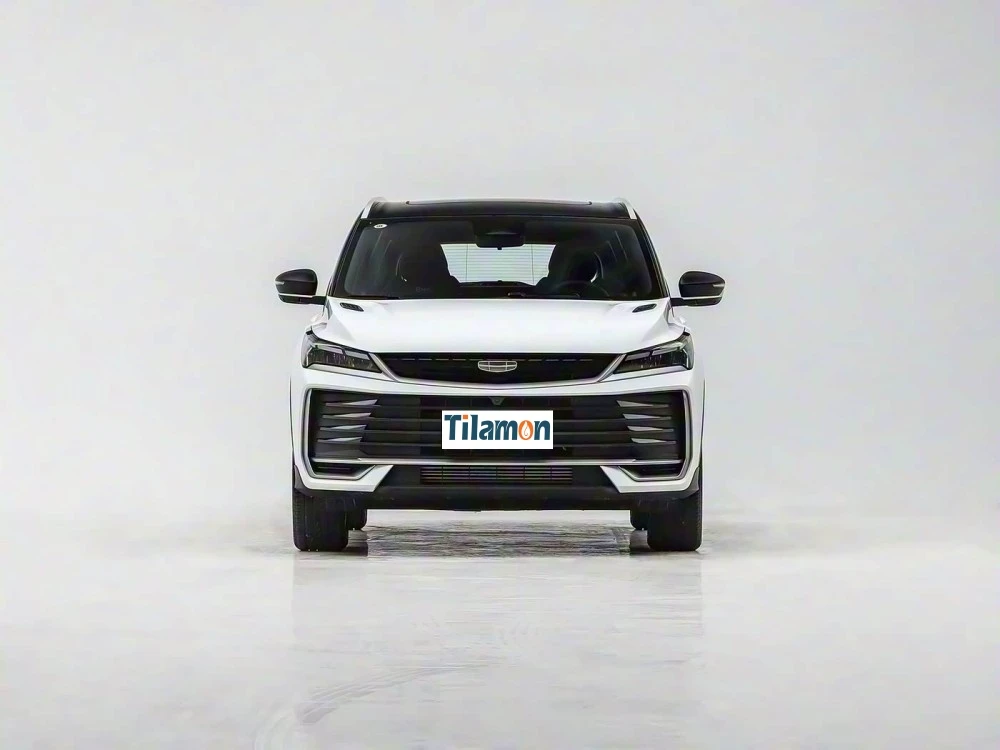
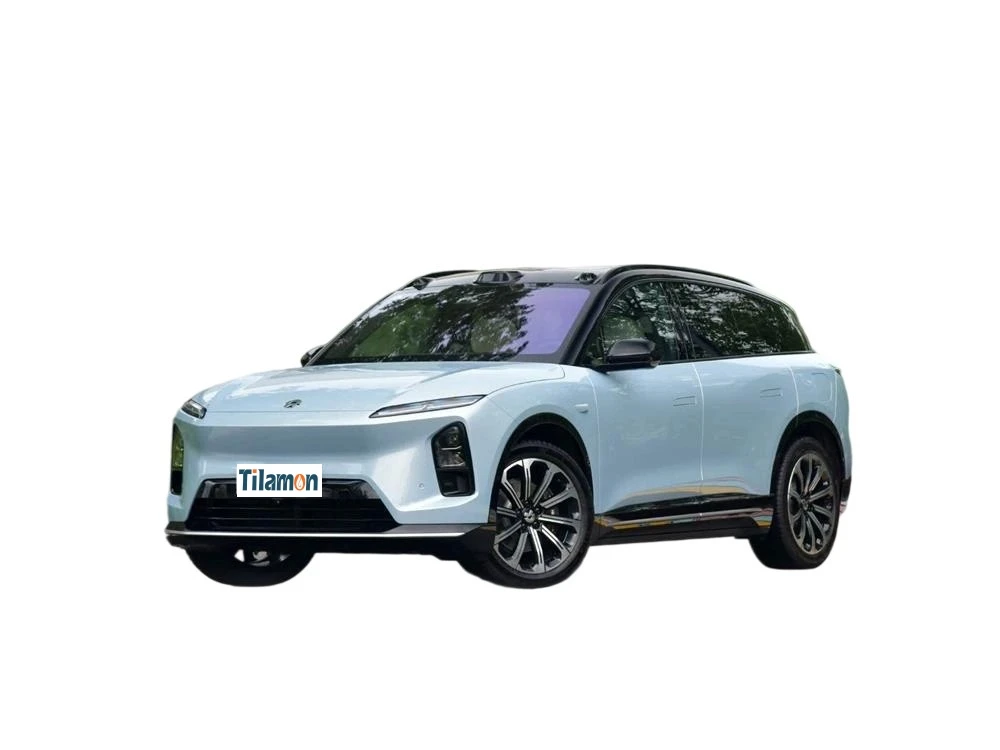
Evolution of Automotive Manufacturing Trajectory

From internal combustion dominance to the era of intelligent electrification.

Market Development History

Between 2010 and 2015, the UK market focused primarily on hybrid transitions, where traditional chassis were adapted for electrical assistance. The manufacturing logic was centered on reducing fuel consumption rather than eliminating emissions.

From 2016 to 2021, a pivotal shift occurred with the introduction of dedicated EV platforms. This era saw the rise of the new energy vehicle as a primary choice, moving away from "converted" ICE cars to ground-up electric designs with optimized weight distribution.

Since 2022, the market has entered a phase of "Intelligent Electrification," where software-defined vehicles and advanced battery chemistry (such as LFP and Solid-State) have become the primary competitive battlegrounds in the UK.

Future Development Trends

Bidirectional Charging Integration

Vehicles will transition from mere transport to mobile energy storage units (V2G), allowing UK homeowners to feed power back into the National Grid during peak hours.

Circular Economy for Batteries

The focus will shift toward battery recycling and "second-life" applications, reducing the environmental footprint of raw material extraction.

Autonomous Urban Integration

Integration of Level 3+ autonomy tailored for narrow British city streets, reducing traffic congestion and increasing safety through AI-driven manufacturing.

Industry Outlook and Technological Forecast

Predicting the next 5 years of automotive manufacturing and consumption patterns.

Solid-State Battery Adoption
Moving beyond lithium-ion to increase range and safety, drastically reducing charging times for UK commuters.
AI-Driven Manufacturing
Implementation of digital twins and predictive maintenance in assembly lines to optimize vehicle precision.
Modular Chassis Design
Standardized "skateboard" platforms allowing for rapid customization of vehicle bodies for different market segments.
Hyper-Local Supply Chains
Reducing reliance on global logistics by establishing battery cell plants within the UK to ensure stability.

Industry Outlook

Google search trends indicate a rising interest in "affordable electric cars" and "battery health certificates," suggesting that the UK market is maturing. Consumers are moving from luxury early adoption to mass-market utility.

We expect a significant increase in the trade-in volume of 2 nd hand cars that are electrified, as the second-hand market develops standardized methods for assessing battery degradation.

UK-Specific Application Scenarios

How our manufacturing solutions solve real-world transport challenges in the United Kingdom.

1. London ULEZ Compliant Fleet Upgrades

Providing high-efficiency electric vans for urban delivery services to avoid daily emissions charges while maintaining payload capacity.

2. Rural Highland Long-Range Commuting

Deploying high-density battery vehicles designed to handle the varied topography and lower charger density of the Scottish Highlands.

3. Corporate ESG Transition Programs

Helping UK enterprises replace their traditional company car fleets with sustainable electric alternatives to meet corporate carbon-neutrality goals.

4. Second-Life Battery Energy Storage

Converting retired batteries from secondhand vehicle stocks into residential energy storage for UK homes.

5. Last-Mile Logistics Hubs

Implementing a network of small-scale electric pods for dense city centers, reducing congestion in historical UK town centers.

Brand Story

Global Development History of Shijiazhuang Zhenming Chemical Co., Ltd.

Foundational Excellence

Established as a leader in chemical raw materials, providing the critical building blocks for industrial polymers used in automotive parts.

Diversification into EV Materials

Recognizing the shift to electrification, we pivoted our R&D to focus on high-purity chemicals required for battery electrolytes and thermal management.

European Market Entry

Expanding our footprint into the UK and EU to support the local manufacturing of lightweight, sustainable vehicle components.

Sustainability Integration

Developing a closed-loop system for material recovery, ensuring that our chemical processes align with global green manufacturing standards.

Vision for 2030

Aiming to be the primary material partner for the next generation of autonomous and carbon-neutral vehicles globally.

Comprehensive Product Portfolio for the UK Market

From high-performance new energy units to certified pre-owned sustainable transport.

Common Questions Regarding UK EV Adoption

Expert answers to the most pressing concerns of British motorists and fleet managers.

What are the advantages of buying a new chinese ev in the UK?

They typically offer superior battery technology and integrated smart-cockpit features at a more accessible price point compared to traditional luxury brands.

How is the battery health verified for a secondhand vehicle?

We use standardized SOH (State of Health) diagnostic tools that provide a percentage of remaining capacity relative to the original factory specification.

Are new energy ev models compatible with UK public charging grids?

Yes, all our vehicles adhere to Type 2 and CCS standards, ensuring seamless compatibility with the majority of UK charging networks.

What is the expected lifespan of a new energy vehicle battery?

Most modern batteries are designed to last 8-10 years or 150,000 miles before dropping below 70-80% of their original capacity.

Is it cost-effective to buy 2 nd hand cars that are electric?

Yes, as the initial depreciation of EVs is often steeper, buyers can acquire high-spec vehicles at a fraction of the new price while still enjoying low running costs.

How does cold weather in the UK affect electric vehicle range?

Winter temperatures can reduce range by 20-30%, but our advanced thermal management systems minimize this loss by optimizing battery heat.

Get in Touch with Our Specialists

Contact our expert team to optimize your fleet or find the perfect electric vehicle for your needs in the United Kingdom.

Contact Us Now

If you are interested in our products, you can choose to leave your information here, and we will be in touch with you shortly.