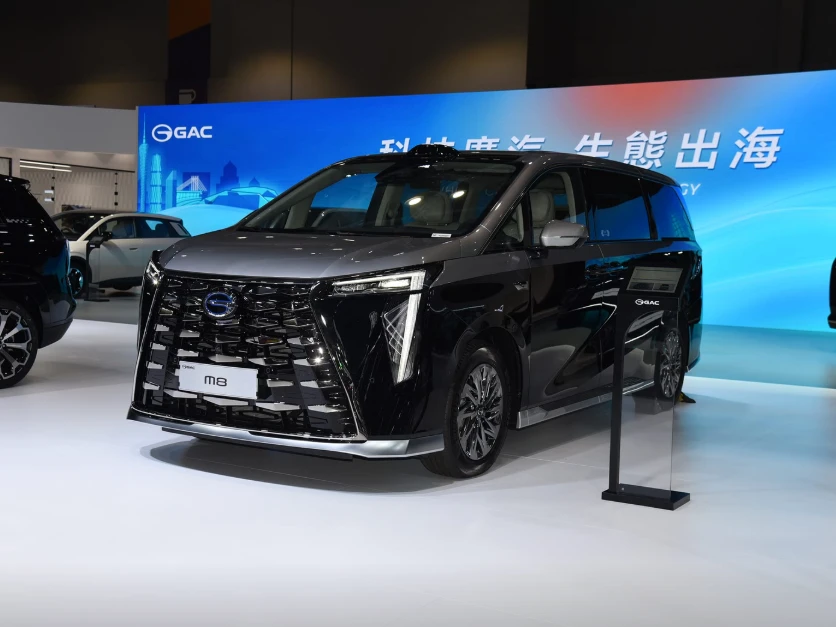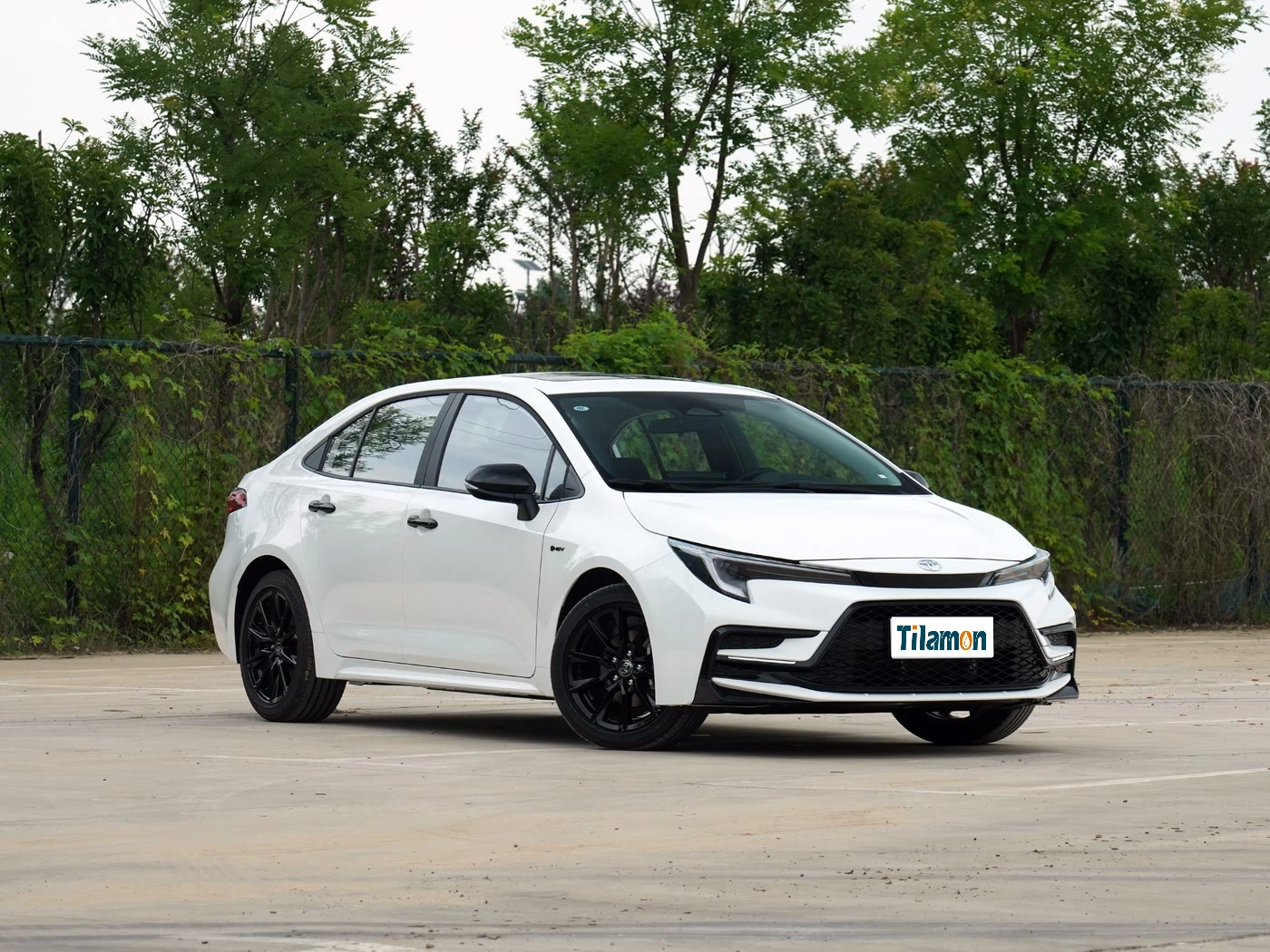
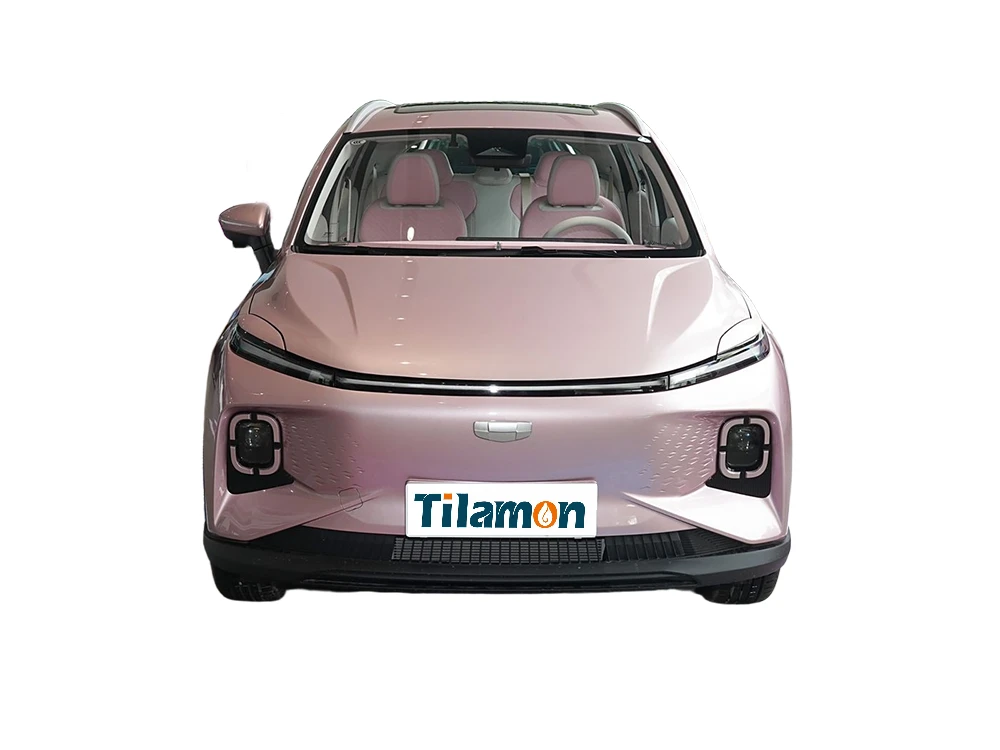
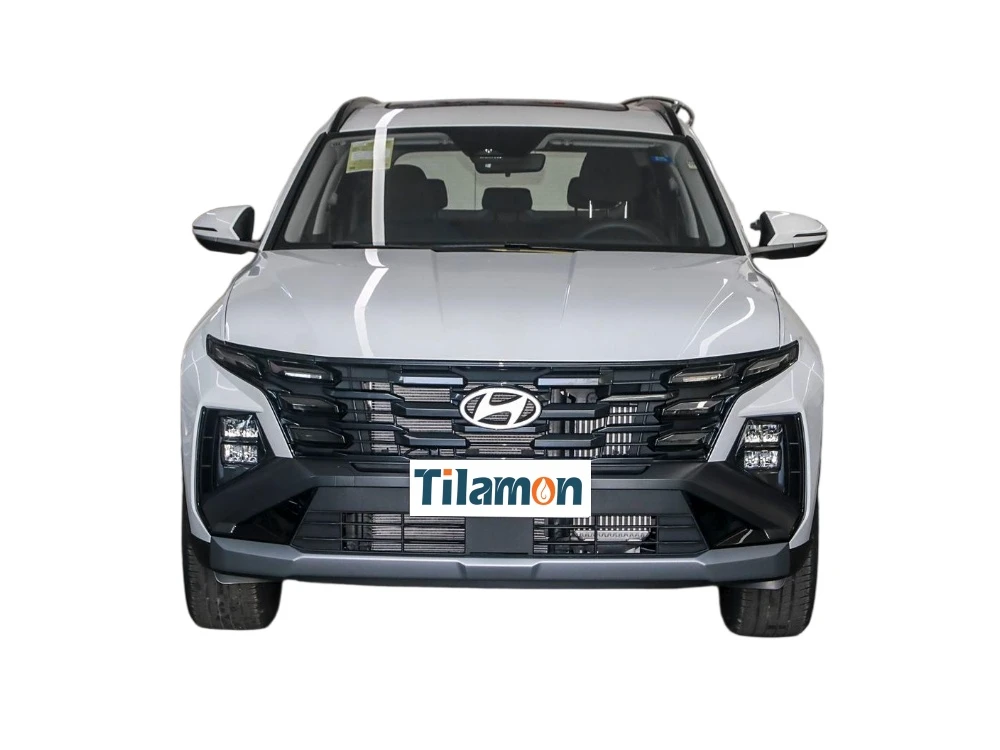
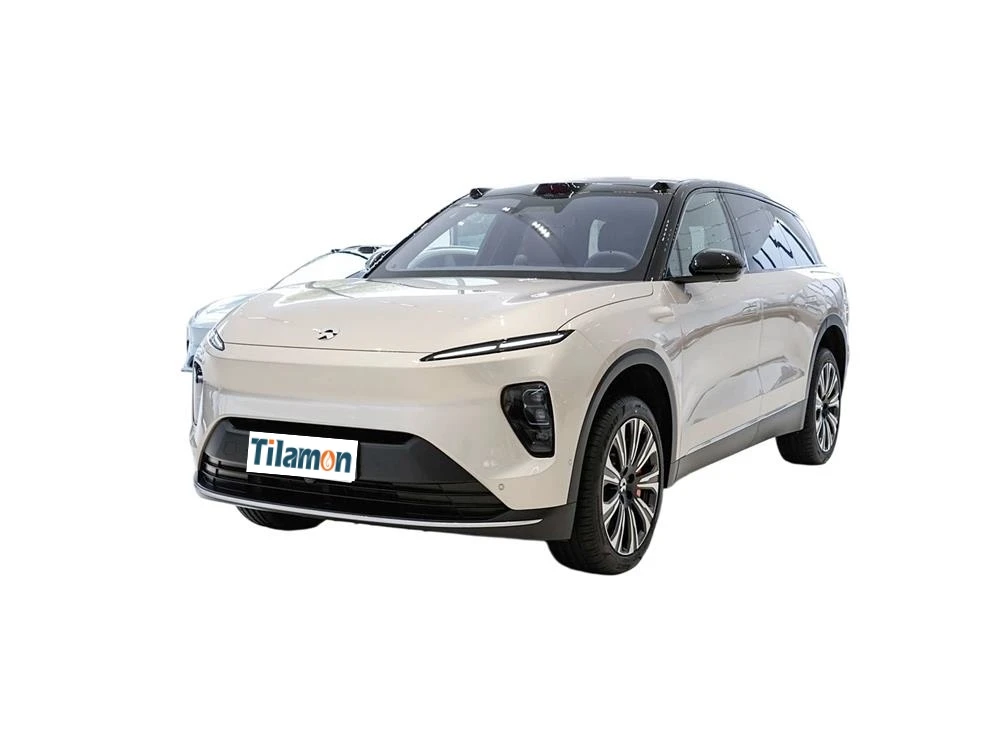
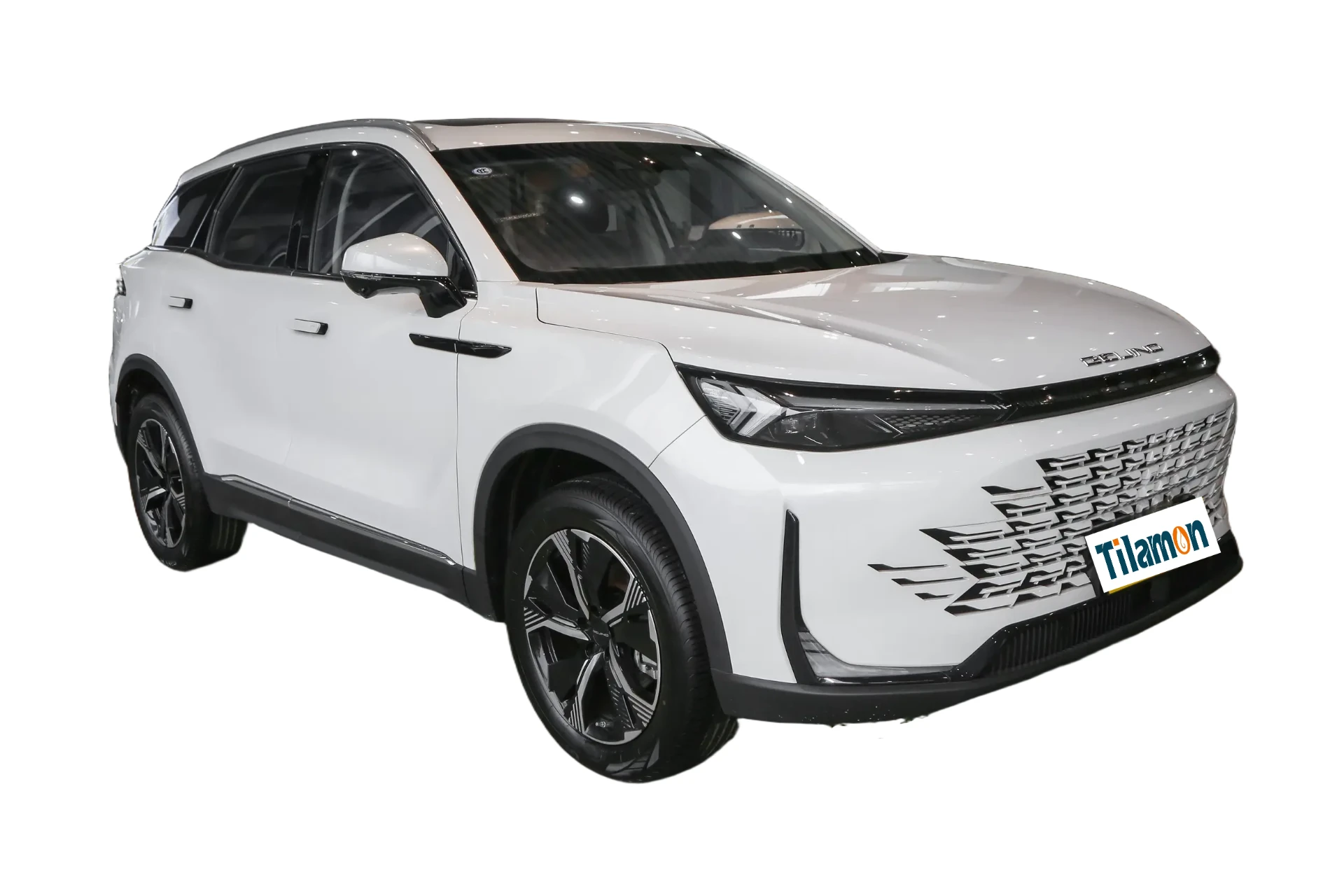
Sustainable Mobility with new energy vehicle in Norway

Accelerating Norway's transition to zero-emission transport through advanced Chinese automotive engineering and premium sustainable mobility solutions.

Sustainable Mobility with new energy vehicle in Norway

Providing the Norwegian market with cutting-edge EV technology, combining long-range efficiency with extreme cold-weather reliability for the modern Nordic driver.

The EV Landscape in Norway

Analyzing the adoption of new chinese ev models in the world's most mature electric market.

Norway represents the global vanguard of electric mobility, where government incentives and a robust charging infrastructure have made the new energy ev the default choice for consumers. The geographical challenge of steep fjords and extreme winter temperatures demands vehicles with superior thermal management systems.

With the market reaching a saturation point for early adopters, there is a growing demand for diversity in the new energy vehicle segment. Norwegian consumers are now looking beyond legacy brands toward innovative Chinese manufacturers who offer integrated smart-cockpits and competitive price-to-performance ratios.

Furthermore, as the first generation of mass-market EVs ages, a sophisticated secondary market is emerging. The demand for a certified secondhand vehicle is rising, requiring rigorous battery health certifications to ensure safety and longevity in Arctic conditions.
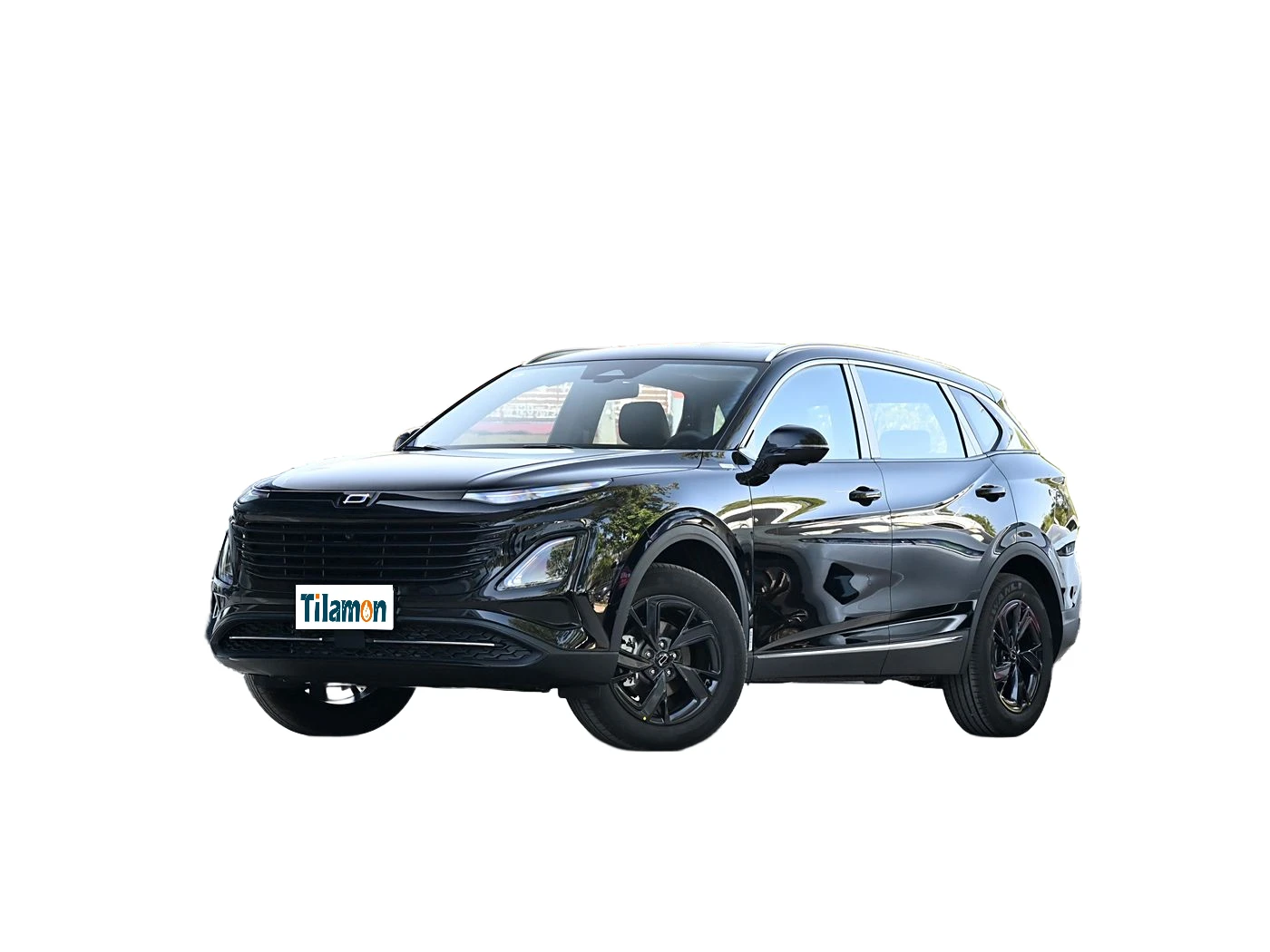
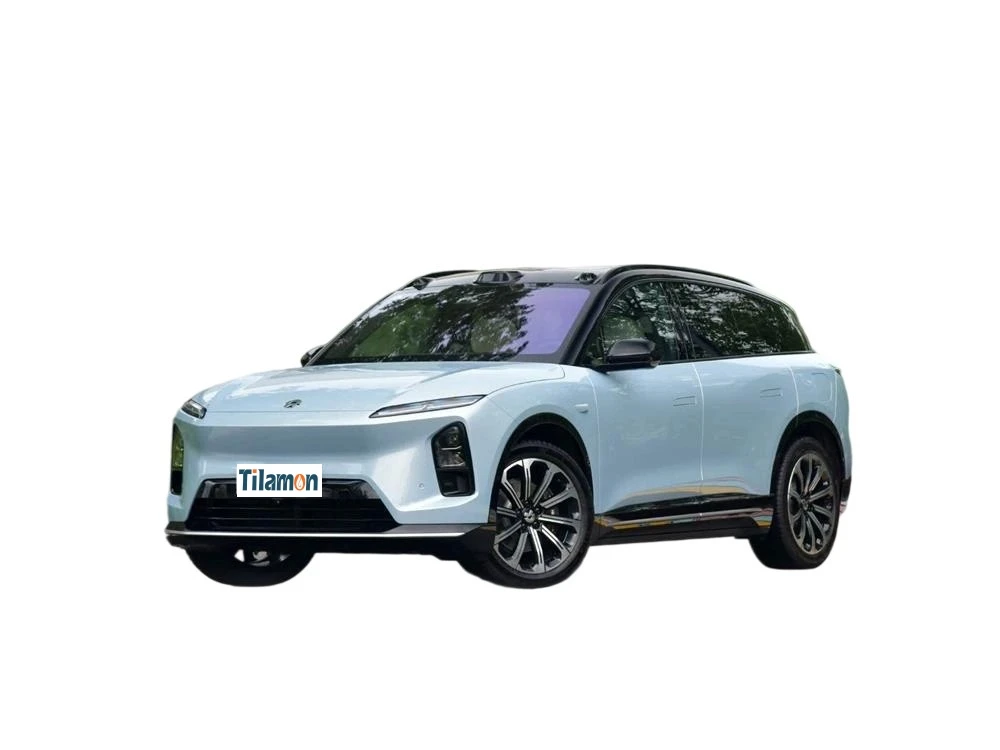
Evolution of Automotive Manufacturing

From internal combustion to the era of 2 nd hand cars with digital battery passports.

Market Development History

Between 2010 and 2015, the Norwegian market focused on early hybrid adoption and the first wave of BEVs, primarily driven by tax exemptions. Manufacturing was centered on traditional combustion platforms adapted for electrification.

From 2016 to 2021, the industry shifted toward dedicated EV platforms. This era saw the arrival of the first new chinese ev brands, introducing LFP battery technology that offered better stability and life cycles than traditional NMC cells.

Since 2022, the focus has evolved into "Software Defined Vehicles." The integration of AI and OTA (Over-the-Air) updates has transformed how vehicles are maintained, significantly increasing the residual value of a secondhand vehicle.

Future Development Trends

Solid-State Battery Integration

The next 3 years will see a transition toward semi-solid state batteries, drastically reducing charging times and increasing range during Norwegian winters.

Circular Economy Ecosystems

Focus is shifting toward the "Second Life" of batteries, where 2 nd hand cars will be supported by standardized battery recycling and repurposing protocols.

Autonomous Urban Hubs

Search trends indicate a surge in interest for Level 3 autonomy tailored for Oslo's urban planning, focusing on safe, autonomous commuting in snowy conditions.

Future Outlook of New Energy Mobility

Predicting the trajectory of the automotive industry in the Nordic region.

Ultra-Fast Charging Infrastructure
Implementing 400kW+ charging stations across the E6 highway to eliminate range anxiety during winter travel.
Smart Battery Diagnostics
AI-driven health monitoring for every new energy ev to optimize battery lifespan.
Vehicle-to-Grid (V2G)
Integrating vehicles into the Norwegian power grid to stabilize energy loads during peak winter demand.
Sustainable Material Sourcing
Adopting bio-based interiors and cobalt-free batteries to meet EU environmental regulations.

Industry Outlook

The Norwegian market is evolving from a "transition phase" to a "mature EV phase." We predict that by 2027, the demand for a high-quality secondhand vehicle with certified battery health will exceed the demand for new entries, creating a circular automotive economy.

Google search trends indicate an increasing interest in "Chinese EV reliability in snow," suggesting that the next competitive advantage will be focused on Arctic-grade thermal hardware rather than just software features.

Localized Applications in Norway

Real-world scenarios where new energy vehicle technology meets Nordic life.

01. Arctic Commuting and Winter Range

Deploying new chinese ev models equipped with high-efficiency heat pumps to maintain optimal range during -20°C temperatures in Tromsø.

02. Sustainable Tourism in the Fjords

Utilizing zero-emission fleets for tourism operators in Geiranger, ensuring the preservation of UNESCO World Heritage sites through silent, pollution-free transport.

03. Urban Logistics in Oslo

Transitioning last-mile delivery fleets to compact new energy ev vans to comply with the city's strict zero-emission zone mandates.

04. Rural Accessibility and 4WD Performance

Applying advanced dual-motor AWD systems in electric SUVs to ensure safe navigation through snow-covered mountain passes in the Hardangervidda plateau.

05. Certified Pre-owned Mobility

Establishing a transparent trading platform for 2 nd hand cars, providing buyers with full telemetry reports on battery degradation and charging history.

Brand Story

Global Development Journey of Shijiazhuang Zhenming Chemical Co., Ltd.

Industrial Foundation

Founded with a commitment to chemical excellence, we began by solving core material purity issues for industrial manufacturing.

Strategic Pivot to New Energy

Recognizing the shift toward sustainability, we pivoted our R&D to support the electrolytes and materials used in new energy vehicle batteries.

European Market Expansion

We expanded our footprint into Europe, specifically targeting Norway's advanced infrastructure to test our highest-grade automotive solutions.

Innovation in Battery Life

We solved the "Cold Weather Degradation" pain point, enhancing the stability of cells used in the latest new chinese ev exports.

Vision for a Circular Future

Our mission is now focused on the full lifecycle of mobility, from raw material synthesis to the certification of secondhand vehicle components.

Norway EV Market FAQ

Expert answers regarding the adoption and maintenance of electric vehicles in Norway.

How does a new chinese ev perform in Norwegian winter?

Modern Chinese EVs are now equipped with advanced heat pumps and battery pre-conditioning systems specifically tuned for Nordic climates to minimize range loss.

What should I check when buying a secondhand vehicle in Norway?

Prioritize a SOH (State of Health) battery report and verify the charging history to ensure the cells haven't been overstressed by extreme fast-charging.

Are new energy ev models compatible with Norwegian charging standards?

Yes, all imported models comply with the CCS2 standard, ensuring seamless compatibility with the nationwide public charging network.

What is the expected lifespan of 2 nd hand cars in the EV sector?

With proper maintenance and software updates, most LFP-based electric vehicles can maintain over 80% capacity for 10-15 years.

Which new energy vehicle features are most useful for Nordic drivers?

Heated steering wheels, high-capacity heat pumps, and advanced AWD systems are critical for safety and comfort in Norway.

How do I maintain the value of my electric car for future resale?

Avoid frequent 100% charges, use slow charging when possible, and keep all OTA software updates current to ensure the car remains competitive.

Connect With Our Experts

Ready to transition to sustainable mobility? Contact our specialized team in Norway for a personalized consultation.

Contact Us Now

If you are interested in our products, you can choose to leave your information here, and we will be in touch with you shortly.