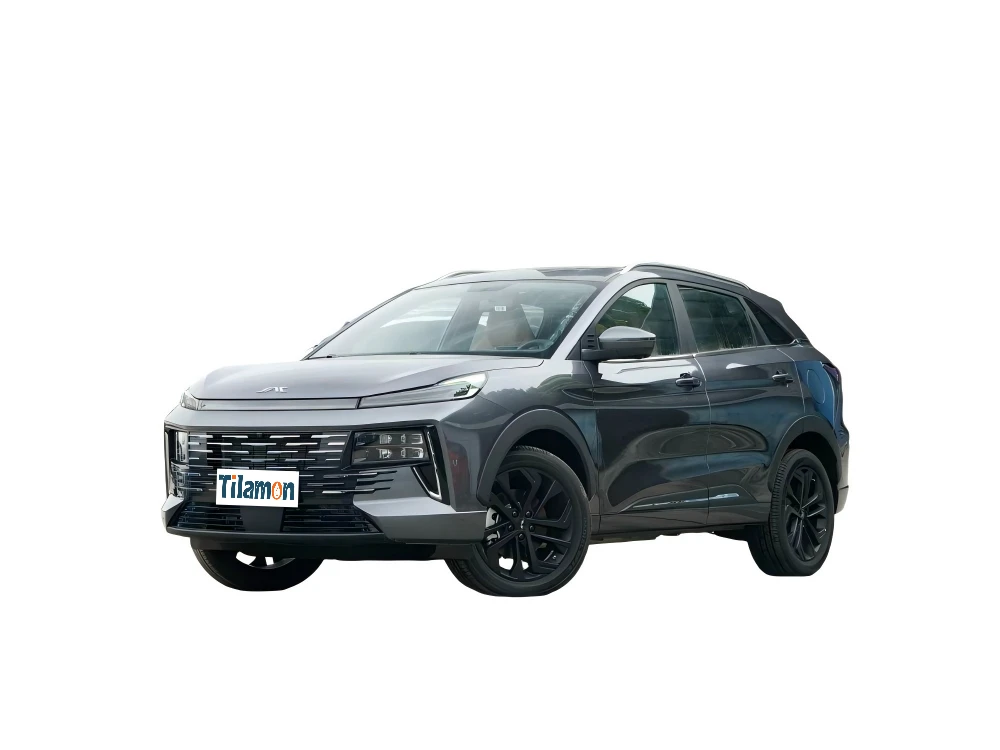
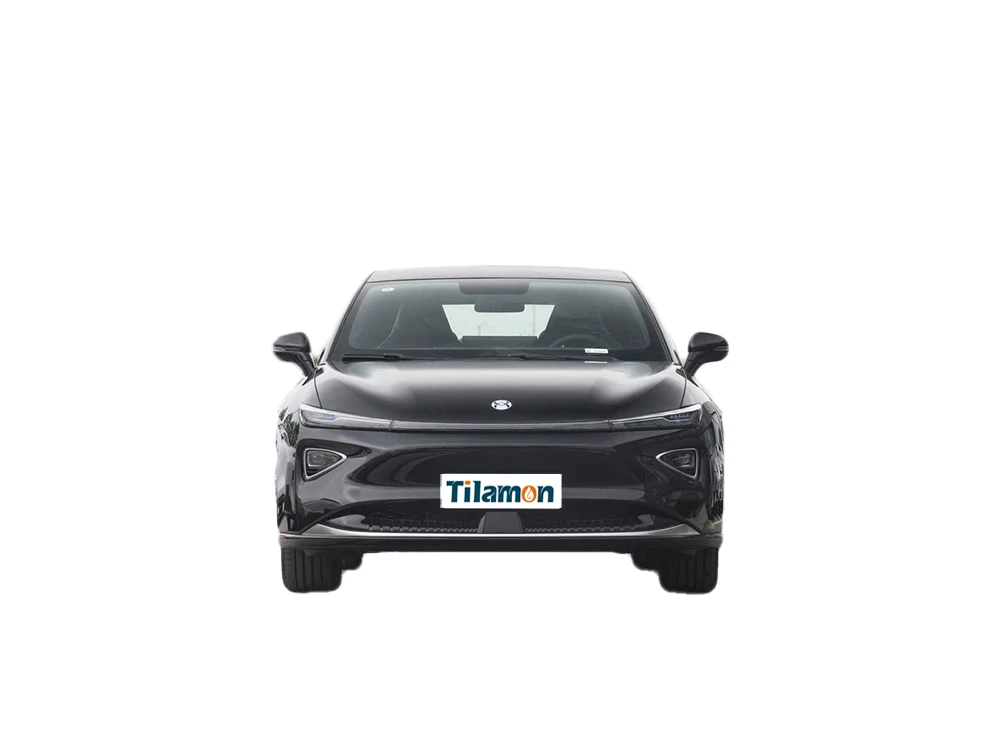
Sustainable Urban Mobility with new energy vehicle Solutions in Singapore

Driving the future of Singapore's Green Plan 2030 through high-performance automotive engineering and sustainable transport ecosystems.

Sustainable Urban Mobility with new energy vehicle Solutions in Singapore

Integrating advanced manufacturing and smart energy solutions to redefine the automotive landscape of Asia's primary financial hub.

The Current Landscape of Singapore's Automotive Transition

Analyzing the shift toward electrification in a land-scarce, high-density urban environment.

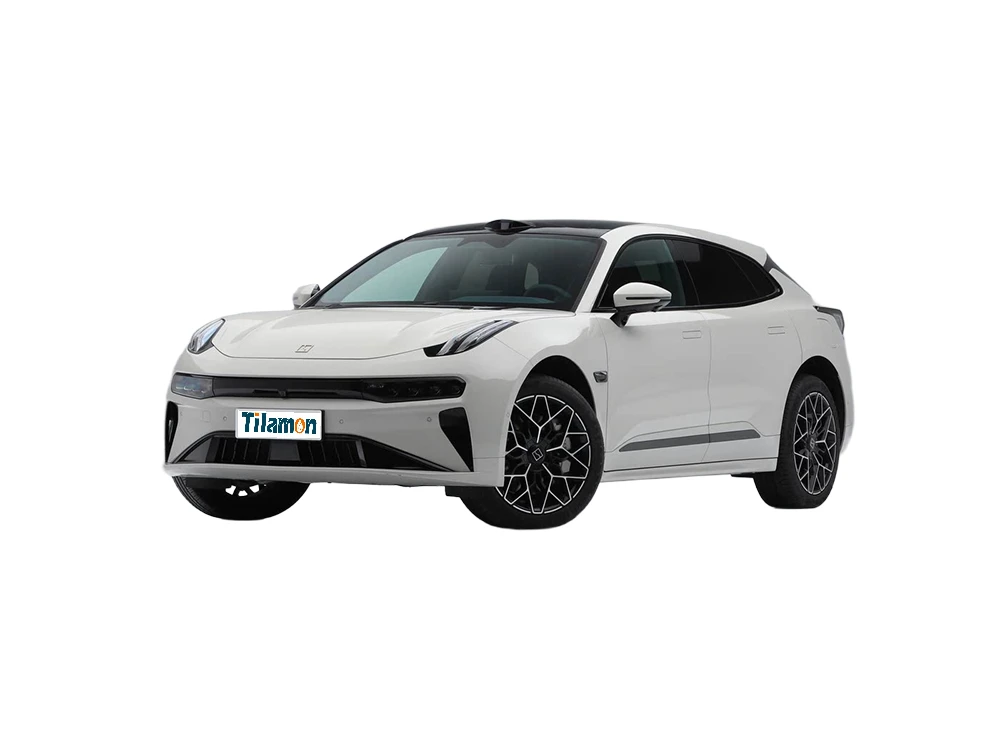
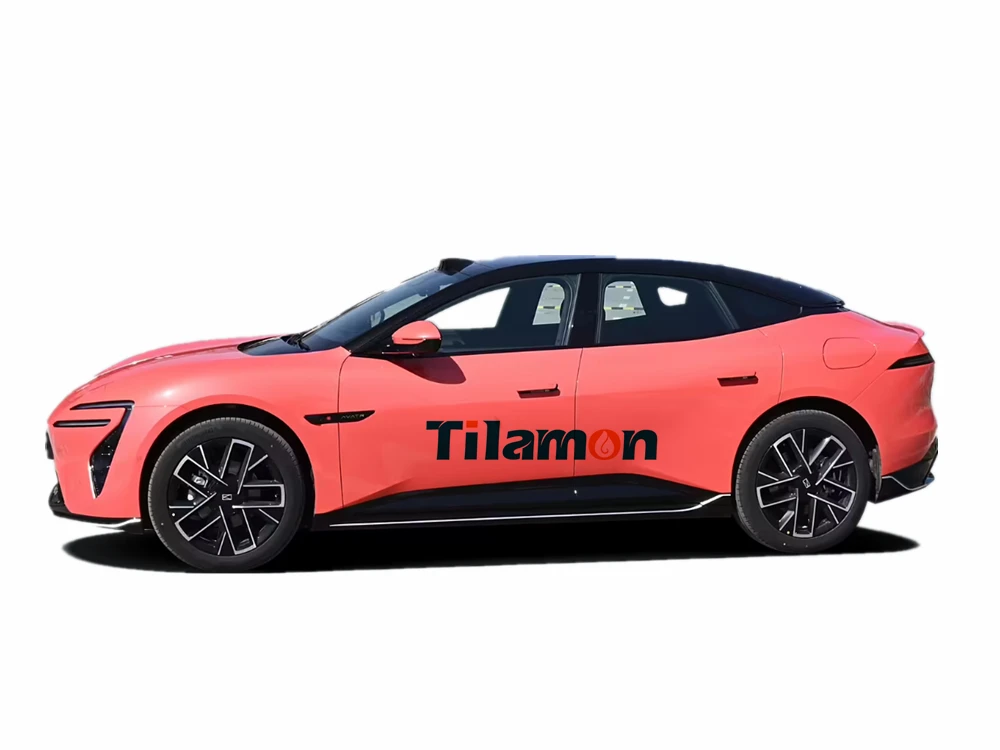
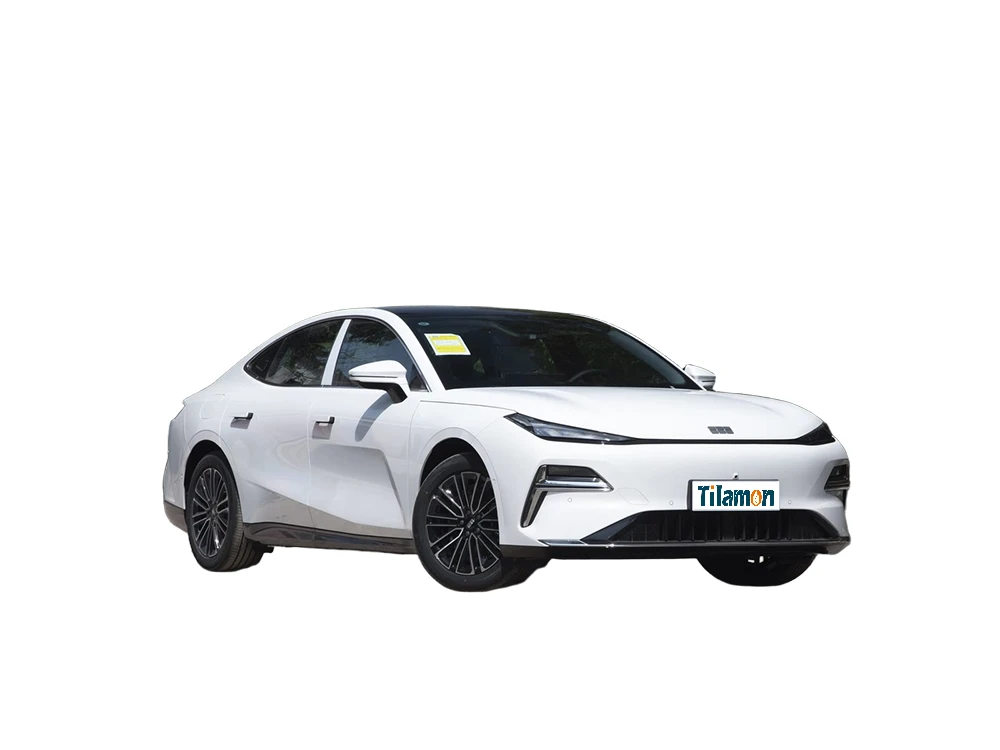
Singapore's automotive sector is currently undergoing a radical transformation driven by the government's commitment to phase out internal combustion engine (ICE) vehicles. The market for new chinese ev models has surged due to their competitive integration of smart cockpit technology and battery efficiency, which align perfectly with Singapore's smart-city infrastructure.

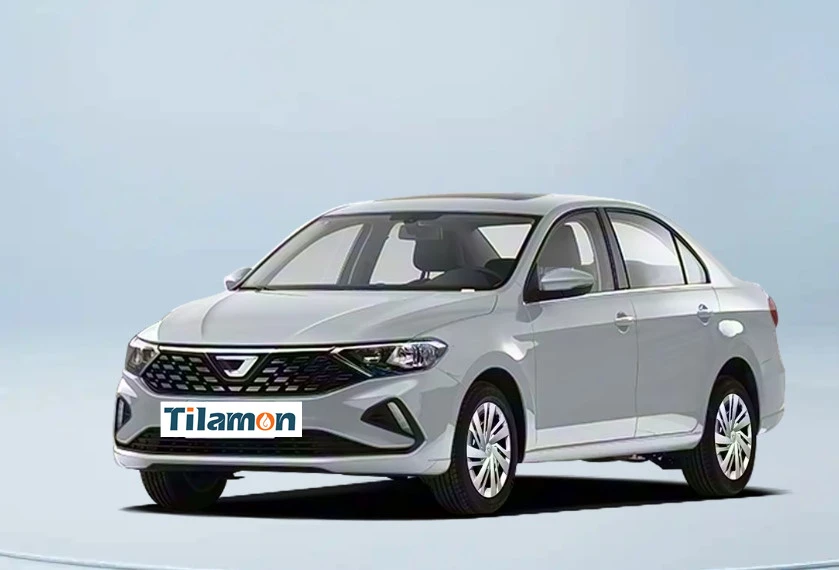
Due to the high cost of the Certificate of Entitlement (COE), there is a significant and growing demand for secondhand vehicle options that offer modern efficiency without the premium price tag of a brand-new luxury unit. This creates a unique circular economy within the local automotive manufacturing and distribution chain.

The tropical climate of Singapore presents specific challenges for battery thermal management. Consequently, the focus has shifted toward new energy ev platforms that utilize advanced liquid cooling systems to maintain performance during high-humidity summer months, ensuring reliability for daily commuters.
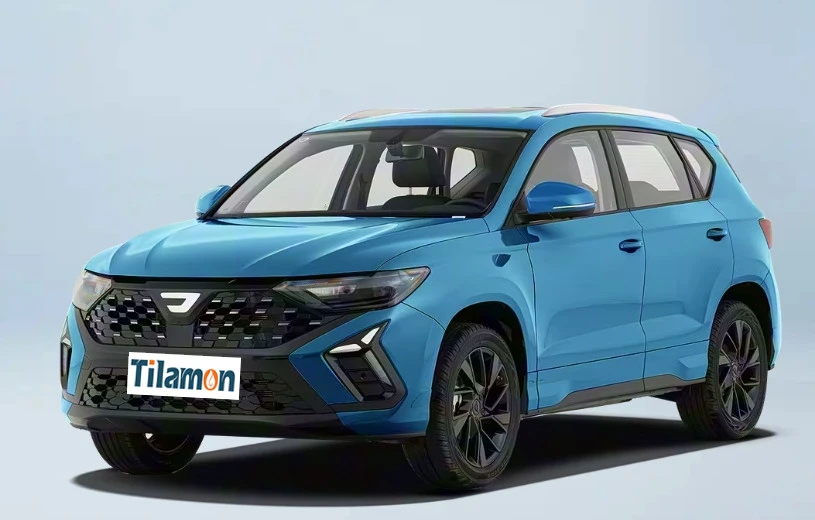
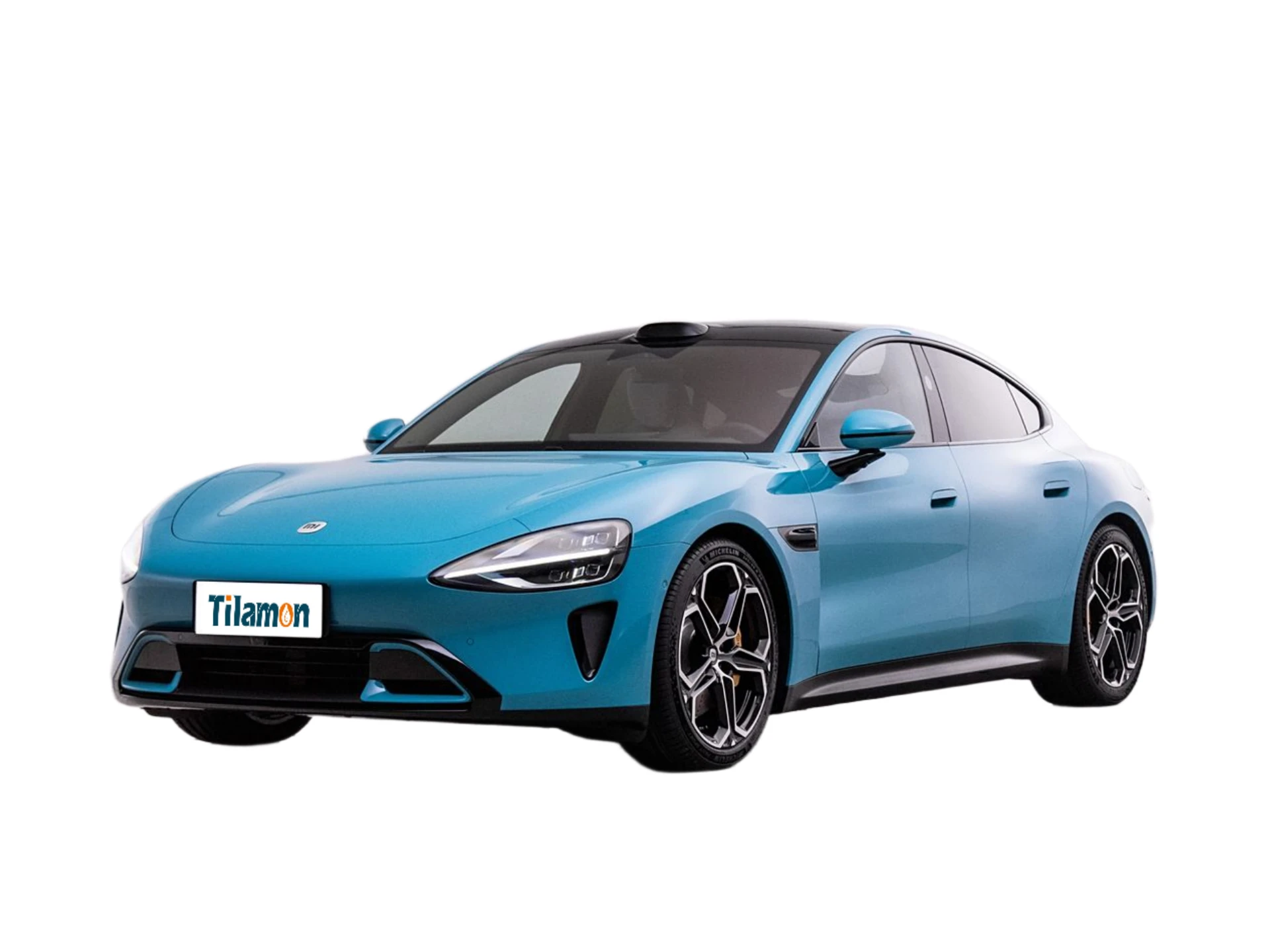
Evolution and Trajectory of Automotive Manufacturing

From traditional combustion engines to the era of intelligent electrification.

Market Development History

In the early 2000s, Singapore's market was dominated by traditional Japanese ICE vehicles, focusing on reliability and fuel economy. However, by 2015, the introduction of early hybrid technologies began to shift consumer behavior toward lower emissions.

Between 2018 and 2022, the "Electric Vehicle Early Adoption Incentive" accelerated the arrival of the new energy vehicle segment. This period saw the transition from niche environmental choices to mainstream luxury and commercial adoption.

Currently, the market is entering a "Smart-Integration" phase where the focus is not just on the powertrain, but on V2X (Vehicle-to-Everything) communication, making the car an extension of the digital home and office.

Future Development Trends

Solid-State Battery Integration

Within the next 3-5 years, we expect a shift toward solid-state batteries to increase range and safety, reducing charging times for urban users.

Autonomous Fleet Management

The rise of Robotaxis in Singapore will drive the demand for specialized 2 nd hand cars that are optimized for autonomous fleet conversion rather than private ownership.

Circular Battery Economy

Google search trends indicate a rising interest in "EV battery recycling," suggesting that future manufacturing will prioritize "Design for Disassembly" to reclaim rare earth metals.

Future Trends and Strategic Outlook

Predicting the next wave of automotive innovation for the Singaporean market.

AI-Driven Energy Management
Implementing predictive AI to optimize battery consumption based on real-time Singapore traffic patterns.
Ultra-Fast Charging Networks
Transitioning to 350kW+ charging stations to reduce downtime in dense residential HDB hubs.
Sustainable Material Sourcing
Using bio-based plastics and recycled aluminum to reduce the manufacturing carbon footprint.
Modular Chassis Design
Developing "Skateboard" platforms that allow rapid swapping of battery and body types.

Industry Outlook

The convergence of 5G connectivity and automotive manufacturing will turn the new energy ev into a mobile IoT device. We predict that "Software-Defined Vehicles" (SDV) will dominate the Singapore market, where hardware is standardized but features are unlocked via subscriptions.

Furthermore, the secondary market for 2 nd hand cars will evolve into a certified "Battery-Health" ecosystem, where transparent diagnostic data determines the resale value, eliminating the risk traditionally associated with used EVs.

Localized Application Scenarios in Singapore

Real-world implementations of advanced automotive technology in the Lion City.

01. High-Density Residential Charging Hubs

Implementing smart-load balancing chargers in HDB carparks to ensure hundreds of vehicles can charge overnight without overloading the local power grid.

02. Luxury Urban Commuting

Deploying premium new chinese ev models for business professionals in the Central Business District (CBD), emphasizing silent operation and autonomous parking.

03. Last-Mile Logistics Electrification

Converting traditional delivery vans into compact energy vehicles to navigate narrow shophouse streets while maintaining zero emissions.

04. Government Fleet Modernization

Replacing official state vehicles with high-efficiency electric platforms to set a benchmark for national sustainability goals.

05. Certified Pre-Owned EV Ecosystems

Establishing a transparent trade-in network for secondhand vehicle buyers, utilizing blockchain to verify battery cycle counts and health.

Brand Story

Global Development Journey of Shijiazhuang Zhenming Chemical Co., Ltd.

Foundation and Core Chemistry

Started with a mission to provide high-purity chemical components essential for advanced industrial coatings and battery electrolytes.

Industrial Scaling

Expanded manufacturing capabilities to support the global surge in new energy vehicle components, ensuring automotive-grade quality standards.

Global Market Entry

Established strategic partnerships across Asia and Europe to supply critical materials for high-performance EV chassis and battery cells.

Innovation in Sustainability

Pioneered eco-friendly chemical processes to reduce toxicity in automotive manufacturing, aligning with global ESG mandates.

Vision for the Future

Commitment to leading the transition toward a carbon-neutral transport world through chemical innovation and manufacturing excellence.

Comprehensive Product Portfolio for the Singapore Market

A curated selection of high-efficiency energy vehicles tailored for urban Asian environments.

Singapore EV Market FAQs

Expert answers to common questions regarding new energy vehicles in Singapore.

What are the advantages of buying a new chinese ev in Singapore?

Chinese EVs offer state-of-the-art smart technology, high battery density, and competitive pricing, which is ideal for Singapore's tech-savvy population and urban driving distances.

How does the COE affect the price of a new energy vehicle?

The COE remains a major cost component; however, government incentives for EVs help offset some of these costs compared to traditional combustion vehicles.

Is it safe to purchase a secondhand vehicle that is electric?

Yes, provided you obtain a professional battery health report. Checking the state-of-health (SOH) of the battery is crucial when buying a used EV.

Where can I charge my new energy ev in Singapore?

Charging is available at public charging points in HDB carparks, shopping malls, and dedicated fast-charging stations across the island.

What is the expected lifespan of 2 nd hand cars with electric powertrains?

Most modern EV batteries are designed to last 8-10 years or more before significant degradation, making used EVs a viable long-term investment.

Are there specific maintenance needs for a new energy vehicle in tropical climates?

The primary focus is on cooling system maintenance to ensure the battery remains at an optimal temperature despite Singapore's high heat and humidity.

Ready to Transition to Electric?

Contact our specialist team today to find the perfect sustainable automotive solution for your needs in Singapore.

Contact Us Now

If you are interested in our products, you can choose to leave your information here, and we will be in touch with you shortly.