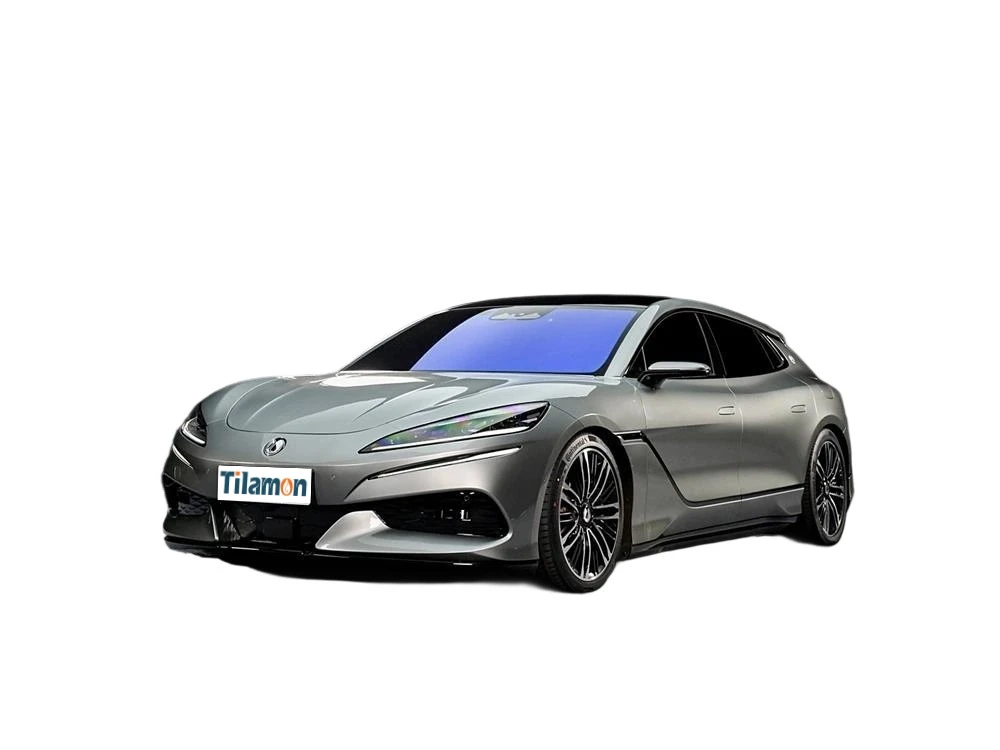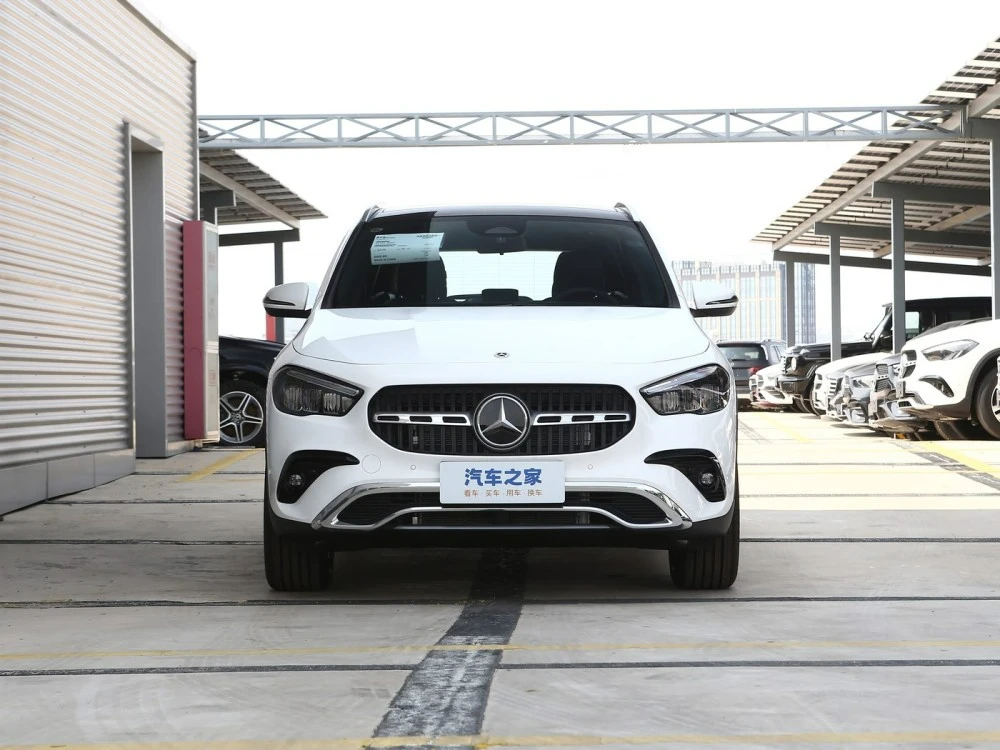
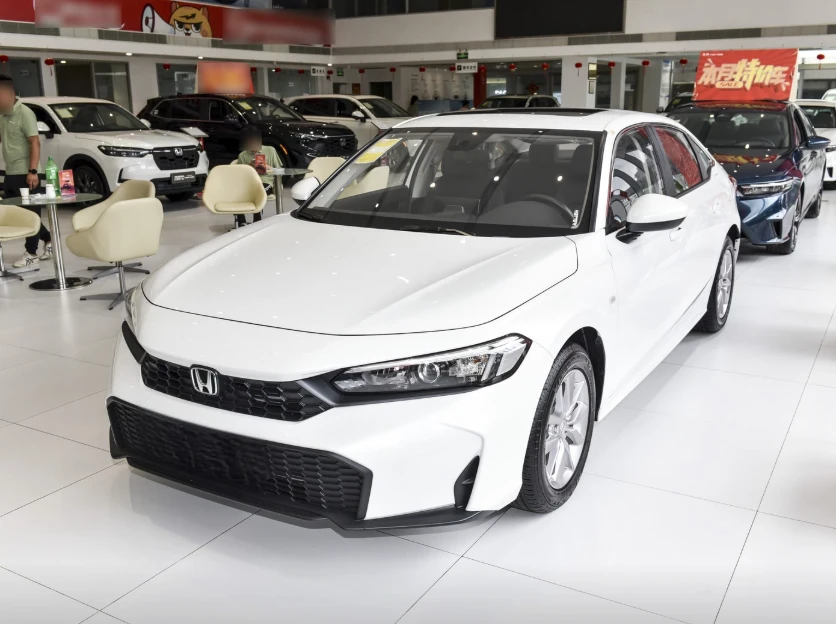
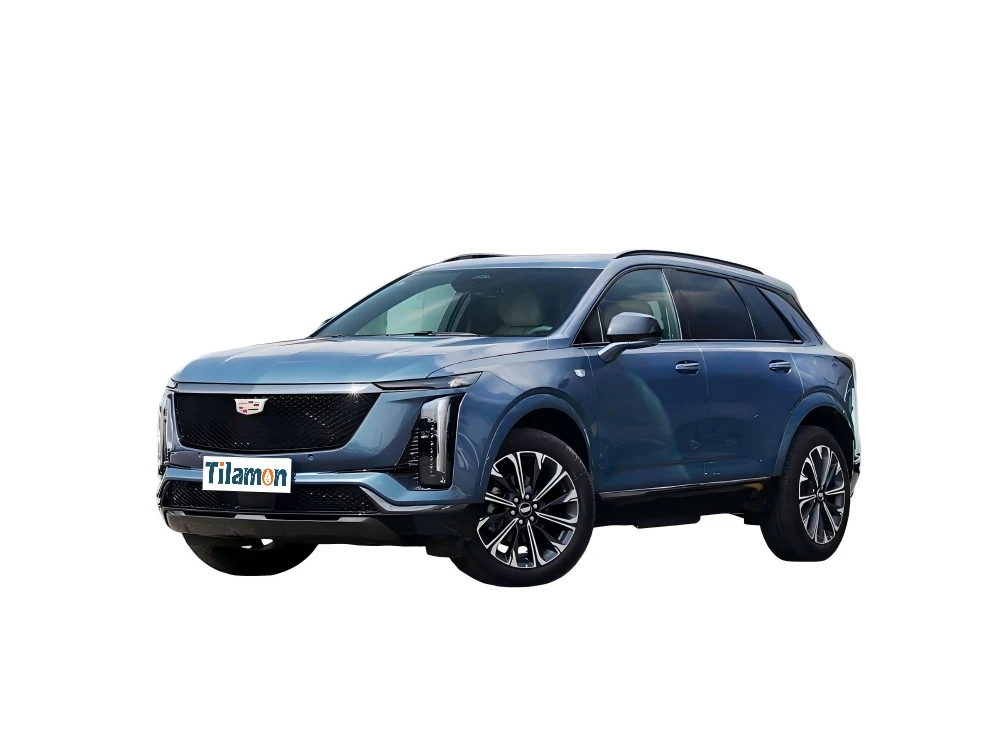
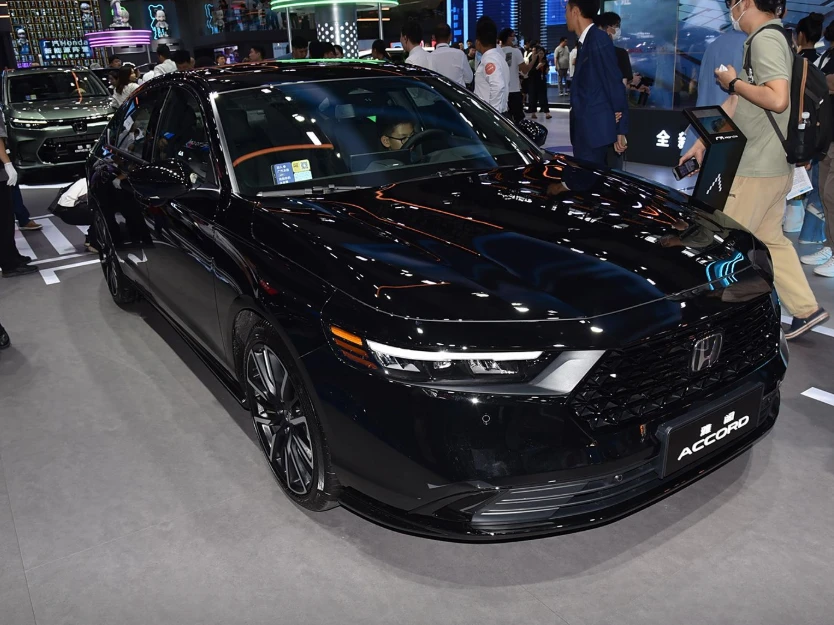
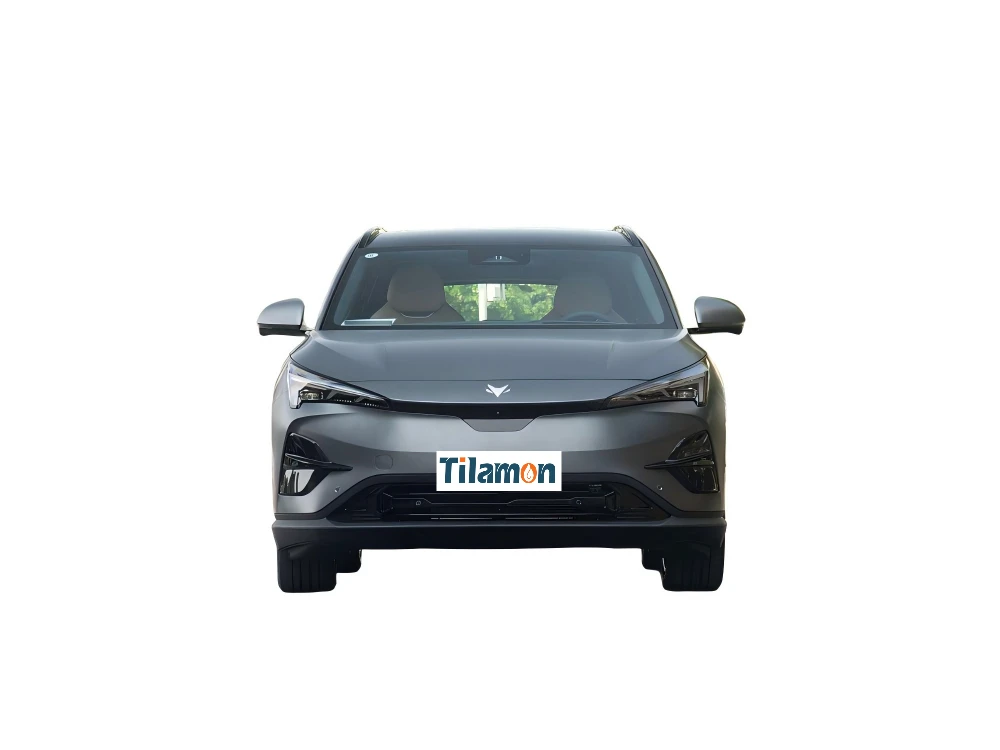
Premium new energy vehicle Solutions for the Netherlands

Driving the Dutch transition to sustainable mobility with cutting-edge automotive manufacturing and high-efficiency electric transport.

Premium new energy vehicle Solutions for the Netherlands

Integrating advanced Chinese manufacturing precision with the Netherlands' strict emission standards to deliver next-generation mobility.

The Current Landscape of Dutch E-Mobility

Analyzing the intersection of high urban density and green energy adoption in the Netherlands.

The Netherlands is currently one of Europe's most aggressive adopters of electric transport. With a dense network of charging stations and a government mandate to phase out combustion engines, the demand for a new energy ev has surged, particularly in metropolitan hubs like Amsterdam and Rotterdam.

Economically, the Dutch market is shifting toward a circular economy. This has led to a significant increase in the valuation of secondhand vehicle markets, where battery health certification is becoming the primary driver of resale value.

Furthermore, the entry of the new chinese ev sector has disrupted the local market by offering high-tech software integration and superior battery range at competitive price points, challenging traditional European automotive hegemony.
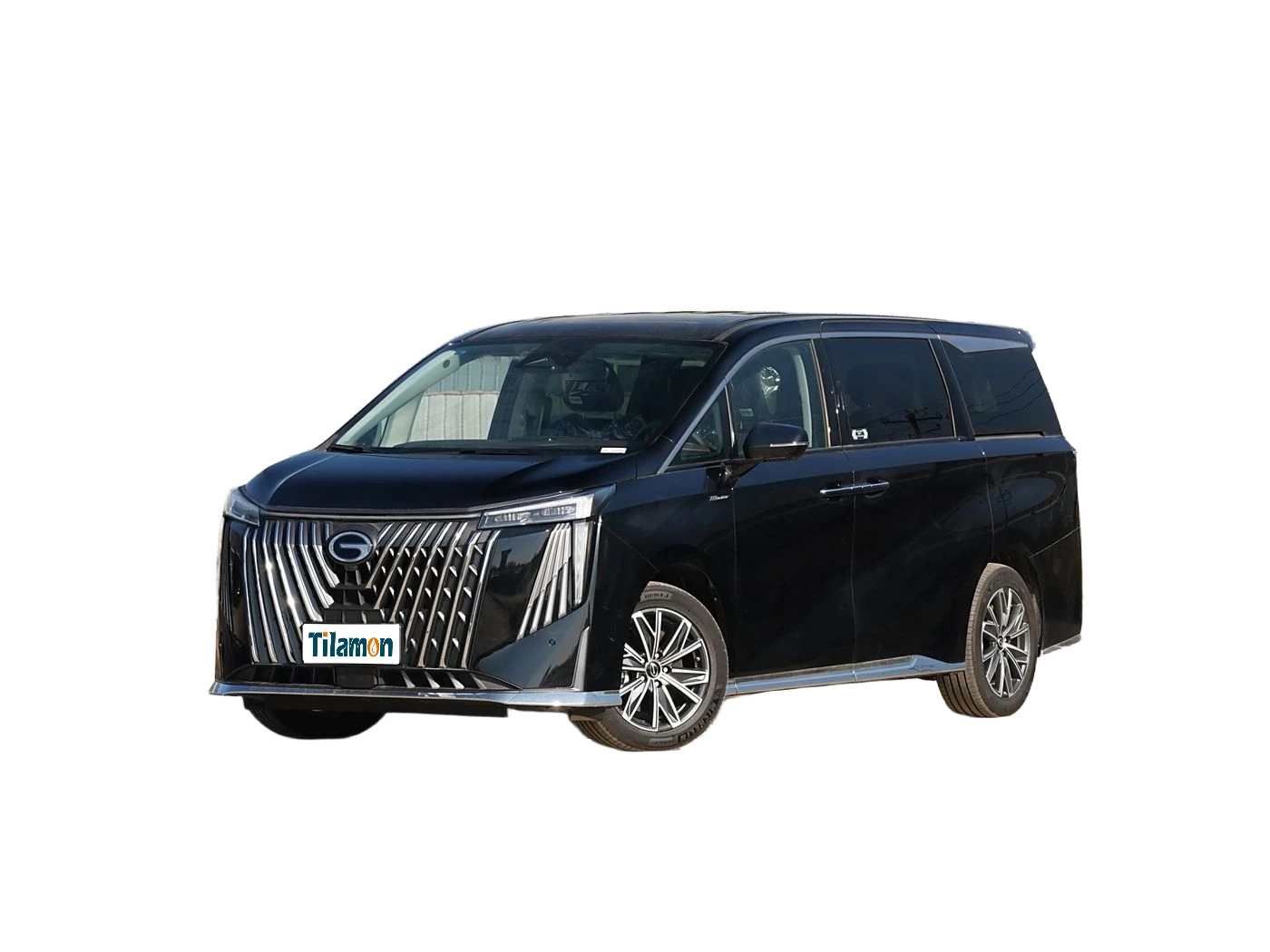
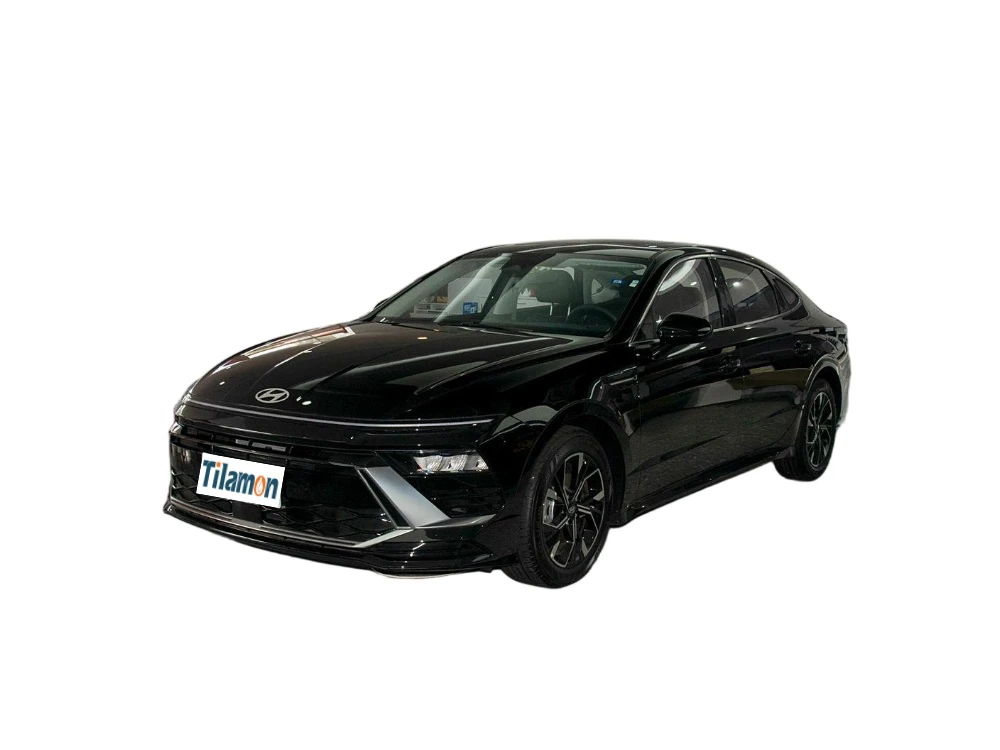
Evolution of Automotive Manufacturing in the Lowlands

From internal combustion dominance to the era of intelligent electrification.

Market Development History

From 2010 to 2015, the Dutch market was dominated by traditional ICE vehicles with early hybrid adoption. The focus was primarily on fuel efficiency and reducing CO2 emissions through marginal mechanical improvements.

Between 2016 and 2021, the "Electric Pivot" occurred. The infrastructure for the new energy vehicle expanded rapidly, supported by tax incentives (BPM and MRB exemptions) that made EVs financially viable for the middle class.

Since 2022, the focus has shifted toward "Intelligent Mobility." The integration of AI-driven battery management and the rise of 2 nd hand cars with certified battery life have stabilized the long-term ownership model.

Future Development Trends

V2G (Vehicle-to-Grid) Integration

Predicting a surge in bidirectional charging where EVs act as mobile energy storage units for the Dutch power grid during peak hours.

Solid-State Battery Adoption

A transition from liquid electrolytes to solid-state technology to increase safety and reduce charging times to under 10 minutes.

Circular Manufacturing Lifecycle

A shift toward 100% recyclable vehicle components, reducing the environmental footprint of the manufacturing process.

Future Projections for Sustainable Transport

Strategic outlook on the convergence of AI, Energy, and Automotive Engineering.

Autonomous Integration
Implementing Level 4 autonomy tailored for the complex urban layouts of Dutch cities.
Smart Grid Synergy
Seamless connection between vehicle batteries and wind-energy based power grids.
Battery Life Extension
Advanced chemical stabilization to ensure 20+ year lifespans for commercial fleets.
Zero-Emission Logistics
Transitioning all urban delivery systems to lightweight electric chassis.

Industry Outlook

Based on Google Search trends in the Benelux region, there is a marked increase in queries regarding "battery health certificates" and "EV resale value," indicating a maturing market where the secondhand vehicle economy is becoming as vital as the new car market.

Within the next 5 years, we expect the total cost of ownership (TCO) for electric vehicles to drop below that of diesel equivalents across all segments, fueled by advancements in manufacturing efficiency and energy density.

Localized Implementation in the Netherlands

Tailored automotive solutions for the unique Dutch geography and infrastructure.

01. Amsterdam Urban Commuting

Compact new energy ev models designed for narrow streets and integrated with city-wide smart parking systems.

02. Rotterdam Port Logistics

Heavy-duty electric chassis for short-haul port transport, reducing noise and nitrogen pollution in industrial zones.

03. Utrecht Corporate Fleets

Sustainable leasing programs utilizing new energy vehicle technology to meet corporate ESG mandates.

04. Rural Gelderland Transport

Long-range electric SUVs capable of handling varied terrains with integrated fast-charging capabilities for long-distance travel.

05. Nationwide Secondary Markets

Implementing a standardized grading system for 2 nd hand cars to ensure transparent battery degradation data for buyers.

Brand Story

Global Development History of Shijiazhuang Zhenming Chemical Co., Ltd.

Foundational Excellence

Established with a focus on high-purity material science, providing the chemical building blocks for advanced automotive coatings.

Material Innovation

Developing specialized polymers that reduce vehicle weight and increase energy efficiency in electric powertrains.

Global Expansion

Expanding operations into the European market to support the rapid growth of sustainable manufacturing in the Netherlands.

Sustainable Synergy

Partnering with EV manufacturers to create a closed-loop recycling system for battery chemicals.

Vision 2030

Aiming to be the primary supplier of eco-friendly materials for the global electric vehicle manufacturing chain.

Comprehensive EV Product Portfolio for the Netherlands

From luxury electric sedans to sustainable urban mobility solutions.

Netherlands EV Frequently Asked Questions

Expert answers to the most common queries regarding new energy transport.

How do I verify the battery health of a secondhand vehicle in the Netherlands?

We recommend a State of Health (SOH) diagnostic report. Professional certifications ensure that the battery retains at least 80% of its original capacity.

Are new chinese ev models compatible with Dutch charging infrastructure?

Yes, all modern imports adhere to the Type 2 and CCS2 European standards, ensuring full compatibility with public charging networks.

What are the tax advantages of buying a new energy ev in 2024?

Depending on the vehicle price and energy rating, buyers may still benefit from significant reductions in BPM and road tax (MRB).

How does the range of a new energy vehicle perform in Dutch winters?

While range typically drops by 15-25% in cold weather, our vehicles feature advanced heat pumps to maintain efficiency.

What is the typical lifespan of 2 nd hand cars with lithium batteries?

With proper maintenance and charging cycles, most batteries are designed to last 150,000 to 200,000 km before hitting 80% capacity.

Where can I find certified maintenance for a new energy ev in the Netherlands?

Maintenance should be performed at authorized centers specializing in high-voltage systems to ensure safety and warranty validity.

Get in Touch for Sustainable Mobility

Our experts are ready to help you transition to a greener future in the Netherlands.

Contact Us Now

If you are interested in our products, you can choose to leave your information here, and we will be in touch with you shortly.