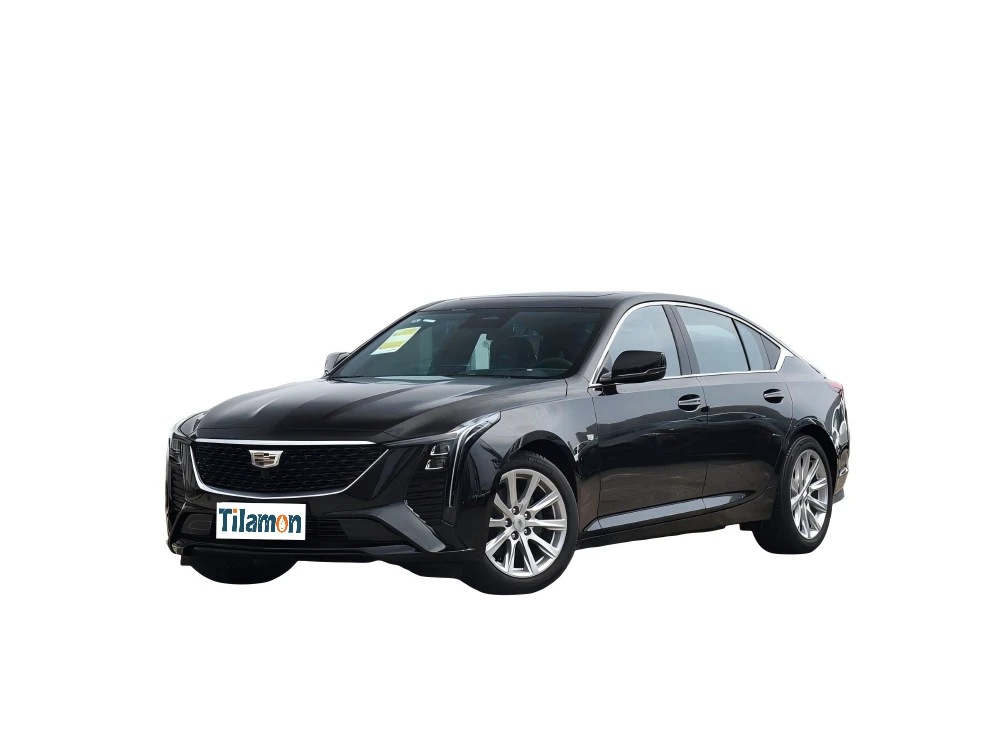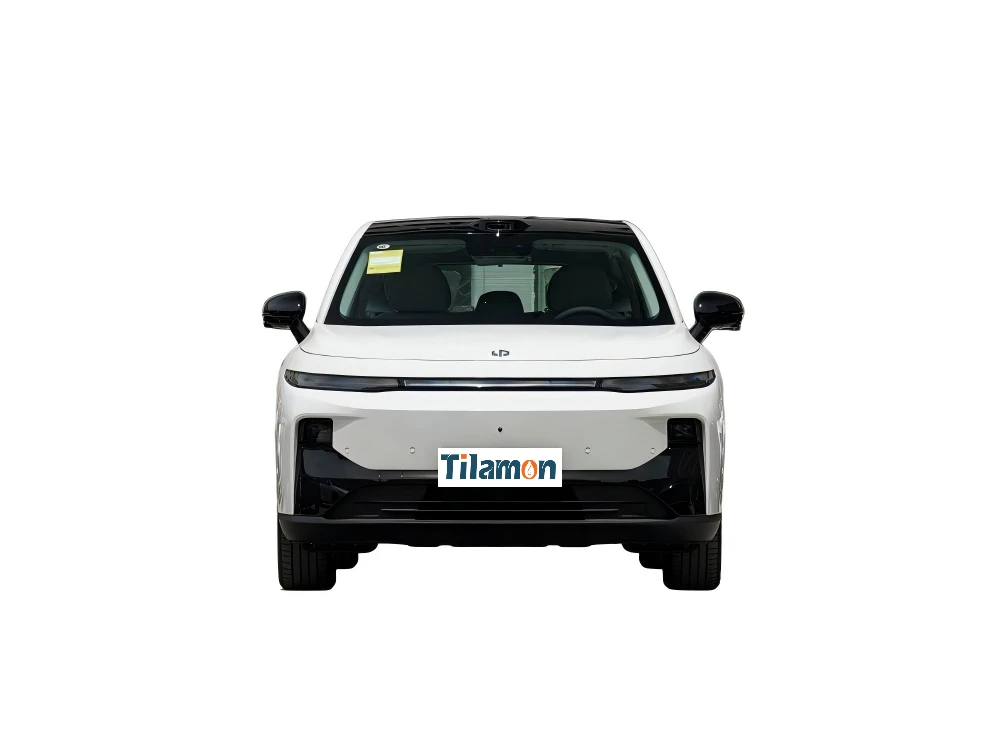
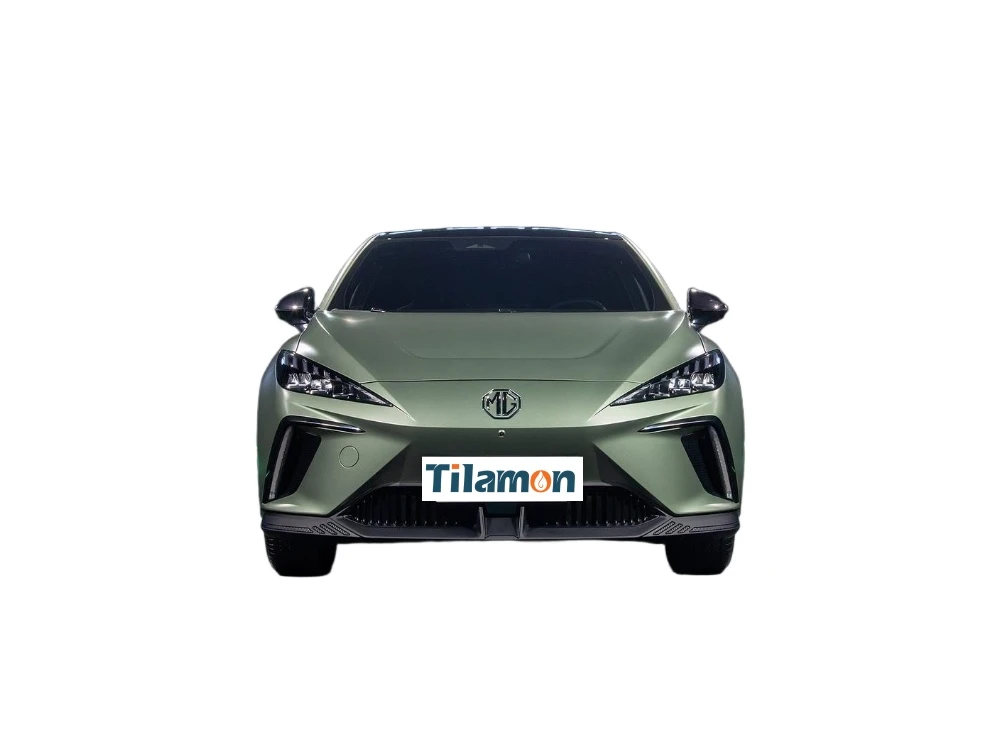
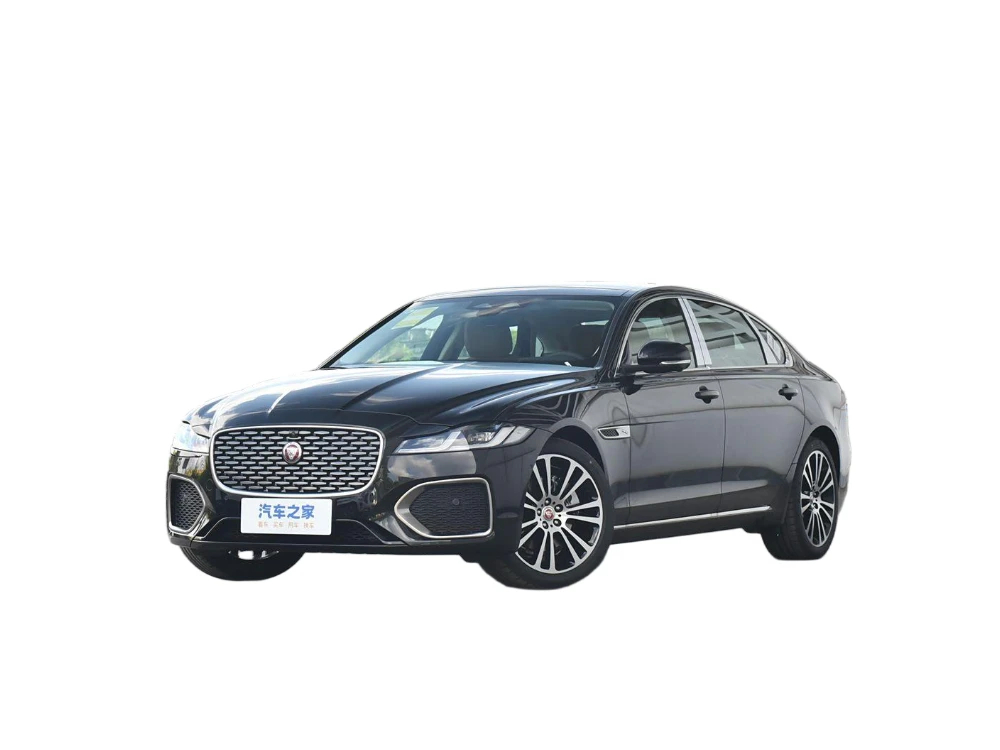
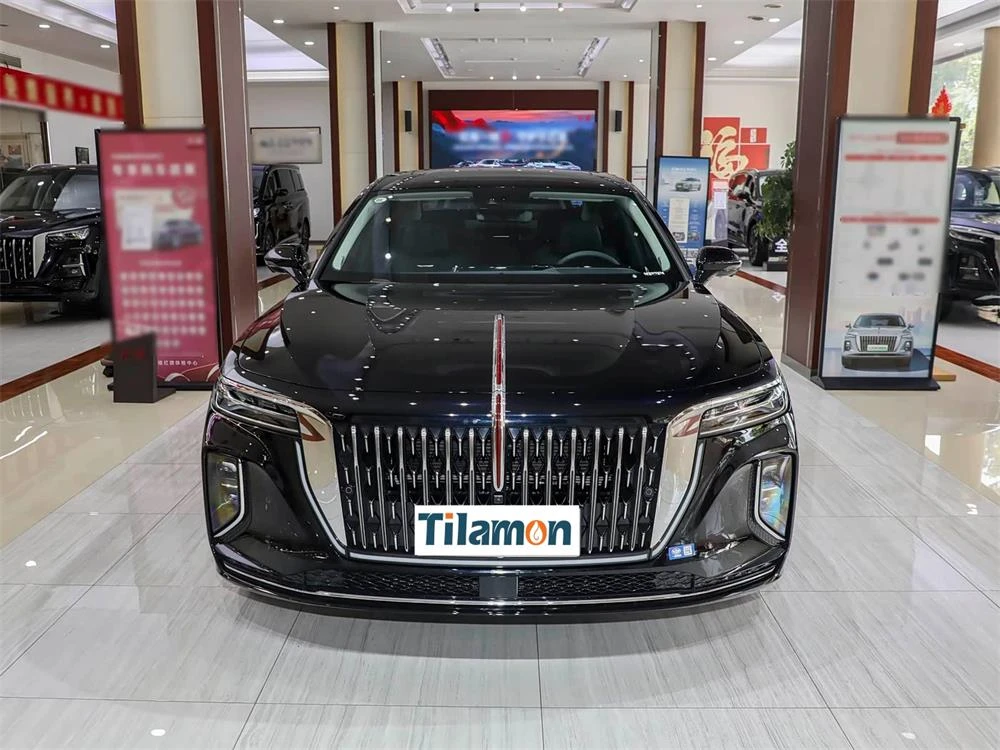
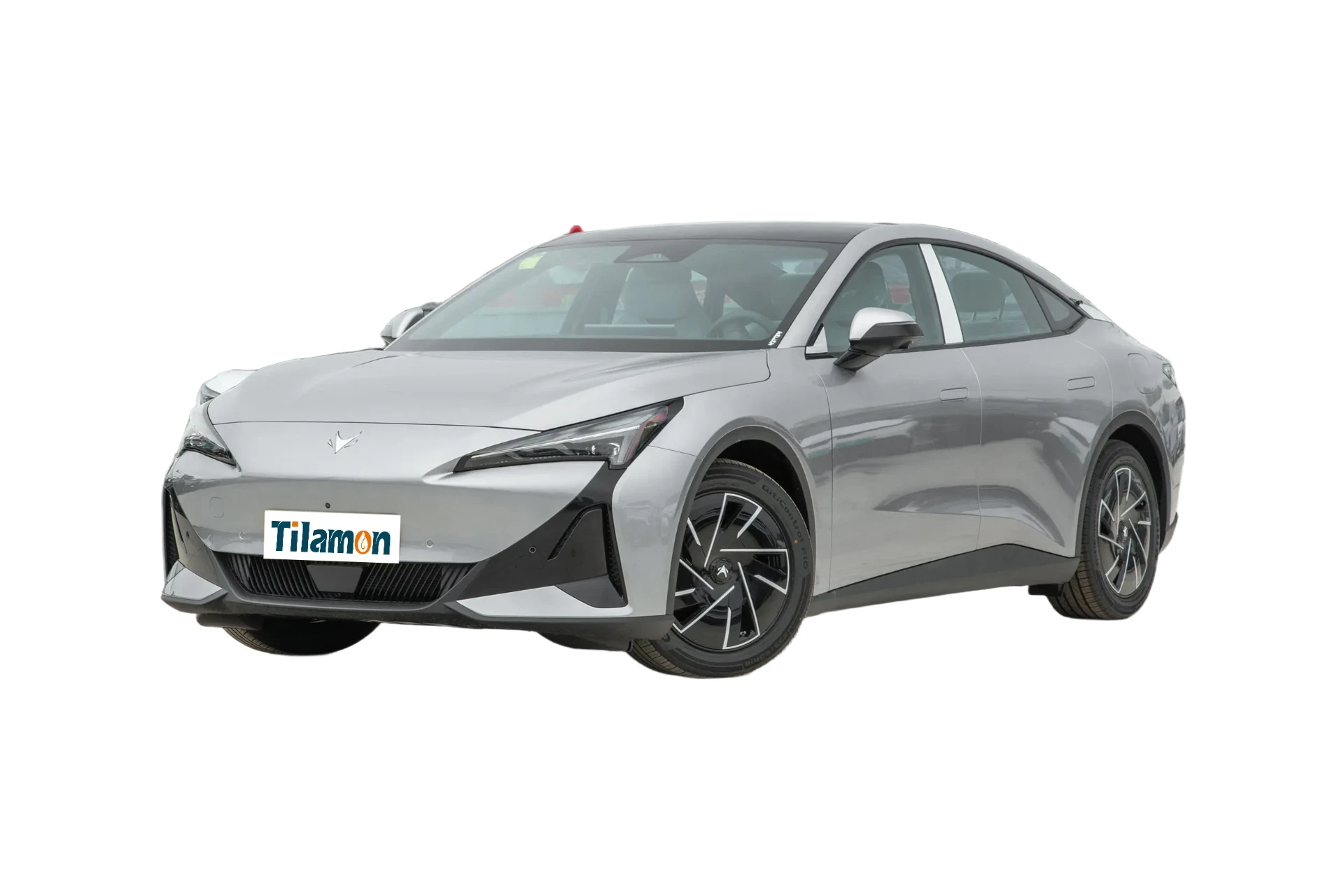
Sustainable Mobility Solutions with new energy vehicle in DRC

Revolutionizing the transport landscape of the Democratic Republic of the Congo through high-performance electric mobility and sustainable automotive manufacturing.

Sustainable Mobility Solutions with new energy vehicle in DRC

Integrating advanced Chinese EV technology with the unique geographical demands of the Democratic Republic of the Congo to provide durable, eco-friendly transportation.

The Current State of Automotive Transit in DRC

Analyzing the shift from traditional combustion to electric efficiency in Central Africa.

The Democratic Republic of the Congo currently faces a unique automotive paradox; while it possesses the world's largest cobalt reserves—essential for battery production—the local market has long been dominated by secondhand vehicle imports. The challenging terrain and humid tropical climate of the Congo Basin demand vehicles with exceptional chassis durability and cooling systems.

Urban centers like Kinshasa and Lubumbashi are experiencing severe traffic congestion and air pollution, creating a critical demand for a new energy ev ecosystem. However, the lack of widespread charging infrastructure has historically slowed the adoption of fully electric platforms in favor of traditional diesel engines.

Currently, there is a surging interest in 2 nd hand cars that offer better fuel efficiency, but the economic tide is shifting. Government initiatives to modernize transport are now opening doors for direct imports of high-efficiency electric platforms that can withstand the region's rigorous operational environment.
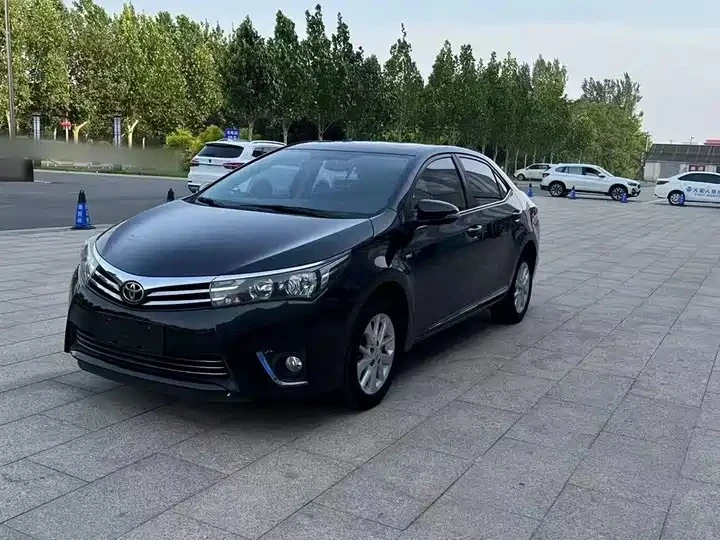
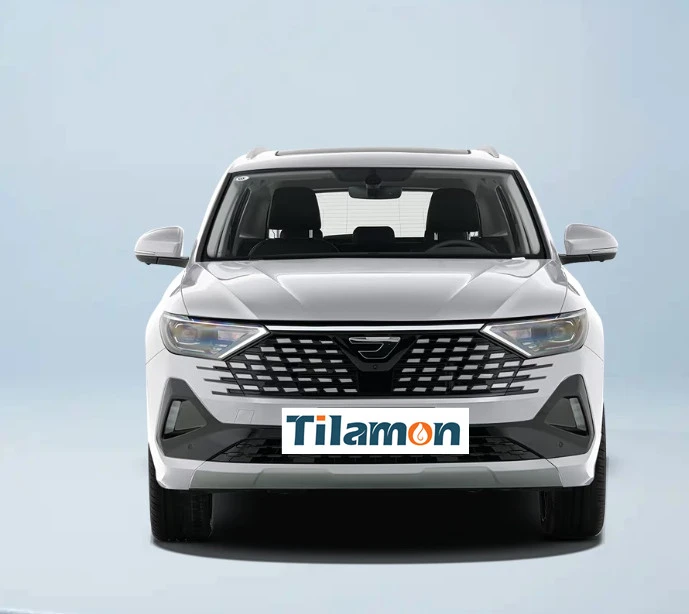
Evolution of Mobility: From Combustion to Electric

Tracking the technological trajectory of automotive manufacturing in the DRC market.

Market Development History

From 2000 to 2015, the DRC market was almost exclusively reliant on aging European and Japanese internal combustion engines, where the longevity of secondhand vehicle stock determined urban mobility.

Between 2016 and 2021, the introduction of more affordable, rugged Chinese combustion vehicles began to challenge the status quo, introducing the region to modern manufacturing standards and integrated electronic controls.

Since 2022, the pivot toward the new energy vehicle sector has accelerated, driven by the global energy transition and the strategic desire to utilize local mineral wealth for sustainable domestic transport.

Future Development Trends

Rapid Deployment of Solar-EV Hubs

Integrating photovoltaic charging stations to overcome grid instability, allowing electric fleets to operate autonomously in remote mining provinces.

Adoption of LFP Battery Chemistry

Transitioning to Lithium Iron Phosphate (LFP) batteries to ensure thermal stability and longer life cycles in the high-temperature Congolese climate.

Modular EV Chassis Design

Developing modular platforms that allow for easy repair and adaptation of new chinese ev models into specialized commercial utility vehicles.

Future Outlook of the Congolese EV Industry

Strategic forecasting for the next 5 years of automotive transformation.

Grid Decentralization
The shift toward off-grid charging solutions utilizing hydro and solar power to fuel the rise of the new energy ev.
Battery Circularity
Establishing local battery recycling plants to process end-of-life cells from both new and 2 nd hand cars.
Fleet Electrification
Government-led transitions of public buses and taxis to electric platforms to reduce urban carbon footprints.
Smart Logistics
Integration of AI-driven routing and electric heavy-duty trucks for cobalt and copper transport corridors.

Industry Outlook

Based on search trend data and emerging industrial policies, the DRC is poised to leapfrog traditional automotive stages, moving directly from outdated internal combustion engines to an integrated electric ecosystem. This transition is supported by the global shift toward "green mining," where the logistics of mineral extraction must align with carbon-neutral goals.

We anticipate a 40% increase in the penetration of electric commercial vehicles by 2028, as the cost of battery technology drops and the efficiency of new chinese ev imports increases through optimized supply chains.

Localized Application Scenarios in DRC

Tailoring electric vehicle technology to the specific needs of the Congolese environment.

1. Urban Ride-Hailing in Kinshasa

Deploying high-endurance electric sedans to replace aging taxis, reducing operational costs for drivers and eliminating smog in the capital's densely populated districts.

2. Mining Site Logistics (Katanga Region)

Implementing heavy-duty new energy vehicle platforms for personnel transport within cobalt mines, utilizing zero-emission tech to improve underground air quality.

3. Agricultural Distribution in Rural Provinces

Utilizing reinforced electric pickups with high ground clearance to transport produce from farms to markets across unpaved roads.

4. Government Administrative Fleets

Transitioning official state vehicles to new chinese ev models to demonstrate leadership in climate action and reduce dependence on imported fossil fuels.

5. Last-Mile Delivery for E-commerce

Introducing small-scale electric vans and trikes for urban delivery services, optimizing efficiency in the narrow streets of provincial hubs.

Brand Story

Global Development History of Shijiazhuang Zhenming Chemical Co., Ltd.

Foundation and Specialization

Starting as a focused chemical manufacturer, we established a reputation for precision and quality in materials that now support modern industrial manufacturing.

Industrial Expansion

We expanded our R&D to include specialty coatings and polymers essential for the durability of automotive components in extreme environments.

Global Reach Initiative

Entering the African market, we recognized the gap in sustainable transport and pivoted towards supporting the electric vehicle supply chain.

The Green Pivot

Our mission evolved to solve the "last mile" durability problem in automotive manufacturing, ensuring EVs can survive the harshest terrains.

Sustainable Future

Today, we integrate chemical expertise with automotive engineering to lead the DRC's transition toward a carbon-neutral transport future.

DRC Automotive & EV FAQ

Everything you need to know about switching to electric mobility in the Congo.

What are the benefits of a new chinese ev over traditional imports in DRC?

Chinese EVs offer state-of-the-art battery management systems specifically tuned for high-temperature environments, providing better reliability and lower maintenance costs than older imports.

Can a new energy ev handle the unpaved roads of rural Congo?

Yes, our specific range of vehicles features reinforced suspensions and high-clearance chassis designed specifically for the geographical challenges of the DRC.

How do I charge a new energy vehicle in areas with unstable power?

We recommend integrating solar-powered charging stations or using portable power banks designed for industrial EV applications.

Is it better to buy a new EV or a secondhand vehicle for business?

While a secondhand vehicle has a lower initial cost, the total cost of ownership (TCO) for a new EV is significantly lower due to zero fuel costs and minimal engine maintenance.

What is the typical lifespan of 2 nd hand cars in the DRC climate?

The lifespan varies, but extreme humidity often degrades components. This is why the transition to corrosion-resistant electric platforms is highly recommended.

Are there government incentives for importing new energy vehicles into DRC?

The DRC government is increasingly offering tax exemptions and import duty reductions for green technologies to promote sustainable urban development.

Ready to Electrify Your Fleet?

Connect with our specialists to bring world-class electric mobility solutions to the Democratic Republic of the Congo.

Contact Us Now

If you are interested in our products, you can choose to leave your information here, and we will be in touch with you shortly.